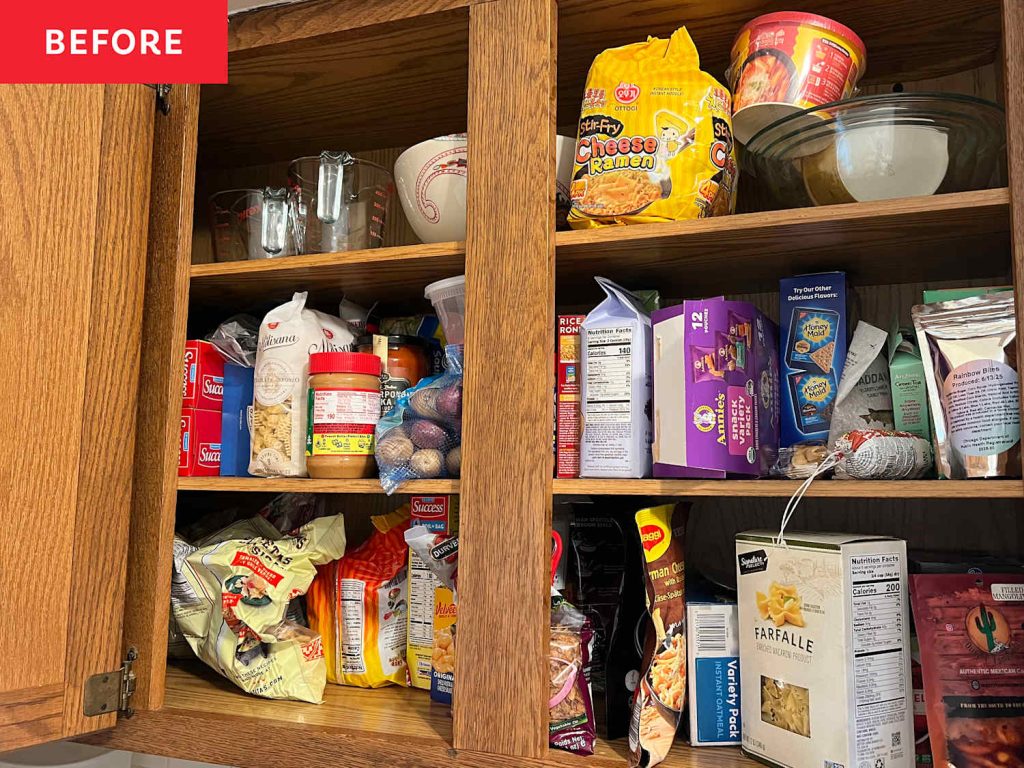
Are your kitchen cabinets a chaotic mess of stacked dishes and mismatched plates? Do you find yourself dreading the task of putting away clean dishes because there’s simply no rhyme or reason to your storage system?
You’re not alone. Many of us struggle with how to effectively store dishes in kitchen cabinets. But here’s the good news: with a little organization and some clever tricks, you can transform your kitchen into a streamlined space that brings you joy and ease every time you cook or clean.
Imagine opening your cabinet doors to find everything neatly in its place, making it easy to grab just what you need. This not only saves you time but also reduces stress. You’ll be able to entertain guests without a second thought, confident that your kitchen is as tidy and efficient as it can be. Dive into this guide to discover practical tips and strategies that will revolutionize the way you organize your kitchen cabinets.
Choosing The Right Cabinets
Choosing the right cabinets helps keep your dishes safe and easy to reach. Good cabinets fit your space and match how you use your kitchen.
This guide covers cabinet types for dish storage and how to choose the right depth and height for your kitchen.
Cabinet Types For Dish Storage
Different cabinets serve different purposes. You need to pick cabinets that hold your dishes without wasting space.
- Wall Cabinets:These hang on the wall and save floor space. They are great for plates and cups.
- Base Cabinets:Located under the countertop, they hold heavier items like pots and large bowls.
- Glass-Front Cabinets:Perfect for displaying nice dishes and keeping them dust-free.
- Open Shelves:Easy to access but may collect dust. Use for everyday dishes.
Optimizing Cabinet Depth And Height
Cabinet size affects how many dishes you can store and how easy it is to reach them. Choose depth and height to fit your dishes and kitchen layout.
| Cabinet Dimension | Recommended Size | Purpose |
|---|---|---|
| Depth | 12 to 24 inches | Shallow cabinets keep dishes visible and easy to reach |
| Height | 30 to 42 inches | Taller cabinets store more dishes but need a step stool |
| Shelf Spacing | 10 to 15 inches | Fits most plates, bowls, and glasses comfortably |

Credit: www.detroitnews.com
Organizing Plates And Bowls
Keeping plates and bowls tidy in kitchen cabinets saves space and time. Organized dishes make cooking and cleaning easier.
Using smart storage ideas helps protect your dishes and keeps your kitchen neat. Let’s look at two useful ways to organize them.
Stacking Techniques
Stack plates and bowls by size to save space. Put larger plates at the bottom and smaller ones on top.
Place a soft cloth or paper towel between items to avoid scratches. Stack bowls inside each other, but not too high.
- Stack similar sizes together
- Use cloth to protect surfaces
- Keep stacks low for safety
- Place frequently used dishes at the front
Using Plate Racks And Dividers
Plate racks hold plates upright and save shelf space. They prevent plates from slipping and breaking.
Dividers separate plates and bowls in cabinets. They help keep dishes organized and easy to find.
- Use vertical racks for plates
- Choose adjustable dividers for bowls
- Place racks near the sink for easy access
- Keep heavy dishes at the bottom
Storing Glassware Safely
Storing glassware properly keeps it clean and damage-free. Good storage saves space and prevents accidents.
Organize your kitchen cabinets to protect glasses from chips and cracks. This helps your glassware last longer.
Preventing Chips And Cracks
Place glassware carefully to avoid hitting or rubbing against each other. Use dividers or shelf liners for protection.
- Do not stack glasses inside one another
- Use soft shelf liners to cushion the glass
- Keep heavier items away from delicate glassware
- Store fragile glasses upright to avoid pressure on rims
Ideal Placement For Frequent Use
Keep everyday glassware at eye level or below for easy reach. This saves time and reduces the chance of dropping.
Place less-used or special glasses on higher shelves. This keeps them safe but still accessible when needed.
- Store daily glasses in front of cabinets
- Reserve top shelves for rarely used items
- Arrange glasses by size and type for quick access
- Keep heavier glasses lower to prevent falls
Maximizing Vertical Space
Using vertical space in kitchen cabinets helps keep dishes neat and easy to reach.
Smart storage solutions create more room without adding new cabinets.
Installing Shelf Risers
Shelf risers lift dishes off the cabinet floor. They add extra layers for plates, bowls, or cups.
- Choose risers that fit your cabinet size.
- Place heavier dishes on the bottom shelf for safety.
- Use clear or wire risers to see items easily.
- Stack similar dishes together on each shelf.
Adding Hooks And Hanging Storage
Hooks can hold mugs, measuring cups, or utensils. Hanging storage frees up shelf space.
| Type of Hook | Best For | Placement |
| Suction Cup Hooks | Light mugs | Inside cabinet doors |
| Adhesive Hooks | Measuring spoons | Side walls of cabinet |
| Under Shelf Hooks | Wine glasses | Under shelves |
Utilizing Cabinet Doors
Kitchen cabinets often have unused space on the inside of their doors. You can use this area to store dishes and save shelf space. Storing dishes on cabinet doors keeps your kitchen organized and easy to use.
There are several ways to add storage on cabinet doors. This guide focuses on door-mounted racks and magnetic or adhesive solutions. These options are simple and effective for dish storage.
Door-mounted Racks
Door-mounted racks attach directly to the inside of cabinet doors. They hold plates, bowls, or cups securely. These racks keep dishes visible and easy to grab.
Many racks come with adjustable shelves or slots. This feature lets you store different sizes of dishes. Installing racks usually requires only screws or strong adhesive strips.
- Choose racks that fit your cabinet door size
- Use racks with non-slip grips to protect dishes
- Install racks at a height that is easy to reach
- Check weight limits to avoid damage
Magnetic And Adhesive Solutions
Magnetic and adhesive solutions offer flexible storage options on cabinet doors. Magnets can hold metal dishware or hooks for hanging cups. Adhesive hooks and strips hold lightweight dishes or small items.
These solutions are easy to install and remove without tools. They work well for renters or those who want no permanent changes. Make sure surfaces are clean before applying adhesives for better hold.
- Use strong magnets for metal dishware
- Choose adhesive hooks rated for dish weight
- Clean door surface before applying adhesives
- Remove adhesives slowly to avoid damage
Incorporating Drawer Storage
Drawer storage is a smart way to keep kitchen dishes neat. It saves space and makes items easy to find.
Using drawers lets you separate different types of dishes. You can organize by size, use, or frequency.
Flatware And Small Dishware
Drawers are perfect for storing flatware like forks, knives, and spoons. Small dishes also fit well in drawers.
Keeping these items in drawers stops clutter on counters and shelves. It also helps you grab what you need fast.
- Use shallow drawers for flatware trays
- Stack small plates in low drawers
- Separate items by type to avoid mix-ups
Custom Inserts For Organization
Custom inserts fit inside drawers to keep dishes tidy. They stop dishes from sliding and breaking.
Inserts can have sections for plates, bowls, and utensils. This keeps everything in its place and easy to access.
- Wooden or plastic inserts protect dishes
- Adjustable inserts fit different dish sizes
- Easy to clean materials keep drawers fresh
Maintaining Easy Accessibility
Storing dishes in kitchen cabinets should keep them easy to reach. Good organization saves time and effort.
Use smart storage ideas to make your dishes accessible. This helps keep your kitchen neat and efficient.
Rotating Lazy Susans
Rotating lazy Susans help you reach dishes at the back of cabinets. They spin smoothly, so you do not have to move many items.
- Place plates and bowls on the lazy Susan for easy reach.
- Use different tiers for cups and smaller dishes.
- Keep frequently used items on top for quick access.
- Choose a size that fits your cabinet space well.
Pull-out Shelves And Baskets
Pull-out shelves and baskets bring dishes right to your hands. They slide out, so you do not need to bend or reach far.
| Type | Best For | Benefits |
| Pull-Out Shelf | Stacked plates and bowls | Easier to see and reach items |
| Pull-Out Basket | Cups, mugs, small dishes | Keeps items secure and organized |

Credit: uk.style.yahoo.com
Cleaning And Maintenance Tips
Keeping kitchen cabinets clean helps protect your dishes and the cabinet itself. Regular care keeps your kitchen neat and safe.
Good cleaning and maintenance prevent damage and make your cabinets last longer. Simple habits can save time and effort.
Regular Decluttering
Take time to remove unused or old dishes from your cabinets. This frees up space and reduces clutter.
Decluttering also helps you clean better and avoid storing broken or chipped dishes.
- Check your dishes every few months
- Donate or recycle items you no longer use
- Keep only what fits comfortably in your cabinet
- Organize dishes by size and use for easy access
Protecting Cabinet Surfaces
Use liners or mats inside cabinets to protect surfaces from scratches and spills. They make cleaning easier.
Wipe cabinet shelves regularly with a soft cloth and mild cleaner. Avoid harsh chemicals that can damage finishes.
- Place soft liners under heavy dishes
- Clean spills immediately to avoid stains
- Use gentle cleaning products for wooden or painted surfaces
- Check for moisture and keep cabinets dry

Credit: designthusiasm.com
Frequently Asked Questions
How Do I Organize Dishes In Kitchen Cabinets?
Start by grouping similar dishes together. Place everyday items at eye level for easy access. Use vertical dividers or shelf risers to maximize space efficiently.
What Is The Best Way To Store Plates Safely?
Stack plates by size, largest at the bottom. Use non-slip liners between plates to prevent sliding and chipping. Avoid overcrowding to minimize damage risk.
How Can I Maximize Cabinet Space For Dishes?
Use adjustable shelves and stackable organizers. Store rarely used items higher up. Utilize cabinet doors for small racks or hooks to save space.
Should I Separate Glassware From Dishes In Cabinets?
Yes, keep glassware separate to avoid breakage. Store glasses upright on a stable shelf. Use padded liners or dedicated racks for added protection.
Conclusion
Storing dishes in kitchen cabinets keeps your space neat and safe. Arrange plates and bowls by size for easy access. Use shelf organizers to save room and avoid stacking. Store frequently used dishes at eye level for convenience. Keep fragile items separate to prevent damage.
Regularly check and tidy your cabinets to maintain order. Simple steps create a clean, functional kitchen everyone enjoys.