Are you tired of rummaging through cluttered kitchen cabinets trying to find the right pot or spice jar? Setting up your kitchen rack the right way can transform your cooking space into a haven of order and efficiency.
Imagine effortlessly reaching for that perfect pan or seasoning just when you need it, saving you time and reducing stress. With a well-organized kitchen rack, you’ll learn how to set kitchen rack properly, streamlining your cooking process and enhancing your culinary creativity. In this guide, we’ll show you the steps to enjoy a clutter-free and more enjoyable cooking experience.
Let’s dive in and turn your kitchen chaos into culinary calm!
:max_bytes(150000):strip_icc()/fw-one-off-mom-loved-kitchenaid-dish-rack-on-sale-tout-e3ecca30316945deb74b16e8d49e4477.jpg)
Credit: www.foodandwine.com
Choosing The Right Kitchen Rack
Choosing a kitchen rack helps organize your kitchen space well. It keeps utensils and ingredients easy to reach.
Selecting the right rack depends on your needs and kitchen size. Think about style, material, and capacity before buying.
Types Of Kitchen Racks
There are many kitchen rack types for different uses. Wall-mounted racks save floor space. Freestanding racks offer more storage options.
- Wall-mounted racks for spices and small items
- Freestanding racks for pots and pans
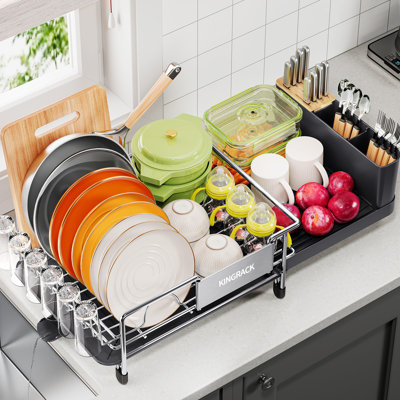
- Over-the-sink racks for drying dishes
- Corner racks to use unused corners
- Drawer racks for utensils and cutlery
Material Options
Kitchen racks come in many materials. Each has its own look and durability. Choose one that fits your kitchen style.
| Material | Benefits | Drawbacks |
| Stainless Steel | Strong and rust-resistant | Can be heavy and costly |
| Wood | Warm and stylish | Needs careful maintenance |
| Plastic | Lightweight and cheap | Less durable and may look cheap |
| Wire Mesh | Good air flow and light | Can bend under heavy load |
Size And Capacity
Measure your kitchen space before buying a rack. Choose a rack that fits without crowding the area.
- Measure the space where you want the rack
- Decide how many items you want to store
- Check the weight the rack can hold
- Pick a rack size that matches your storage needs
- Think about future storage growth

Credit: www.amazon.ca
Measuring Your Kitchen Space
Measuring your kitchen space is important before installing a kitchen rack. It helps you find the best spot and size for the rack. Careful measuring avoids problems later.
This guide shows how to measure your kitchen space well. Follow these steps to get accurate results and plan your rack placement.
Assessing Available Space
Start by checking the empty walls or corners where you want to place the rack. Use a tape measure to find the width, height, and depth available. Write down these measurements clearly.
- Measure from floor to ceiling or countertop to ceiling.
- Check the wall width from one side to the other.
- Note any obstacles like pipes or windows.
- Leave some extra space for air circulation and ease of use.
Considering Kitchen Layout
Think about how the kitchen is arranged. The rack should fit without blocking walking paths or work areas. Measure the distance between counters and appliances to find a good spot.
| Kitchen Zone | Recommended Minimum Space |
| Between Rack and Counter | 24 inches (60 cm) |
| Between Rack and Stove | 30 inches (76 cm) |
| Between Rack and Sink | 24 inches (60 cm) |
| Walking Path Near Rack | 36 inches (90 cm) |
Allowing For Accessibility
Make sure the rack is easy to reach and use. Consider the height and location for quick access to items. The rack should not make the kitchen feel crowded or hard to move in.
- Place the rack at a comfortable height for all users.
- Keep frequently used items within arm’s reach.
- Ensure doors or drawers can open fully without hitting the rack.
- Leave enough space to move freely around the rack.
Maximizing Storage Efficiency
Setting up a kitchen rack correctly can save space and keep your kitchen tidy.
Using smart storage ideas helps you fit more items in less space.
Using Vertical Space
Make use of the height of your kitchen walls. Tall racks let you store many items.
- Place taller shelves at the top for items used less often.
- Use hooks or hanging baskets to hold utensils or small pots.
- Stack containers to use space between shelves well.
Incorporating Adjustable Shelves
Shelves that move up or down let you store different sized items easily.
| Shelf Height | Best For |
| Short | Spices, jars, small boxes |
| Medium | Plates, bowls, cups |
| Tall | Large pots, pans, appliances |
Combining Open And Closed Storage
Mix open shelves with closed cabinets for easy access and neatness.
- Use open shelves for items you use often, like dishes and mugs.
- Store cleaning supplies and bulky items in closed cabinets to hide clutter.
- Keep decorative items on open shelves to add style.
Enhancing Kitchen Style
A kitchen rack can change how your kitchen looks and feels. It helps organize items and adds style. Setting it right can make your kitchen more inviting.
Think about the design, colors, and decorations. These choices create a kitchen rack that fits your space and style.
Matching Rack Design To Decor
Choose a rack design that matches your kitchen’s style. A modern kitchen looks best with clean, simple racks. Traditional kitchens suit racks with classic details.
Consider the shape and materials of your kitchen furniture. This helps your rack blend in well and feel part of the room.
Choosing Colors And Finishes
Select colors that fit your kitchen’s palette. Light colors make the room look bigger. Dark colors add a strong, bold touch.
Finish types like matte, glossy, or wood grain change the look and feel. Pick a finish that matches other kitchen surfaces for a smooth look.
- Matte finish for a soft, modern look
- Glossy finish for a bright, clean feel
- Wood finish for warmth and natural style
Adding Decorative Elements
Decorations make your kitchen rack stand out. Use plants, jars, or lights to add charm and personality.
Small decorations create a cozy feel without cluttering the space. Change them often to keep the look fresh.
- Small potted herbs add green color and freshness
- Colorful jars hold spices and add style
- String lights create soft, warm lighting
Installation Tips And Tricks
Setting up a kitchen rack can help organize your space and keep things tidy. Proper installation makes sure the rack is safe and lasts longer.
Use the right tools and follow clear steps. Keep safety in mind to avoid accidents during setup.
Tools Needed
- Measuring tape
- Drill with drill bits
- Screwdriver
- Level
- Pencil or marker
- Wall anchors and screws
- Stud finder
Having these tools ready will make the installation smooth and accurate.
Step-by-step Setup
- Use the stud finder to locate wall studs and mark them with a pencil.
- Measure the desired height for the rack and mark the spots for screws.
- Check the marks with a level to ensure they are even.
- Drill holes at the marked points for the anchors or screws.
- Insert wall anchors if you are not drilling into studs.
- Align the rack with the holes and secure it with screws.
- Double-check the rack’s level and tighten screws if needed.
Following these steps carefully helps your kitchen rack stay firm and balanced.
Safety Considerations
| Safety Tip | Reason |
|---|---|
| Wear safety glasses | Protect eyes from dust and debris |
| Check wall type | Use correct anchors for drywall or concrete |
| Do not overload rack | Prevent falling and damage |
| Keep tools away from children | Avoid accidents |
Safety is key during installation to protect yourself and your home.
Maintaining And Organizing Your Rack
A kitchen rack helps keep your kitchen tidy. Proper care keeps it useful and neat.
Organizing and cleaning your rack makes cooking easier. It saves time and space.
Cleaning Techniques
Clean your kitchen rack regularly to avoid dirt and stains. Use safe cleaning tools.
Wipe the rack with a damp cloth and mild soap. Avoid harsh chemicals that can damage it.
- Remove all items before cleaning
- Use a soft sponge or cloth
- Dry the rack completely to stop rust
- Check corners for hidden dirt
Organizing Tips
Group similar items together on the rack. This saves space and helps find things fast.
Use baskets or containers to keep small items tidy. Label containers to know contents easily.
- Place heavy items on lower shelves
- Keep daily use items at eye level
- Stack plates and bowls neatly
- Store spices in small racks or holders
Regular Maintenance
Check your kitchen rack often for damage or dirt. Fix small problems before they grow.
Tighten loose screws and replace broken parts. This keeps the rack safe and strong.
- Inspect rack weekly for stability
- Clean spills immediately
- Polish metal racks to prevent rust
- Keep the rack dry to avoid mold
Creative Rack Ideas For Small Kitchens
Small kitchens need smart storage to stay neat. Using racks can save space and keep things organized.
Choose racks that fit your kitchen size and style. This guide shares creative rack ideas for small kitchens.
Multi-functional Racks
Multi-functional racks serve more than one purpose. They save space and add convenience in small kitchens.
Look for racks that hold dishes and also have hooks for utensils. Some racks combine cutting boards and knife holders.
- Wall racks with shelves and hooks
- Over-the-sink racks with drying space
- Corner racks with storage baskets
Portable And Foldable Options
Portable racks can move around the kitchen as needed. Foldable racks save space when not in use.
Choose foldable racks for extra counter space. Portable racks help during cooking or cleaning times.
- Foldable drying racks
- Portable spice racks
- Collapsible dish racks
Diy Rack Solutions
DIY racks allow you to customize storage to your kitchen’s needs. Use simple materials to create racks.
Make racks from wood crates, metal pipes, or old ladders. Paint or decorate them to match your kitchen style.
- Wood crate wall shelves
- Pipe racks for pots and pans
- Old ladder turned into a rack
Credit: www.wayfair.ca
Frequently Asked Questions
How Do I Choose The Right Kitchen Rack Size?
Measure your kitchen space carefully before buying. Choose a rack that fits without crowding. Consider your storage needs for size and shelves. A well-sized rack maximizes space and keeps your kitchen organized efficiently.
What Materials Are Best For Kitchen Racks?
Stainless steel, wood, and plastic are common choices. Stainless steel is durable and rust-resistant. Wood offers a classic look but needs maintenance. Plastic is lightweight and affordable but less sturdy. Choose based on durability and kitchen style.
How Do I Install A Kitchen Rack Securely?
Use a level to ensure straight placement. Securely anchor screws into wall studs for strength. Follow manufacturer instructions for proper assembly. Double-check stability before placing items to prevent accidents.
Can I Customize My Kitchen Rack Layout?
Yes, many racks offer adjustable shelves and modular designs. Customize shelf height to fit different items. Add hooks or baskets for extra storage options. Custom layouts improve accessibility and maximize space.
Conclusion
Setting a kitchen rack is simple and saves space. Choose a spot that fits your needs well. Use basic tools and follow clear steps. Keep your kitchen neat and items easy to reach. Small changes bring big order to your cooking area.
Take your time and enjoy the process. A well-set rack helps you cook faster and cleaner. Try different layouts to find what works best. Your kitchen becomes more organized with each small step.