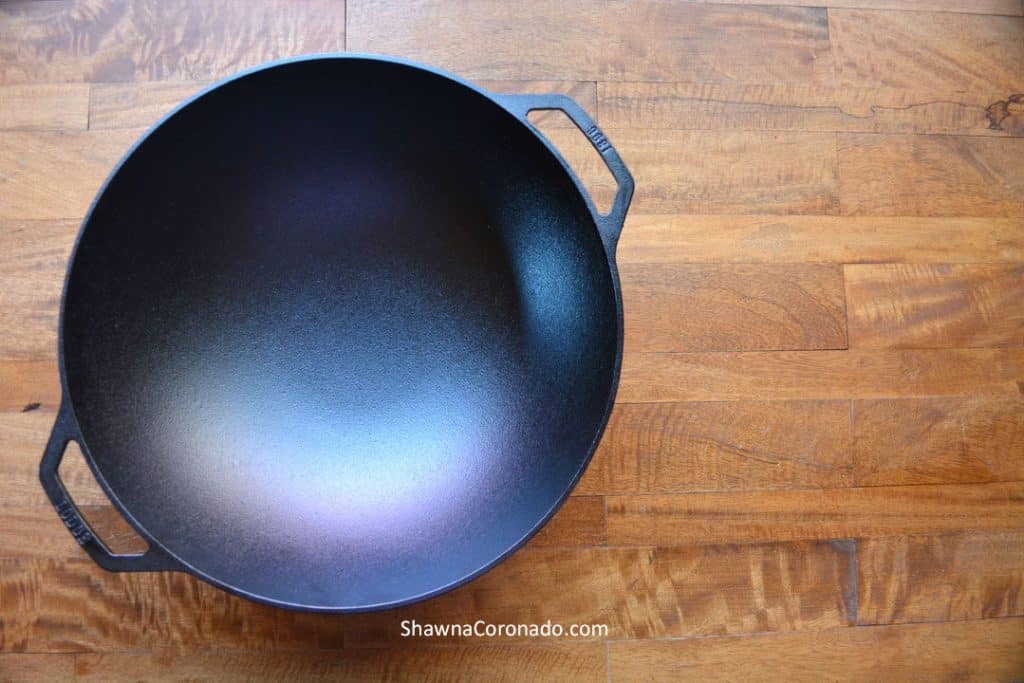
You’ve got a cast iron wok, and now it’s time to make it your kitchen’s best friend. But before you start cooking, you need to season it properly.
Seasoning your cast iron wok is the secret to unlocking its full potential — it makes your food taste better and keeps the wok from rusting. If you want to enjoy perfectly cooked meals and a wok that lasts for years, this guide is for you.
Keep reading to learn simple, effective steps to season your cast iron wok like a pro.

Credit: www.kamadojoe.com
Choosing The Right Cast Iron Wok
Choosing the right cast iron wok is key to good cooking. It affects heat, flavor, and ease of use.
This guide helps you pick a wok that fits your kitchen and cooking style.
Types Of Cast Iron Woks
Cast iron woks come in different shapes. Some have flat bottoms, others round.
- Flat Bottom:Works well on electric and flat stovetops.
- Round Bottom:Better for gas stoves and wok rings.
- Enamel Coated:Easier to clean but less traditional seasoning.
Size And Weight Considerations
Choose a size that fits your cooking needs. A wok too big or heavy can be hard to handle.
| Size (Diameter) | Best For | Weight |
| 10-12 inches | Small families, quick meals | Light |
| 14 inches | Medium families, versatile use | Medium |
| 16+ inches | Large groups, heavy cooking | Heavy |
Pre-seasoned Vs. Raw Woks
Pre-seasoned woks are ready to use and resist rust. Raw woks need seasoning before cooking.
- Pre-Seasoned:Good for beginners, less prep work.
- Raw:Offers control over seasoning process and flavor.
- Seasoning Tips:Oil and heat create a natural non-stick layer.
Preparing Your Wok For Seasoning
Seasoning a cast iron wok helps create a non-stick surface. It also protects the wok from rust.
Before seasoning, you must prepare your wok properly. This includes cleaning, removing coatings, and drying.
Cleaning Before Seasoning
Start by washing your wok to remove dirt and dust. Use warm water and mild soap. Avoid harsh detergents that can damage the metal.
Scrub gently with a sponge or soft brush. Rinse thoroughly to remove all soap.
Removing Factory Coatings
New cast iron woks often have a thin layer of oil or wax from the factory. You must remove this layer before seasoning.
- Fill your wok with hot water.
- Add a few drops of dish soap.
- Use a scrub brush to remove the coating.
- Rinse well with hot water.
- Dry immediately using a towel.
Drying Techniques
| Drying Method | Description |
|---|---|
| Towel Dry | Use a clean cloth to wipe the wok dry immediately after washing. |
| Stove Dry | Place the wok on low heat for a few minutes to remove moisture. |
| Air Dry | Let the wok air dry completely in a warm place before seasoning. |
Selecting Oils For Seasoning
Choosing the right oil is key to seasoning your cast iron wok well. Oils vary in how they handle heat and affect the wok’s surface. Knowing which oils work best helps create a strong, non-stick layer.
Some oils stand up better to high heat. Others break down and cause sticky or uneven seasoning. Let’s look at how to pick the best oils for your wok.
Best Oils For High Heat
Oils with high smoke points are best for seasoning. They can handle the heat without burning or smoking too much. This helps build a strong layer on your wok.
- Flaxseed oil – dries hard and forms a strong coating
- Grapeseed oil – high smoke point, light flavor
- Canola oil – affordable and stable at high heat
- Avocado oil – very high smoke point, good for seasoning
- Vegetable oil – common and easy to find
Avoiding Unstable Oils
Some oils break down quickly when heated. They create sticky, uneven seasoning and can smell bad. Avoid these oils for your wok.
| Oil Type | Reason to Avoid |
| Butter | Low smoke point, burns easily |
| Olive oil (extra virgin) | Smokes and breaks down at moderate heat |
| Coconut oil | Low smoke point, leaves residue |
| Walnut oil | Unstable at high heat |
How Oil Choice Affects Non-stick
The right oil creates a smooth, non-stick surface on your wok. Oils that dry hard help food slide off easily. Oils that stay sticky cause food to catch and tear the seasoning.
- Hard-drying oils form a tough, shiny layer
- Stable oils polymerize well and last longer
- Sticky oils can cause food to stick and ruin the surface
Step-by-step Seasoning Process
Seasoning a cast iron wok protects it from rust and creates a natural non-stick surface. It is important to apply oil and heat the wok carefully. This guide explains how to season your wok in simple steps.
Follow the process below to prepare your cast iron wok for cooking. Each step helps build a strong, durable seasoning layer.
Applying The Oil Thinly
Use a small amount of oil to coat the wok’s inside surface. Too much oil can cause sticky spots. A thin layer ensures even seasoning and good results.
- Choose an oil with a high smoke point, like flaxseed or vegetable oil.
- Pour a teaspoon of oil onto a clean cloth or paper towel.
- Rub the oil gently over the entire cooking surface.
- Wipe away any excess oil to leave only a thin, even coat.
Heating Methods And Temperatures
Heat activates the oil and bonds it to the wok’s surface. Use steady heat to season properly. Different heating methods work well.
| Heating Method | Temperature | Duration |
| Oven | 450°F (232°C) | 1 hour |
| Stovetop | Medium-high heat | 10-15 minutes per side |
| Open Flame | High heat | 5-10 minutes, turning often |
Make sure the wok cools down completely before touching it. This prevents burns and lets the seasoning set well.
Repetition For Durability
Repeat the seasoning steps several times. Multiple layers build a strong, lasting coating that improves with use.
- Apply a thin layer of oil to the wok.
- Heat the wok using your chosen method.
- Let the wok cool down completely.
- Repeat the process 3 to 5 times for best results.
Maintaining Seasoning Over Time
Seasoning a cast iron wok protects it from rust and creates a non-stick surface. Keeping the seasoning strong takes regular care. Proper cleaning and occasional re-seasoning help maintain the wok’s performance.
Small habits during use also affect the seasoning. Avoiding mistakes will keep your wok in good shape for years.
Cleaning After Cooking
Clean your cast iron wok right after cooking. Use warm water and a soft brush or sponge. Avoid soap or harsh scrubbers that can strip seasoning.
Dry the wok completely with a towel or low heat on the stove. Moisture can cause rust and damage seasoning.
- Do not soak the wok in water
- Use minimal soap if needed, then rinse well
- Remove stuck food with a plastic scraper
- Dry immediately after washing
Re-seasoning Tips
Re-season your wok when food starts sticking or the surface looks dull. Heat the wok, apply a thin layer of cooking oil, and bake it in the oven.
Use oils with high smoke points like flaxseed, canola, or vegetable oil. Repeat the process 2-3 times for a stronger coating.
- Clean the wok well before re-seasoning
- Apply a thin, even layer of oil
- Bake at 375–450°F (190–230°C) for one hour
- Let the wok cool in the oven
Avoiding Common Mistakes
Do not use soap or steel wool often. These can remove seasoning. Avoid cooking acidic foods like tomatoes in a newly seasoned wok. Acid can eat away the oil layer.
Do not store the wok wet or stacked with lids that trap moisture. This causes rust quickly and damages seasoning.
- Skip harsh cleaning tools
- Wait to cook acidic foods until seasoning is strong
- Always dry the wok fully after use
- Store in a dry place with airflow

Credit: circulon.uk.com
Troubleshooting Seasoning Issues
Seasoning a cast iron wok creates a smooth, non-stick surface. Sometimes the seasoning does not turn out right. This guide helps fix common problems.
Learn how to handle sticky residue, restore rusty woks, and fix uneven coating. These tips keep your wok cooking-ready.
Dealing With Sticky Residue
Sticky residue means too much oil was used or the temperature was too low. This can make the surface tacky instead of smooth.
- Heat the wok on medium-high to burn off extra oil.
- Use a paper towel to wipe away sticky patches after heating.
- Apply a thin coat of oil next time, then heat until it stops smoking.
- Repeat seasoning with thin layers for a smooth finish.
Restoring Rusty Woks
Rust shows when moisture sits on the wok too long. It damages the seasoning and metal. Restore your wok carefully.
| Rust Removal Method | How to Do It |
| Scrubbing | Use steel wool or a scrub brush with soap and water. |
| Soaking | Soak in vinegar and water (1:1) for 1 hour, then scrub. |
| Drying | Dry fully on stove to stop rust from returning. |
| Re-seasoning | Apply oil and heat to build a new protective layer. |
Handling Uneven Coating
Uneven seasoning causes rough spots or shiny patches. This can cause food to stick or burn.
Try these tips to fix uneven coating:
- Clean the wok well before seasoning.
- Apply a thin, even layer of oil with a cloth or paper towel.
- Heat the wok gradually to allow the oil to bond evenly.
- Rotate the wok while heating to cover all areas.
- Repeat the process several times for a smooth surface.
Enhancing Non-stick Performance
Seasoning a cast iron wok improves its surface for cooking. It creates a natural non-stick layer. This helps food cook evenly and prevents sticking.
Good seasoning also protects the wok from rust. Regular care keeps the wok smooth and ready for many recipes.
Using The Wok For Different Recipes
The type of food you cook can affect the seasoning. Stir-frying vegetables or meats is ideal for maintaining the layer. Acidic foods like tomatoes can wear it down.
- Use the wok for stir-frying, steaming, and deep-frying.
- Avoid cooking very acidic dishes often.
- Clean the wok gently after use to keep seasoning intact.
Proper Heating And Cooking Techniques
Preheat the wok before adding oil or food. This helps seal the surface and keeps food from sticking. Use medium to high heat for best results.
| Heating Tip | Why It Helps |
| Preheat wok on medium heat for 5 minutes | Builds a strong seasoning layer |
| Add oil only after preheating | Prevents food from sticking |
| Avoid sudden temperature changes | Protects wok from warping and cracking |
Seasoning Boosters And Add-ons
Some oils and techniques can improve the seasoning. Use oils with high smoke points for better layers. Reapply oil after each use for stronger seasoning.
- Use flaxseed, grapeseed, or vegetable oil for seasoning
- Apply a thin layer of oil and heat the wok in the oven
- Repeat the seasoning process 2-3 times for best results
- After cooking, wipe the wok with a small amount of oil while it is still warm

Credit: www.chukanabe.com
Frequently Asked Questions
How Often Should I Season My Cast Iron Wok?
Season your cast iron wok after every few uses. Frequent seasoning maintains its non-stick surface and prevents rust. Regular care ensures better cooking performance and durability.
What Oil Is Best For Seasoning A Cast Iron Wok?
Use oils with high smoke points like flaxseed, vegetable, or grapeseed oil. These oils create a durable, non-stick seasoning layer that lasts longer.
Can I Skip Seasoning A New Cast Iron Wok?
No, seasoning is essential even for new woks. It protects the wok from rust and enhances its cooking surface. Always season before first use.
How Long Does It Take To Season A Cast Iron Wok?
Seasoning typically takes 1 to 2 hours. The process includes applying oil and heating the wok to polymerize the oil into a protective layer.
Conclusion
Seasoning a cast iron wok is simple yet essential. It protects and enhances your cooking experience. Start with a clean wok, then apply oil. Heat it on your stove until it smokes. This process creates a non-stick surface over time.
Use your wok often to improve its seasoning. Avoid soap when cleaning; hot water works best. Dry it immediately to prevent rust. Regular maintenance keeps your wok ready for delicious meals. Enjoy cooking with your perfectly seasoned wok. A little effort ensures it lasts for years.
Happy cooking!