
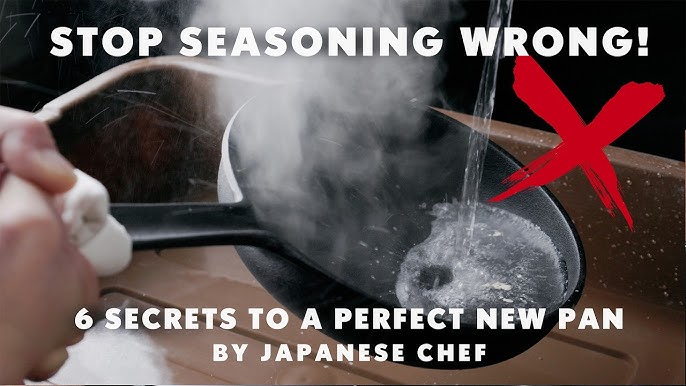
Do you love cooking with your cast iron skillet but dread the smoke that often comes with seasoning it? You're not alone.
Many home chefs find themselves in a similar predicament. The good news? There's a way to season your beloved skillet without filling your kitchen with smoke. Imagine a hassle-free process that keeps your skillet in top shape while maintaining a fresh, smoke-free kitchen atmosphere.
In this guide, you’ll discover simple and effective methods to achieve a perfectly seasoned cast iron skillet minus the smoky mess. Keep reading to learn how you can transform this chore into a seamless part of your cooking routine, ensuring your skillet remains your trusty kitchen companion for years to come.
Credit: hopewellheightsblog.com
Choosing The Right Oil
Seasoning a cast iron skillet protects it and makes cooking easier. Picking the right oil is key to avoid smoke during seasoning. The oil must have a high smoke point to work well.
Low smoke point oils can burn and create smoke. This can make seasoning messy and less effective. Learn which oils to use and which to avoid.
Oils With High Smoke Points
Use oils with high smoke points to season your skillet without smoke. These oils can handle high heat without burning. They create a strong, smooth layer on the pan.
- Avocado oil (smoke point around 520°F / 271°C)
- Refined safflower oil (smoke point around 510°F / 266°C)
- Refined sunflower oil (smoke point around 450°F / 232°C)
- Grapeseed oil (smoke point around 420°F / 216°C)
- Refined peanut oil (smoke point around 450°F / 232°C)
Avoiding Low Smoke Point Oils
Low smoke point oils burn quickly. They create sticky or uneven seasoning. Avoid these oils for seasoning cast iron skillets.
| Oil | Smoke Point (°F) | Notes |
|---|---|---|
| Extra virgin olive oil | 375°F (191°C) | Burns easily; not ideal for seasoning |
| Butter | 302°F (150°C) | Low smoke point; contains milk solids |
| Coconut oil (unrefined) | 350°F (177°C) | Can burn; better to avoid |
| Flaxseed oil | 225°F (107°C) | Very low smoke point; may cause smoke |
Credit: www.carawayhome.com
Preparing Your Skillet
Before seasoning your cast iron skillet, you need to prepare it well. Proper preparation ensures the oil sticks to the surface without creating smoke.
This guide focuses on cleaning, drying, and removing any rust or residue from your skillet. These steps help build a smooth, even seasoning layer.
Cleaning And Drying
Start by washing your skillet to remove old oil and dirt. Use warm water and a soft brush or sponge. Avoid harsh soaps that can damage the cast iron.
- Rinse the skillet with warm water.
- Scrub gently using a brush or non-metal sponge.
- Do not soak the skillet to prevent rust.
- Dry thoroughly with a clean towel.
- Heat the skillet on low flame for a few minutes to remove all moisture.
Removing Rust And Residue
If your skillet has rust or stuck residue, you must clean it before seasoning. Use gentle methods to protect the metal surface.
| Method | How to Do It |
| Salt Scrub | Sprinkle coarse salt and scrub with a sponge |
| Vinegar Soak | Soak in equal parts vinegar and water for 1 hour |
| Steel Wool | Lightly scrub rust spots with steel wool |
| Rinse and Dry | Wash with warm water and dry immediately |
Seasoning Methods Without Smoke
Seasoning a cast iron skillet adds a non-stick layer and protects it from rust. Some methods create smoke, which can be unpleasant indoors.
This guide shows ways to season your skillet without smoke using gentle heat and special oils.
Oven Seasoning At Low Temperatures
Use your oven at a lower temperature to avoid smoke while seasoning. This method slowly builds a strong layer.
- Preheat oven to 300°F (150°C).
- Clean and dry your skillet well.
- Apply a thin coat of oil all over the skillet.
- Place skillet upside down on the middle rack.
- Put a baking sheet below to catch drips.
- Bake for one hour, then turn off the oven.
- Let skillet cool completely inside the oven.
Using Stovetop Techniques
You can season your skillet on the stovetop using gentle heat. This method uses a low flame to avoid smoke.
| Step | Action | Tip |
| 1 | Heat skillet on low heat for 5 minutes. | Keep flame low to avoid burning oil. |
| 2 | Apply a thin layer of oil with a cloth. | Use oil that has a high smoke point. |
| 3 | Heat skillet for 10 minutes, turning to coat all sides. | Watch for any signs of smoke. |
| 4 | Remove from heat and let cool. | Repeat process 2-3 times for best results. |
Seasoning With Wax Or Flaxseed Oil
Wax and flaxseed oil create a strong, smooth coating without smoke. This method is safe and effective indoors.
How to use wax or flaxseed oil:
- Heat skillet gently on low.
- Rub a thin layer of flaxseed oil or melted beeswax inside.
- Let skillet cool naturally.
- Repeat every few uses to maintain seasoning.
Maintaining The Seasoning
Keeping your cast iron skillet seasoned is key to its long life. Proper care stops rust and keeps food from sticking.
Seasoning is a layer of oil baked onto the pan. It protects the surface and improves cooking.
Proper Cleaning After Use
Clean your skillet right after cooking. Avoid soap or harsh scrubbing that can remove the seasoning.
Use warm water and a soft brush or sponge. Dry the pan completely to stop rust from forming.
- Rinse with warm water only
- Use a soft brush or sponge
- Do not soak the pan
- Dry fully with a towel
Regular Light Seasoning
Apply a thin layer of cooking oil after each clean. This keeps the seasoning strong without smoke.
Heat the pan on low for a few minutes to set the oil. Let it cool before storing.
- Use a small amount of oil
- Spread evenly inside the pan
- Warm the pan on low heat
- Cool before putting away
Storing To Prevent Rust
Store your cast iron in a dry place. Moisture causes rust and damages the seasoning.
Place a paper towel inside the pan to absorb moisture. Avoid stacking with wet cookware.
- Keep in a dry cabinet
- Use paper towels inside the pan
- Do not stack wet pans
- Check regularly for rust spots
Troubleshooting Common Issues
Seasoning a cast iron skillet without smoke can be tricky. Sometimes problems like sticky surfaces or uneven seasoning happen. These problems can make cooking harder.
This guide helps you fix common issues when seasoning your skillet. Follow these tips to keep your pan smooth and ready to use.
Dealing With Sticky Surfaces
Sticky surfaces happen if too much oil is used or the heat is too low. The oil does not fully bake into the pan, leaving a tacky feeling.
- Use a thin layer of oil for seasoning.
- Heat the pan at a high enough temperature, about 450°F (230°C).
- Let the pan cool completely before adding more oil.
- Wipe off excess oil with a clean cloth or paper towel.
Fixing Uneven Seasoning
Uneven seasoning causes some parts of the skillet to look dull or rough. This happens when oil is not spread evenly or the pan is not heated properly.
| Problem | Cause | Solution |
| Dull spots | Uneven oil layer | Apply thin, even coats of oil |
| Rough texture | Low heat during seasoning | Increase oven temperature to 450°F (230°C) |
| Flaky surface | Multiple thick layers | Remove flakes with steel wool and reseason |
Addressing Residual Smoke Smell
A lingering smoke smell may appear if the pan is overheated or seasoning is done indoors without good ventilation.
- Season your skillet in a well-ventilated area or outdoors.
- Keep oven temperature steady and avoid overheating.
- After seasoning, wash the skillet with hot water and dry it well.
- Cook food with strong smells like garlic or onions to mask smoke odors.
Credit: hopewellheightsblog.com
Frequently Asked Questions
How Can I Season A Cast Iron Skillet Without Smoke?
To season without smoke, use a thin layer of oil and bake at a lower temperature (around 300°F). Apply multiple thin coats and wipe off excess oil. This method prevents smoking while creating a durable, non-stick surface on your skillet.
What Oils Work Best For Smokeless Seasoning?
Flaxseed, grapeseed, and canola oils are best for smokeless seasoning. These oils have high smoke points and polymerize well. Using them reduces smoke during the seasoning process and forms a strong, non-stick coating on your cast iron skillet.
How Often Should I Season My Cast Iron Skillet?
Season your skillet every 3-6 months or when food starts sticking. Regular seasoning maintains its non-stick surface and prevents rust. Light seasoning after each use with a thin oil layer helps keep it in top condition.
Can I Season Cast Iron On The Stovetop To Avoid Smoke?
Stovetop seasoning is possible but less effective than oven seasoning. It can create uneven layers and may not fully polymerize the oil. Oven seasoning ensures even heat distribution and better seasoning without excessive smoke.
Conclusion
Seasoning a cast iron skillet without smoke is simple and safe. Use the right oil and keep your oven temperature low. Apply thin layers of oil for best results. Regular care will keep your skillet non-stick and rust-free. Enjoy cooking with your well-seasoned skillet every day.
This method saves you from smoke and strong smells. Try it and see how easy it is to maintain your skillet. Your kitchen will stay fresh and clean.


