How to Season Cast Iron Skillet on Stove 2026 Guide
Imagine turning your kitchen into a hub of culinary delight with just one tool. That tool is your trusty cast iron skillet.
But to unlock its full potential, you need to master one essential skill: seasoning it right on your stove. If you've ever wondered why your grandmother swore by her cast iron for the perfect sear or how she got it to be so smooth and non-stick, the secret lies in proper seasoning.
This isn't just about preserving your skillet; it's about enhancing your cooking experience, making your food taste better, and even boosting your health. By learning how to season your cast iron skillet on the stove, you'll not only protect it from rust but also ensure it delivers those iconic, mouth-watering flavors every time. Your taste buds will thank you, and your skillet will serve you for years to come. Ready to discover how easy and rewarding this process can be? Let's dive in and transform your cooking game.
Preparing Your Skillet
Seasoning your cast iron skillet on the stove keeps it non-stick and rust-free. Preparing the skillet properly is the first step.
Start by cleaning and drying the skillet well. This helps the oil stick and create a good seasoning layer.
Cleaning The Skillet
Clean your cast iron skillet with warm water and a soft brush or sponge. Avoid soap or harsh detergents that remove old seasoning.
If there is stuck food, scrub gently using coarse salt and a little water. Rinse well to remove all salt and bits.
- Use warm water only
- Scrub stuck food with salt
- Avoid soap and harsh cleaners
- Rinse thoroughly
Drying Thoroughly
After washing, dry the skillet completely to stop rust from forming. Water left on the surface causes rust.
Place the skillet on the stove over low heat for a few minutes. This will evaporate any water inside and outside.
- Use a clean towel to wipe dry first
- Heat on low stove burner for 5 minutes
- Check for any damp spots
- Make sure skillet is fully dry before seasoning
:max_bytes(150000):strip_icc()/faw-field-company-no-8-cast-iron-skillet-medium-10-25-inch-jennifer-zyman-10-bd8a731366984600b5a3c1495b307284.jpeg)
Credit: www.foodandwine.com
Choosing The Right Oil
Seasoning a cast iron skillet on the stove needs the right oil. The oil protects the skillet and makes it non-stick.
Picking the best oil helps build a strong, smooth layer on the skillet’s surface. Not all oils work well.
Best Oils For Seasoning
Good oils have a high smoke point and dry well. These oils create a hard, durable coating on the skillet.
- Flaxseed oil – dries quickly and forms a strong layer
- Canola oil – affordable with a high smoke point
- Grapeseed oil – light and heats well
- Vegetable oil – easy to find and works fine
- Sunflower oil – good for seasoning with a high smoke point
Use oils that stay solid and hard after heating. This builds a good non-stick surface.
Oils To Avoid
Avoid oils that do not dry or have a low smoke point. These oils can leave a sticky or soft layer.
- Olive oil – low smoke point and can stay sticky
- Coconut oil – melts easily and may not harden well
- Butter or animal fats – burn fast and can cause uneven seasoning
- Shortening – can leave a soft, sticky layer
Choose oils that dry hard and resist burning for the best results.
Applying The Oil
Seasoning your cast iron skillet on the stove requires careful oil application.
The oil protects the skillet and builds a smooth cooking surface.
Coating The Skillet Evenly
Spread the oil evenly across the whole skillet, inside and out.
- Pour a small amount of oil into the skillet.
- Use a paper towel to rub the oil all over the surface.
- Cover the bottom, sides, and handle if possible.
- Make sure the oil layer is thin and smooth, not thick.
Removing Excess Oil
Too much oil can cause sticky spots or uneven seasoning.
| Action | Reason |
|---|---|
| Wipe off extra oil with a clean paper towel | Prevents sticky residue |
| Check for shiny, wet spots | These areas hold excess oil |
| Use a fresh towel to absorb leftover oil | Ensures an even, dry finish |
Seasoning On The Stove
Seasoning a cast iron skillet on the stove helps build a strong, non-stick surface. This method uses heat and oil to protect the skillet from rust.
It is important to heat the skillet safely and keep the right temperature for even seasoning. This guide will explain these key steps.
Heating The Skillet Safely
Start by cleaning the skillet with warm water and a brush. Dry it completely before heating to avoid steam burns.
Place the skillet on the stove over low heat. Slowly raise the heat to warm the pan evenly. Avoid sudden high heat to prevent warping or damage.
- Use low to medium heat at first
- Heat the skillet slowly and evenly
- Keep your hands away from hot surfaces
- Use oven mitts to handle the skillet
Maintaining The Right Temperature
Keep the skillet at a steady temperature around 350°F (175°C). This heat level helps the oil bond to the pan's surface properly.
Use an oil with a high smoke point, like flaxseed or vegetable oil. Apply a thin layer and let it heat until it starts to smoke slightly, then remove from heat.
- Heat skillet to about 350°F (175°C)
- Apply a thin, even layer of oil
- Heat until oil just starts to smoke
- Turn off heat and let skillet cool
Cooling And Repeating
Seasoning your cast iron skillet on the stove needs patience. Letting it cool and repeating the process builds a strong, non-stick layer.
This guide helps you understand how to cool your skillet properly and why repeating is important for good seasoning.
Letting The Skillet Cool
After heating the skillet with oil, turn off the stove and let it cool down naturally. Do not rush this step by cooling it with water or a towel.
- Place the skillet on a heat-safe surface.
- Let it cool for at least 30 minutes.
- Avoid touching the hot surface to prevent burns.
- Cooling slowly helps the oil bond to the metal.
Repeating For A Stronger Seasoning
Repeat the seasoning process several times to create a thick, durable coating. Each layer adds protection and improves cooking performance.
| Number of Coats | Effect on Skillet |
| 1 coat | Light protection, some stickiness |
| 3 coats | Good non-stick surface, more durable |
| 5 or more coats | Strong seasoning, easy food release |
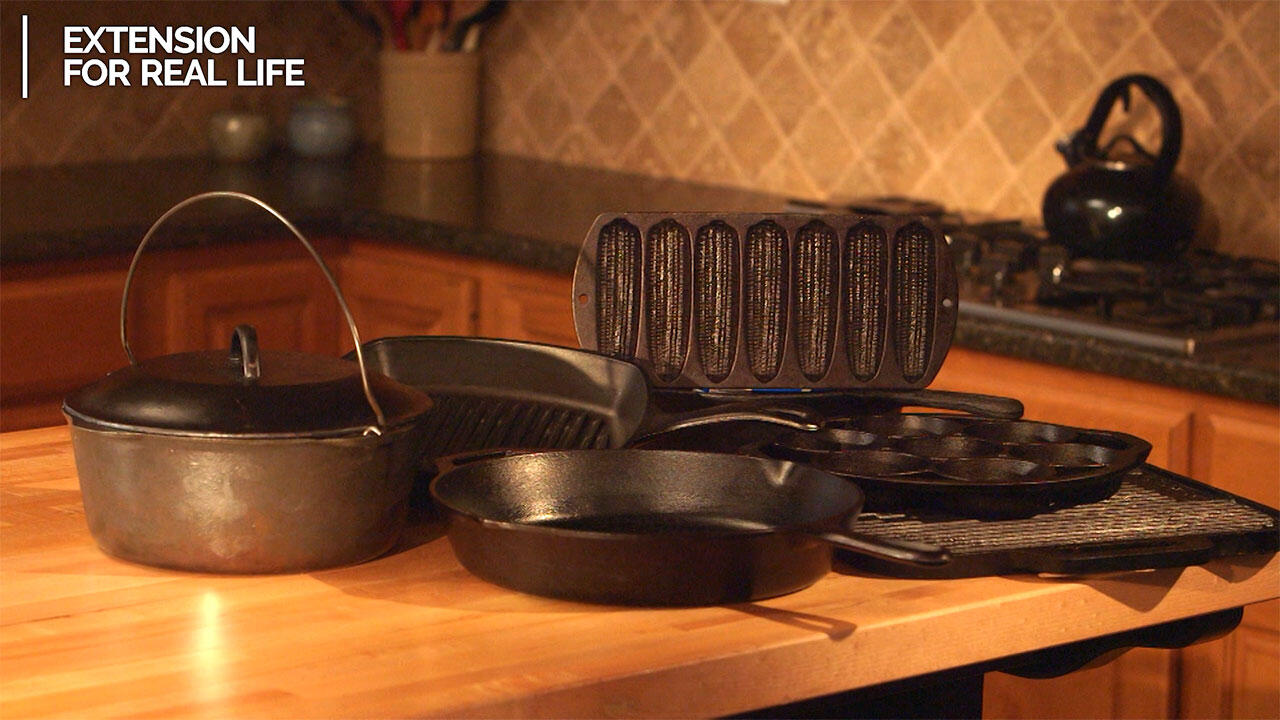
Credit: extension.msstate.edu
Maintaining Seasoned Skillets
Keeping your cast iron skillet well-seasoned helps it last longer. A good seasoning protects the pan from rust and makes cooking easier.
Regular care after cooking keeps the skillet’s surface smooth and non-stick. Let’s look at how to clean and avoid common mistakes.
Cleaning After Use
Clean your skillet right after cooking while it is still warm. Use hot water and a soft brush or sponge to remove food bits.
Avoid soap or harsh detergents. They can strip away the seasoning layer. If food sticks, add a little water and boil it to loosen the bits.
- Use hot water and a soft brush
- Do not use soap or strong detergents
- Boil water in the pan to loosen stuck food
- Dry completely with a towel or heat on stove
- Apply a thin layer of oil after drying
Avoiding Common Mistakes
Many people make mistakes that damage their skillet’s seasoning. Avoid soaking your skillet in water for a long time. It can cause rust.
Do not use metal scrubbers or steel wool. These can scratch the surface. Also, avoid cooking acidic foods like tomatoes often. They can wear down the seasoning.
- Do not soak skillet in water
- Avoid metal scrubbers and steel wool
- Limit cooking acidic foods regularly
- Do not skip drying after cleaning
- Reapply oil to keep seasoning strong

Credit: www.reddit.com
Frequently Asked Questions
How Do You Season A Cast Iron Skillet On The Stove?
To season a cast iron skillet on the stove, heat it over medium heat. Apply a thin layer of oil and heat until it smokes. Let it cool, then wipe off excess oil. Repeat several times for a strong seasoning layer.
What Type Of Oil Is Best For Stove Seasoning?
Use oils with high smoke points like flaxseed, vegetable, or canola oil. These oils create a durable, non-stick surface. Avoid low smoke point oils as they can leave sticky residue.
How Often Should I Season My Cast Iron Skillet?
Season your skillet when food starts sticking or it looks dull. For regular cooking, seasoning every 3-6 months is ideal. Frequent seasoning keeps the surface smooth and rust-free.
Can I Season A Cast Iron Skillet Without An Oven?
Yes, seasoning on the stove is effective. Heating the skillet with oil until it smokes builds the seasoning layer. This method is great if you don’t have oven access.
Conclusion
Seasoning your cast iron skillet on the stove keeps it strong and non-stick. Heat helps oil soak into the pan's surface. Use simple oils like vegetable or flaxseed oil for best results. Clean the pan well before starting. Repeat the process regularly to protect the skillet from rust.
A well-seasoned pan makes cooking easier and food taste better. Care for it gently, and it will last many years. Try this method to keep your skillet ready for all meals.