If you’ve just removed rust from your cast iron skillet, you’re probably wondering what to do next. Seasoning your skillet properly is the key to bringing it back to life and making it non-stick again.
Without the right steps, your hard work could go to waste, and the rust might come back faster than you expect. You’ll learn simple, effective ways to season your cast iron skillet after rust removal. Follow along, and you’ll have a skillet that’s ready to cook delicious meals and last for years to come.
Keep reading to discover the secrets that professional chefs and home cooks swear by!

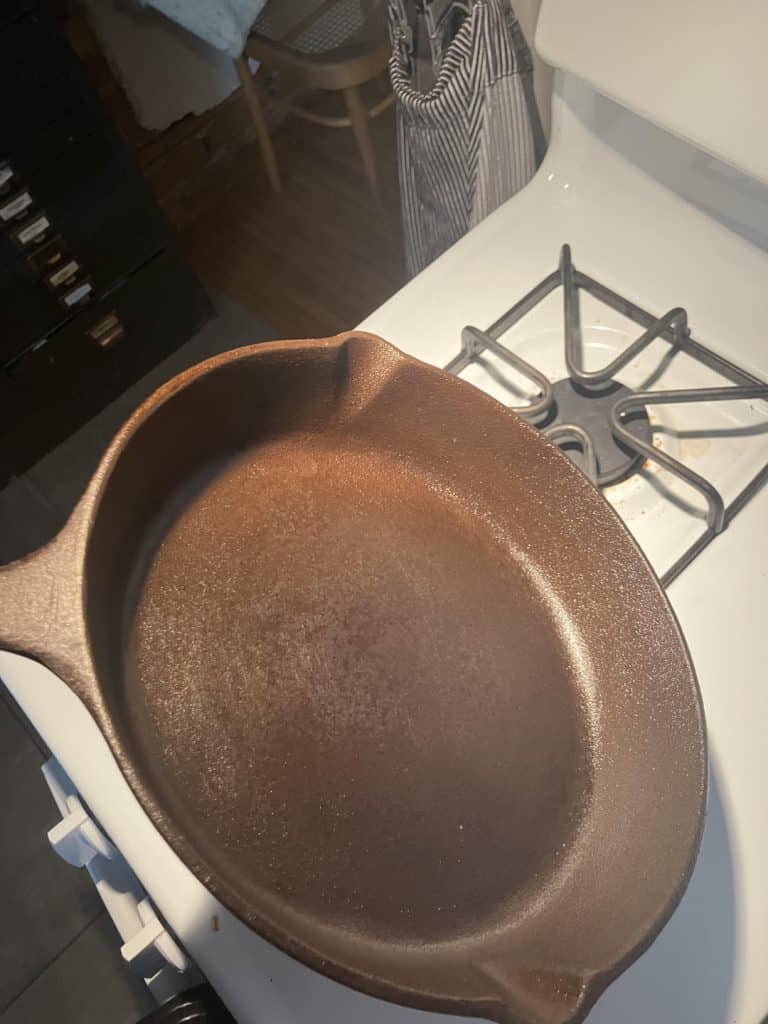
Credit: www.reddit.com
Why Seasoning Matters
Seasoning a cast iron skillet protects the surface and improves cooking. It creates a natural non-stick layer that helps food cook evenly.
After removing rust, seasoning is important to stop further damage and keep your skillet in good shape for years.
Benefits Of Seasoning
Seasoning cast iron offers many benefits that help maintain the skillet’s quality and cooking performance.
- Prevents rust from forming again
- Builds a smooth, non-stick surface
- Makes cleaning easier without harsh scrubbing
- Improves heat retention and even cooking
- Extends the skillet’s lifespan
Effects Of Rust On Cast Iron
Rust damages cast iron by eating away the metal and roughening the surface. This weakens the skillet and changes its cooking properties.
| Rust Effect | Description | Impact on Skillet |
| Metal Corrosion | Rust eats into the cast iron surface | Weakens structure and causes pits |
| Loss of Non-stick Layer | Removes seasoning oils and layers | Food sticks and cleans harder |
| Uneven Cooking | Rough surface causes hot spots | Food cooks unevenly or burns |
| Shortened Skillet Life | Rust spreads if untreated | Skillet may need replacement sooner |
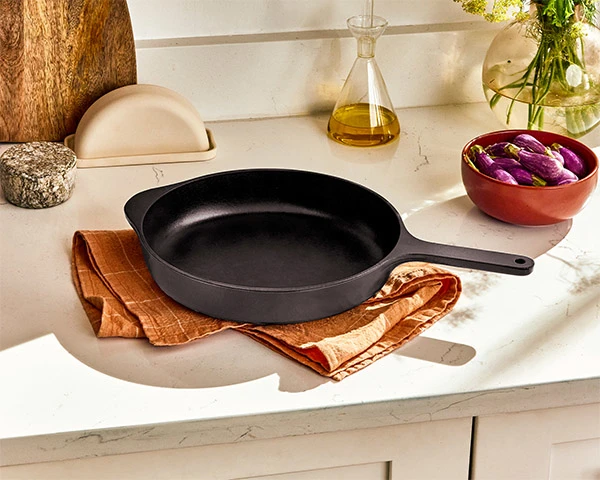
Credit: www.carawayhome.com
Preparing The Skillet
Before seasoning your cast iron skillet, you must prepare it well. This helps the oil stick better and protects the pan.
Preparing the skillet includes removing all rust and making sure it is clean and dry. These steps are important for good seasoning.
Removing Rust Completely
Rust can damage your skillet if not removed fully. Use a scrubber or steel wool to rub off all rust spots.
For tough rust, you can soak the skillet in a vinegar and water mix. Check it often to stop the metal from corroding.
- Use steel wool or a wire brush to scrub rust
- Soak in equal parts vinegar and water if rust is heavy
- Rinse well with water after rust removal
Cleaning And Drying
After rust removal, clean the skillet with warm water and mild soap. This removes dirt and vinegar smell.
Dry the skillet completely to stop new rust from forming. Use a towel and heat it on the stove for a few minutes.
- Wash skillet with warm water and mild soap
- Rinse thoroughly to remove all soap
- Dry with a clean cloth or paper towel
- Heat skillet on stove to remove remaining moisture
Choosing The Right Oil
Seasoning a cast iron skillet protects it and adds a non-stick surface. Picking the right oil helps create a strong, even coating after rust removal.
Some oils work better than others because of their smoke points and how they polymerize when heated. Let’s explore the best oils for seasoning and common mistakes to avoid.
Best Oils For Seasoning
| Oil | Smoke Point (°F) | Why It Works Well |
|---|---|---|
| Flaxseed Oil | 225 | Dries hard and forms a durable coating |
| Canola Oil | 400 | High smoke point and easy to find |
| Vegetable Oil | 400 | Affordable and creates a good layer |
| Grapeseed Oil | 420 | High smoke point and neutral flavor |
| Avocado Oil | 520 | Very high smoke point, great for seasoning |
Choose oils with a high smoke point to avoid sticky or uneven layers. Oils that dry hard make the seasoning last longer.
Avoiding Common Mistakes
- Do not use butter or olive oil; they have low smoke points and can become sticky.
- Apply a thin, even layer of oil to prevent buildup and flaking.
- Heat the skillet enough to reach the oil’s smoke point for proper polymerization.
- Do not skip cleaning the rust fully before seasoning.
- Allow the skillet to cool slowly to keep the seasoning smooth.
Step-by-step Seasoning Process
Seasoning a cast iron skillet after rust removal helps protect it and keeps food from sticking. The process creates a natural non-stick surface by baking oil onto the metal. Follow these simple steps to season your skillet properly.
Each step is important for a durable seasoning layer. Make sure to apply oil evenly, bake at the right temperature, and repeat the process for the best results.
Applying Oil Evenly
Use a clean cloth or paper towel to apply a thin layer of oil all over the skillet. Cover the inside, outside, and handle. Avoid thick spots or pools of oil.
- Choose a high smoke point oil like flaxseed, vegetable, or canola oil.
- Dip the cloth in oil and spread it evenly over the skillet.
- Wipe off any excess oil to prevent sticky buildup.
Baking At Correct Temperature
Preheat your oven to 450°F (230°C). Place the skillet upside down on the middle rack. Put a sheet of foil below to catch drips.
| Temperature | Duration | Purpose |
| 450°F (230°C) | 1 hour | Bakes oil to form seasoning layer |
| Room temperature | Until cool | Allows seasoning to set |
Cooling And Repeating
Let the skillet cool completely in the oven. Once cool, repeat the oiling and baking steps 2 to 3 more times for a strong coating.
Repeating helps build layers that protect the metal and improve non-stick performance.
- Apply thin oil layer
- Bake at 450°F for 1 hour
- Cool completely
- Repeat as needed
Maintaining Seasoned Skillets
After removing rust from your cast iron skillet, it is important to keep it well-seasoned. A good seasoning protects the pan from rust and creates a non-stick surface.
Regular care helps your skillet last for many years. Proper cleaning and occasional re-seasoning keep the skillet in top shape.
Proper Cleaning Techniques
Clean your cast iron skillet with warm water and a soft brush or sponge. Avoid using soap or harsh detergents that can strip the seasoning.
If food sticks, scrub gently with coarse salt and a little water. Rinse well and dry the skillet immediately to stop rust from forming.
- Use warm water and a soft brush
- Avoid soap or harsh detergents
- Scrub stuck food with coarse salt
- Dry the skillet right after washing
Re-seasoning Tips
After cleaning and drying, apply a thin layer of vegetable oil or flaxseed oil to the entire skillet. Rub the oil evenly inside and out.
Heat the skillet upside down in an oven at 350°F (175°C) for one hour. Let it cool in the oven before storing. Repeat this process if the surface looks dull or sticky.
- Apply a thin coat of oil after each use
- Heat the skillet in the oven at 350°F for one hour
- Cool the skillet in the oven before storing
- Repeat if the surface loses its shine

Credit: www.reddit.com
Troubleshooting Seasoning Issues
Seasoning a cast iron skillet after rust removal can sometimes cause problems. Fixing these issues helps the skillet work well and last long.
Two common problems are sticky residue and uneven coating. Knowing how to handle them improves your skillet’s surface.
Dealing With Sticky Residue
Sticky residue happens when too much oil is used or the skillet is not heated enough. This leaves a tacky, soft surface instead of a hard layer.
- Use a thin layer of oil when seasoning.
- Heat the skillet at a high temperature to bake the oil fully.
- Wipe off any extra oil before heating.
- Allow the skillet to cool before adding more layers.
Fixing Uneven Coating
Uneven seasoning looks patchy or blotchy. Some spots shine while others stay dull or bare. This can cause food to stick and cook unevenly.
| Cause | Solution |
| Too much oil in one area | Spread oil evenly with a cloth or paper towel |
| Not enough heating time | Heat skillet longer at correct temperature |
| Skipping cleaning between layers | Clean skillet lightly before new seasoning |
| Uneven heating in oven | Place skillet in center rack for even heat |
Frequently Asked Questions
How Do I Prepare A Cast Iron Skillet After Rust Removal?
First, scrub off all rust completely. Wash with warm water and mild soap. Dry thoroughly and apply a thin layer of oil before seasoning.
What Oil Is Best For Seasoning Cast Iron Skillets?
Use oils with high smoke points like flaxseed, vegetable, or canola oil. These oils create a durable, non-stick seasoning layer on cast iron skillets.
How Many Times Should I Season My Cast Iron Skillet?
Season your skillet 2 to 3 times for best results. Multiple layers build a strong, non-stick surface and protect against rust.
Can I Season A Cast Iron Skillet In The Oven?
Yes, preheat your oven to 450°F. Apply oil, place skillet upside down, and bake for one hour. Let it cool inside the oven.
Conclusion
Restoring and seasoning your cast iron skillet is simple. Follow the steps for rust removal and seasoning. Your skillet will regain its shine and non-stick surface. Consistent care ensures durability and great cooking results. Remember to dry your skillet thoroughly after each wash.
Store in a dry place to prevent rust. With regular use, your skillet becomes a cherished kitchen tool. Enjoy cooking with your well-seasoned cast iron skillet. It will enhance flavors and make meals memorable. Happy cooking!