Are you tired of your food sticking to your cast iron cookware, or worried about rust and maintenance? You’re not alone.
Many home cooks face the same challenges, but there’s a simple solution that can transform your cooking experience: proper seasoning. Imagine effortlessly flipping pancakes or frying eggs without a hint of sticking, all while enhancing the flavor of your dishes.
Seasoning your cast iron not only prevents rust but also creates a natural, non-stick surface. In this guide, you’ll discover the easy steps to effectively season your cast iron cookware, ensuring it lasts a lifetime. Stick around, because by the end, you’ll feel confident to give your cast iron the care it deserves. Your culinary creations will thank you!

Credit: www.lodgecastiron.com
Why Season Cast Iron
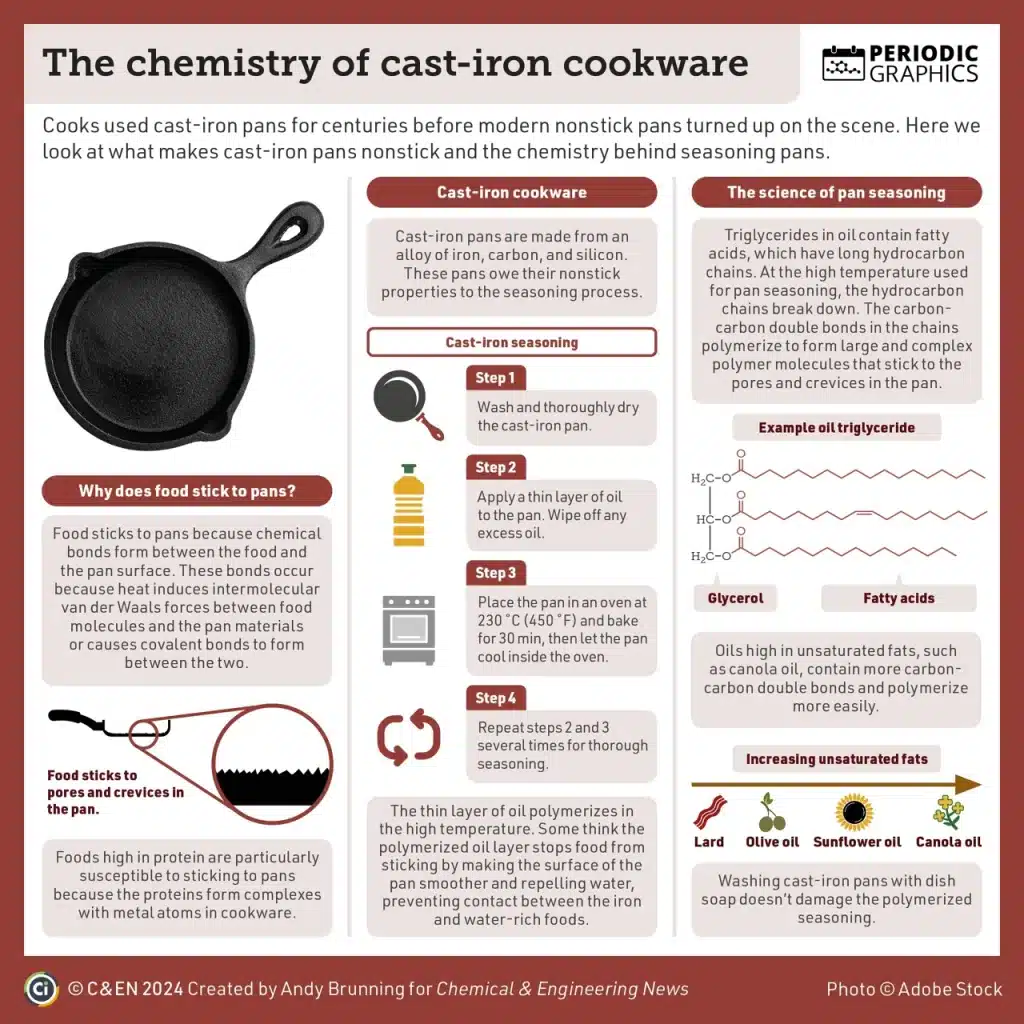
Seasoning cast iron means coating it with oil and heating it. This creates a protective layer on the surface.
This layer helps keep food from sticking and stops rust from forming. It makes the cookware last longer.
Benefits Of Seasoning
Seasoning cast iron gives many benefits. It protects the pan and improves cooking quality.
The seasoning also adds flavor to your food. Over time, the pan becomes easier to use.
- Prevents rust and corrosion
- Makes the surface non-stick
- Improves heat distribution
- Enhances the flavor of food
- Extends the life of the cookware
Common Issues Without Seasoning
Using cast iron without seasoning causes problems. The pan can rust quickly and food sticks badly.
Cleaning becomes hard and the cookware may get damaged. The pan loses its cooking ability fast.
- Rust forms on the surface
- Food sticks and burns easily
- Cleaning is difficult
- Cookware can crack or warp
- Shorter cookware lifespan
Credit: hopewellheightsblog.com
Choosing The Right Oil
Seasoning cast iron cookware needs the right oil to build a strong, non-stick surface. The oil should withstand high heat and form a durable layer.
Some oils work better than others. Knowing which oils to use and which to avoid makes seasoning easier and lasts longer.
Best Oils For Seasoning
Oils with high smoke points and good polymerization properties work best for seasoning cast iron. These oils create a hard, smooth layer on the pan.
- Flaxseed oil – dries hard and creates a strong coating
- Canola oil – affordable and has a high smoke point
- Vegetable oil – easy to find and effective
- Grapeseed oil – high smoke point and light taste
- Sunflower oil – good for even seasoning
Oils To Avoid
Some oils do not form a good seasoning layer or may go rancid quickly. Avoid these to keep your cookware in good shape.
| Oil Type | Reason to Avoid |
|---|---|
| Olive oil | Low smoke point, can become sticky or rancid |
| Coconut oil | May not dry well, can leave a soft coating |
| Butter or animal fats | Low smoke point, leaves uneven seasoning |
| Cold-pressed or unrefined oils | Contains impurities that affect seasoning |
Preparing Your Cookware
Seasoning cast iron cookware starts with proper preparation. Clean and dry your cookware thoroughly before applying oil.
Removing old residue and rust ensures the seasoning sticks well and lasts longer.
Cleaning Before Seasoning
Wash the cookware using warm water and mild soap. Use a sponge or stiff brush to scrub off any dirt or food bits.
- Rinse thoroughly to remove all soap
- Dry completely with a clean towel
- Heat on stove to evaporate any leftover moisture
Removing Rust And Residue
Rust weakens cast iron and stops seasoning from bonding properly. You must remove rust before seasoning.
| Method | Description |
| Steel Wool | Scrub rust spots until metal is clean |
| White Vinegar | Soak cookware for up to 1 hour, then scrub |
| Baking Soda Paste | Apply paste, let sit, then scrub off residue |
| Wire Brush | Use for heavy rust or stubborn residue |
Credit: www.carawayhome.com
Seasoning Methods
Seasoning cast iron cookware is key to keeping it non-stick and rust-free. Different methods help create a strong, smooth coating on the surface.
Below are three popular seasoning ways. Each one has clear steps to follow for great results.
Oven Seasoning Step-by-step
This is the most common method to season cast iron. It uses heat to bond oil to the pan’s surface.
- Wash the cookware with warm soapy water and dry it well.
- Apply a thin layer of vegetable oil all over the pan.
- Place the pan upside down in a preheated oven at 450°F (230°C).
- Put a baking sheet below to catch oil drips.
- Bake for one hour, then turn off the oven.
- Let the pan cool inside the oven before removing it.
Stovetop Seasoning
You can also season your cast iron on the stove. This method is quicker and works well for small touch-ups.
Heat the pan on low, then rub a small amount of oil inside. Use a paper towel to spread the oil evenly. Keep heating gently until the pan starts to smoke. Turn off the heat and let the pan cool before wiping off extra oil.
Using Flaxseed Oil For A Durable Coat
Flaxseed oil is popular because it forms a hard, lasting layer on cast iron. It dries faster than other oils and creates a smooth surface.
| Step | Action | Details |
|---|---|---|
| 1 | Clean | Wash and dry the cookware completely. |
| 2 | Apply Oil | Use a thin coat of flaxseed oil on all surfaces. |
| 3 | Bake | Place the pan upside down in the oven at 450°F (230°C) for 1 hour. |
| 4 | Cool | Let the pan cool inside the oven before removing. |
| 5 | Repeat | Repeat the process 3-4 times for a strong seasoning layer. |
Maintaining Seasoned Cast Iron
Seasoned cast iron cookware can last for many years. Proper care keeps the seasoning strong and the pan non-stick.
Good maintenance prevents rust and damage. It also improves cooking performance over time.
Proper Cleaning Techniques
Clean cast iron right after cooking while it is still warm. Avoid soaking or using soap often to protect the seasoning.
Use a brush or scraper to remove stuck food. Rinse with hot water and dry it completely.
- Do not put cast iron in the dishwasher
- Avoid soaking the pan in water
- Dry the pan thoroughly to stop rust
- Apply a thin layer of oil after drying
Re-seasoning Tips
Re-season cast iron if food starts to stick or the surface looks dull. This keeps the pan smooth and rust-free.
Heat the pan in the oven, then rub a thin layer of cooking oil all over it. Bake it upside down at a high temperature for one hour.
- Choose oils with a high smoke point, like flaxseed or vegetable oil
- Remove excess oil to avoid sticky residue
- Repeat seasoning if needed for a strong coating
Avoiding Common Mistakes
Some habits can damage your cast iron seasoning. Avoid these to keep your cookware in good shape.
- Do not use harsh detergents or steel wool
- Avoid cooking acidic foods in unseasoned pans
- Do not leave the pan wet or store food inside
- Never heat an empty pan for too long
Troubleshooting Seasoning Problems
Seasoning cast iron cookware can sometimes cause issues. These problems affect cooking and cleaning.
This guide helps fix common problems like sticky surfaces, rust, and uneven seasoning.
Sticky Or Gummy Surface
A sticky or gummy surface happens when too much oil is used. The oil does not dry well during seasoning.
To fix this, clean the pan with hot water and a scrub brush. Avoid soap if possible.
- Apply a thin layer of oil only
- Heat the pan longer to allow oil to polymerize
- Use oils with high smoke points like flaxseed or canola
Rust Formation
Rust forms when moisture stays on the cast iron. This can happen if the pan is not dried properly.
Remove rust with a scrub pad or steel wool. Then reseason the pan to protect it.
- Dry the pan completely after washing
- Apply a light coat of oil to prevent moisture
- Store cast iron in a dry place
Uneven Seasoning
Uneven seasoning causes some areas to be sticky while others stay dry. This happens if oil is not spread well.
Use a clean cloth or paper towel to spread oil evenly over the whole surface. Heat the pan slowly and evenly.
- Apply oil in thin, even layers
- Rotate the pan in the oven during seasoning
- Allow enough time for seasoning to cure at the right temperature
Seasoning Frequency And Longevity
Seasoning cast iron cookware keeps it non-stick and rust-free. It also helps your pans last longer.
Knowing how often to season and when to reseason helps maintain your cookware’s quality.
How Often To Season
Season your cast iron cookware after buying it or after a deep clean. This builds a good base layer.
For daily use, season it lightly every few weeks. If you use it less, season it every few months.
- New or cleaned cookware: season once before use
- Frequent use: season lightly every 3-4 weeks
- Infrequent use: season every 2-3 months
Signs Your Cookware Needs Reseasoning
Watch for changes in your cookware’s surface. These signs show it needs reseasoning to protect it.
- Food sticks more than usual
- Rust spots appear on the surface
- Surface looks dull or patchy
- Cookware feels rough or sticky
Reseason your cast iron as soon as you notice these signs. This keeps it safe to cook on and lasts longer.
Frequently Asked Questions
How Often Should I Season Cast Iron Cookware?
You should season cast iron cookware every few months or when food starts sticking. Regular seasoning maintains a non-stick surface and prevents rust. Frequent use and cleaning can wear down the seasoning, so reapplying it keeps your cookware in top condition.
What Oil Is Best For Seasoning Cast Iron?
Flaxseed oil, vegetable oil, and canola oil are popular for seasoning cast iron. These oils polymerize well when heated, creating a durable, non-stick coating. Choose oils with high smoke points for better results during the seasoning process.
Can I Skip Seasoning If My Cast Iron Is Pre-seasoned?
Pre-seasoned cast iron is ready to use but benefits from additional seasoning. Extra layers improve non-stick properties and protect against rust. Regular seasoning enhances performance and extends the life of your cookware.
How Do I Know When Cast Iron Needs Reseasoning?
If food sticks or the surface looks dull or rusty, your cast iron needs reseasoning. These signs indicate the seasoning layer has worn off. Reseasoning restores the protective coating and improves cooking performance.
Conclusion
Seasoning cast iron cookware keeps it non-stick and rust-free. Regular care makes your pan last for years. Use oil and heat to build a strong coating. Clean your pan gently after each use. Avoid soap or soaking in water too long.
With simple steps, your cast iron stays ready for cooking. Enjoy better meals and easier cleanup every time. Cast iron becomes better with each use. Keep seasoning it often to protect your investment. Simple habits lead to great results in the kitchen.