If you want your cast iron cookware to last for years and cook like a dream, seasoning it properly is key. Seasoning creates a natural, non-stick surface that protects your pan and makes cleanup easier.
But how do you do it right, especially using your oven? You’ll discover a simple, step-by-step method to season your cast iron cookware perfectly every time. By following these tips, you’ll unlock the full potential of your pan and enjoy better meals with less hassle.
Keep reading to learn how to give your cast iron the care it deserves.
Credit: hopewellheightsblog.com
Preparing Your Cast Iron
Seasoning cast iron cookware helps protect it from rust. It also creates a non-stick surface for cooking.
Before seasoning, you need to prepare your cast iron properly. This makes sure the seasoning sticks well.
Cleaning The Surface
Start by cleaning your cast iron to remove dirt and old oils. Use warm water and a stiff brush.
Avoid soap if possible because it can remove the natural oils. If you need soap, use a small amount.
- Rinse with warm water
- Use a stiff brush or sponge
- Remove stuck food gently
- Limit soap use
Drying Thoroughly
Dry your cast iron completely to stop rust from forming. Water left on the surface causes rust.
You can dry it with a towel or by heating it on the stove for a few minutes.
- Wipe with a clean towel
- Heat on low flame for 5 minutes
- Make sure it is fully dry before seasoning
Choosing The Right Oil
Seasoning cast iron cookware needs the correct oil. The oil creates a protective, non-stick layer. Not all oils work the same way for seasoning.
Picking the right oil helps your pan last longer and cook better. Oils with a high smoke point and good polymerization are best.
Best Oils For Seasoning
Some oils work better for seasoning because they form a durable coating. These oils dry and bond well to the cast iron surface.
- Flaxseed oil: It dries fast and creates a hard layer.
- Grapeseed oil: Has a high smoke point and good drying properties.
- Canola oil: Affordable and works well for regular seasoning.
- Vegetable oil: Easy to find and creates a solid coating.
- Avocado oil: High smoke point, good for high-heat seasoning.
Avoiding Common Mistakes
| Mistake | What Happens | How to Avoid |
| Using oils with low smoke points | Sticky, uneven seasoning | Choose oils with higher smoke points |
| Applying too much oil | Sticky residue build-up | Use a thin, even layer of oil |
| Skipping cleaning before seasoning | Poor oil bonding | Clean and dry pan thoroughly |
| Not heating enough | Weak seasoning layer | Heat pan to proper temperature |
Applying The Oil
Seasoning cast iron cookware helps protect it from rust. It also creates a natural, non-stick surface.
Applying oil correctly is key to a good seasoning layer. Use oil that can handle high heat, like vegetable or flaxseed oil.
Coating Evenly
Spread the oil all over the cookware. Cover the inside, outside, handle, and edges.
Use a clean cloth or paper towel. Rub the oil in a thin, even layer. Avoid thick spots or puddles.
- Pour a small amount of oil on the cookware
- Use circular motions to spread the oil
- Make sure every part is covered lightly
- Check for missed spots under the handle and rim
Removing Excess Oil
Too much oil can cause sticky or uneven seasoning. Wipe off extra oil before heating the pan.
Use a clean cloth or paper towel. Rub gently until the surface looks dry and smooth.
- Hold the cookware over a sink or trash bin
- Use a fresh towel to wipe away all visible oil
- Make sure no shiny or wet spots remain
- Repeat wiping if needed for a thin, even finish
Oven Seasoning Process
Seasoning cast iron cookware in the oven creates a strong, non-stick surface. This process protects the pan from rust and improves cooking performance.
Oven seasoning uses heat to bond oil to the pan’s surface. This guide explains the key steps for effective seasoning.
Setting The Temperature
Preheat your oven to the right temperature to start seasoning. The ideal range is between 375°F and 450°F. This heat level helps the oil polymerize and stick well.
- Set oven temperature to 400°F for balanced seasoning.
- Do not exceed 450°F to avoid burning the oil.
- Lower temperatures under 375°F may not create a strong coating.
Baking Duration
Keep the cookware in the oven long enough to form a solid layer. Usually, 1 hour is enough to build a good seasoning layer.
| Duration | Effect |
| 30 minutes | Light coating, may need more sessions |
| 1 hour | Strong and durable seasoning layer |
| More than 1 hour | Risk of sticky or uneven surface |
Cooling Down Safely
Turn off the oven and let the cookware cool inside. This prevents sudden temperature changes that can cause cracks or warping.
Follow these tips when cooling down:
- Do not remove the pan until it is near room temperature.
- Place the pan on a heat-safe surface after removal.
- Avoid rapid cooling with water or cold air.
Maintaining Seasoned Cookware
Seasoned cast iron cookware needs care to keep its non-stick surface. Proper maintenance helps cookware last longer and cook better.
Following simple steps after each use protects the seasoning and prevents rust.
Cleaning After Use
Clean your cast iron cookware while it is still warm. Avoid using soap or harsh cleaners that can strip the seasoning.
Use a stiff brush or scraper to remove stuck food. Rinse with hot water and dry immediately with a towel.
- Do not soak the cookware in water
- Avoid dishwasher cleaning
- Use coarse salt and a brush for tough spots
- Always dry fully to prevent rust
Re-seasoning Tips
If food starts sticking or the surface looks dull, re-season your cookware. This restores the protective layer and improves performance.
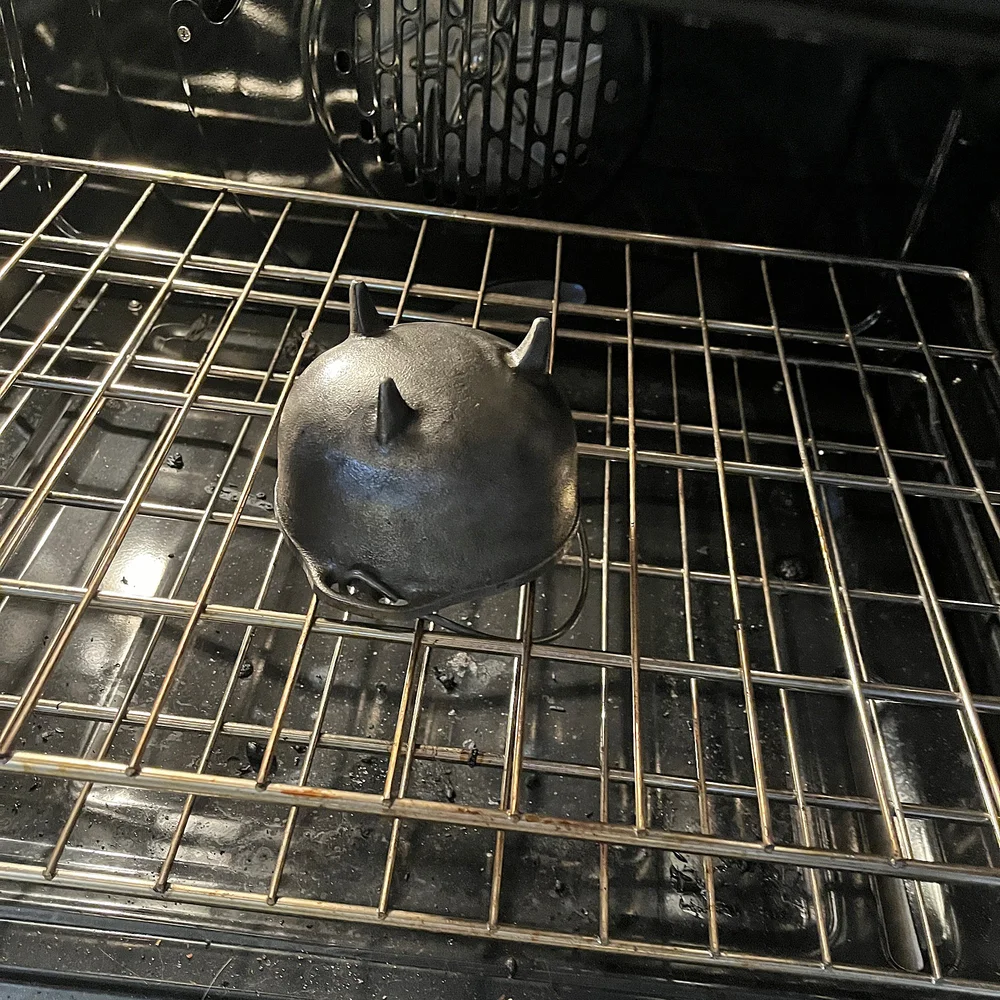
Apply a thin layer of cooking oil over the entire surface. Place the cookware upside down in a preheated oven at 375°F (190°C) for one hour.
- Use oils with high smoke points like flaxseed or vegetable oil
- Let the cookware cool completely in the oven
- Repeat seasoning if needed for better results
Credit: www.greenwitchvintage.com
Troubleshooting Common Issues
Seasoning cast iron cookware keeps it non-stick and rust-free. Sometimes, problems can happen during seasoning. Knowing how to fix these issues saves your pan.
Read about common problems and easy ways to fix them. This helps your cookware last longer and cook better.
Sticky Or Gummy Surface
A sticky or gummy surface means the oil was not heated enough or too much oil was used. This causes a soft, tacky layer instead of a hard, smooth one.
- Use a thin layer of oil when seasoning.
- Heat the pan at a high temperature (about 450°F or 230°C) for at least one hour.
- Let the pan cool in the oven before wiping off extra oil.
- If sticky, scrub with hot water and a stiff brush, then dry and reseason.
Rust Spots
Rust spots appear when moisture stays on the pan or the seasoning wears off. Rust can damage the surface and affect cooking.
| Cause | Fix |
| Not dried properly after washing | Dry pan immediately with a towel or on low heat |
| Left in damp place | Store in a dry area and use pan covers |
| Worn seasoning layer | Remove rust with steel wool, then reseason pan |
Uneven Seasoning
Uneven seasoning looks patchy or blotchy. It happens when oil is not spread well or the pan is not heated evenly.
Tips for even seasoning:
- Clean the pan well before seasoning.
- Apply oil in a thin, even coat all over the surface.
- Heat the pan in the oven placed in the center rack.
- Turn the pan halfway through heating for even coverage.
- Repeat seasoning layers as needed for a smooth finish.
Credit: hopewellheightsblog.com
Frequently Asked Questions
How Often Should I Season Cast Iron Cookware?
Season cast iron cookware every 3-6 months. Frequent use may require more seasoning. Proper seasoning prevents rust and improves non-stick quality.
What Oil Is Best For Seasoning Cast Iron?
Use oils with high smoke points like flaxseed, vegetable, or canola oil. They create a durable, non-stick surface when baked in the oven.
Can I Season Cast Iron Cookware In A Regular Kitchen Oven?
Yes, a regular kitchen oven works perfectly. Heat the oven to 450-500°F, apply oil, and bake your cast iron for an hour.
How Long Does It Take To Season Cast Iron Cookware?
Seasoning cast iron in the oven typically takes about one hour. Allow the cookware to cool inside the oven before use.
Conclusion
Seasoning cast iron in the oven protects and enhances cookware. Regular maintenance keeps it in top shape. It prevents rust and adds flavor to your dishes. Use a thin oil layer for the best results. Heat the oven to the right temperature.
Let your cookware cool down after seasoning. Repeat the process as needed for longevity. Enjoy better cooking with your seasoned cast iron. Happy cooking and delicious meals await!