How to Season a Baking Pan? If you love baking, you know how frustrating it can be when your cakes or cookies stick to the pan. Seasoning your baking pan is a simple trick that can save your favorite treats and make cleanup easier.
But how exactly do you do it? You’ll learn step-by-step how to season your baking pan so your baked goods come out perfectly every time. By the end, you’ll wonder how you ever baked without this easy tip. Keep reading to discover the secret to better baking!

Credit: www.reddit.com
Choosing The Right Pan
Picking the right baking pan is important before seasoning it. Different pans need different care.
Knowing your pan helps you keep it in good shape and bake better food.
Material Matters
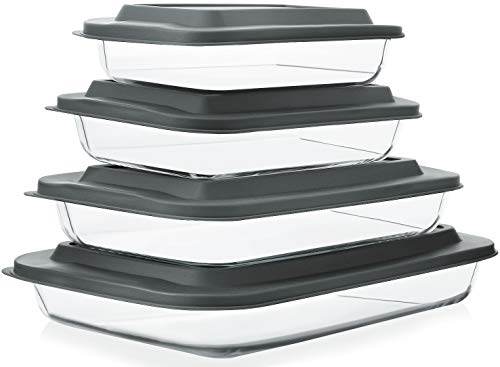
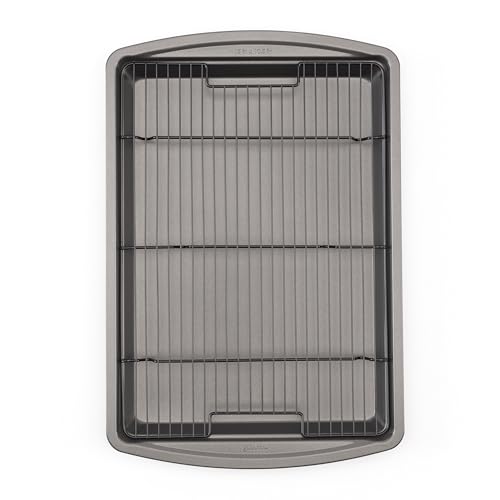
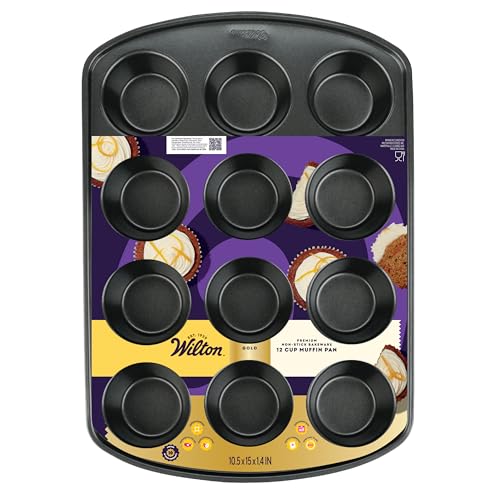
Baking pans come in many materials like metal, glass, and silicone. Each material acts differently when heated.
Some materials need seasoning to stop food from sticking. Others do not need it at all.
- Cast iron pans need seasoning to create a non-stick surface.
- Carbon steel pans also require seasoning for best use.
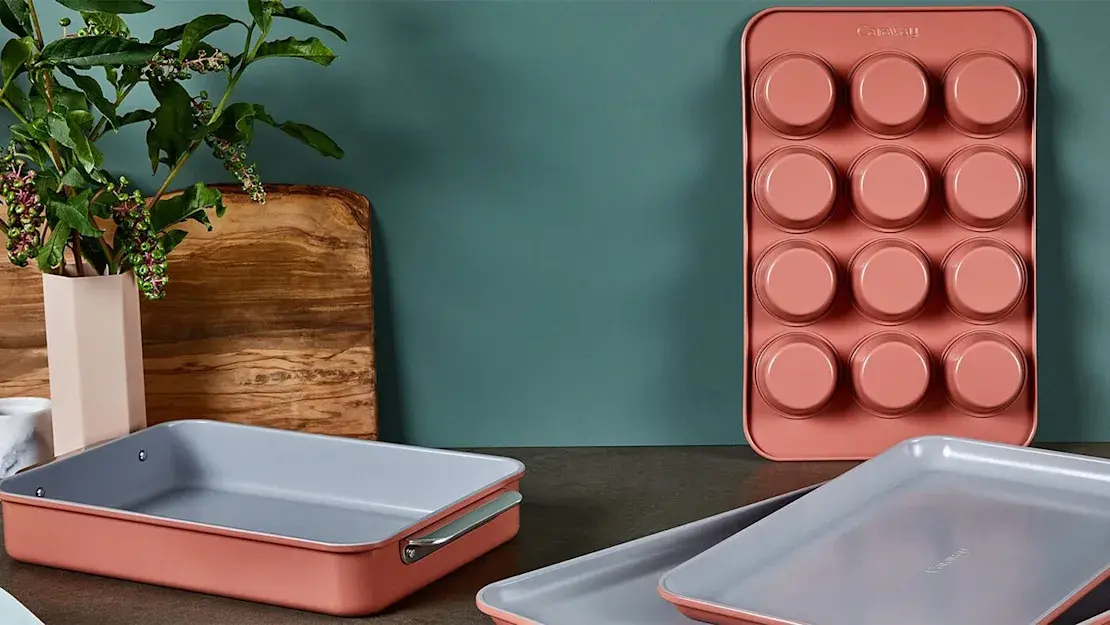
- Aluminum pans often have a non-stick coating and do not need seasoning.
- Glass and silicone pans do not require seasoning.
New Vs. Used Pans
New pans may have factory coatings or oils that you should remove before seasoning. Used pans might need re-seasoning if the coating wears off.
Check your pan’s surface. If it looks dry or rusty, seasoning can help protect it and improve cooking.
- New cast iron pans often come pre-seasoned but benefit from extra seasoning.
- Used pans may need cleaning and stripping old seasoning before re-seasoning.
- Always clean pans well before starting to season.
Credit: www.carawayhome.com
Gathering Seasoning Supplies
Seasoning a baking pan helps make it non-stick. It also protects the pan from rust and damage.
To start, you need the right supplies. These include oils, fats, and some basic tools.
Essential Oils And Fats
Oils and fats create a thin layer on the pan. This layer stops food from sticking during baking.
Choose oils that can handle heat without burning. Fats should be solid at room temperature for better coating.
- Vegetable oil
- Canola oil
- Flaxseed oil
- Shortening
- Butter (unsalted)
- Lard
Tools You'll Need
Good tools help spread oil evenly. They also protect your hands from heat.
Prepare these items before seasoning your baking pan:
- Lint-free cloth or paper towels
- Pastry brush or silicone brush
- Oven mitts
- Baking sheet or aluminum foil
- Measuring spoons
- Clean, dry baking pan
Preparing The Pan
Seasoning a baking pan helps create a non-stick surface. Preparing the pan properly is the first step.
Proper cleaning and drying make sure the seasoning sticks well to the pan.
Cleaning Before Seasoning
Start by removing any dirt, dust, or factory oil from the pan. Use warm water and mild soap.
Scrub gently with a soft sponge or brush. Avoid harsh cleaners that can damage the surface.
- Wash the pan with warm water and mild soap
- Use a soft sponge or brush for cleaning
- Rinse thoroughly to remove all soap
- Do not use abrasive pads or strong chemicals
Drying Techniques
Dry the pan completely before seasoning. Water left on the surface can cause rust or uneven seasoning.
You can dry the pan with a clean cloth or let it air dry. Some prefer to warm the pan on the stove briefly.
- Wipe the pan with a clean, dry cloth
- Let the pan air dry fully
- Optionally, warm the pan on low heat for a few minutes
Applying The Seasoning
Seasoning your baking pan helps create a non-stick surface. It also protects the pan from rust and damage.
Proper application is important to make the seasoning last longer. Use the right techniques to cover and remove excess oil.
Coating Evenly
Spread a thin, even layer of oil over the entire surface. Cover the sides and bottom well to protect all areas.
- Use a paper towel or soft cloth to apply the oil.
- Rub gently to avoid thick spots.
- Make sure to reach all corners and edges.
- Choose oils with a high smoke point like vegetable or flaxseed oil.
Removing Excess
After coating, wipe off any extra oil. Thick layers can become sticky or uneven after baking.
| Reason | Effect of Excess Oil |
| Too much oil | Leaves sticky, uneven surface |
| Proper removal | Creates smooth, durable seasoning |
| Leftover pools | Can cause flaking or peeling |
Baking Process
Seasoning a baking pan helps create a non-stick surface. This process protects the pan and improves baking results.
Proper baking is key to form a strong seasoning layer. This guide explains the right oven temperature and time.
Optimal Oven Temperature
The ideal oven temperature for seasoning a baking pan is usually between 350°F and 400°F (175°C to 200°C). This heat helps oil bond to the pan’s surface.
Too low a temperature won’t set the oil properly. Too high may burn the oil, causing uneven coating.
- Set oven to 375°F (190°C) for best results
- Avoid temperatures above 400°F (200°C)
- Preheat oven fully before placing pan inside
Duration For Best Results
Bake the pan for at least one hour to build a good seasoning layer. This allows oil to polymerize and harden.
After baking, let the pan cool in the oven. Cooling helps the seasoning set evenly and last longer.
- Bake pan for 60 minutes at the right temperature
- Turn off oven and let pan cool inside for 1-2 hours
- Repeat seasoning for stronger coating if needed
Cooling And Storing
After seasoning your baking pan, it needs time to cool down safely. Proper cooling keeps the seasoning strong. Storing the pan correctly helps it last longer.
Knowing how to cool and store your pan protects it from damage and rust. This guide shows easy steps to follow.
Cooling Safely
Let the baking pan cool at room temperature. Avoid putting it in cold water or the fridge. Sudden temperature changes can cause the pan to warp or crack.
Place the pan on a heat-safe surface. Keep it away from drafts or cold air vents. Give it at least 30 minutes to cool fully before storing.
- Do not use water to cool the pan immediately
- Use a wooden or silicone trivet to rest the pan
- Keep the pan in a dry area while cooling
Proper Storage Tips
Store the seasoned pan in a dry place. Moisture can cause rust and damage the seasoning layer. Avoid stacking heavy items on top of the pan.
Use a paper towel or cloth between pans if you must stack them. This protects the seasoning from scratching. Keep the pan in a cabinet or shelf away from humidity.
- Keep the pan dry and clean before storing
- Use liners to prevent scratches between pans
- Store in a cool, dry cupboard or shelf
- Check the pan regularly for rust or damage
Maintaining Seasoned Pans
Seasoned pans need care to keep their non-stick surface. Proper maintenance helps them last longer.
Follow simple steps to clean and re-season your pans. This keeps them ready for your next bake.
Cleaning After Use
Clean your seasoned pan gently after each use. Avoid harsh soaps and scrubbing tools.
Use warm water and a soft sponge to remove food. Dry the pan well to stop rust.
- Do not soak the pan for a long time
- Skip dishwasher cleaning
- Remove stuck food with a wooden or plastic scraper
- Dry the pan completely with a towel or heat
Re-seasoning When Needed
Re-season your pan if food starts to stick or the surface looks dull. This restores the protective layer.
Apply a thin coat of oil and heat the pan to create a new seasoning layer.
- Clean the pan well before re-seasoning
- Use a high-smoke point oil like vegetable or flaxseed oil
- Coat the pan thinly and evenly
- Bake the pan upside down at 350°F (175°C) for one hour
- Let it cool inside the oven
Credit: www.carawayhome.com
Troubleshooting Common Issues
Seasoning a baking pan helps keep food from sticking and protects the pan. Sometimes, problems happen during seasoning. Fixing these issues makes your pan last longer.
Two common problems are sticky surfaces and uneven coating. Learn what causes these and how to solve them.
Sticky Surfaces
Sticky surfaces mean the pan is not properly seasoned. Food will stick, making cleaning hard. This can happen if oil builds up or the pan is not heated enough.
- Use a thin layer of oil to avoid buildup.
- Heat the pan in the oven at the right temperature for the right time.
- Remove any extra oil before heating.
- Clean the pan gently after use; avoid soap or harsh scrubbers.
- Repeat seasoning if stickiness continues.
Uneven Coating
Uneven coating happens when oil spreads in thick or thin spots. It can cause parts of the pan to stick or burn. This problem changes how well food cooks.
| Cause | Effect | Fix |
| Too much oil | Sticky, uneven patches | Apply a very thin layer of oil |
| Not heating evenly | Patchy seasoning | Place pan in center of oven |
| Skipping cleaning | Old oil builds up | Clean gently before reseasoning |
| Using wrong oil | Bad coating, sticky spots | Use oils with high smoke point |
Frequently Asked Questions
How Do You Season A Baking Pan Properly?
To season a baking pan, clean it thoroughly and dry. Apply a thin layer of oil evenly. Bake it in a preheated oven at 350°F for 1 hour. Let it cool completely before use. This process creates a non-stick surface and prevents rust.
Why Is Seasoning A Baking Pan Important?
Seasoning protects the pan from rust and improves non-stick properties. It helps baked goods release easily and extends the pan’s lifespan. Proper seasoning creates a natural, durable coating that enhances cooking results and reduces the need for extra oil or spray.
How Often Should I Season My Baking Pan?
Season your baking pan after every few uses or when food starts sticking. Regular seasoning maintains the protective coating and prevents rust. If the pan looks dull or uneven, it’s time to re-season for optimal performance and longevity.
Can I Use Any Oil To Season A Baking Pan?
Use oils with high smoke points like vegetable, canola, or flaxseed oil. Avoid butter or olive oil as they can burn and create sticky residue. Choosing the right oil ensures a durable, non-stick seasoning layer on your baking pan.
Conclusion
Seasoning a baking pan makes cooking easier. It prevents sticking, ensures even cooking. Remember, clean and dry your pan first. Apply oil lightly and evenly. Bake it to seal the coating. This simple process saves time. It also extends the pan's life.
Seasoning enhances flavors and improves results. Regular maintenance keeps your pan in top shape. Enjoy baking with less hassle. Happy cooking!