Your bamboo cutting board is a kitchen hero, but keeping it clean and safe is key to protecting your family’s health. You might wonder how to properly sanitize it without damaging the wood.
If you’ve ever worried about bacteria lurking in those grooves, this guide is made for you. By following simple, effective steps, you can keep your bamboo board fresh and long-lasting. Ready to learn the best way to sanitize your bamboo cutting board and make your kitchen safer?
Let’s dive in.
Why Sanitize Bamboo Boards
Bamboo cutting boards are popular in many kitchens. They are strong and eco-friendly. But cleaning them well is very important.
Sanitizing bamboo boards helps keep food safe. It stops germs from spreading. This guide explains why sanitizing is needed.
Bamboo Vs Other Materials
Bamboo is different from plastic, glass, or wood boards. It is harder and less likely to absorb water. This helps reduce bacteria growth.
- Bamboo is less porous than soft wood.
- Plastic boards can get deep cuts that hold germs.
- Glass boards do not absorb moisture but can dull knives.
- Bamboo is renewable and resists odors better than plastic.
Risks Of Unsanitized Boards
Not sanitizing bamboo boards can cause health problems. Harmful bacteria can grow on food residues and cuts.
| Risk | Description |
| Cross-contamination | Bacteria spreads between raw and cooked foods. |
| Foodborne illness | Eating food with germs can cause sickness. |
| Bad odors | Leftover food can cause smells and stains. |
| Board damage | Bacteria can weaken bamboo fibers over time. |
Daily Cleaning Tips
Keeping your bamboo cutting board clean every day helps it last longer. Proper daily care stops bacteria from growing on the surface.
Use simple cleaning steps after each use. This keeps your board safe and ready for your next meal.
Soap And Water Method
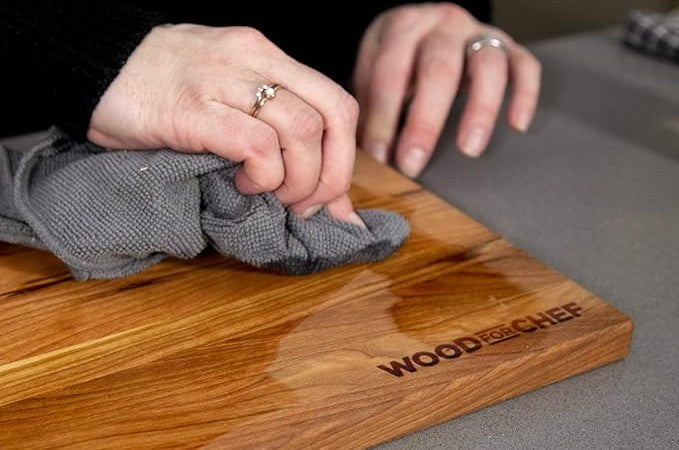
Wash your bamboo cutting board with warm water and mild soap. Use a soft sponge to scrub the surface gently.
Rinse the board well to remove all soap. Avoid soaking the board in water to prevent warping or cracking.
- Use warm water with gentle dish soap
- Scrub with a soft sponge or cloth
- Rinse thoroughly to remove soap
- Do not soak or submerge the board
Drying Properly
Dry your bamboo cutting board right after washing. Use a clean towel to remove extra water from all sides.
Stand the board upright or lean it against a wall to air dry completely. This stops moisture from causing mold or damage.
- Wipe with a dry, clean towel
- Place the board upright to dry
- Keep it in a well-ventilated area
- Avoid leaving it flat and wet
Deep Sanitizing Methods
Bamboo cutting boards need regular deep cleaning to stay safe. Dirt and germs can hide in tiny cracks.
Using natural solutions helps kill bacteria without damaging the board. Here are three easy ways.
Vinegar Solution
White vinegar is a natural sanitizer that kills many germs. It is safe for bamboo and easy to use.
Spray or wipe the board with full-strength white vinegar. Let it sit for a few minutes before rinsing.
- Use 100% white vinegar
- Apply evenly on the surface
- Leave for 5 to 10 minutes
- Rinse with warm water
- Dry completely before storage
Hydrogen Peroxide Use
Hydrogen peroxide kills bacteria and viruses on contact. It works well on bamboo cutting boards.
Pour 3% hydrogen peroxide onto the board. Spread it with a clean cloth and wait 10 minutes. Rinse and dry.
- Use 3% hydrogen peroxide only
- Cover entire board surface
- Let it sit for 10 minutes
- Rinse with warm water
- Dry thoroughly before use
Lemon And Salt Scrub
Lemon juice is natural acid that kills germs and removes stains. Salt acts as a scrub to clean deep cracks.
Sprinkle salt on the board. Cut a lemon in half and scrub the surface well. Let sit 5 minutes, then rinse.
- Sprinkle coarse salt on the board
- Use half a lemon to scrub thoroughly
- Focus on stained or cracked areas
- Wait 5 minutes before rinsing
- Dry the board completely

Credit: www.youtube.com
Avoiding Damage During Cleaning
Cleaning bamboo cutting boards needs care to keep them strong and safe. Using the wrong methods can cause cracks and stains. Follow simple tips to keep your board in good shape.
Avoid harsh chemicals and rough scrubbing. These can harm the bamboo and shorten the board's life. Learn what to avoid and how to fix common problems.
What Not To Use
Some cleaning products and tools can damage bamboo cutting boards. Avoid these to keep your board safe and clean:
- Do not use bleach or strong chemicals that dry out the bamboo.
- Avoid soaking the board in water for a long time.
- Never use a dishwasher; the heat and water can cause cracking.
- Stay away from harsh scrubbing pads that scratch the surface.
- Do not use oil-based soaps that leave residue on the board.
Handling Cracks And Stains
Cracks and stains can appear if the board is not cared for properly. Here are ways to treat and prevent these issues:
| Problem | Cause | Fix |
| Cracks | Drying out or rough use | Apply mineral oil and avoid soaking |
| Stains | Food spills left too long | Use lemon juice and salt to scrub gently |
| Odors | Food residue trapped in cracks | Rub with baking soda paste and rinse |
Maintaining Bamboo Boards
Keeping your bamboo cutting board clean and well cared for helps it last longer. Proper maintenance prevents cracks and warping.
Two key areas to focus on are oiling the board and storing it correctly after use.
Oiling Schedule
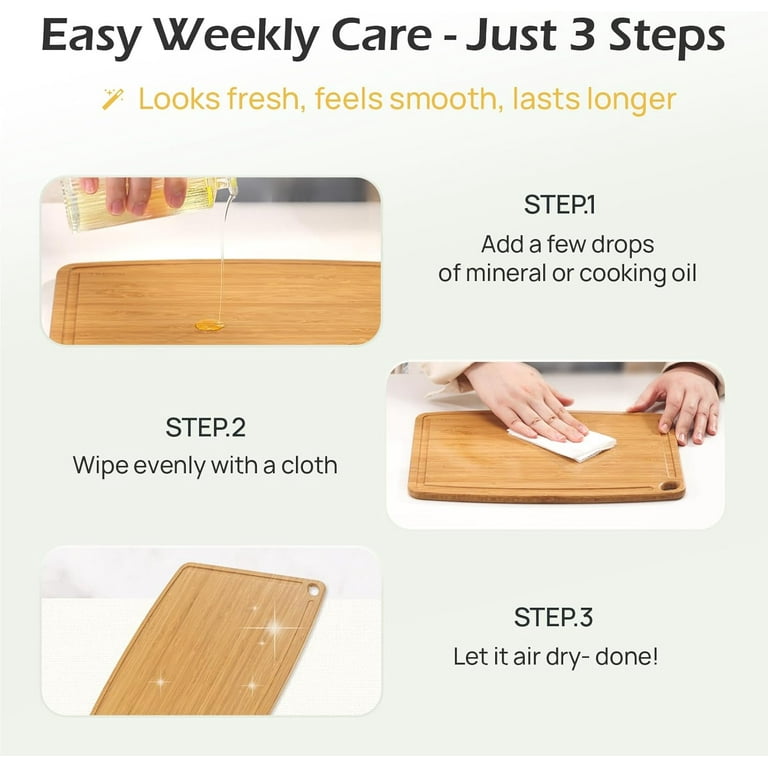
Oiling your bamboo board keeps it from drying out and cracking. Use food-safe mineral oil or bamboo board oil for best results.
- Clean the board thoroughly and dry it completely before oiling.
- Apply a generous amount of oil evenly over the surface.
- Let the oil soak in for at least two hours or overnight.
- Wipe off any excess oil with a clean cloth.
- Repeat this process once every month or when the board looks dry.
Storage Tips
How you store your bamboo board affects its condition. Avoid places with high humidity or direct sunlight.
| Storage Condition | Effect on Bamboo Board |
| Dry, cool place | Prevents warping and mold growth |
| Direct sunlight | Causes cracking and fading |
| Stacked under heavy items | Leads to dents and uneven surface |
| Upright position with air flow | Keeps board dry and flat |
Credit: www.walmart.com
Signs To Replace Your Board
A bamboo cutting board can last a long time with good care.
But some signs show it is time to get a new one.
Wear And Tear Indicators
Look for cracks, deep grooves, or splits on the board surface.
- Cracks can harbor bacteria and are hard to clean.
- Deep grooves trap food particles and moisture.
- Splits weaken the board and may cause it to break.
- Warping or bending affects stability during cutting.
Health Concerns
If the board smells bad or stains do not wash off, replace it.
| Problem | Health Risk |
|---|---|
| Persistent odors | Indicate bacteria or mold growth |
| Stains from raw meat or vegetables | May carry harmful germs |
| Soft or spongy areas | Show wood decay and bacteria buildup |

Credit: miti-life.com
Frequently Asked Questions
How Often Should I Sanitize A Bamboo Cutting Board?
Sanitize your bamboo cutting board after every use. This prevents bacteria buildup and keeps it hygienic. Regular cleaning also prolongs the board’s lifespan.
What Is The Best Sanitizer For Bamboo Cutting Boards?
Use a mixture of white vinegar and water or diluted hydrogen peroxide. Both are natural, safe, and effective at killing germs on bamboo surfaces.
Can I Use Bleach To Sanitize Bamboo Cutting Boards?
Bleach is not recommended for bamboo boards. It can damage the wood fibers and leave harmful residues. Opt for natural sanitizers instead.
How Do I Prevent Bamboo Boards From Cracking After Sanitizing?
Avoid soaking the board in water. Dry it immediately after sanitizing. Regular oiling with food-safe mineral oil helps maintain moisture and prevent cracks.
Conclusion
Cleaning your bamboo cutting board is simple. Use mild soap and warm water. Dry it thoroughly after washing. This prevents bacteria growth. Avoid soaking it in water. That can damage the bamboo. Use vinegar or lemon juice for deeper cleaning.
These natural products kill germs. Apply mineral oil regularly. It keeps the board in good shape. Remember, a clean board keeps your food safe. So, take care of it. Enjoy your cooking with confidence. A sanitized board ensures healthy meals.
Keep practicing these steps for lasting results. Your kitchen will thank you.