Your cast iron skillet is a kitchen treasure, but over time, its seasoning can wear off, leaving your pan sticky or rusty. If you’ve noticed your skillet losing its smooth, non-stick surface, don’t worry—you can bring it back to life.
Restoring the seasoning on your cast iron skillet not only improves its cooking performance but also protects it from damage. You’ll discover simple, effective steps to renew your skillet’s seasoning so it cooks like new again. Keep reading to learn how to care for your cast iron the right way and enjoy perfectly cooked meals every time.

Credit: bitzngiggles.com
Signs Of Worn Seasoning
Cast iron skillets need a good seasoning layer to cook well. Over time, this layer can wear out. Knowing the signs helps you fix it early.
Look closely at your skillet for changes. These changes show your seasoning needs restoring.
Dull Or Rusty Surface
A healthy seasoning looks smooth and shiny. If the surface is dull or has rust spots, the seasoning is weak or gone. Rust means the iron is exposed and can get damaged.
Sticky Or Flaky Residue
Sticky or flaky layers on your skillet show uneven seasoning. Sticky spots feel tacky after cooking. Flaky pieces may peel off during use. Both signs mean the seasoning is breaking down.
- Sticky residue often happens if oil was applied too thick.
- Flaking may occur if the skillet was overheated.
- Both problems reduce the pan’s non-stick quality.
Food Sticking Issues
Food sticking to the pan is a clear sign the seasoning is poor. Well-seasoned cast iron should release food easily. If your food sticks, the protective layer is damaged or missing.
| Problem | Cause | Effect |
|---|---|---|
| Food Sticks | Worn seasoning layer | Hard to cook and clean |
| Rust Shows | Exposed iron | Pan can corrode |
| Flaky Surface | Overheating or thick oil | Uneven cooking |
Cleaning Before Restoration
Cleaning your cast iron skillet is the first step to restoring its seasoning. Proper cleaning removes rust and old layers of seasoning that can affect cooking.
Focus on gentle but thorough methods. This prepares the skillet for a fresh, even seasoning coat.
Removing Rust And Old Seasoning
Rust and old seasoning can build up on your skillet over time. To remove them, use a steel wool pad or a wire brush. Scrub the surface until the rust and flaking seasoning are gone.
- Use steel wool or a wire brush
- Scrub firmly but avoid deep scratches
- Rinse with warm water to check progress
- Repeat if rust remains
Using Soap And Scrubbing
Contrary to old beliefs, gentle soap use is okay for cleaning cast iron. Use mild dish soap with a soft sponge or brush. This removes grease and dirt without harming the pan.
| Cleaning Item | Purpose |
|---|---|
| Mild Dish Soap | Breaks down grease and dirt |
| Soft Sponge or Brush | Gently scrubs without damaging surface |
| Warm Water | Rinses away loosened residue |
Drying Techniques
Dry your skillet quickly to prevent new rust. Use a clean towel to wipe it dry. Then, warm it on the stove for a few minutes to remove any moisture.
- Wipe skillet with a clean, dry towel
- Heat on stove over low flame for 5 minutes
- Allow skillet to cool slightly before seasoning
Choosing The Right Oil
Restoring seasoning on a cast iron skillet needs the right oil choice. The oil must withstand high heat without burning.
Using the wrong oil can cause sticky or uneven seasoning. Pick oils with a high smoke point for the best results.
High Smoke Point Oils
Oils with high smoke points work well for seasoning. They can handle heat without breaking down or smoking too much.
- Avocado oil – smoke point about 520°F (271°C)
- Grapeseed oil – smoke point about 420°F (216°C)
- Refined safflower oil – smoke point about 510°F (266°C)
- Refined sunflower oil – smoke point about 450°F (232°C)
- Canola oil – smoke point about 400°F (204°C)
Commonly Recommended Oils
Some oils are popular for seasoning cast iron. They create a durable, non-stick surface after baking.
| Oil | Smoke Point | Notes |
| Flaxseed oil | 225°F (107°C) | Dries hard but has low smoke point |
| Vegetable oil | 400-450°F (204-232°C) | Easy to find and affordable |
| Crisco (shortening) | 360°F (182°C) | Solid at room temp, good for seasoning |
| Olive oil | 375°F (191°C) | Not ideal due to lower smoke point |
:max_bytes(150000):strip_icc()/faw-field-company-no-8-cast-iron-skillet-medium-10-25-inch-jennifer-zyman-10-bd8a731366984600b5a3c1495b307284.jpeg)
Credit: www.foodandwine.com
Seasoning Process Steps
Restoring seasoning on a cast iron skillet keeps it non-stick and rust-free. The process builds a protective layer on the skillet surface.
This guide explains key steps to restore seasoning properly and safely.
Applying Oil Evenly
Start with a clean, dry skillet. Use a small amount of cooking oil suitable for high heat.
Spread the oil over the entire surface, inside and out. Make sure to coat thinly and evenly to avoid sticky spots.
- Use a paper towel or cloth for even coverage
- Focus on the cooking surface and edges
- Remove extra oil to prevent pooling
Heating Methods
Heat the skillet to bond the oil to the metal. This creates the hard, protective layer called seasoning.
Use an oven or stovetop for heating. The temperature should be between 350°F and 450°F (175°C–230°C).
- Oven: Place skillet upside down on middle rack
- Stovetop: Heat over medium heat until oil smokes lightly
- Always use heat-safe gloves or mitts
Cooling And Repeating
Let the skillet cool completely before touching. Cooling helps the seasoning harden and bond well.
Repeat the oiling and heating process 2 to 3 times for best results. Multiple layers create a strong seasoning.
- Allow full cooling between layers
- Apply thin oil coats each time
- More layers improve durability and non-stick quality
Maintaining Seasoned Skillets
Cast iron skillets need care to keep their seasoning strong. Proper maintenance helps food cook better and prevents rust.
Follow simple steps to clean and oil your skillet after each use. This keeps the surface smooth and non-stick.
Proper Cleaning After Use
Clean your skillet while it is still warm but not hot. Use hot water and a soft brush or sponge to remove food bits.
Avoid soaking the skillet in water for long times. Dry it quickly with a towel or by heating it on the stove.
Avoiding Harsh Detergents
Harsh soaps and strong detergents can strip the seasoning from your skillet. Use little or no soap when cleaning.
Stick to gentle cleaning methods like hot water and scrubbing with a brush. This protects the skillet’s seasoning.
Regular Oiling Tips
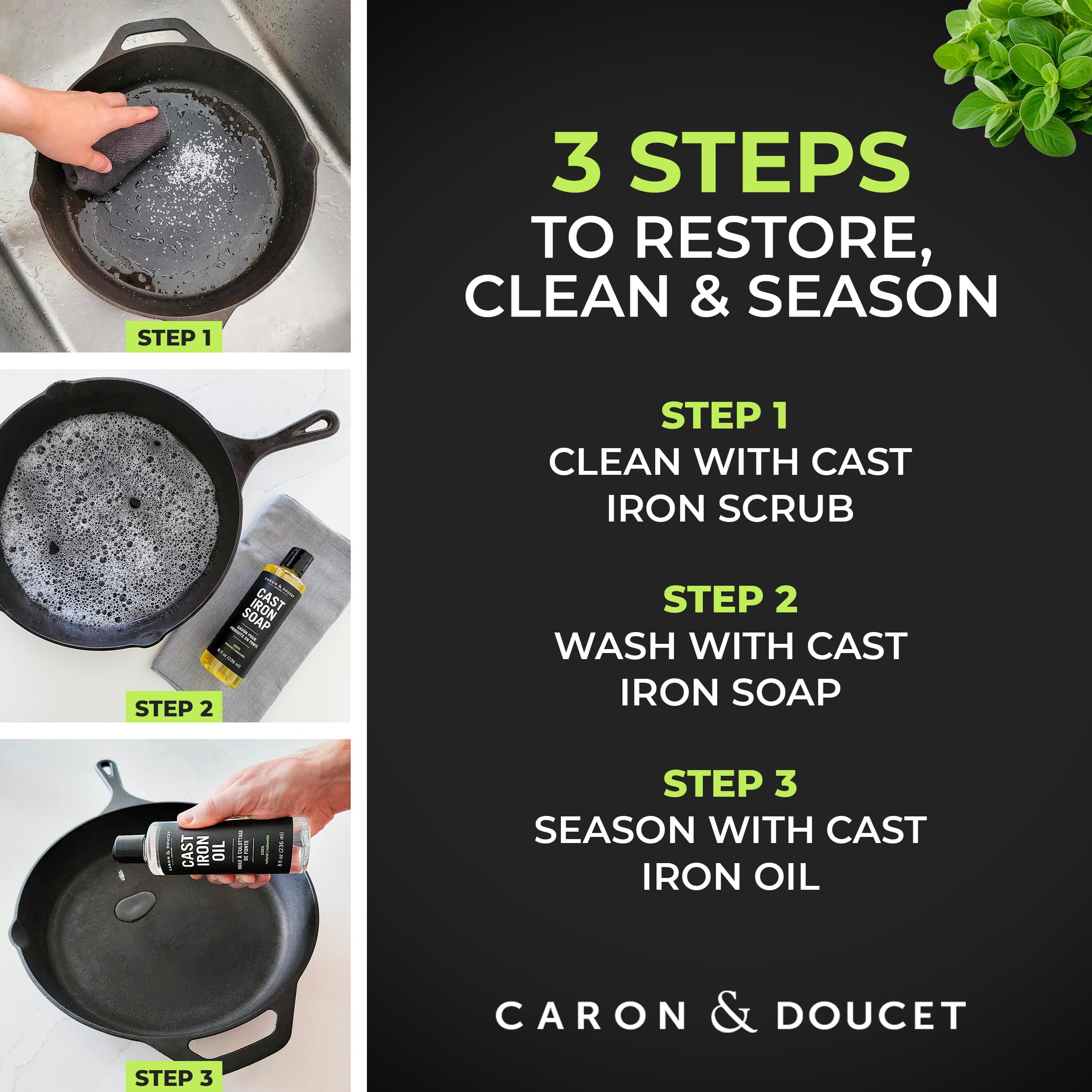
After cleaning and drying, apply a thin layer of cooking oil to the skillet’s surface. Use a cloth or paper towel to spread it evenly.
Heat the oiled skillet on the stove or in the oven for a few minutes. This helps the oil bond to the cast iron and keeps it seasoned.
- Use vegetable oil, flaxseed oil, or shortening
- Apply oil after every use for best results
- Wipe off extra oil to avoid sticky residue
Credit: www.amazon.ca
Troubleshooting Common Issues
Cast iron skillets need care to keep their seasoning in good shape. Sometimes problems happen with the coating or rust may appear. Fixing these issues helps your skillet last longer and cook better.
Below are common problems and easy ways to restore your cast iron seasoning. Follow these tips to keep your skillet smooth and ready for cooking.
Sticky Or Gummy Coating
A sticky or gummy surface means too much oil was used or the skillet was not heated enough during seasoning. This can make food stick and ruin the cooking experience.
- Clean the skillet with hot water and a scrub brush to remove sticky spots.
- Dry it completely with a towel or on low heat.
- Apply a thin layer of oil, wiping off any extra.
- Heat the skillet upside down in the oven at 450°F (230°C) for one hour.
- Let it cool in the oven before use.
Uneven Seasoning
Uneven seasoning shows as blotchy or dull spots on the skillet. This happens when oil is not spread evenly or the heating is uneven.
| Cause | Fix |
| Too much oil in one spot | Use a paper towel to spread oil thinly and evenly |
| Heating too low or uneven | Use an oven for steady heat and place skillet upside down |
| Not enough seasoning layers | Repeat thin oil coats and heating cycles 2-3 times |
Rust Prevention
Rust forms when moisture stays on the skillet. Preventing rust keeps the skillet safe to use and extends its life.
- Dry the skillet fully after washing. Use a towel or warm oven.
- Apply a thin coat of oil before storing.
- Store in a dry place with good air flow.
- Use it often to keep the seasoning active.
- If rust appears, scrub gently with steel wool, then reseason.
Frequently Asked Questions
How Often Should I Restore Seasoning On A Cast Iron Skillet?
Restoring seasoning depends on skillet use and care. Generally, restore when food sticks or skillet looks dull. Regular use and proper cleaning help maintain seasoning longer.
What Is The Best Oil For Seasoning Cast Iron?
Flaxseed oil, vegetable oil, and grapeseed oil are top choices. They create a durable, non-stick layer. Choose oils with high smoke points for best results.
Can I Restore Seasoning Without Stripping Old Layers?
Yes, light restoration can be done without stripping. Clean skillet thoroughly, then apply a thin oil layer and bake. For heavy damage, stripping may be necessary.
How Long Does It Take To Restore Cast Iron Seasoning?
Restoring seasoning usually takes 1-3 hours. This includes cleaning, oiling, and baking time. Multiple thin layers give best results, so patience is key.
Conclusion
Restoring seasoning on a cast iron skillet is simple and rewarding. A well-seasoned skillet cooks food evenly and prevents sticking. Regular maintenance keeps your skillet in top shape. Clean it with warm water and a soft brush. Dry thoroughly to prevent rust.
Apply a thin layer of oil to maintain its shine. Heat it slightly to seal in the oil. Repeat as needed for best results. With care, your skillet will last a lifetime. Enjoy cooking with your restored cast iron skillet!