Have you noticed rust creeping onto your favorite cast iron skillet? It can be frustrating to see your trusted cookware lose its shine and non-stick surface.
But don’t worry—your cast iron is far from ruined. With the right steps, you can bring it back to life and enjoy cooking with it again. In this guide, you’ll learn exactly how to reseason your cast iron after rust, restoring its strength and making it ready for your next meal.
Keep reading, and you’ll discover simple, effective tips that anyone can follow. Your cast iron deserves a second chance—and you’re just a few steps away from making it happen.

Credit: www.reddit.com
Identifying Rust On Cast Iron
Rust can damage your cast iron cookware if not treated. It is important to spot rust early. This helps keep your pan safe and lasts longer.
Recognizing rust is the first step to fixing your cast iron. Let’s look at how to find rust and check its level.
Common Signs Of Rust
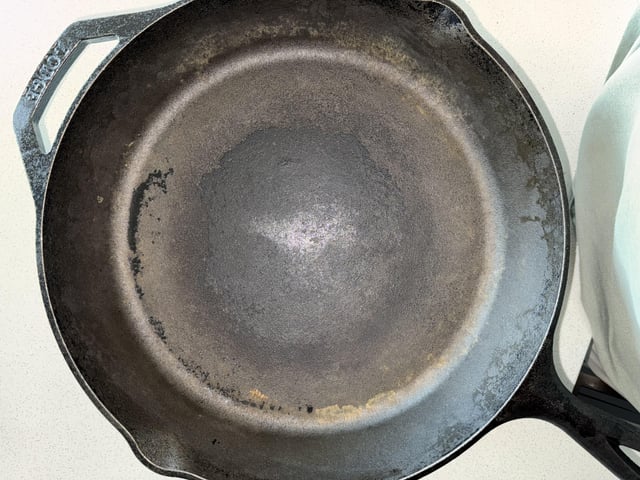
Rust looks like rough, reddish-brown spots on the cast iron surface. It may feel flaky or dusty. The pan will lose its smooth black finish.
You may notice the rust in places where the pan was wet or not dried well. It can appear inside or outside the cookware.
- Rough texture or flakes on the surface
- Reddish-brown or orange patches
- Dull or faded black color
- Spots that feel gritty or powdery
- Rust often appears around edges or handles
Assessing The Damage Level
Check how deep the rust is to decide how to clean it. Light rust is easy to remove. Heavy rust may need more work.
Look for pitting or holes. These show serious damage. If the rust only covers the surface, the pan is still usable.
- Light rust:Small spots, no deep damage
- Moderate rust:Larger patches, some roughness
- Heavy rust:Deep pits, flakes, or holes
- Severe rust:Structural damage, may need replacement
Preparing Your Workspace
Reseasoning cast iron after rust needs a clean and organized workspace. Preparing your area helps you work safely and efficiently.
Take time to set up everything before you start. This prevents mistakes and keeps your tools close at hand.
Gathering Necessary Tools
Collect all tools and materials before reseasoning. Having them ready saves time and keeps your workspace tidy.
- Steel wool or wire brush for scrubbing rust
- Dish soap and warm water for cleaning
- Dry cloths or paper towels
- Vegetable oil or flaxseed oil for seasoning
- Aluminum foil or baking sheet for the oven
- Oven mitts for safety
Setting Up A Safe Area
Work in a well-ventilated area. Oils and heat can create fumes, so fresh air is important.
| Safety Tip | Why It Matters |
|---|---|
| Use heat-resistant gloves | Protects hands from burns |
| Keep flammable items away | Prevents fire hazards |
| Clear the workspace | Reduces risk of accidents |
| Have a fire extinguisher nearby | Ready for emergencies |
Removing Rust Effectively
Rust on cast iron pans can ruin their surface and cooking quality. Removing rust is key before reseasoning your cookware. Proper cleaning brings back a smooth, safe surface.
This guide covers ways to remove rust using vinegar, scrubbing, and other methods. Each technique helps prepare your cast iron for a new seasoning layer.
Using Vinegar Soak
Vinegar dissolves rust gently and works well on heavy rust spots. Soak your cast iron in a vinegar solution for a few hours to loosen rust.
- Mix equal parts white vinegar and water in a container.
- Submerge the rusty cast iron fully in the solution.
- Let it soak for 1 to 6 hours, checking every hour.
- Remove the pan before the metal starts to dissolve.
- Rinse with water and dry thoroughly.
Scrubbing Techniques
After soaking, use scrubbing tools to remove the loosened rust. Scrubbing restores the pan’s surface and clears any remaining rust particles.
- Use a stiff nylon brush or steel wool for tough rust.
- Scrub in circular motions focusing on rusty spots.
- Rinse the pan often to check progress.
- For light rust, a scrub pad or coarse sponge may work.
- Dry the pan quickly to stop new rust from forming.
Alternative Rust Removal Methods
| Method | Description | Best For |
|---|---|---|
| Baking Soda Paste | Mix baking soda with water to form a paste. Apply and scrub. | Light to moderate rust |
| Lemon Juice | Use lemon juice to naturally break down rust. Soak or apply paste. | Small rust spots |
| Chemical Rust Removers | Use commercial rust removers carefully as per instructions. | Heavy rust, experienced users only |
:max_bytes(150000):strip_icc()/faw-field-company-no-8-cast-iron-skillet-medium-10-25-inch-jennifer-zyman-10-bd8a731366984600b5a3c1495b307284.jpeg)
Credit: www.foodandwine.com
Cleaning After Rust Removal
After removing rust from your cast iron pan, cleaning it properly is key. This step prepares the surface for reseasoning. Proper cleaning removes any leftover rust and debris.
Focus on washing and drying carefully. These actions help protect your pan and keep it rust-free longer.
Washing And Drying
Use warm water and a mild scrub brush to wash the cast iron. Avoid soap or harsh detergents as they can strip seasoning. Rinse thoroughly to remove all rust particles.
- Use warm water only
- Scrub gently with a brush or sponge
- Do not use soap or harsh chemicals
- Rinse well to remove all residues
Dry the pan immediately after washing. Use a clean towel to wipe off water. This helps prevent new rust from forming.
Ensuring Complete Moisture Removal
Cast iron must be fully dry before reseasoning. Any moisture left can cause rust to return. Heat the pan on low stove heat for several minutes.
| Drying Method | Details |
|---|---|
| Wiping | Use a dry cloth to remove surface water |
| Heat Drying | Place pan on low heat for 5-10 minutes |
| Air Drying | Allow to air dry completely before seasoning |
Applying Seasoning To Cast Iron
Reseasoning cast iron after rust is important to protect it and keep it cooking well. Applying the right seasoning helps create a non-stick surface and stops rust from coming back.
This guide focuses on how to apply seasoning properly. It covers choosing the right oil and coating the surface evenly for best results.
Choosing The Right Oil
Picking the right oil is key for good seasoning. Some oils create a stronger, more durable layer on the cast iron.
- Flaxseed oil: Dries quickly and forms a hard layer.
- Canola oil: Common and affordable with good results.
- Vegetable oil: Easy to find and works well.
- Grapeseed oil: High smoke point and light flavor.
- Avocado oil: High smoke point but can be expensive.
Coating The Surface Evenly
Even coating is important to avoid sticky or uneven spots. Use a thin layer of oil to cover the whole surface.
| Tip | How to Do It |
| Use a cloth or paper towel | Apply a small amount of oil and spread thinly |
| Cover all parts | Include inside, outside, and handle |
| Remove excess oil | Wipe off extra to prevent stickiness |
| Heat after coating | Bake in oven at 450°F for 1 hour |

Credit: troop279.us
Baking For Seasoning
Baking is an important step to reseason cast iron after rust. It helps create a strong, protective layer on the pan.
This process locks in the oil and protects the cast iron from future rust and damage.
Optimal Oven Temperature
Set your oven temperature between 400°F and 450°F. This range is hot enough to bond the oil to the pan surface.
Temperatures below 400°F may not season well. Above 450°F can cause the oil to smoke or burn.
- 400°F to 450°F is best for seasoning
- Do not go below 400°F
- Avoid going above 450°F to prevent burning
Recommended Baking Duration
Bake your cast iron for 1 hour to build a strong seasoning layer. This time lets the oil fully polymerize on the surface.
After baking, let the pan cool in the oven. This helps the seasoning set evenly and last longer.
- Bake for 60 minutes at the right temperature
- Allow cooling inside the oven
- Repeat if needed for a thicker layer
Maintaining Seasoned Cast Iron
Cast iron cookware needs care to keep its non-stick surface. Reseasoning after rust is key. Proper maintenance stops rust from returning and keeps your pan ready to use.
Simple cleaning and storage habits help keep your cast iron in great shape. Let’s look at how to clean and protect your pan every day.
Regular Cleaning Tips
Clean your cast iron right after use. Avoid soap or harsh scrubbers that can damage the seasoning. Warm water and a soft brush usually work well.
Dry the pan completely to stop rust. You can warm it on the stove to remove any water. Apply a thin layer of oil after drying to keep the surface smooth.
- Use warm water and a soft brush or sponge
- Skip soap or use very mild soap if needed
- Dry thoroughly, heat on stove to remove moisture
- Rub a small amount of cooking oil over the surface
- Store in a dry place with good air flow
Preventing Future Rust
Rust forms when cast iron stays wet or dirty. Always dry your pan well. Keep the seasoning strong by regularly adding oil after use.
Store your cast iron in a dry spot. Avoid stacking wet cookware on top of it. If you see rust spots, clean and reseason the pan quickly to protect it.
- Dry cast iron completely after each use
- Apply a thin coat of oil to protect the surface
- Store in a dry, ventilated area
- Do not leave food or water in the pan
- Fix rust spots by cleaning and reseasoning fast
Frequently Asked Questions
How Do I Remove Rust From Cast Iron Cookware?
To remove rust, scrub the cast iron with steel wool or a stiff brush. Use mild soap and warm water. Rinse and dry thoroughly before reseasoning to prevent further rusting.
What Is The Best Oil For Reseasoning Cast Iron?
Flaxseed oil, grapeseed oil, and vegetable oil are popular choices. These oils create a durable, non-stick seasoning layer when baked onto the cast iron surface.
How Long Should I Bake Cast Iron During Reseasoning?
Bake the cast iron at 450°F (232°C) for one hour. This temperature helps polymerize the oil, forming a strong seasoning coat. Let it cool in the oven before use.
Can I Reseason Cast Iron Without Removing Rust First?
No, removing rust is essential before reseasoning. Rust prevents the seasoning from adhering properly. Clean off all rust to ensure a smooth, non-stick surface.
Conclusion
Restoring your cast iron is simple and rewarding. Rust can happen, but it's fixable. Clean the pan thoroughly. Dry it completely to prevent more rust. Apply a thin layer of oil evenly. Heat it to seal the seasoning. This process protects and enhances the pan's surface.
Regular maintenance keeps your cast iron in top shape. Enjoy cooking with it for years to come. A well-seasoned pan adds flavor to meals. Happy cooking and keep your cast iron ready for delicious dishes!