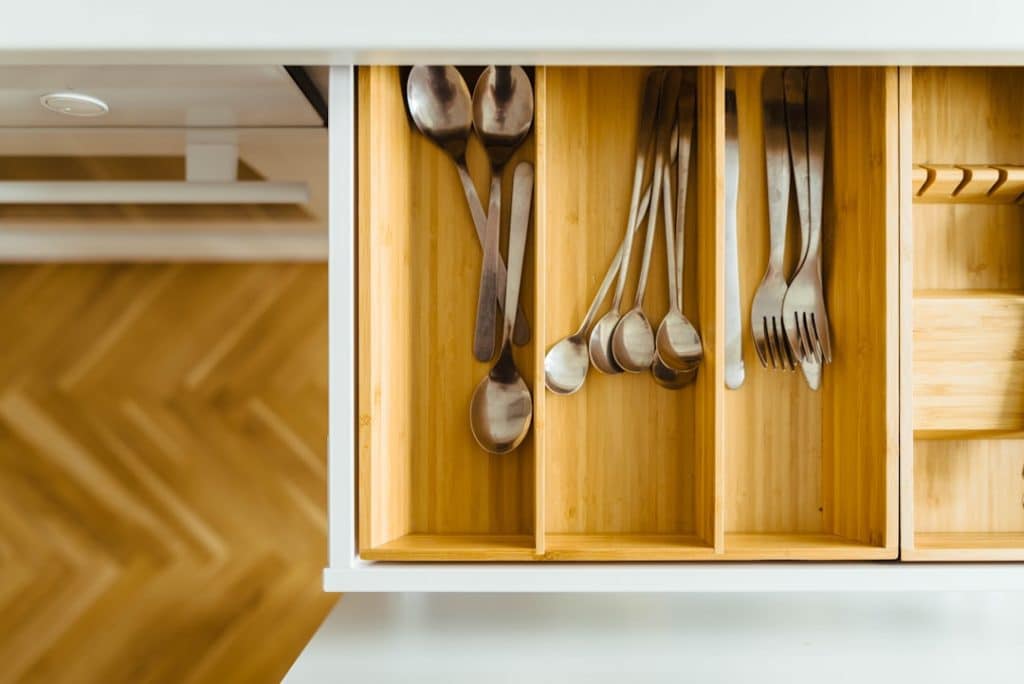
Replacing a kitchen drawer might sound like a daunting task, but it’s simpler than you think. Imagine the satisfaction of fixing that wobbly or stuck drawer by yourself.
You might be surprised to learn that with a few easy steps, you can have your kitchen looking and functioning like new. It’s all about knowing the right tricks and having the right tools at your disposal. In this guide, you’ll discover how to replace a kitchen drawer effortlessly, saving you both time and money.
Let’s dive in and transform your kitchen into the organized and efficient space you’ve always wanted. Keep reading to find out just how easy it can be to tackle this DIY project yourself!
Tools And Materials Needed
Replacing a kitchen drawer requires specific tools and materials. Having the right items makes the job easier and safer.
This guide lists what you need before you start the replacement process.
Basic Tools
You will need common tools to remove the old drawer and install the new one properly.
- Screwdriver (Phillips and flathead)
- Measuring tape
- Hammer
- Drill with drill bits
- Level
- Pencil
Materials For Replacement
Select the right materials to ensure the new drawer fits well and works smoothly.
| Material | Purpose |
| New drawer box | Replacement part for the old drawer |
| Drawer slides | Allows the drawer to open and close smoothly |
| Screws | To fasten the drawer and slides securely |
| Wood glue (optional) | For extra strength on wooden parts |
Safety Equipment
Protect yourself by using safety items during the drawer replacement.
- Work gloves
- Safety glasses
- Dust mask
Removing The Old Drawer
Removing an old kitchen drawer is simple with the right steps. This process helps you replace or fix the drawer safely.
Follow the instructions below to take out the drawer without damage to the cabinet or the drawer parts.
Empty The Drawer
Start by taking everything out of the drawer. Remove all items to avoid spills or damage during removal.
- Clear the drawer completely
- Check for small items stuck inside
- Set the contents aside safely
Unscrew Drawer Components
Most drawers have screws holding the front panel or sides. Use a screwdriver to remove these carefully.
- Locate all screws on the drawer
- Use the correct screwdriver size
- Keep screws in a small container
- Gently remove panels if needed
Detach Drawer From Slides
Drawers often have slide mechanisms under or on the sides. Detach the drawer from these to free it completely.
| Slide Type | Detachment Method |
| Side-mounted slides | Press release lever and pull drawer out |
| Bottom-mounted slides | Lift drawer slightly and pull straight out |
| Wooden runners | Slide drawer out carefully with a slight tilt |
Measuring For The New Drawer
Replacing a kitchen drawer requires accurate measurements. This ensures the new drawer fits perfectly.
Take your time measuring the drawer space. It helps avoid mistakes and extra work later.
Measure Width And Height
Start by measuring the width of the drawer opening. Use a tape measure and record the exact width.
Next, measure the height of the drawer space from bottom to top. This tells you how tall your new drawer can be.
- Measure the inside width of the cabinet where the drawer sits
- Measure the height inside the drawer opening
- Write down both numbers carefully
Check Drawer Slide Type
Look at the drawer slides inside the cabinet. They can affect the size and fit of the new drawer.
There are two common slide types: side-mount and under-mount. Each needs different measurements.
- Side-mount slides attach to the drawer sides
- Under-mount slides attach under the drawer
- Measure the slide length to match the new drawer
Note Depth Requirements
Measure how deep the drawer space is from front to back. This tells you the drawer’s maximum depth.
Also, check if there are any obstacles like plumbing or wiring inside the cabinet.
- Measure inside cabinet depth accurately
- Subtract space needed for drawer slides
- Note any obstructions that limit drawer depth
Choosing A Replacement Drawer
Replacing a kitchen drawer needs careful thought. Picking the right drawer helps keep your kitchen looking good and working well.
Consider the drawer’s material, style, hardware, and cost. These details ensure the drawer fits perfectly in your space.
Select Material And Style
Choose a material that matches your kitchen cabinets. Wood is common and strong. MDF or plywood are budget-friendly options.
Look for a style that fits your kitchen’s design. Flat fronts work well for modern kitchens. Raised panels suit traditional ones.
- Solid wood offers durability and a natural look
- MDF is smooth and easy to paint
- Laminate drawers resist stains and scratches
- Match drawer front style with cabinet doors
- Simple designs fit modern kitchens
- Detailed designs fit classic kitchens
Match Hardware
Hardware includes handles, knobs, and slides. Pick hardware that fits your kitchen’s look and drawer size.
Check the size and type of your old hardware. Matching keeps your drawer easy to use and visually pleasing.
- Choose handles or knobs that match your cabinets
- Use soft-close slides for smooth operation
- Measure screw holes to fit old hardware
- Consider metal finishes like chrome, bronze, or nickel
Consider Budget And Quality
Set a budget before you shop. Quality affects how long the drawer lasts. Balance cost and durability.
Cheaper drawers may wear out faster. Investing a bit more can save money over time by avoiding replacements.
- High-quality wood drawers cost more but last longer
- Budget options include MDF or particleboard
- Check customer reviews for durability
- Factor in hardware cost separately
Installing The New Drawer
Installing a new kitchen drawer can improve your cabinet’s look. It also helps you organize better.
Follow simple steps to fit the drawer correctly. This ensures it works smoothly and fits well.
Attach Drawer Slides
Start by attaching the drawer slides to the sides of the new drawer. Use screws that come with the slides.
Make sure the slides are straight and aligned with the drawer edges. This helps the drawer move easily later.
- Place the slides on the drawer sides evenly
- Use a screwdriver or drill to fix screws
- Check that slides are tight but not over-tightened
Position Drawer In Cabinet
Next, position the drawer inside the cabinet. Line up the slides on the drawer with the cabinet slides.
Push the drawer gently into the cabinet. Make sure the slides connect and the drawer sits straight.
- Hold the drawer level as you insert it
- Align the metal slides carefully
- Push in slowly to avoid damage
Test Smooth Operation
After installing, test the drawer’s movement. Open and close it several times to check for smoothness.
If the drawer sticks or feels tight, adjust the slides or screws. The drawer should glide easily without noise.
- Pull the drawer out fully
- Push it back slowly
- Listen for any rubbing or squeaking
- Tighten or loosen screws if needed

Credit: www.youtube.com
Finishing Touches
Replacing a kitchen drawer is almost done. The final steps ensure the drawer works well and looks neat. Pay close attention to these finishing touches for the best results.
Small adjustments and cleaning make a big difference. Follow the steps below to complete your kitchen drawer replacement.
Adjust Alignment
Check if the drawer slides smoothly without sticking. If it is uneven, adjust the position by loosening screws and moving the drawer slightly. Tighten screws again once aligned.
- Open and close the drawer several times.
- Look for gaps or uneven edges.
- Loosen mounting screws if needed.
- Shift the drawer left, right, up, or down.
- Retighten screws and test the fit again.
Secure Hardware
Make sure all handles, knobs, and slides are firmly in place. Loose hardware can cause damage or make the drawer hard to use.
| Hardware | Check | Action |
|---|---|---|
| Drawer Slides | Firm attachment | Tighten screws |
| Handles or Knobs | No wobbling | Tighten bolts |
| Screws | All present | Replace missing screws |
Clean Work Area
Remove dust, wood shavings, and tools from the drawer and surrounding area. A clean space keeps your kitchen neat and protects the drawer’s finish.
Use these tips to clean up:
- Wipe surfaces with a dry cloth.
- Vacuum or sweep the floor under the cabinet.
- Store tools and screws safely.
- Check the drawer for leftover debris.
Tips For Maintaining Kitchen Drawers
Kitchen drawers hold many tools and utensils. Keeping them in good shape helps your kitchen stay tidy.
Regular care can stop drawers from sticking or breaking. Follow simple tips to keep them working well.
Clean Drawers Regularly
Remove all items and wipe the inside with a damp cloth. Dry it fully before placing items back.
Check And Tighten Screws
Loose screws can cause drawers to wobble or fall out. Use a screwdriver to tighten them every few months.
Lubricate Drawer Slides
Apply a small amount of lubricant to metal or plastic slides. This helps drawers open smoothly and prevents wear.
- Use silicone spray or wax-based lubricant
- Wipe off excess to avoid dirt buildup
- Do this twice a year for best results
Avoid Overloading Drawers
Too much weight strains the slides and bottom board. Keep heavy items in cabinets or shelves instead.
Protect Drawer Surfaces
| Tip | Reason |
| Use liners or mats | Protects wood from scratches and spills |
| Clean spills quickly | Prevents stains and warping |
| Avoid harsh cleaners | Preserves finish and material |

Credit: www.familyhandyman.com
Credit: hanashappyhome.com
Frequently Asked Questions
How Do I Remove A Kitchen Drawer Safely?
To remove a kitchen drawer safely, first empty its contents. Locate and release the drawer stops or clips. Gently pull the drawer out while supporting its weight. Avoid forcing it to prevent damage to the slides or cabinet.
What Tools Are Needed To Replace A Kitchen Drawer?
You typically need a screwdriver, measuring tape, and possibly a drill. A hammer and wood glue can help with repairs. Having replacement drawer slides or runners is essential for smooth operation.
How Do I Measure A Drawer For Replacement?
Measure the drawer’s width, depth, and height accurately. Measure inside the cabinet for slide length. Double-check all dimensions before purchasing a replacement to ensure a perfect fit.
Can I Reuse Old Drawer Slides When Replacing?
Reusing old drawer slides is possible if they are undamaged. Inspect for wear, rust, or bending. Damaged slides can cause improper drawer function, so consider replacing them for better performance.
Conclusion
Replacing a kitchen drawer can seem tough but is quite doable. Take your time and follow each step carefully. Use the right tools for better results. Fixing it yourself saves money and gives satisfaction. Soon, your kitchen will look neat and work smoothly.
Remember, patience and care make a big difference. Try this project and enjoy a refreshed kitchen space.