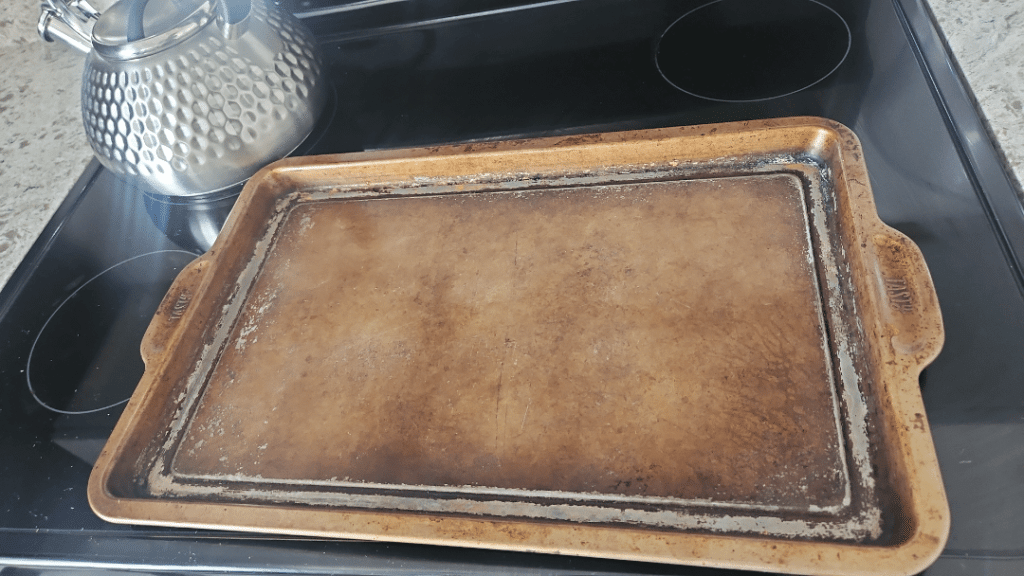
Are your favorite baking pans starting to show unsightly rust spots? Don’t worry; you’re not alone.
Rust on baking pans can be a real downer, especially when you’re ready to whip up a delicious batch of cookies or a mouthwatering cake. But what if there was an easy way to restore your pans to their former glory without breaking a sweat?
In this guide, you’ll discover simple, effective techniques to remove rust from baking pans using items you likely already have at home. You’ll save money, extend the life of your pans, and avoid the frustration of dealing with stubborn rust. Read on to learn how you can make your baking pans look like new again and keep your kitchen rust-free!
Credit: www.yahoo.com
Causes Of Rust On Baking Pans
Rust forms on baking pans when metal reacts with moisture and air. This damage can make pans unsafe and less effective.
Understanding why rust appears helps you prevent it and keep your pans in good shape for longer.
Common Rust Sources
Rust often comes from different sources in your kitchen. These sources wear down the pan’s protective layer.
- Scratches from metal utensils
- Harsh cleaning chemicals
- Leaving pans soaking in water
- Using abrasive scrubbers
- Exposure to salty or acidic foods
Impact Of Moisture And Storage
Moisture is the main cause of rust on baking pans. How you store your pans can speed up rusting.
| Storage Condition | Effect on Rust |
| Wet or damp environment | Promotes quick rust formation |
| Stacked pans without drying | Traps moisture between pans |
| Properly dried and aired pans | Reduces risk of rust |
| Storage in a dry, cool place | Helps prevent rust |
Basic Cleaning Preparations
Removing rust from baking pans requires some basic steps to prepare. Getting ready properly can make cleaning easier and safer.
Start by understanding what you need and how to protect yourself. This guide will cover gathering supplies and safety precautions.
Gathering Supplies
Collecting the right items before cleaning helps you work smoothly. You will need simple household items.
- White vinegar or lemon juice
- Baking soda
- Steel wool or a scrubbing brush
- Rubber gloves
- Old towels or rags
- Plastic container for soaking
Safety Precautions
Rust removal involves scrubbing and acidic liquids. Protect yourself with these safety tips.
| Precaution | Reason |
| Wear rubber gloves | Protects skin from acids and rust particles |
| Work in a well-ventilated area | Prevents inhaling fumes from vinegar or lemon juice |
| Avoid using metal tools on non-stick pans | Prevents damage to the pan coating |
| Keep cleaning supplies away from children | Prevents accidental ingestion or contact |
Home Remedies For Rust Removal
Rust can damage your baking pans and make them unsafe to use. Using home remedies is an easy way to clean rust without harsh chemicals.
These simple methods use items you likely have in your kitchen. They help remove rust and restore your pans.
Using Baking Soda Paste
Baking soda is a gentle cleaner that works well on rust. Make a thick paste by mixing baking soda with water.
Spread the paste on the rusty areas and let it sit for one hour. Then scrub with a soft brush or cloth and rinse.
- Mix 3 parts baking soda with 1 part water
- Apply the paste on rust spots
- Wait for one hour
- Scrub gently and rinse with water
Lemon And Salt Method
Lemon juice is acidic and helps break down rust. Salt acts as a scrub to remove it from the surface.
Cover the rust with salt, then squeeze lemon juice over it. Let it sit for two hours before scrubbing and rinsing.
- Sprinkle salt on rusted spots
- Squeeze fresh lemon juice over salt
- Leave for two hours
- Scrub with a cloth or brush
- Rinse thoroughly with water
Vinegar Soak Technique
White vinegar contains acetic acid that dissolves rust. Soak your pan in vinegar to loosen rust particles.
Fill a container with vinegar and submerge the pan. Let it soak for several hours, then scrub and rinse well.
- Pour white vinegar into a container
- Submerge the rusty pan completely
- Soak for 3 to 4 hours
- Scrub rust off with a brush
- Wash and dry the pan thoroughly
Commercial Rust Removal Products
Rust on baking pans can ruin your kitchen tools and affect your food. Commercial rust removal products help clean rust quickly and safely.
These products come in many forms like sprays, gels, and powders. Choosing the right one will protect your pans and make cleaning easier.
Choosing The Right Product
Look for rust removers made for kitchenware. Avoid harsh chemicals that can damage your pans. Check product labels for safety and use instructions.
- Pick products safe for food-contact surfaces
- Choose non-toxic and biodegradable options
- Consider the type of rust and pan material
- Read user reviews for effectiveness
- Check if the product requires rinsing after use
Application Tips
Apply rust removers carefully to avoid damage. Follow the product instructions and use protective gloves. Test on a small area first to check pan reaction.
| Tip | Why It Matters |
| Use gloves | Protect skin from chemicals |
| Ventilate area | Reduce inhaling fumes |
| Apply evenly | Ensure full rust removal |
| Rinse well | Remove all chemical residue |
| Dry completely | Prevent new rust from forming |
Preventing Rust In The Future
Rust can damage your baking pans and make them unsafe. You can stop rust from forming again by caring for your pans properly.
Using the right drying, storage, and cleaning habits keeps your pans in good shape for a long time.
Proper Drying Techniques
Water left on baking pans causes rust. Dry pans well after washing to avoid this problem.
Use a clean towel to remove all water spots. Air drying can leave moisture, so towel drying is best.
- Dry pans immediately after washing
- Use a soft, dry cloth or towel
- Check edges and corners for hidden moisture
Storage Recommendations
Store baking pans in a dry place to keep rust away. Avoid damp cabinets or areas near sinks.
Keep pans separated or use liners to stop metal from scratching and rusting.
- Choose a cool, dry cabinet for storage
- Use shelf liners or cloth between pans
- Store pans upright to help air flow
Regular Maintenance
Clean baking pans after each use. Remove food and grease to stop rust from forming.
Check pans often for rust spots. Treat small rust areas quickly to protect the pan.
- Wash pans with mild soap and water
- Dry pans fully after cleaning
- Use baking soda paste to scrub off small rust spots
- Season pans if they are cast iron or carbon steel

Credit: www.reddit.com
When To Replace Rusty Baking Pans
Rusty baking pans can affect the taste and safety of your food. It is important to know when to keep or replace them. Small rust spots can be cleaned, but some damages mean replacement is best.
Knowing the signs of irreparable damage and health risks helps protect your kitchen and family. This guide explains when rusty pans should be thrown away.
Signs Of Irreparable Damage
Check your baking pans carefully to spot damage. Deep rust, holes, or flaking metal cannot be fixed easily. These signs mean your pan is beyond repair.
- Large rust patches that cannot be scrubbed off
- Metal peeling or flaking from the pan surface
- Visible holes or cracks in the pan
- Warped or bent shape that affects cooking
Using pans with these problems may ruin your food and cause more rust to spread.
Health And Safety Considerations
Rusty pans can cause health risks if used too long. Rust can mix with food and cause stomach issues. Sharp edges from flaking metal can cut your hands.
- Rust can cause minor stomach pain or nausea
- Metal flakes can harm your mouth or throat
- Cleaning rust often uses strong chemicals
- Old pans may not heat evenly, causing undercooked food
Replace pans to keep your cooking safe and healthy. Do not risk food safety by using damaged bakeware.

Credit: www.reddit.com
Frequently Asked Questions
How Can I Remove Rust From Baking Pans Naturally?
You can use baking soda and vinegar to remove rust naturally. Make a paste, apply it, and scrub gently. Rinse and dry the pan thoroughly to prevent further rust.
Is Lemon Effective In Cleaning Rust Off Baking Pans?
Yes, lemon’s acidity helps dissolve rust effectively. Apply lemon juice on rust, sprinkle salt, scrub gently, then rinse and dry the pan completely.
Can Rust Damage Baking Pan Safety Or Food Quality?
Yes, rust can contaminate food and affect taste. It can also weaken the pan’s structure, making it unsafe for cooking.
What Household Items Remove Rust From Baking Pans Quickly?
Baking soda, white vinegar, lemon juice, and salt are effective household rust removers. Combine them to scrub rust off gently and safely.
Conclusion
Removing rust from baking pans is easier than you think. Use simple household items like vinegar or baking soda. Scrub gently to avoid damaging the pan’s surface. Dry the pan well to stop rust from coming back. Regular care keeps your pans safe and clean.
Rust does not have to ruin your kitchen tools. With patience, your pans will look good again. Ready to cook with your rust-free baking pans? Keep these tips in mind for longer use. Clean pans mean better food and happy cooking.