How to remove mold from wood cutting board? If you’ve ever reached for your trusty wooden cutting board only to find unsightly mold spots ruining its surface, you’re not alone.
Mold on your cutting board is not just unpleasant—it can be harmful to your health. But don’t worry, removing mold from your wood cutting board is easier than you might think.
In this guide, you’ll learn effective, easy-to-follow methods to safely banish mold from your board, keeping your kitchen safe and your culinary tools pristine. Let’s dive in and keep your cutting board clean and your meals healthy.
Signs Of Mold On Wood Boards
Mold on wood cutting boards can be hard to spot at first. It often grows in damp areas or where food rests.
Knowing the signs helps keep your board safe and clean for cooking.
Common Mold Appearances
Mold looks different depending on its type and age. On wood boards, it often shows as spots or patches.
- White or gray fuzzy spots
- Black or green small dots
- Blue or pink patches
- Musty smell near the mold area
Sometimes mold hides in cracks or under sticky food. Check your board carefully after use.
Health Risks Of Mold
Mold on cutting boards can cause health problems. It may produce spores that irritate the lungs or skin.
People with allergies or weak immune systems face higher risks from mold exposure.
- Allergic reactions like sneezing and itching
- Respiratory problems such as coughing
- Infections in people with weak immunity
- Food contamination leading to illness
Safety Precautions Before Cleaning
Removing mold from a wood cutting board needs care. Mold can cause health problems if not handled safely.
Follow safety steps to protect yourself and clean the board properly.
Protective Gear To Wear
Wear protective gear to avoid touching mold directly. Mold spores can irritate your skin and lungs.
Use gloves and a mask to keep safe while cleaning your wood cutting board.
- Rubber or latex gloves to protect your hands
- A face mask to avoid breathing in mold spores
- Safety glasses to protect your eyes from splashes
Ventilation Tips
Clean your board in a well-ventilated area. Good airflow helps remove mold spores from the air.
Open windows or use a fan to keep fresh air moving during cleaning.
- Work outdoors if possible
- Open windows and doors in your kitchen
- Turn on fans to increase air circulation
Cleaning Materials Needed
Removing mold from a wood cutting board needs the right materials. Using natural agents and proper tools helps clean safely and well.
Gathering everything before you start saves time and effort. Here are the main materials you will need.
Natural Cleaning Agents
Natural agents kill mold without harsh chemicals. They are safe for food surfaces and easy to find at home.
- White vinegar: kills mold and bacteria
- Baking soda: scrubs gently and removes odors
- Lemon juice: has natural antibacterial properties
- Hydrogen peroxide: disinfects and brightens wood
Tools For Scrubbing
Using the right tools helps remove mold without damaging the board. Soft scrubbing is best for wood surfaces.
| Tool | Purpose |
| Soft-bristle brush | Gently scrubs mold off wood |
| Non-abrasive sponge | Wipes and cleans surface |
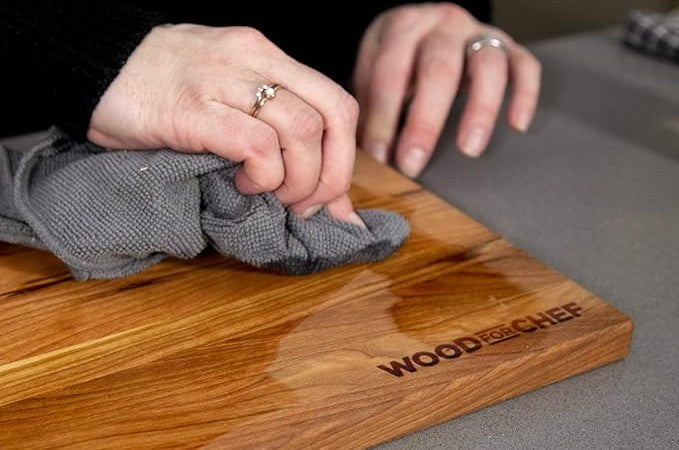
| Microfiber cloth | Dries and polishes wood after cleaning |
| Spray bottle | Applies liquid cleaners evenly |
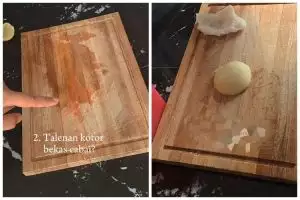
Credit: en.brilio.net
Step-by-step Mold Removal Process
Mold on wood cutting boards can be harmful. It is important to clean it safely and effectively. This guide shows how to remove mold step-by-step.
Follow these steps carefully to keep your board clean and safe for food use. Each step uses simple materials you may already have.
Initial Rinse
Start by rinsing the cutting board with warm water. This helps remove loose mold spores and dirt from the surface.
Use running water to wash both sides of the board well. Avoid soaking it for a long time to prevent wood damage.
Applying Cleaning Solution
Prepare a cleaning solution using equal parts white vinegar and water. Vinegar kills most mold types safely.
Use a spray bottle or cloth to apply the solution to the moldy areas. Let it sit for 5 to 10 minutes to work effectively.
Scrubbing Technique
Use a soft brush or sponge to scrub the board gently. Focus on areas with mold to remove all spores.
- Scrub in circular motions to reach grooves
- Do not use steel wool or hard brushes that harm wood
- Apply more cleaning solution if needed while scrubbing
Rinsing And Drying
Rinse the board again with warm water to remove any cleaning solution and mold residue. Make sure all soap is washed off.
Dry the cutting board thoroughly using a clean towel. Leave it standing upright in a well-ventilated area to air dry completely before use.
Disinfecting The Wood Board
Removing mold from a wood cutting board is important for safe food preparation. Disinfecting the board kills mold spores and stops them from spreading.
Using natural disinfectants is safer for your wood board. This helps keep the wood strong and free from chemicals.
Using Vinegar Or Hydrogen Peroxide
White vinegar and hydrogen peroxide are effective and gentle disinfectants. They kill mold without damaging the wood.
- Spray white vinegar on the moldy area and let it sit for 10 minutes.
- Wipe the board with a clean cloth and rinse with water.
- For stubborn mold, apply hydrogen peroxide instead of vinegar.
- Let the board dry completely in a well-ventilated area.
Avoiding Harsh Chemicals
Harsh chemicals can harm your wood cutting board. They may cause cracks or discoloration over time.
| Chemical | Effect on Wood | Safety |
| Bleach | Can weaken and discolor wood | Not recommended |
| Ammonia | May cause damage and strong odor | Not recommended |
| Vinegar | Safe and natural disinfectant | Recommended |
| Hydrogen Peroxide | Safe if used properly | Recommended |
Preventing Future Mold Growth
Mold can grow quickly on wood cutting boards if they stay wet. You can stop mold by drying and storing the board right. Regular care also helps keep your board clean and safe.
Follow these tips to prevent mold from coming back on your wood cutting board.
Proper Drying Methods
Dry your wood cutting board fully after washing. Mold grows in damp places. Air drying is best, but make sure both sides dry well.
- Use a clean towel to remove extra water.
- Stand the board upright to let air flow on all sides.
- Place the board in a warm, dry spot away from moisture.
- Do not stack boards or put them flat until dry.
Storage Tips
Store your cutting board in a place with good air circulation. Avoid tight spaces that trap humidity. Keep it away from sinks or dishwashers where moisture is high.
| Storage Location | Why It Helps |
|---|---|
| Open shelf or rack | Allows air to flow freely |
| Dry cabinet with ventilation | Reduces moisture buildup |
| Avoid closed drawers | Prevents trapped dampness |
Regular Maintenance
Clean and treat your wood cutting board often. This keeps mold from getting a chance to grow. Use natural oils to protect the wood.
- Wash with mild soap and warm water after use.
- Dry thoroughly before storing.
- Apply food-safe mineral oil monthly to seal the wood.
- Scrub with vinegar or baking soda if you see mold spots.
When To Replace Your Wood Cutting Board
Wood cutting boards can last a long time with proper care. Still, there are times when you must replace them. Knowing when to do this helps keep your kitchen safe.
Removing mold is possible, but some damage cannot be fixed. Watch for key signs that show your board is no longer safe to use.
Signs Of Irreversible Damage
Some damage to wood boards can’t be repaired. These signs mean you need a new board soon.
- Deep cracks or splits where mold can hide
- Large areas of mold that soak into the wood
- Warping or bending that makes the board unstable
- Heavy stains that don’t go away after cleaning
- Rough, splintered surfaces that are hard to clean
Safety Concerns
Using a damaged board can cause health risks. Mold and bacteria can grow in hard-to-clean areas.
| Risk | Cause | Effect |
| Bacterial growth | Cracks and deep cuts | Food contamination |
| Mold spread | Absorbed moisture | Allergic reactions |
| Physical injury | Splinters and rough edges | Cuts or infections |
| Cross-contamination | Improper cleaning | Foodborne illness |

Credit: victoryrelax.com
Frequently Asked Questions
How Do I Safely Remove Mold From Wood Cutting Boards?
Use white vinegar or baking soda paste to scrub the mold gently. Rinse with hot water and dry thoroughly. Avoid harsh chemicals to protect the wood and your health.
Can Bleach Be Used To Clean Mold On Wood Boards?
Bleach can damage wood and is not recommended. Instead, use natural cleaners like vinegar or hydrogen peroxide for safe mold removal.
How Can I Prevent Mold Growth On Cutting Boards?
Dry cutting boards immediately after washing. Store in a well-ventilated area and regularly oil the wood to keep it sealed and mold-free.
Is It Safe To Use A Moldy Wood Cutting Board?
Using a moldy cutting board can cause health risks. Always clean mold thoroughly or replace the board if mold persists to ensure food safety.
Conclusion
Cleaning mold from a wood cutting board is simple and important. Act quickly to stop mold from growing more. Use natural cleaners like vinegar or baking soda for safety. Dry the board well to keep it mold-free. Regular cleaning helps your board last longer.
Keep your kitchen safe and healthy. A clean cutting board means better food and less worry. Take care of your wood board, and it will take care of you.