Your kitchen hood filter works hard to keep your cooking air clean, but over time, it gets clogged with grease and dust. If you don’t remove and clean it regularly, your hood won’t work properly, and your kitchen could end up smelling stale or smoky.
You might be wondering, “How do I remove my kitchen hood filter safely and easily? ” This guide will walk you through simple steps to take it out without any hassle. Keep reading, and you’ll learn how to keep your kitchen fresh and your hood running smoothly in no time.

Credit: www.espares.co.uk
Tools Needed
Removing a kitchen hood filter is simple with the right tools. These tools help you take out the filter safely and clean it properly.
Gathering your tools before starting will save time and avoid damage to the hood or filter.
Screwdriver
A screwdriver helps to remove screws that hold the filter in place. Most filters use either flathead or Phillips screws. Check your hood to know which type you need.
Gloves
Gloves protect your hands from grease and sharp edges on the filter. Use rubber or work gloves for good grip and safety.
Cleaning Supplies
After removing the filter, you will need cleaning supplies. These include degreaser, warm water, and a soft brush or sponge.
- Degreaser spray or liquid
- Warm water bucket or sink
- Soft brush or sponge
- Old towels or cloths for drying
Optional Tools
| Tool | Purpose |
|---|---|
| Flashlight | Helps see inside the hood if lighting is poor |
| Step Stool | Gives better reach for high or large hoods |
| Plastic Container | Soaks the filter during cleaning |
Locate The Filter
Removing your kitchen hood filter starts with finding where it is. Most filters sit inside the hood above your stove. Knowing the exact location helps you take it out safely.
Filters catch grease and dust from cooking fumes. They need regular cleaning or replacement to keep your hood working well. This guide helps you locate the filter easily.
Check Under The Hood
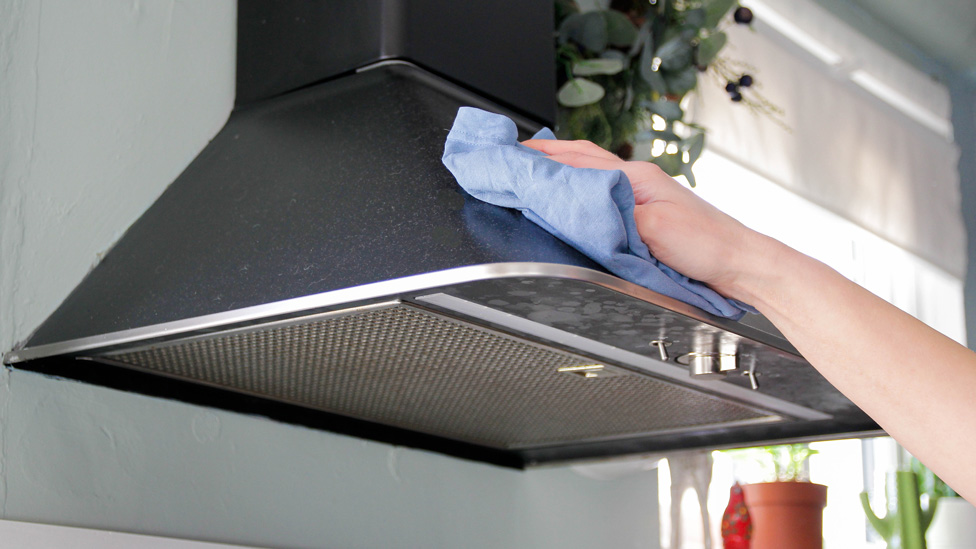
Look beneath the kitchen hood for a metal or mesh panel. This panel usually covers the filter. Sometimes it may have small handles or tabs to open it.
Identify Filter Types
Filters come in different types. The most common are mesh filters and baffle filters. Each type looks and fits differently inside the hood.
| Filter Type | Description | Location Clue |
| Mesh Filter | Made of thin metal mesh | Flat panel, often removable |
| Baffle Filter | Curved metal plates | Slotted panels, fit tightly inside |
| Charcoal Filter | Used in ductless hoods | Inside the hood, harder to see |
Look For Fasteners Or Clips
Filters are usually held in place by fasteners. These can be clips, screws, or tabs. Finding these helps you release the filter without damage.
- Check for small metal clips on the edges
- Look for screws securing the filter panel
- Feel for tabs that you can push or pull
- Refer to the hood’s manual if available
Use Light To See Inside
If the filter is hard to find, use a flashlight. Shine it under the hood to spot the filter and fasteners. This makes the task easier and safer.
Tip:Always turn off the kitchen hood before trying to remove the filter.
Remove The Filter
Removing the kitchen hood filter is a simple task. It keeps your kitchen clean and your hood working well.
Filters collect grease and dust. You should clean or replace them often to keep air fresh.
Unlocking Mechanism
Most kitchen hood filters have a locking mechanism. This keeps the filter in place during use.
- Look for a latch or clip holding the filter.
- Press or lift the latch to release the filter.
- Some filters twist to unlock. Turn gently if needed.
- Hold the filter firmly when unlocking to prevent it from falling.
Sliding Or Popping Out
Some filters slide or pop out without a latch. You just need to pull them carefully.
| Action | Details |
|---|---|
| Sliding | Push or pull the filter sideways along the track. |
| Popping Out | Pull the filter gently towards you until it comes free. |
| Check for resistance | If it feels stuck, look for hidden clips or screws. |
Clean The Filter
Cleaning your kitchen hood filter keeps your kitchen air fresh. It removes grease and dirt that build up over time.
Regular cleaning improves the hood’s performance and safety. Here are easy ways to clean the filter well.
Soaking In Hot Soapy Water
Start by filling a large basin with hot water. Add a strong dish soap to create lots of bubbles. Place the filter in the water and let it soak for 15 to 30 minutes. This softens the grease and grime.
Scrubbing Stubborn Grease
After soaking, scrub the filter to remove stuck grease. Use a soft brush or sponge to avoid damage. Focus on corners and mesh where grease hides.
- Wear gloves to protect your hands
- Use circular motions while scrubbing
- Apply more soap if needed
- Rinse the brush often to avoid spreading dirt
Rinsing And Drying
Rinse the filter under warm running water. Make sure all soap and grease wash away. Shake off extra water and dry the filter completely before reinstalling.
| Drying Method | Time Needed |
| Air dry on a rack | 2 to 3 hours |
| Dry with a clean towel | 10 to 15 minutes |
| Use a hairdryer (low heat) | 5 to 10 minutes |
Reinstall The Filter
After cleaning your kitchen hood filter, you need to put it back correctly. Proper reinstalling keeps your hood working well.
Follow simple steps to make sure the filter fits tightly and safely.
Align The Filter Properly
Hold the filter so it matches the shape of the hood slot. Most filters have edges that fit only one way.
Check for any hooks or tabs on the filter. These help the filter stay in place.
Insert The Filter Carefully
Slide or push the filter gently into the hood frame. Do not force it, or you may break the filter or hood parts.
If the filter uses clips or locks, make sure to secure them after insertion.
Test The Filter Stability
Lightly shake the filter to see if it moves. A well-installed filter should stay firm and not fall out.
- Check all edges for tight fit
- Ensure clips or locks are fastened
- Replace the hood cover if needed
Turn On The Hood Fan
Switch on the hood fan to make sure air flows through the filter correctly. Listen for any unusual noises.
If the fan sounds normal and the filter stays in place, your reinstall is complete.

Credit: www.searshomeservices.com
Maintenance Tips
Keeping your kitchen hood filter clean is important. It helps your hood work well and lasts longer.
Removing and cleaning the filter regularly stops grease build-up. This guide gives you simple tips to maintain it.
Cleaning Frequency
Clean your kitchen hood filter every one to three months. This depends on how often you cook.
If you cook a lot or fry foods, clean the filter more often. This prevents grease from building up too much.
- Light cooking: clean every 3 months
- Regular cooking: clean every 2 months
- Heavy cooking or frying: clean monthly
Using Dishwasher
Many kitchen hood filters can be cleaned in the dishwasher. Check your filter’s instructions first.
Place the filter in the dishwasher on a gentle cycle. Use warm water and mild detergent for best results.
- Remove loose debris before washing
- Use low heat to avoid damage
- Dry filter completely before reinstalling
Checking For Damage
Inspect your kitchen hood filter each time you remove it. Look for tears, holes, or bent parts.
Damaged filters do not clean air properly. Replace filters that have serious damage or wear.
- Check metal mesh for holes or cracks
- Look for broken or loose frame edges
- Replace filter if grease builds up inside cracks
Credit: www.coles.com.au
Frequently Asked Questions
How Often Should I Clean My Kitchen Hood Filter?
You should clean your kitchen hood filter every 1 to 3 months. Frequent cleaning prevents grease buildup and improves ventilation efficiency. Regular maintenance also extends the filter’s lifespan and keeps your kitchen air fresh and healthy.
What Materials Are Used For Kitchen Hood Filters?
Kitchen hood filters are commonly made from aluminum mesh, stainless steel, or charcoal. Aluminum and stainless steel filters trap grease, while charcoal filters absorb odors. Choose a filter type based on your cooking habits and hood model compatibility.
Can I Wash Kitchen Hood Filters In A Dishwasher?
Yes, most aluminum and stainless steel kitchen hood filters are dishwasher-safe. Use a gentle cycle with hot water and mild detergent. Avoid dishwashing charcoal filters, as water can damage their odor-absorbing qualities.
What Is The Best Cleaning Method For Kitchen Hood Filters?
Soak the filter in hot, soapy water or a degreasing solution for 15-30 minutes. Then scrub gently with a soft brush to remove grease and grime. Rinse well and air dry before reinstalling the filter to ensure optimal performance.
Conclusion
Cleaning your kitchen hood filter is simple and essential. It keeps your kitchen fresh and your cooking space clean. Regular maintenance prevents grease buildup. This helps your hood work efficiently. Remember to use gentle cleaning supplies. Harsh chemicals can damage the filter.
Schedule regular cleanings. This ensures your kitchen remains a pleasant place. Removing and cleaning the filter is straightforward. It doesn’t take much time. Your effort pays off with a cleaner kitchen. So, keep up with it. Enjoy cooking in a fresh environment.
A clean kitchen is a happy kitchen!