How to Prevent Baking Pans from Rusting? Have you ever pulled out your favorite baking pan, only to find it speckled with rust? It’s frustrating, isn’t it?
You want to whip up a batch of cookies or bake a delicious cake, but that pesky rust stands in your way. You might wonder if you’ll ever enjoy rust-free baking again. The good news is, you can! In this guide, we’ll uncover simple yet effective tips to keep your baking pans pristine and rust-free.
Imagine the satisfaction of reaching into your cupboard and finding your pans in perfect condition every time. Ready to discover these secrets? Let’s dive in and ensure your baking pans stay as good as new!

Credit: www.reddit.com
Causes Of Rust On Baking Pans
Rust forms on baking pans when metal reacts with water and oxygen. This weakens the pan and makes it unsafe to use. Understanding what causes rust can help you keep your pans in good shape.
Different factors make baking pans more likely to rust. Some come from the way you use and store the pans. Learning about these causes helps you stop rust before it starts.
Common Factors Leading To Rust
Rust often appears because of damage to the pan’s protective layer. Scratches and chips expose the metal underneath. Acidic foods and harsh cleaners can also wear down this layer.
Metal pans that are not stainless steel or coated are more prone to rust. Using metal utensils can scratch the surface. Washing pans in a dishwasher with strong detergents may also harm the finish.
- Scratches from metal utensils
- Harsh cleaning chemicals
- Acidic food exposure
- Non-coated or low-quality metal
- Dishwasher use on sensitive pans
Impact Of Moisture And Storage
Moisture is one of the main causes of rust on baking pans. Water left on the pan after washing can cause rust to form quickly. Storing pans while they are still wet increases this risk.
Storing pans in humid or damp places also leads to rust. Pans stacked without drying can trap moisture between them. Proper drying and storing in a dry place help stop rust from developing.
- Water left on pans after washing
- Storing pans while still wet
- High humidity in storage areas
- Stacking pans without drying
- Poor air circulation around stored pans

Credit: zaulimaids.com
Choosing Rust-resistant Materials
Rust can ruin baking pans and affect your food. Choosing the right materials helps keep pans rust-free. Some materials resist rust better than others.
Knowing which pans last longer saves money and keeps your kitchen safe. This guide explains rust-proof pan types and the benefits of coatings.
Types Of Rust-proof Pans
Some pans resist rust because of their material. Here are common rust-proof types to consider.
- Stainless Steel:Strong and rust-resistant. It does not react with food.
- Aluminum:Lightweight and does not rust. It may dent easily.
- Ceramic-Coated:Has a rust-proof coating. It is easy to clean but can chip.
- Cast Iron (Enamel-Coated):The enamel layer stops rust. Without it, cast iron can rust quickly.
Benefits Of Non-stick Coatings
Non-stick coatings add rust protection to pans. They keep food from sticking and make cleaning easy.
| Benefit | Description |
| Rust Resistance | Coatings block moisture and air that cause rust. |
| Easy Cleaning | Food slides off, reducing scrubbing that can wear pans. |
| Longer Pan Life | Protects the metal, so pans last longer without damage. |
| Better Cooking | Even cooking with less chance of burning or sticking. |
Cleaning Techniques To Avoid Rust
Rust can ruin your baking pans and shorten their life. Cleaning them the right way helps keep them safe. Simple steps prevent rust and keep pans shiny.
Focus on gentle washing and careful drying. These habits stop rust from forming and keep your pans in good shape.
Proper Washing Methods
Always wash pans soon after use. Use warm water with mild soap. This removes food and oils that cause rust. Avoid leaving pans wet or dirty.
- Use a soft sponge or cloth for cleaning.
- Rinse pans thoroughly to remove soap.
- Dry pans completely with a towel right after washing.
- Do not soak pans for long periods.
- Store pans in a dry place to prevent moisture buildup.
Avoiding Harsh Scrubbing
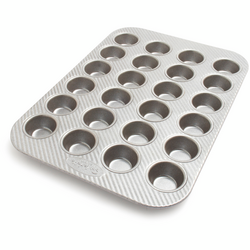
Harsh scrubbing can scratch pans. Scratches let rust form faster. Use gentle tools to clean stuck food.
| Tool | Use | Reason |
| Soft sponge | Daily cleaning | Gentle on pan surface |
| Plastic scraper | Removing stuck food | Does not scratch metal |
| Steel wool | Not recommended | Causes scratches and rust |
Credit: www.surlatable.com
Drying And Storage Tips
Baking pans can rust if not dried and stored properly. Keeping them dry and in good conditions helps them last longer.
Learn simple ways to dry and store pans to stop rust from forming.
Effective Drying Practices
Always dry baking pans right after washing. Water left on the surface causes rust over time.
Use a soft cloth or towel to wipe pans completely. Avoid air drying because it leaves moisture behind.
- Wipe pans immediately with a clean, dry towel
- Check corners and edges for trapped water
- Use a hairdryer on low heat for quick drying
- Allow pans to air dry only if fully wiped first
Ideal Storage Conditions
Store baking pans in a dry, cool place. Avoid damp cupboards or areas near sinks.
Keep pans separated to let air flow and prevent scratches that can hold moisture.
- Use shelf liners or cloth between stacked pans
- Store pans upside down to stop dust and water build-up
- Keep storage areas clean and dry
- Avoid placing pans in humid rooms
Seasoning Your Baking Pans
Rust can damage your baking pans over time. Seasoning them helps protect the metal. This process creates a shield that keeps moisture away.
Seasoning also makes your pans easier to clean and improves their non-stick quality. It is simple to do and extends the life of your pans.
How Seasoning Protects Pans
Seasoning builds a thin layer of oil baked into the pan’s surface. This layer blocks air and water from reaching the metal. Without this protection, pans can rust quickly.
- The oil layer fills tiny holes and scratches on the pan.
- It creates a smooth surface that food won’t stick to.
- It stops moisture from causing rust spots.
- The layer gets stronger with each use and seasoning session.
Step-by-step Seasoning Process
Follow these steps to season your baking pans at home. You only need basic ingredients and tools.
- Wash the pan with warm soapy water and dry it completely.
- Apply a thin layer of cooking oil all over the pan, inside and out.
- Preheat your oven to 350°F (175°C).
- Place the pan upside down on the middle rack of the oven.
- Put a baking sheet or foil on the lower rack to catch drips.
- Bake the pan for 1 hour to let the oil bond to the metal.
- Turn off the oven and let the pan cool inside before removing.
| Tip | Reason |
|---|---|
| Use a neutral oil like vegetable or canola | It creates a strong, even coating |
| Apply oil thinly | Thick layers can become sticky or uneven |
| Repeat seasoning if needed | Builds a better protective layer |
Regular Maintenance For Longevity
Keeping baking pans free from rust helps them last longer. Regular care keeps pans safe to use and looking good.
Simple maintenance steps can stop rust before it starts. This saves money and keeps your kitchen tools ready.
Routine Inspections
Check your baking pans often for any signs of rust or damage. Look closely at corners and edges where rust can form.
Early spotting helps you fix problems before they get worse. Make this a part of your kitchen cleaning routine.
- Inspect pans after each use
- Look for discoloration or rough spots
- Check handles and seams carefully
- Note any scratches or chips in the coating
Quick Fixes For Early Rust
If you find small rust spots, clean them immediately. Use gentle scrubbing with baking soda or vinegar.
After cleaning, dry the pan well. Apply a thin layer of cooking oil to protect the metal from moisture.
- Use a soft sponge to scrub rust spots
- Apply baking soda paste or vinegar for stubborn rust
- Rinse and dry pans thoroughly
- Coat pans lightly with vegetable oil
- Store pans in a dry place
Frequently Asked Questions
How Can I Stop Baking Pans From Rusting?
Always dry your baking pans immediately after washing. Apply a thin layer of oil to protect the surface. Store them in a dry place to prevent moisture buildup and rust formation.
What Cleaning Methods Prevent Rust On Baking Pans?
Avoid abrasive scrubbers that damage the pan’s coating. Use gentle sponges and mild dish soap. Rinse thoroughly and dry completely to avoid leftover moisture causing rust.
Is Seasoning Baking Pans Effective Against Rust?
Yes, seasoning creates a protective layer that prevents rust. Apply oil and heat the pan to bond the layer. This method works especially well for cast iron and carbon steel pans.
Can Vinegar Remove Rust From Baking Pans?
Yes, soaking rusty pans in vinegar helps dissolve rust. After soaking, scrub gently with a soft brush. Rinse and dry thoroughly, then apply oil to prevent future rust.
Conclusion
Preventing rust on baking pans keeps them useful for years. Clean pans well after each use and dry them completely. Store pans in a dry place to avoid moisture buildup. A light coating of oil can protect the metal surface.
Small efforts now save money and frustration later. Enjoy cooking without worrying about rusty pans. Simple steps make a big difference. Keep your pans shiny and ready for baking anytime.