
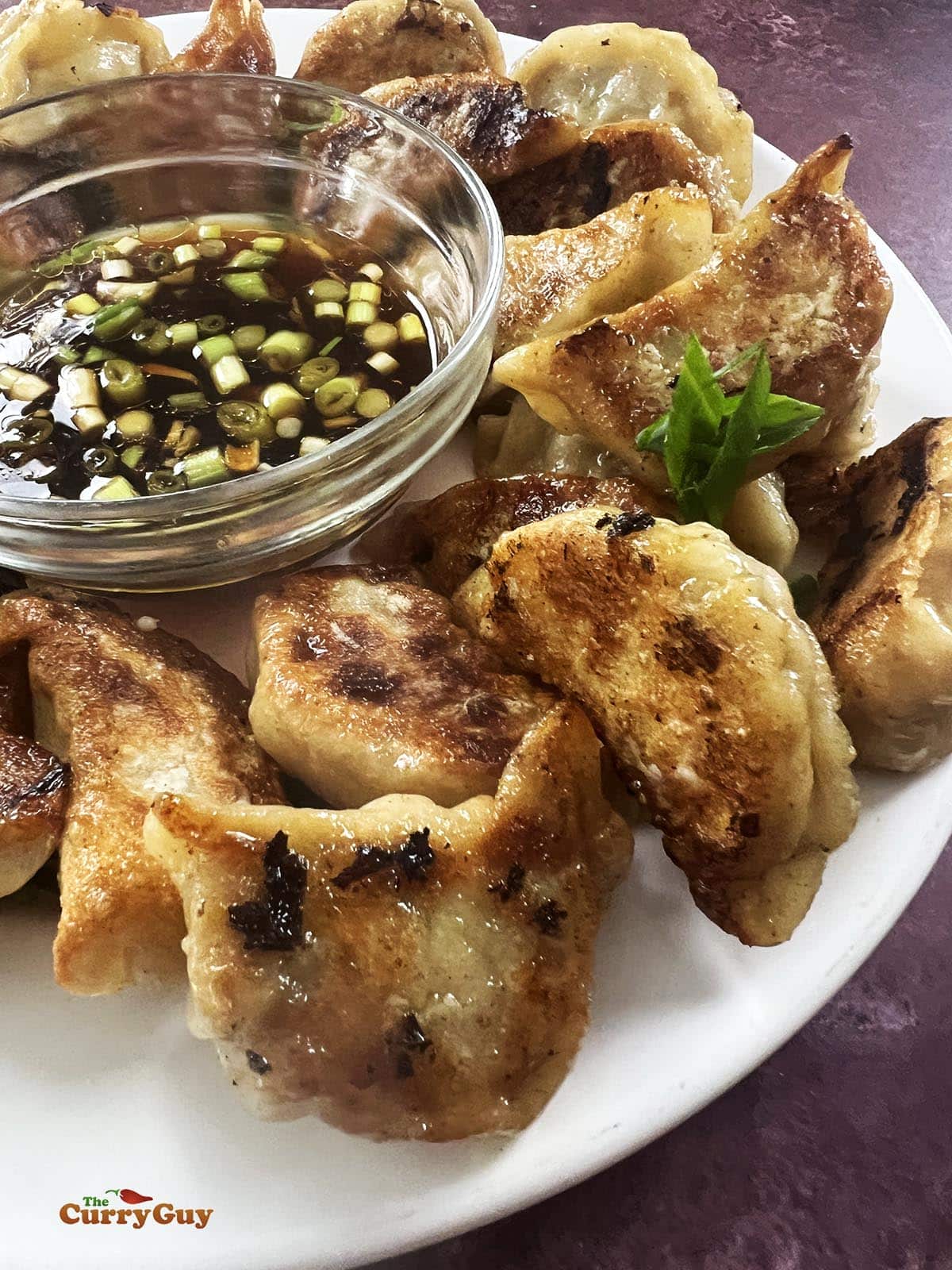
Craving crispy potstickers but unsure how to achieve that perfect pan-fried texture? You're in the right place.
Pan-frying potstickers is an art that combines the delightful crunch of a golden crust with the juicy, flavorful filling inside. Imagine biting into that irresistible contrast of textures and flavors, right in your own kitchen. In this guide, you'll discover the simple yet effective steps to transform your potstickers into a mouthwatering masterpiece.
Let's dive into the secrets that will have your taste buds dancing and your guests asking for seconds. Ready to master the pan-fry technique? Your journey to potsticker perfection starts here.
Choosing The Right Potstickers
Potstickers are a popular snack that many enjoy cooking at home. Choosing the right potstickers affects taste and cooking time.
This guide helps you decide between frozen and fresh potstickers. It also explains common filling varieties.
Frozen Vs Fresh
Frozen potstickers are easy to find in stores. They last longer and are convenient. Fresh potstickers taste softer and cook faster. They need to be eaten soon after buying.
- Frozen potstickers keep well in the freezer for months.
- Fresh potstickers are best on the day you buy them.
- Frozen ones may take longer to cook evenly.
- Fresh ones often have a more tender skin.
Filling Varieties
Potstickers come with many fillings. Meat, vegetables, or a mix of both are popular choices. Each filling has a different flavor and texture.
| Filling Type | Description | Cooking Tip |
| Pork | Juicy and savory, classic choice | Cook thoroughly to ensure safety |
| Chicken | Light flavor, good for mild tastes | Use medium heat to keep moist |
| Vegetable | Healthy and fresh, often with cabbage | Cook quickly to keep crunch |
| Seafood | Delicate taste, like shrimp or crab | Cook gently to avoid toughness |

Credit: abrightmoment.com
Essential Tools And Ingredients
Pan frying potstickers needs the right tools and ingredients. Using good equipment helps cook them evenly and taste great.
Below, we look at key items to prepare before you start frying potstickers.
Non-stick Pan Selection
Choose a non-stick pan with a flat surface. It helps potstickers cook without sticking or tearing. A pan about 10 to 12 inches wide works well for most batches.
- Use a heavy-bottomed pan to keep heat steady.
- A pan with low sides lets you turn potstickers easily.
- Check the pan’s coating to avoid scratching it with metal tools.
Oils And Seasonings
Use oils with a high smoke point for frying potstickers. Seasonings add flavor to the cooking process and final dish.
| Oil | Smoke Point (°F) | Flavor Notes |
|---|---|---|
| Canola Oil | 400 | Mild, neutral |
| Vegetable Oil | 400 | Light, neutral |
| Peanut Oil | 450 | Nutty, rich |
| Sesame Oil (to finish) | 350 | Strong, toasted |
Preparing Potstickers For Frying
Potstickers need some prep before frying. Proper preparation helps them cook evenly.
This guide covers thawing frozen potstickers and drying them for crispiness.
Thawing Frozen Potstickers
Thaw frozen potstickers to avoid uneven cooking. Use one of these safe methods:
- Place them in the refrigerator for 1-2 hours.
- Set them on the counter for 20-30 minutes.
- Use the defrost setting on your microwave briefly.
Do not thaw too long. Keep potstickers cold but not frozen hard.
Patting Dry For Crispiness
Dry potstickers well before frying. Moisture causes splattering and soggy crusts.
| Why Pat Dry | How to Do It |
| Remove surface water | Use paper towels to blot gently |
| Prevent oil splashes | Make sure no drops remain on wrappers |
| Enhance crispiness | Dry skin fries better in the pan |
Credit: www.thecookierookie.com
Step-by-step Pan Frying Process
Pan frying potstickers makes them crispy and tender. This method uses both frying and steaming. Follow these simple steps to cook potstickers perfectly.
You will need a non-stick pan, oil, water, and your potstickers. Let’s start with heating the pan properly.
Heating The Pan And Oil
Place a non-stick pan on medium heat. Add two tablespoons of vegetable oil. Let the oil warm until it shimmers but does not smoke. This ensures even frying and prevents sticking.
Arranging Potstickers
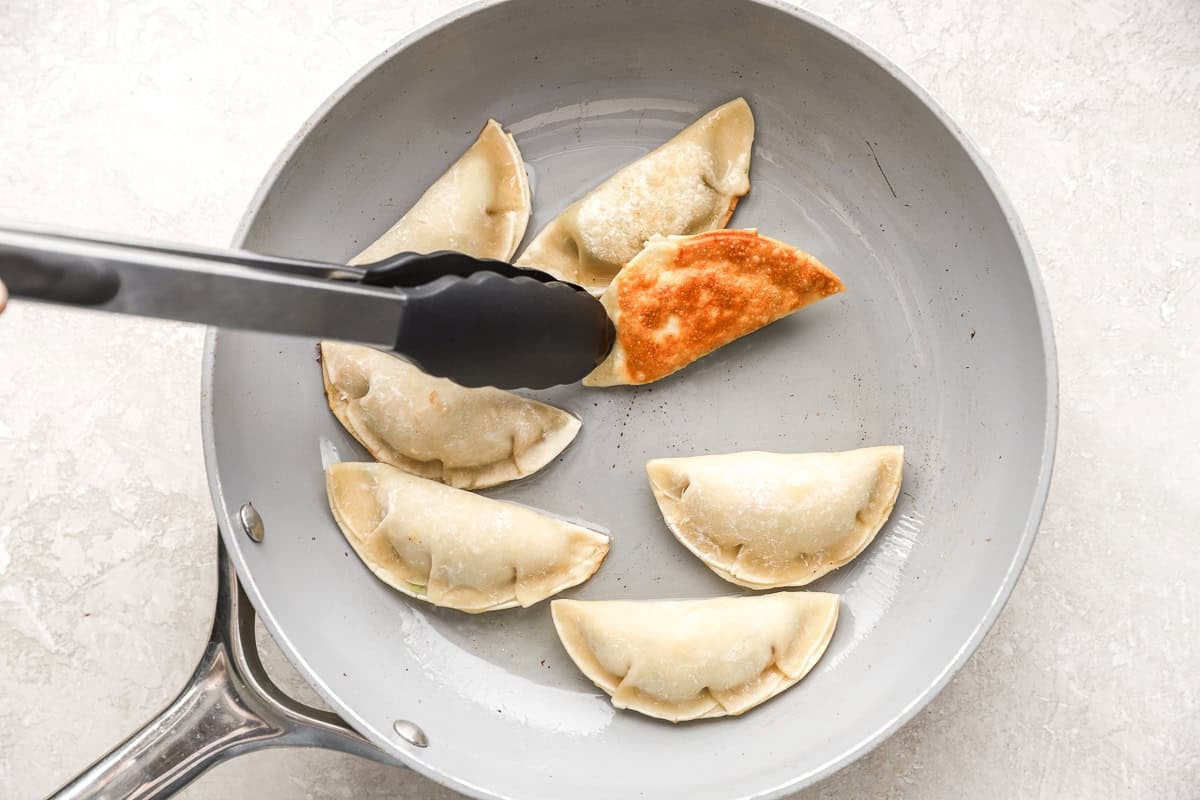
Place potstickers flat side down in the pan. Do not overcrowd the pan. Leave space between each potsticker to avoid sticking. Arrange them in a single layer for even cooking.
- Use tongs or chopsticks to place potstickers gently
- Keep them upright to protect the filling
- Space them about one inch apart
Adding Water For Steaming
After the potstickers start browning, add water to the pan. Pour about ¼ cup of water carefully. The water will steam the potstickers and cook the filling completely. Cover the pan with a lid to trap steam.
Steam for 5 to 7 minutes or until the water evaporates. Check the potstickers gently to avoid breaking the skin.
Achieving The Perfect Crisp
Remove the lid when the water is gone. Let the potstickers fry again for 1 to 2 minutes. This step makes the bottoms golden and crispy. Watch closely to prevent burning.
| Tip | Reason |
| Use medium heat | Prevents burning and cooks evenly |
| Do not move potstickers too soon | Allows a crisp crust to form |
| Cover pan while steaming | Traps steam to cook filling fully |
| Add water carefully | Prevents splattering and sticking |
Serving Suggestions
Pan-fried potstickers taste best when served with tasty sides and sauces. These add flavor and texture. They make your meal more enjoyable.
Use simple garnishes and fresh sauces to enhance the potstickers. They are easy to prepare and look great on the plate.
Dipping Sauces
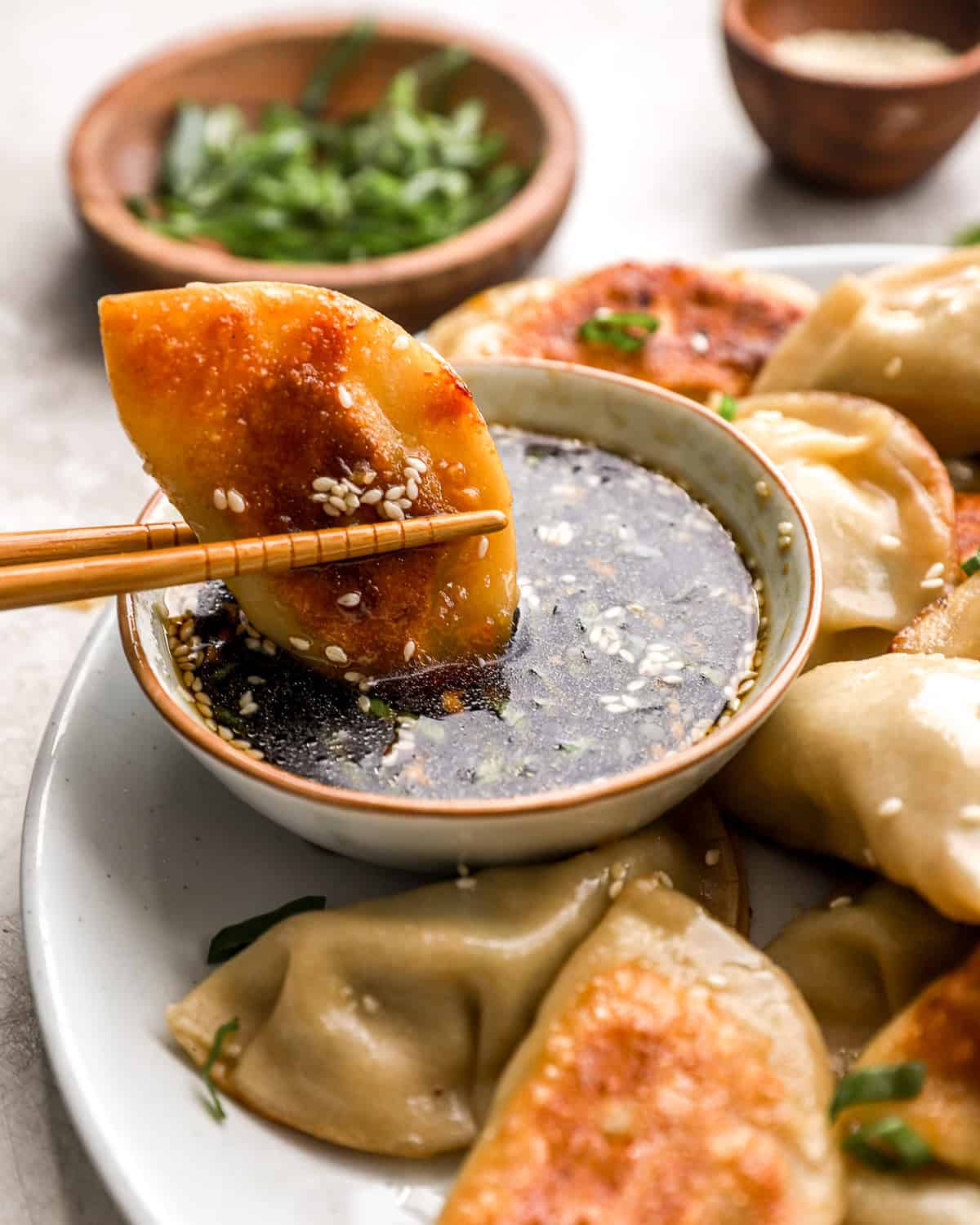
Dipping sauces add a burst of flavor to pan-fried potstickers. Choose from salty, spicy, or tangy options. You can mix sauces to find your favorite taste.
- Soy sauce with a splash of rice vinegar
- Chili oil for a spicy kick
- Sweet and sour sauce for balance
- Garlic sauce with minced garlic and soy
- Hoisin sauce for a sweet, rich flavor
Garnishes And Sides
Fresh garnishes add color and a fresh taste to potstickers. Simple sides can make your meal more filling and balanced.
Try green onions, sesame seeds, or fresh herbs to top the potstickers. Serve with light salads or steamed vegetables for a complete meal.
- Chopped green onions for a mild crunch
- Toasted sesame seeds for nutty flavor
- Fresh cilantro or parsley for brightness
- Steamed broccoli or bok choy as healthy sides
- Simple cucumber salad for freshness
Credit: www.thecookierookie.com
Troubleshooting Common Issues
Pan frying potstickers is simple but can have some problems. Two common issues are soggy potstickers and sticking to the pan. Fixing these helps make your potstickers crispy and tasty.
Read on to learn how to avoid these problems with clear tips and easy solutions.
Avoiding Soggy Potstickers
Soggy potstickers happen when too much water is used or the cooking time is off. Keep potstickers crisp by controlling moisture and heat.
- Use just enough water to create steam, about 1/4 cup for a pan.
- Cover the pan tightly to trap steam but avoid adding extra water.
- Cook on medium heat so the water evaporates slowly and potstickers cook evenly.
- Remove the lid in the last few minutes to let potstickers crisp up.
- Do not overcrowd the pan; leave space between potstickers for steam to circulate.
Preventing Sticking To The Pan
Potstickers stick to the pan if the oil is not hot enough or the pan surface is uneven. Use the right oil and pan to prevent this issue.
| Cause | Solution |
| Oil not hot enough | Heat oil on medium-high until shimmering before adding potstickers |
| Using non-stick pan with scratches | Use a smooth non-stick or well-seasoned cast iron pan |
| Potstickers placed too soon after oil heats | Wait a few seconds after oil heats before placing potstickers |
| Moving potstickers too early | Let potstickers cook 2-3 minutes before flipping to form crust |
| Insufficient oil amount | Use enough oil to coat the pan surface evenly |
Tips For Batch Cooking And Storage
Pan frying potstickers in batches saves time and energy. Cooking many at once lets you enjoy them later.
Proper storage keeps potstickers fresh and tasty. Use the right methods to keep their crispiness.
Reheating Crispy Potstickers
Reheating potstickers without losing crispiness can be tricky. Use a pan or oven to keep them crunchy.
- Heat a non-stick pan on medium heat.
- Add a small amount of oil to the pan.
- Place potstickers in the pan, not touching each other.
- Cook for 2-3 minutes on each side until crispy.
- Avoid microwaving to keep them from getting soggy.
Freezing Leftovers
Freeze potstickers to enjoy them later. Freeze before cooking or after frying for best results.
- Arrange potstickers on a baking sheet without touching.
- Freeze them until solid, about 1-2 hours.
- Transfer to a sealed freezer bag or container.
- Label with date and use within 2 months.
- Cook frozen potstickers directly from the freezer.
Frequently Asked Questions
How Long Should I Pan Fry Potstickers?
Pan fry potstickers for 2-3 minutes on medium heat until the bottoms are golden brown. Then add water and steam for 5-6 minutes. This ensures a crispy base and fully cooked filling.
What Type Of Pan Is Best For Potstickers?
Use a non-stick or cast-iron skillet for even heat and easy flipping. These pans help achieve a crispy crust without sticking or burning the potstickers.
Should I Cover Potstickers While Frying?
Yes, after browning the bottoms, add water and cover the pan. This steams the potstickers, cooking the filling thoroughly and keeping them moist.
Can I Use Oil Other Than Vegetable Oil?
Yes, you can use canola, peanut, or sesame oil for pan frying. These oils have high smoke points and add subtle flavors to potstickers.
Conclusion
Pan frying potstickers brings out great flavors and a crispy texture. You only need a few simple steps to cook them perfectly. Start with a hot pan and a little oil for best results. Add water, cover, and let them steam until cooked through.
Serve hot with your favorite dipping sauce. Enjoy a tasty meal that is quick and easy to make. Cooking potstickers at home saves money and tastes fresh. Try this method to enjoy potstickers anytime you want. Simple, fast, and delicious—what more could you ask for?


