

Craving the irresistible taste of crispy, golden-brown gyoza, but unsure how to achieve that perfect pan-fried texture at home? You're in the right place!
Pan-frying gyoza is an art that can transform your dining experience with its delightful combination of flavors and textures. Imagine serving up a plate of these savory dumplings, each bite a satisfying mix of crispiness and tender filling. By the end of this guide, you'll be equipped with the simple steps and insider tips needed to master this delicious technique.
Stick with us, and you'll soon be impressing your taste buds and dinner guests alike with restaurant-quality gyoza made right in your kitchen. Ready to elevate your cooking game and satisfy your cravings? Let’s get started!
Choosing The Right Gyoza
Picking the right gyoza is key for tasty pan frying. Gyoza come in many types and flavors. The choice affects how they cook and taste.
Look at the freshness and filling to find the best gyoza for your meal. This helps you enjoy a perfect crispy outside and juicy inside.
Fresh Vs Frozen Options
Fresh gyoza have soft wrappers and moist fillings. They cook quickly and taste tender. Frozen gyoza last longer and are easy to store.
Frozen gyoza may need extra cooking time. They keep their shape well during frying. Fresh gyoza give a delicate texture but spoil fast.
- Fresh gyoza: soft skin, quick cooking, short shelf life
- Frozen gyoza: firm skin, longer cooking, long storage
- Choose fresh for quick meals and frozen for convenience
Filling Varieties
Gyoza fillings vary by meat, vegetables, or seafood. Common meats include pork and chicken. Vegetable fillings suit vegetarians well.
Mix of flavors changes how juicy and tasty the gyoza become. Pick fillings that match your taste and cooking style.
- Pork with cabbage and garlic for classic flavor
- Chicken with mushrooms for a mild taste
- Vegetable mix with tofu for a light option
- Shrimp with herbs for a seafood twist
Preparing Your Pan And Ingredients
Pan frying gyoza is a simple way to get crispy and tasty dumplings. Preparing your pan and ingredients well helps make perfect gyoza every time.
Knowing which pan to use and having the right ingredients ready will make cooking easier and the results better.
Selecting The Best Pan
Choose a pan with a flat, smooth surface for even cooking. A non-stick pan works well to prevent the gyoza from sticking.
A pan that holds heat evenly helps cook the gyoza skin to a nice golden crisp without burning.
- Use a non-stick or cast iron skillet
- Choose a pan size that fits your stove and batch
- Make sure the pan heats evenly
- A pan with low sides makes flipping easier
Essential Ingredients And Tools
Gather fresh ingredients for the filling and tools to cook and serve the gyoza. Preparation saves time and keeps cooking smooth.
Use good quality gyoza wrappers and fresh vegetables or meat for the best taste. Have a spatula and a lid ready for cooking.
- Gyoza wrappers (fresh or frozen)
- Ground meat (pork, chicken, or beef)
- Chopped vegetables (cabbage, garlic, ginger)
- Soy sauce, sesame oil, salt, and pepper
- Non-stick skillet or cast iron pan
- Spatula for flipping
- Lid to cover the pan during steaming
- Measuring spoons and mixing bowl
Step-by-step Pan Frying Process
Pan frying gyoza gives them a crispy bottom and a soft top. This cooking method uses both frying and steaming. It is simple and fast.
Follow these clear steps to cook perfect gyoza every time. Pay attention to heat and timing for the best results.
Heating The Pan And Adding Oil
Start by heating a non-stick pan on medium heat. Add a small amount of cooking oil. Make sure the oil covers the bottom of the pan evenly.
Arranging Gyoza In The Pan
Place the gyoza in the pan with the flat side down. Keep them close but not touching. This helps them cook evenly and keeps their shape.
- Lay gyoza in a single layer
- Leave space between each dumpling
- Do not overcrowd the pan
Adding Water For Steaming
Pour about 1/4 cup of water into the pan carefully. The water will create steam to cook the tops of the gyoza. Cover the pan with a lid immediately.
| Action | Details |
| Water amount | About 1/4 cup (60 ml) |
| Purpose | Steam the gyoza tops |
| Cover | Use a lid to trap steam |
Finishing With A Crisp Sear
Remove the lid after the water evaporates. Let the gyoza fry for 1-2 more minutes. This step makes the bottom crispy and golden brown.
Tip:Use a spatula to check the color. Serve hot for the best taste.

Credit: vegtasty.com
Tips For Crispy Gyoza
Pan frying gyoza is a great way to get a crispy texture. The key is managing heat and moisture well.
This guide will help you keep your gyoza crispy and avoid sogginess during cooking.
Controlling Heat Levels
Heat control is very important to get crispy bottoms without burning them.
- Start with medium-high heat to sear the gyoza bottoms quickly.
- Lower the heat after adding water to cook the filling thoroughly.
- Remove the lid and increase heat again to evaporate water and crisp the base.
- Do not use too high heat at the start to avoid burning the wrappers.
Avoiding Soggy Dumplings
Soggy gyoza happen when too much moisture stays on the pan or the wrappers get wet.
| Cause | Solution |
| Too much water added | Use just enough water to steam, about 1/4 cup |
| Water not evaporated fully | Cook uncovered on medium-high heat until water is gone |
| Wrappers wet before frying | Dry wrappers with a paper towel before cooking |
| Overcrowding pan | Leave space between dumplings for even heat flow |
Serving Suggestions
Pan fried gyoza tastes best with the right sides and sauces. These add extra flavor and texture. This guide helps you serve gyoza like a pro.
Choose dipping sauces and side dishes that match the crispy, juicy gyoza. Pick what suits your taste and enjoy every bite.
Dipping Sauces
Gyoza needs sauces that are salty, sour, or spicy. These sauces bring out the flavors in the filling and the crispy skin.
- Soy sauce with a splash of rice vinegar
- Chili oil for a spicy kick
- Garlic and ginger infused soy sauce
- Sesame oil mixed with soy sauce and vinegar
- Sweet chili sauce for a mild heat and sweetness
Side Dishes To Pair
Side dishes add balance and color to your gyoza plate. Pick light and fresh options to complement the fried dumplings.
| Side Dish | Description |
|---|---|
| Steamed Rice | Soft and plain, it balances strong gyoza flavors. |
| Miso Soup | Warm broth with tofu and seaweed adds comfort. |
| Pickled Vegetables | Tart and crunchy, they refresh the palate. |
| Edamame | Lightly salted soybeans for a healthy snack. |
| Asian Slaw | Crunchy cabbage salad with a tangy dressing. |
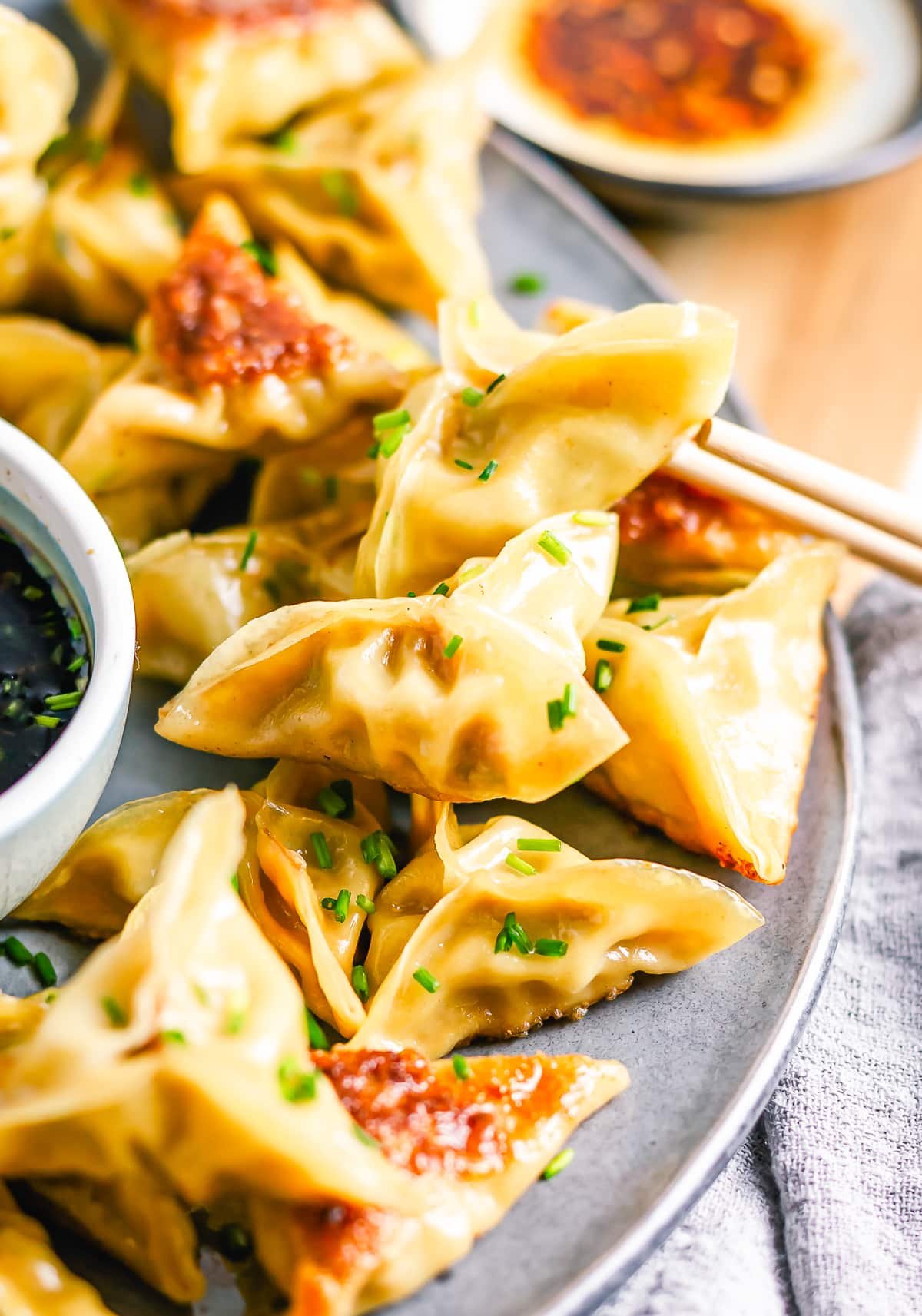
Credit: thissillygirlskitchen.com
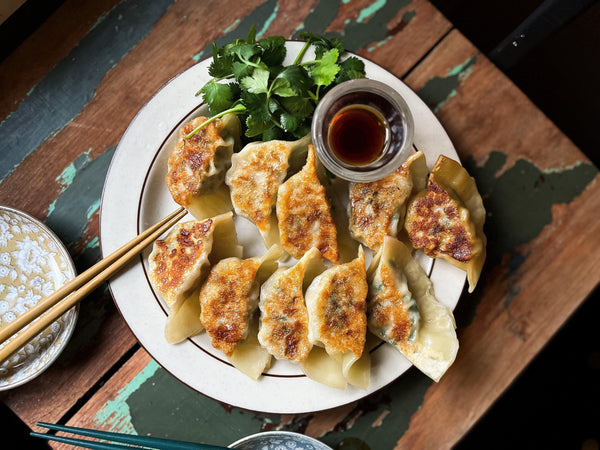
Credit: japanesetaste.com
Frequently Asked Questions
How Long Should I Pan Fry Gyoza?
Pan fry gyoza for 2-3 minutes on medium heat until the bottoms turn golden brown. Then add water and cover to steam.
What Oil Is Best For Pan Frying Gyoza?
Use vegetable oil, canola oil, or peanut oil. These oils have high smoke points and neutral flavors.
Should I Cover Gyoza While Pan Frying?
Yes, cover the pan after adding water. This steams the gyoza, cooking the filling thoroughly and softening the wrappers.
How Do I Prevent Gyoza From Sticking To The Pan?
Heat oil well before adding gyoza. Use a non-stick or cast iron pan and avoid overcrowding to prevent sticking.
Conclusion
Pan frying gyoza is simple and fun to try. Start with good heat and a bit of oil. Let the bottoms get crisp and golden. Add water carefully, then cover the pan to steam. Watch as the dumplings cook through and stay juicy inside.
Serve hot with your favorite sauce. Enjoy making tasty gyoza at home anytime. A few steps, great results. Easy, quick, and delicious every time.


