Do you want to transform your kitchen into a haven of flavors with a simple yet impressive dish? Learning how to pan fry cod might just be your golden ticket.
Imagine a perfectly cooked piece of fish, its exterior crispy and golden, with tender, flaky meat inside that melts in your mouth. This culinary magic is not reserved for seasoned chefs alone. You can achieve this in your own kitchen, armed with just a few basic ingredients and some insider tips.
This guide will walk you through the steps to create a dish that will not only delight your taste buds but also impress your family and friends. Dive in to discover how you can make this delicious meal part of your cooking repertoire.

Credit: thealmondeater.com
Choosing The Right Cod
Picking good cod is important for a tasty pan-fried dish. The right cod gives you a fresh flavor and a nice texture.
This guide helps you choose cod by looking at freshness, fillet size, and quality.
Fresh Vs Frozen Cod
Fresh cod has a mild smell and firm flesh. Frozen cod is good if frozen quickly after catching.
- Fresh cod should not smell fishy or sour.
- Frozen cod must be well wrapped without freezer burn.
- Use frozen cod within a few months for best taste.
- Thaw frozen cod slowly in the fridge before cooking.
Selecting Fillet Thickness
Thicker fillets cook evenly and stay moist. Thin fillets can dry out fast.
| Fillet Thickness | Cooking Result |
|---|---|
| Less than 1 inch | Dries out quickly, cooks fast |
| 1 to 1.5 inches | Best for pan frying, cooks evenly |
| More than 1.5 inches | Needs longer cooking time |
Checking For Quality
Good quality cod looks moist and white. It should not have dark spots or slimy parts.
- Firm texture that springs back when pressed
- Clear, shiny flesh without discoloration
- No strong fishy or sour smell
- Skin, if present, should look fresh and moist
Preparing The Cod Fillets
Preparing cod fillets correctly makes pan frying easier and tastier. Good preparation helps the fish cook evenly and develop a nice crust.
Focus on removing moisture, seasoning well, and using marinades if desired. These steps improve flavor and texture.
Patting Dry For Crispiness
Dry the cod fillets with paper towels before cooking. Removing surface moisture helps the fish brown nicely.
Press gently but firmly to absorb water. Avoid rubbing too hard to keep the fillets intact.
Seasoning Techniques
Season cod fillets just before cooking. Use simple spices to enhance the fish’s natural flavor.
- Sprinkle salt evenly on both sides
- Add black pepper for mild heat
- Use garlic powder or paprika for extra taste
- Lightly dust with flour for a crispy crust
Optional Marinating Tips
| Marinade Ingredient | Purpose |
|---|---|
| Lemon juice | Adds brightness and tenderizes |
| Olive oil | Prevents sticking and adds richness |
| Fresh herbs (dill, parsley) | Enhances aroma and flavor |
| Minced garlic | Gives a savory depth |
Marinate cod for 15 to 30 minutes. Avoid longer times to keep the fish firm and fresh.
Selecting The Best Pan And Oil
Pan frying cod needs the right pan and oil. These choices affect how the fish cooks and tastes. A good pan and oil help cook cod evenly and keep it moist.
Choosing the right tools makes cooking easier and results better. This guide explains which pans and oils work best for pan frying cod.
Choosing Non-stick Vs Cast Iron
Non-stick pans stop fish from sticking. They are easy to clean and need less oil. Cast iron pans hold heat well and create a nice crust on cod. They are heavier and need more care.
- Non-stick pans heat quickly and cook evenly.
- Cast iron pans keep heat longer for a crispy finish.
- Non-stick pans require gentle heat to avoid damage.
- Cast iron pans need seasoning to stay non-stick.
- Both pans can fry cod well if used properly.
Best Oils For Frying Cod
Choose oils with a high smoke point. These oils stay stable at frying temperatures and keep the fish taste clean. Avoid oils that burn easily.
| Oil | Smoke Point (°F) | Flavor |
| Canola Oil | 400 | Neutral |
| Vegetable Oil | 400 | Neutral |
| Peanut Oil | 450 | Mild Nutty |
| Avocado Oil | 520 | Light, Buttery |
Optimal Oil Temperature
Oil that is too cool makes fish soggy. Too hot oil burns the outside and leaves the inside raw. Aim for the right temperature for perfect cod.
- Heat oil to 350°F to 375°F for pan frying.
- Use a thermometer to check the temperature.
- Test oil by dropping a small piece of bread. It should bubble and brown in 60 seconds.
- Adjust heat as needed during cooking.

Credit: www.acouplecooks.com
Step-by-step Pan Frying Process
Pan frying cod is a simple way to cook this mild fish. It gives a crispy outside and tender inside. Follow these steps for the best results.
This guide covers heating the pan, placing the cod, cooking times, and how to avoid mistakes.
Heating The Pan Properly
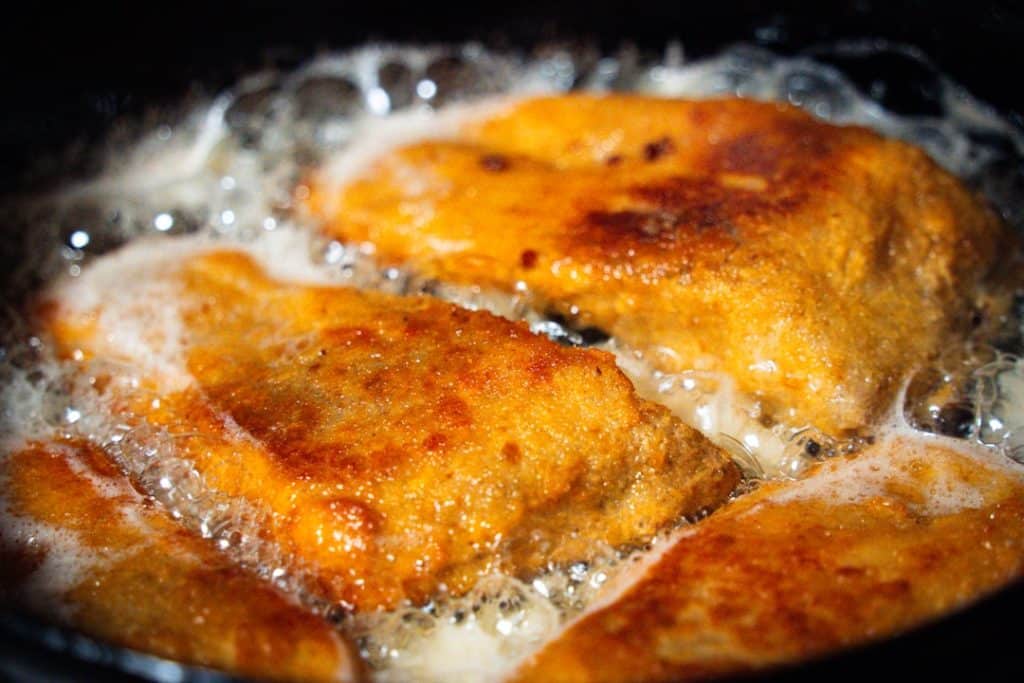
Start with a clean, dry pan. Use medium heat and add a small amount of oil. Let the oil heat until it shimmers but does not smoke.
Placing The Cod In The Pan
Gently place the cod fillets in the pan skin side down if the skin is on. Give each piece space to avoid steaming. Do not move the fish right away.
Cooking Times For Each Side
| Side | Cooking Time | Tips |
|---|---|---|
| First Side | 3-4 minutes | Cook until edges are opaque and golden brown |
| Second Side | 2-3 minutes | Flip carefully; cook until fish flakes easily |
Avoiding Common Mistakes
- Do not overcrowd the pan to keep heat even.
- Avoid flipping fish too early or too often.
- Use the right amount of oil to prevent sticking.
- Pat fish dry before cooking to help browning.
Achieving A Crispy Coating
Pan frying cod can give it a delicious, crispy coating. This texture makes the fish more enjoyable. Using the right techniques is key to get a golden crust.
The coating helps seal moisture inside the fish. This keeps the cod tender and juicy. Let’s explore some ways to create that perfect crispy layer.
Using Flour Or Breadcrumbs
Flour and breadcrumbs are common coatings for pan frying cod. Flour gives a light crust, while breadcrumbs add extra crunch. You can use one or combine both.
- Pat the cod dry before coating it to avoid sogginess.
- Lightly dredge the fish in flour for a thin crust.
- Use plain or panko breadcrumbs for a crunchier texture.
- Press breadcrumbs gently to stick well to the cod.
Adding Seasoned Coatings
Seasoning your coating boosts flavor and aroma. Mix spices and herbs into flour or breadcrumbs. This adds taste right on the surface of the fish.
| Ingredient | Suggested Amount | Flavor Effect |
| Salt | 1 teaspoon per cup | Enhances natural taste |
| Black Pepper | 1/2 teaspoon per cup | Adds mild heat |
| Garlic Powder | 1/2 teaspoon per cup | Gives a savory note |
| Paprika | 1/4 teaspoon per cup | Offers smoky color and flavor |
| Dried Herbs (thyme, parsley) | 1 teaspoon per cup | Provides fresh herbal taste |
Tips For Even Browning
Even browning makes the cod look and taste better. Use these tips to get a golden crust on both sides.
- Heat the pan and oil before adding the fish.
- Use medium heat to avoid burning the coating.
- Do not move the fish too soon; let it form a crust.
- Flip carefully with a spatula to keep the coating intact.
- Cook each side for about 3-4 minutes until golden brown.
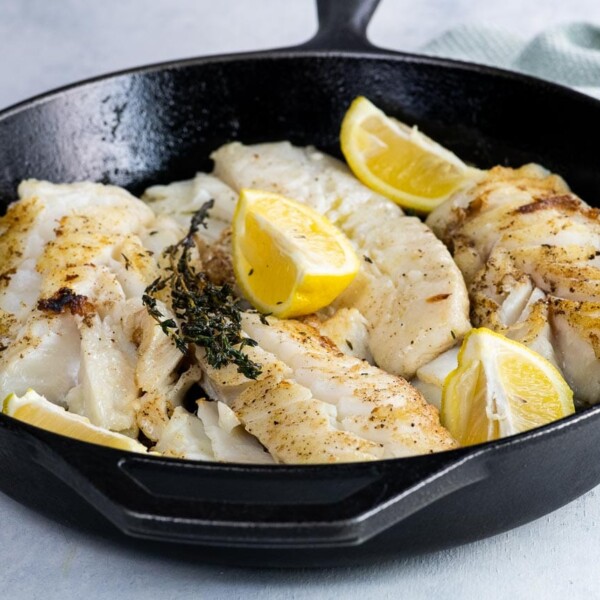
Credit: umamigirl.com
Serving Suggestions
Pan-fried cod is a simple, tasty dish that works well with many sides and sauces. You can make a full meal by pairing it with fresh, light flavors.
Choosing the right accompaniments will make your cod dish more enjoyable and balanced. Here are some ideas to try.
Complementary Sauces And Sides
Light sauces add flavor without overpowering the mild taste of cod. Simple sides keep the meal fresh and healthy.
- Tartar sauce with lemon zest
- Garlic butter sauce
- Fresh salsa or pico de gallo
- Steamed asparagus or green beans
- Roasted potatoes with herbs
- Simple garden salad with vinaigrette
- Rice pilaf or quinoa
Garnishing Ideas
Garnishes make your dish look nice and add small bursts of flavor. They keep the plate colorful and fresh.
- Chopped fresh parsley or dill
- Lemon wedges for squeezing
- Thin slices of radish
- Capers for a salty touch
- A sprinkle of paprika or black pepper
- Microgreens for a delicate finish
Storing And Reheating Leftovers
Keep leftover cod in an airtight container in the fridge. Use it within two days for best taste.
To reheat, warm gently in a pan over low heat. Avoid the microwave to keep the fish tender and flaky.
Frequently Asked Questions
How Long Should I Pan Fry Cod?
Pan fry cod for about 3-4 minutes per side. Cook until the fish is opaque and flakes easily with a fork. Avoid overcooking to keep it moist and tender.
What Oil Is Best For Pan Frying Cod?
Use oils with high smoke points like canola, vegetable, or avocado oil. These oils prevent burning and create a crispy crust on the cod.
Should I Season Cod Before Pan Frying?
Yes, season cod with salt, pepper, and optional herbs before cooking. Proper seasoning enhances the natural flavor and ensures a delicious result.
How Do I Prevent Cod From Sticking To The Pan?
Use a non-stick skillet and preheat the pan well before adding oil. Pat the cod dry to reduce moisture and avoid sticking.
Conclusion
Pan frying cod is simple and quick to do. Just follow the steps carefully for a tasty meal. Keep the pan hot and use fresh fish. Watch the fish closely to avoid overcooking. Serve it with your favorite sides for a healthy dish.
This method keeps the fish moist and flavorful. Try it again to get the best results. Enjoy your delicious pan-fried cod!