Packing up your kitchen can feel like a daunting task, especially when it comes to handling your beloved pots and pans. These are not just any kitchen items; they’re the tools you rely on to whip up family dinners and holiday feasts.
If you’re wondering How to Pack Kitchen Pots And Pans, the goal is to keep them safe from scratches and dents so they’re ready to use in your new home. Imagine the peace of mind you’ll feel knowing your cookware is protected and neatly organized, allowing you to settle in smoothly without worry.
In this guide, you’ll discover simple, foolproof methods to pack your pots and pans efficiently, saving you time and energy. Let’s dive in and make your moving process a breeze!
Choosing Pots And Pans To Pack
Packing kitchen pots and pans requires careful selection. You want to bring what you truly need.
Choosing the right cookware saves space and protects your items during the move.
Assessing Essential Cookware
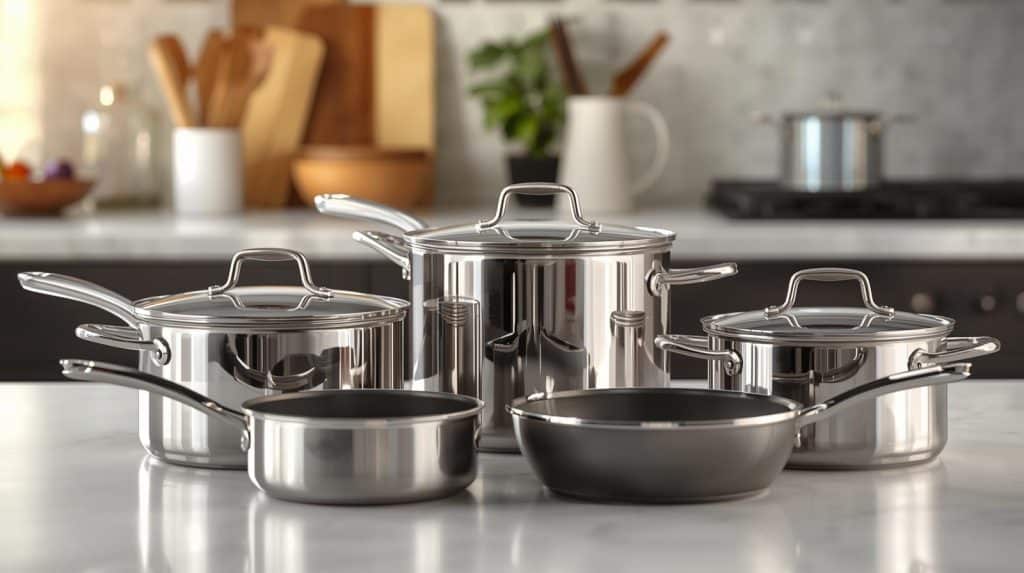
Start by listing the pots and pans you use every day. Focus on versatile pieces that work for many meals.
- Choose a medium-sized pot for soups and boiling.
- Select a frying pan for sautéing and frying.
- Include a saucepan for sauces and small meals.
- Pick a stockpot if you cook large meals often.
- Leave behind specialty items that you rarely use.
Sorting By Size And Material
Group your cookware by size and material. This helps pack them safely and efficiently.
| Cookware Type | Material | Packing Tips |
|---|---|---|
| Small Pan | Non-stick | Wrap separately to avoid scratches |
| Large Pot | Stainless Steel | Fill with smaller items to save space |
| Cast Iron Skillet | Cast Iron | Clean and dry well before packing |
| Saucepan | Aluminum | Stack with lids wrapped inside |

Credit: www.amazon.com
Cleaning And Preparing Cookware
Before packing your kitchen pots and pans, it is important to clean them properly. This keeps your cookware safe and ready for use after moving.
Good cleaning also helps prevent odors and stains from setting in. Proper care protects your pots and pans during transport.
Removing Residue And Odors
First, wash your pots and pans with warm soapy water. Use a soft sponge to remove food residue and grease.
To remove odors, sprinkle baking soda inside your cookware. Let it sit for 15 minutes before rinsing well.
- Use dish soap and warm water for cleaning
- Scrub gently to avoid scratching surfaces
- Apply baking soda to neutralize smells
- Rinse thoroughly to remove all cleaning agents
Drying And Polishing
After washing, dry each pot and pan completely with a clean towel. This stops water spots and rust from forming.
Polish stainless steel or copper cookware with a soft cloth. This keeps them shiny and looking new.
- Use a dry towel to remove moisture
- Air dry if possible to ensure full dryness
- Polish with a microfiber cloth for shine
- Avoid abrasive materials that can scratch surfaces
Stacking And Nesting Techniques
Packing kitchen pots and pans can save space and protect your items. Using proper stacking and nesting helps keep your cookware organized.
This guide explains easy ways to nest smaller pans inside larger ones and use pot lids as dividers.
Nesting Smaller Pans Inside Larger Ones
Nesting smaller pans inside larger ones saves space and prevents damage. Place each smaller pan inside a bigger pan carefully.
- Clean and dry pans before nesting to avoid scratches.
- Stack pans with similar shapes for better fit.
- Use a soft cloth or paper towel between pans to stop scratches.
- Keep handles aligned to avoid bending or damage.
- Do not stack too many pans to prevent tipping.
Using Pot Lids As Dividers
Pot lids can separate pans and protect surfaces. Use lids as dividers when stacking or nesting your cookware.
| Type of Lid | Best Use as Divider |
| Glass lids | Place between pans to prevent scratches and allow visibility |
| Metal lids | Use to add a firm layer between heavy pans |
| Plastic lids | Lightweight option to protect non-stick surfaces |
Using Padding And Protection
Packing kitchen pots and pans carefully keeps them safe during moves. Using good padding helps avoid dents and scratches. It also protects your cookware from breaking.
Choosing the right materials and wrapping important parts of your pots and pans will make your packing easier. This guide explains how to do it well.
Choosing The Right Packing Materials
Select soft and sturdy materials to protect your pots and pans. Avoid materials that can tear or do not cushion well. Good padding absorbs shocks and prevents scratches.
- Bubble wrap cushions and protects fragile pots
- Dish towels or old t-shirts add soft padding
- Foam sheets provide extra shock absorption
- Cardboard pieces help separate stacked pans
- Packing paper fills empty spaces in boxes
Wrapping Handles And Edges
Handles and edges are the most vulnerable parts of pots and pans. Wrap them carefully to avoid damage and prevent injuries when unpacking.
| Part | Wrapping Material | Why Use It |
| Handles | Bubble wrap or foam | Protects from bumps and keeps handles from breaking |
| Edges | Dish towels or packing paper | Prevents scratches and dents on rims and lids |
| Knobs | Bubble wrap and tape | Keeps knobs from loosening or breaking off |
Maximizing Space In Boxes
Packing kitchen pots and pans carefully saves space and protects them.
Using smart packing methods helps fit more items in fewer boxes.
Filling Gaps With Smaller Items
Use small kitchen tools to fill empty spaces inside boxes. This stops pots from moving.
- Place lids inside pots to save space.
- Fill gaps with utensils like spatulas and wooden spoons.
- Use oven mitts or towels to cushion fragile items.
- Stack smaller pans inside bigger ones carefully.
- Wrap fragile items in bubble wrap or cloth before placing.
Arranging Boxes For Stability
Arrange boxes so heavy ones sit at the bottom. Light boxes go on top.
| Box Type | Placement | Tips |
| Heavy pots and pans | Bottom | Place flat to avoid tipping |
| Medium-sized cookware | Middle | Fill gaps to keep stable |
| Light items (utensils, lids) | Top | Wrap to protect from damage |

Credit: www.amazon.com
Labeling And Organizing
Packing kitchen pots and pans needs good labeling and organizing. It helps find items fast later.
Clear labels and order make moving easier. You save time and avoid broken items.
Marking Boxes For Easy Identification
Write clear labels on each box. Use a marker or printed labels for neatness.
Include details about the pots and pans inside. Note size, type, and how fragile they are.
- Label boxes as “Pots” or “Pans”
- Add notes like “Heavy” or “Fragile”
- Write the room name, such as “Kitchen”
- Use large, clear letters for easy reading
Creating An Inventory List
Make a list of all pots and pans you pack. This helps track what you have.
Use a notebook or phone app to write down item names and box numbers. Check off items when unpacking.
| Box Number | Contents | Special Notes |
|---|---|---|
| Box 1 | Large pots, saucepans | Fragile, handle with care |
| Box 2 | Frying pans, lids | Stack lids separately |
| Box 3 | Small pots, baking pans | Heavy items at bottom |
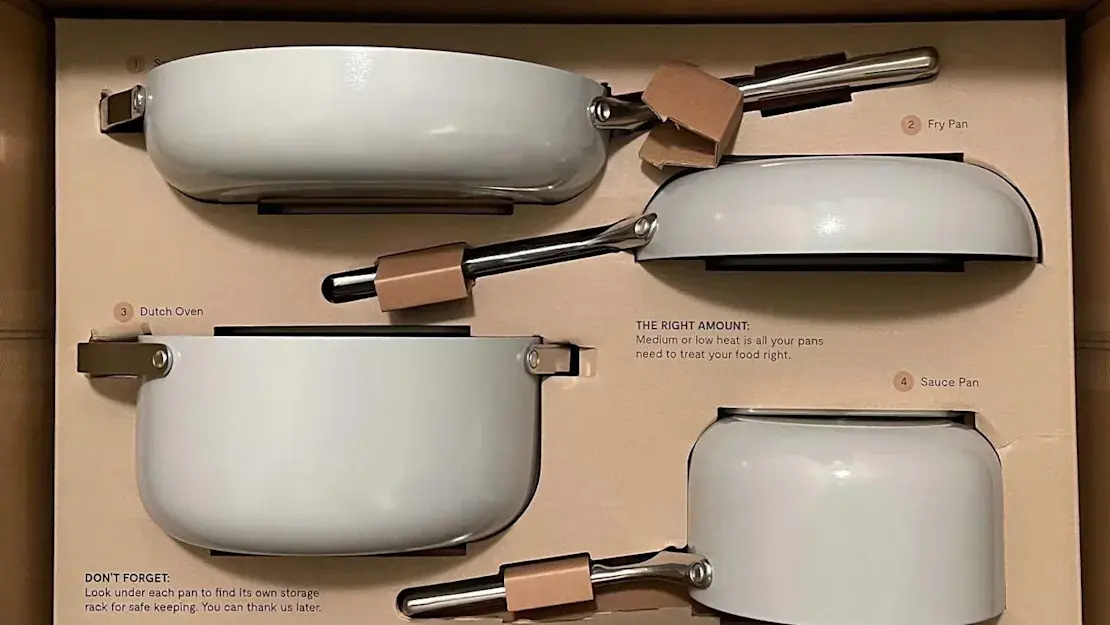
Credit: www.carawayhome.com
Frequently Asked Questions
How Do I Protect Pots And Pans During Packing?
Use bubble wrap or packing paper to cushion each pot and pan. Nest smaller pans inside larger ones to save space. Avoid stacking heavy items on top to prevent dents and scratches.
What Materials Are Best For Packing Kitchen Cookware?
Use sturdy boxes, bubble wrap, packing paper, and dish towels. These materials prevent damage and absorb shocks during transit. Avoid using newspaper as ink can transfer to cookware.
Should I Separate Lids From Pots And Pans?
Yes, pack lids separately to avoid scratches and breakage. Wrap lids in bubble wrap or towels and label them. Keeping lids separate also makes unpacking easier and more organized.
How Can I Save Space When Packing Pots And Pans?
Nest pots and pans by size to maximize space. Use cloth or paper between them to avoid scratches. Fill empty spaces with dish towels or kitchen linens for added padding.
Conclusion
Packing kitchen pots and pans can be easy and safe. Use soft cloths or paper to protect them from scratches. Stack pots inside one another to save space. Place lids separately to avoid damage. Label your boxes to find items quickly.
Take your time and stay organized. This way, your kitchen tools will stay in good shape. Ready to cook in your new home without any hassle!