Is the space under your kitchen sink a chaotic jumble of cleaning supplies, grocery bags, and mysterious odds and ends? You’re not alone.
Many people find this small area becomes a disorganized mess that makes it hard to find what you need. Imagine opening that cabinet and finding everything neatly in its place, accessible and organized. Sounds like a dream, right? In this guide, you’ll discover simple yet effective ways to transform that cluttered space into a tidy, efficient storage area.
With just a few tweaks and some clever organizing tips, you can reclaim your under-sink cabinet and make it work for you, not against you. Ready to make your kitchen more functional and stress-free? Let’s dive in!
Assess The Space
Organizing the kitchen sink cabinet starts with knowing the space you have. Take time to look inside and think about what fits well.
By assessing the space, you can plan smart storage that makes your kitchen neat and easy to use.
Measure Dimensions
Use a tape measure to check the width, depth, and height inside the cabinet. Write down these numbers for reference.
Knowing the exact size helps you pick containers and organizers that fit perfectly without wasting space.
Identify Obstacles
Look for pipes, garbage disposals, or other items that take up space inside the cabinet. Mark where these are.
These obstacles limit where you can place storage. Avoid blocking them to keep everything working well.
- Water pipes near the back wall
- Garbage disposal under the sink
- Electrical outlets or switches
- Support braces or beams
Note Usage Patterns
Think about how often you use items stored under the sink. Keep daily items easy to reach and less used items in the back.
This helps you arrange things so you do not have to move many items to find what you need.
- Cleaning sprays used daily
- Extra sponges and brushes
- Trash bags and recycling bins
- Seasonal or rare-use items
Declutter And Clean
Keeping your kitchen sink cabinet neat helps you find what you need fast. It also prevents bad odors and mess.
Follow simple steps to remove clutter and clean the area well. This makes your kitchen safer and more pleasant.
Remove Unnecessary Items
Start by taking everything out of the cabinet. Check each item and decide if you really use it.
- Throw away empty or expired cleaning products
- Donate items you no longer need
- Recycle containers that you do not use
- Keep only what you use regularly
Deep Clean Cabinet Interior
After emptying the cabinet, clean all surfaces well. This removes dirt, mold, and spills.
| Cleaning Task | Materials Needed | Tips |
| Wipe shelves and walls | Warm soapy water, sponge | Use a soft cloth to avoid scratches |
| Scrub corners | Old toothbrush | Reach tight spots carefully |
| Dry all surfaces | Clean dry towel | Prevent moisture buildup |
Sort Items By Category
Put items back by grouping similar things together. This keeps the cabinet tidy and easy to use.
- Place cleaning sprays and bottles in one area
- Keep sponges and brushes in a separate bin
- Store trash bags and liners together
- Use small containers to hold loose items
Choose Storage Solutions
Organizing your kitchen sink cabinet makes your space neat and easy to use. Choosing the right storage tools helps keep everything in order.
Good storage solutions save time and reduce clutter. Pick options that fit your needs and cabinet size.
Use Stackable Bins
Stackable bins use vertical space inside the cabinet. They help separate cleaning supplies and keep items visible.
Clear bins make it easy to find what you need fast. Label each bin for quick access.
- Choose bins that fit your cabinet height
- Stack smaller bins on larger ones
- Use bins to group similar items
- Label bins for easy sorting
Install Pull-out Drawers
Pull-out drawers let you reach items at the back easily. They slide out smoothly, saving you from bending down.
You can organize items by type in each drawer. This keeps things tidy and quick to find.
- Measure your cabinet width and depth
- Choose drawers that fit your space
- Install smooth gliding hardware
- Sort items by use in each drawer
Add Tension Rods
Tension rods divide space vertically inside the cabinet. You can hang spray bottles or cleaning cloths.
This keeps bottles upright and stops spills. It also frees up shelf space for other items.
- Place rods at different heights
- Hang spray bottles by their handles
- Use rods for dish towels or brushes
- Adjust rods to fit cabinet width
Incorporate Door Racks
Door racks use the inside of cabinet doors for extra storage. They hold small items like sponges and brushes.
This keeps counters clear and items within reach. You can install racks with screws or adhesive strips.
- Choose racks that fit your door size
- Store lightweight cleaning tools
- Place racks where they won’t block doors
- Use removable racks for easy cleaning
:max_bytes(150000):strip_icc()/GettyImages-1405396332-4708b92fa11642eda2ebb8081bf44c82.jpg)
Credit: www.thespruce.com
Maximize Vertical Space
Organizing under your kitchen sink can be tricky because of limited space. Using vertical space helps fit more items neatly.
Stacking and hanging items keeps the area tidy and easy to access. It prevents clutter and makes cleaning easier.
Add Shelving Units
Shelving units create extra layers inside the cabinet. They allow you to store more items without piling them up.
Use adjustable shelves to fit different bottle sizes and containers. This keeps everything visible and reachable.
- Choose stackable or tiered shelves
- Use plastic or metal shelves for durability
- Place frequently used items on lower shelves
- Store less used items on upper shelves
Hang Cleaning Tools
Hanging cleaning tools like brushes and spray bottles saves floor space. It also keeps tools dry and organized.
Use a tension rod or a small rail to hang tools by their handles. This method works well for brooms, mops, and brushes.
- Install a tension rod across the cabinet
- Hang spray bottles by their trigger
- Use clips or hooks for brushes and dustpans
- Keep the rod easy to reach
Use Hooks And Hangers
Hooks and hangers attach to the cabinet walls or doors. They hold small items and keep them off the cabinet floor.
Hang gloves, sponges, or small bags to free up shelf space. This keeps the cabinet neat and prevents damage to items.
- Stick adhesive hooks inside cabinet doors
- Hang rubber gloves and scrubbers
- Use S-hooks on a tension rod for bags
- Place hooks where items are easy to grab
Label And Arrange
Organizing the kitchen sink cabinet can save time and keep things tidy. Labeling and arranging items helps you find what you need quickly.
Use simple tools and clear zones to make the space work better. This guide shows how to label and arrange your cabinet well.
Use Clear Containers
Clear containers let you see what is inside without opening them. This saves time and keeps things neat under the sink.
Choose containers that fit the space well and hold items like sponges, brushes, and cleaners.
- Pick containers with lids to avoid spills
- Use stackable containers to save space
- Group similar items together inside containers
Create Zones For Items
Separate the cabinet into zones for different item types. Zones keep cleaning supplies, tools, and trash bags apart.
Label each zone to remind yourself where things belong. This keeps the cabinet organized every day.
- Cleaning products zone
- Dishwashing tools zone
- Trash and recycling bags zone
Label Bins And Shelves
Use labels on bins and shelves to show what goes where. Clear labels make it easy for everyone in the home.
Labels reduce clutter by guiding you to put items back in the right place.
- Write simple names like “Sponges” or “Sprays”
- Place labels at eye level for easy reading
- Use waterproof labels to avoid damage

Credit: www.amazon.ca
Maintain Organization
Keeping your kitchen sink cabinet organized saves time and stress. A tidy space makes it easy to find cleaning supplies and tools.
Regular upkeep helps prevent clutter build-up and keeps the cabinet functional. Simple habits maintain order over time.
Regularly Review Contents
Check the items under your sink once a month. Remove empty bottles and expired products. This stops clutter from growing.
- Throw away old sponges and brushes
- Recycle empty containers
- Group similar items together
- Make a note of supplies to restock
Implement Easy Cleanup Habits
Clean the cabinet floor and shelves regularly. Wipe spills and dirt to avoid stains and smells. Keep cleaning tools accessible.
| Habit | Benefit |
| Wipe shelves weekly | Prevents dirt build-up |
| Keep cloths dry | Stops mold growth |
| Store items in bins | Easier to clean |
Adjust Layout As Needed
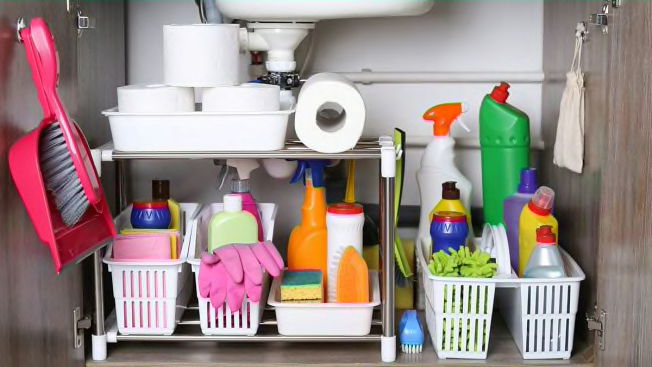
Change your cabinet setup if you add new items or find things hard to reach. Move frequently used supplies to the front.
Try this simple layout plan:
- Place daily-use items on the top shelf
- Store less used products in clear bins below
- Use hooks inside the door for gloves or brushes
Credit: www.consumerreports.org
Frequently Asked Questions
How Can I Maximize Space Under The Kitchen Sink?
Use stackable bins, sliding organizers, and tension rods. Group similar items to avoid clutter. Vertical storage helps utilize height efficiently.
What Are The Best Containers For Sink Cabinet Storage?
Clear plastic bins or baskets work best. They keep items visible and organized. Choose moisture-resistant materials to prevent damage.
How Often Should I Clean Under The Kitchen Sink?
Clean at least once every three months. Remove all items, wipe surfaces, and check for leaks. Regular cleaning prevents odors and mold growth.
What Items Should I Store Under The Kitchen Sink?
Store cleaning supplies, sponges, trash bags, and dish soap. Avoid storing heavy or hazardous items that may spill or leak.
Conclusion
Organizing your kitchen sink cabinet saves time and reduces stress. Start by sorting items into groups. Use containers or baskets to keep things tidy. Clear out what you don’t need. Labeling helps find things quickly. Regularly check and clean the space to keep it neat.
A well-organized cabinet makes daily tasks easier. Small steps lead to big improvements. Try these tips and enjoy a clutter-free kitchen. Simple changes can make a big difference. Keep your space clean and functional every day.