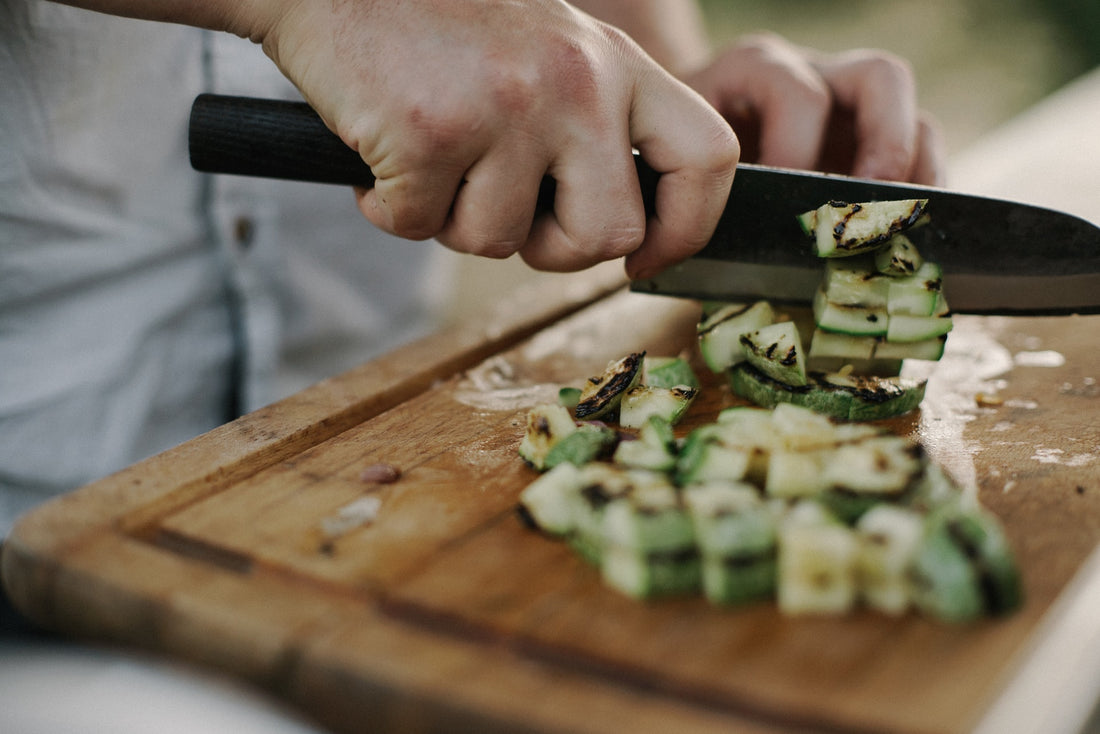
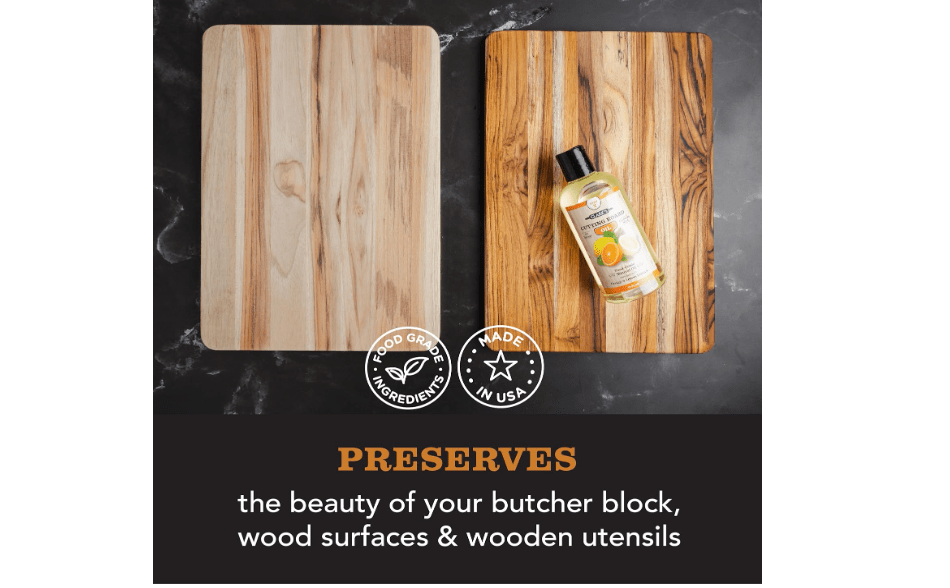
Do you want to keep your cutting board in top-notch condition? Imagine slicing fresh vegetables and juicy meats on a board that not only looks great but also lasts longer.
Oiling your cutting board with mineral oil is the secret to maintaining its beauty and durability. It's a simple task that can make a big difference in your kitchen. In this guide, you'll discover the step-by-step process to oil your cutting board efficiently, ensuring it remains a staple in your culinary adventures.
Curious about how a little oil can protect your board from cracks and stains? Keep reading to uncover the benefits and techniques that will transform your cutting board into a kitchen ally for years to come.
Credit: treecarezone.com
Choosing The Right Mineral Oil
Oiling your cutting board keeps it safe and looking good. Mineral oil is the best choice for this job.
Picking the right mineral oil is important. Not all mineral oils are safe for food use.
Food-grade Vs. Non-food Grade
Food-grade mineral oil is safe to use on surfaces that touch food. It is purified and free of harmful chemicals.
Non-food grade mineral oil is meant for industrial use. It may contain additives that are not safe for your kitchen.
- Food-grade oil is tested for safety with food contact.
- Non-food grade oil can cause health risks if used on cutting boards.
- Always check the label for "food-grade" before buying.
Benefits Of Mineral Oil For Cutting Boards
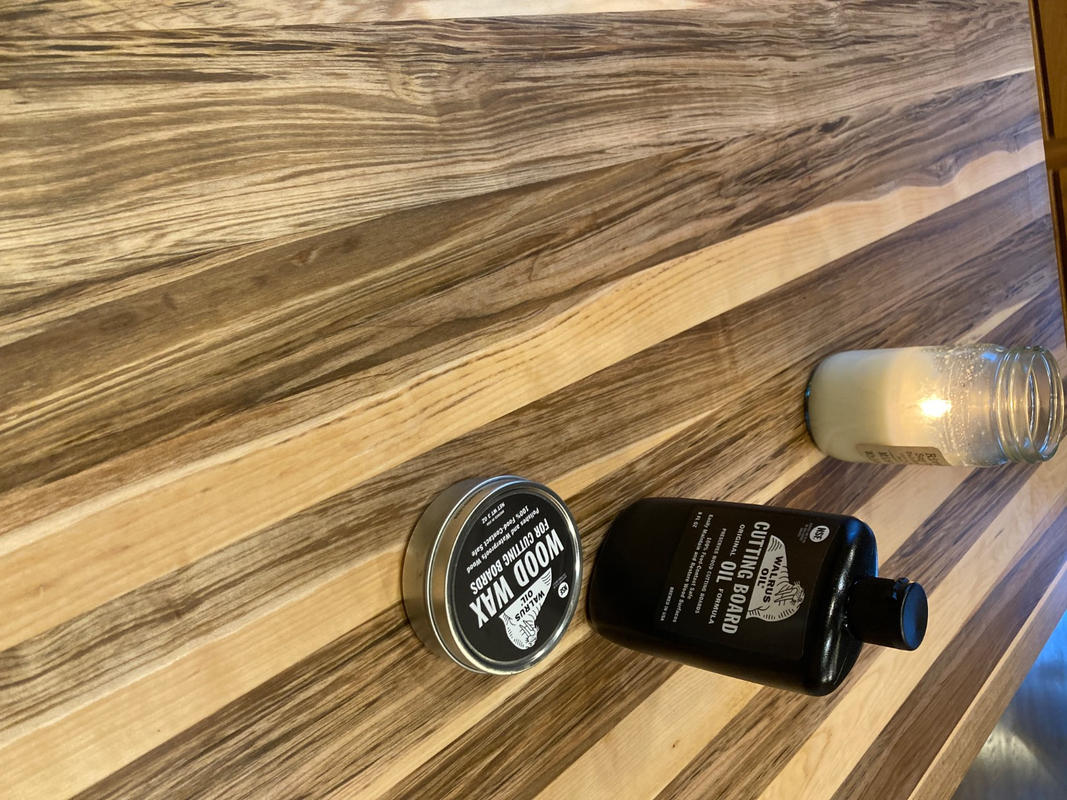
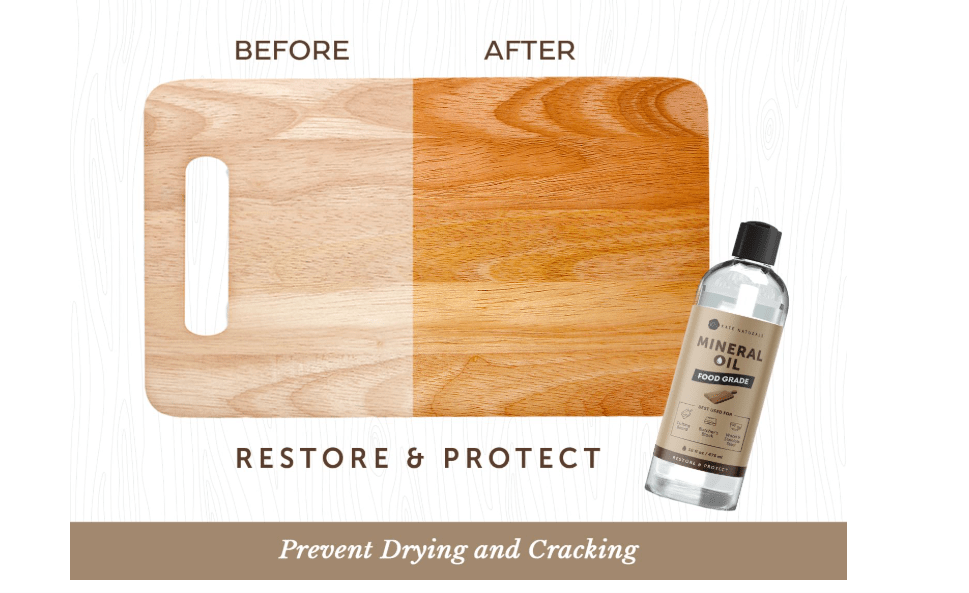
Mineral oil protects your cutting board from drying out and cracking. It soaks into the wood and forms a barrier.
This oil also helps stop water and food from soaking into the board. It keeps your board cleaner and safer to use.
- Prevents wood from drying and cracking
- Creates a water-resistant surface
- Helps keep the board clean and safe
- Easy to apply and non-toxic
Credit: walrusoil.com
Preparing Your Cutting Board
Oiling your cutting board with mineral oil keeps it in good shape. Proper preparation helps the oil soak in well. Clean and smooth the board first for best results.
Two main steps prepare your board: cleaning and drying, then sanding for smoothness. Each step protects the wood and improves oil absorption.
Cleaning And Drying
Start by washing your cutting board with warm water and mild soap. Avoid soaking it to stop warping or cracking. Dry the board fully before oiling.
- Use a soft sponge or cloth to clean.
- Rinse with clean water to remove soap.
- Wipe the board dry with a towel.
- Let it air dry standing up for several hours.
- Ensure no moisture remains on or inside the wood.
Sanding For Smoothness
Sanding makes the surface smooth and ready for oil. Use fine-grit sandpaper to remove scratches and rough spots. Sand with the wood grain to avoid damage.
| Sandpaper Grit | Purpose |
| 120-150 | Remove deep scratches and marks |
| 220-320 | Smooth the surface for oiling |
Applying Mineral Oil
Oiling your cutting board with mineral oil keeps it protected and looking good. It prevents the wood from drying out and cracking.
This guide shows you how to apply mineral oil the right way. Follow simple steps for a well-oiled cutting board.
Tools Needed
You need a few basic tools to oil your cutting board properly. These help spread the oil evenly and keep the board clean.
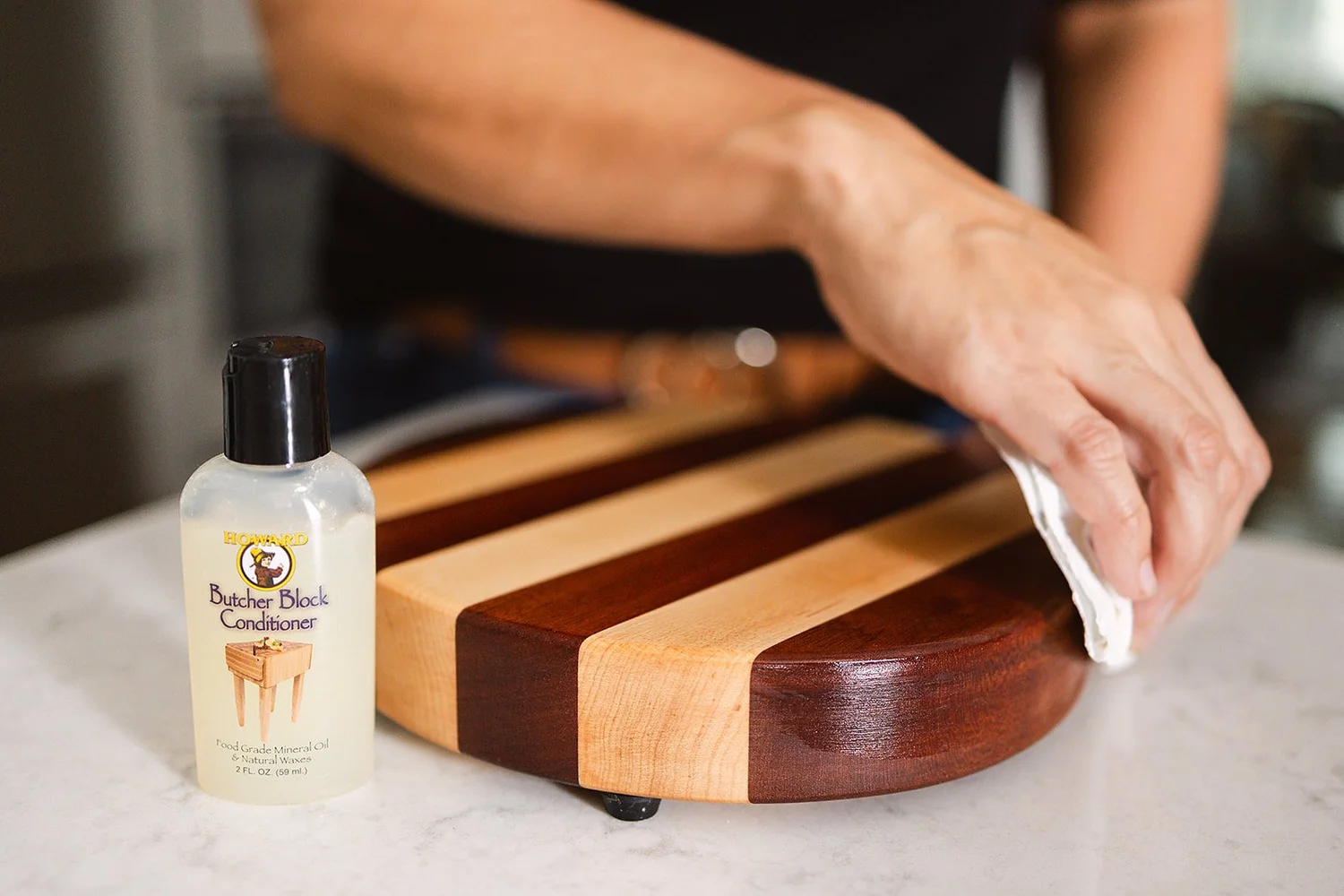
- Mineral oil (food grade)
- Clean, soft cloth or paper towels
- Plastic or silicone brush (optional)
- Gloves (optional, for sensitive skin)
- Dry towel for wiping excess oil
Step-by-step Application Process
Start by cleaning the cutting board and letting it dry. Then, apply the oil in smooth, even strokes.
- Pour a small amount of mineral oil on the board.
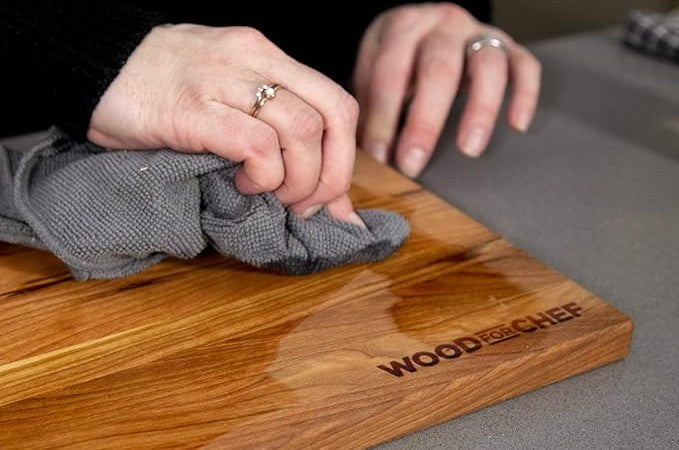
- Use a cloth or brush to spread the oil over the surface.
- Cover all sides and edges evenly.
- Let the oil soak in for at least 20 minutes.
- Wipe off any extra oil with a dry towel.
- Repeat if the board looks dry or new.
How Much Oil To Use
Use just enough oil to cover the board’s surface lightly. Too much oil can make the board sticky or soft.
- For a small board, use about 1 tablespoon of oil.
- For a medium board, use 2 to 3 tablespoons.
- For a large board, use up to 4 tablespoons.
- Apply more if the wood absorbs the oil quickly.
Credit: treecarezone.com
Aftercare Tips
Oiling your cutting board with mineral oil keeps it safe and long-lasting. Proper aftercare helps the oil soak in well. It also prevents damage and dryness.
Follow simple tips to maintain your board after oiling. These tips keep your board smooth and clean.
Drying Time
Let the oil soak into the wood fully before using the board. This usually takes several hours. Avoid wiping the board too soon to keep the oil inside.
For best results, leave the board to dry overnight. This gives the oil enough time to protect the wood.
Frequency Of Oiling
Oil your cutting board regularly to keep it in good shape. How often depends on use and condition. A good rule is to oil every few weeks.
If the board looks dry or feels rough, it needs oiling. Using oil often keeps the wood from cracking or warping.
- Oil once a month for frequent use
- Oil every 2-3 months for light use
- Check the surface for dryness before oiling
Avoiding Common Mistakes
Do not use cooking oils like olive or vegetable oil. They can turn rancid and smell bad. Always use pure mineral oil made for cutting boards.
Do not soak the board in water after oiling. Water can wash away the oil and damage the wood. Wipe the board gently with a damp cloth instead.
- Use only food-safe mineral oil
- Do not apply too much oil at once
- Wipe off excess oil after 20 minutes
- Keep the board dry and clean between oilings
Maintaining Cutting Board Longevity
Oiling your cutting board with mineral oil helps keep it in great shape. Regular care can stop cracks and warping. This guide covers easy ways to clean and refresh your board.
Good maintenance extends the life of your cutting board. It also makes food preparation safer and more hygienic.
Regular Cleaning Practices
Clean your cutting board after every use. Avoid soaking it in water to prevent damage. Use mild soap and warm water for washing. Dry the board completely before oiling.
- Wash with mild dish soap and warm water
- Rinse thoroughly to remove all soap
- Dry with a clean towel immediately
- Let it air dry standing up
- Apply mineral oil once it is fully dry
Dealing With Stains And Odors
Stains and odors can build up over time. Use natural cleaning methods to keep your board fresh. Lemon and baking soda work well for this purpose.
| Problem | Solution | Instructions |
|---|---|---|
| Stains | Baking soda paste | Mix baking soda and water, scrub gently, rinse, dry |
| Odors | Lemon rub | Cut lemon in half, rub on surface, let sit 5 minutes, rinse |
Alternatives To Mineral Oil
Mineral oil is popular for oiling cutting boards. It soaks into wood and protects it from water. Some people want natural options instead.
Natural oils and beeswax blends work well to keep boards smooth. These alternatives also help stop cracking and drying.
Beeswax Blends
Beeswax blends mix beeswax with natural oils. They create a thick coating on the board's surface. This coating seals the wood and keeps moisture out.
You can buy ready-made blends or make your own at home. Mix beeswax with oils like coconut or olive oil for a smooth finish.
- Apply the blend with a soft cloth
- Rub it in until the board feels smooth
- Let it sit to absorb before wiping off excess
Other Natural Oils
Many natural oils work well on cutting boards. These oils soak into wood and protect it. Some popular choices include coconut oil, walnut oil, and linseed oil.
Choose oils that do not go rancid quickly. Food-safe and pure oils are best. Avoid flavored or scented oils to keep food taste clean.
- Coconut Oil:Solid at room temperature, easy to apply
- Walnut Oil:Absorbs well, but watch for nut allergies
- Linseed Oil:Needs curing time, gives a hard finish
Frequently Asked Questions
How Often Should I Oil My Cutting Board With Mineral Oil?
You should oil your cutting board once a month. Regular oiling prevents drying and cracking. It keeps the board smooth and extends its life. If you use the board frequently, oil it more often for better protection.
Can I Use Mineral Oil On All Types Of Cutting Boards?
Mineral oil is safe for wooden and bamboo cutting boards. Avoid using it on plastic or glass boards. It penetrates wood fibers, preserving and protecting the surface. Always use food-grade mineral oil for best results.
How Much Mineral Oil Should I Apply To The Board?
Apply enough mineral oil to cover the entire surface. Use a clean cloth to spread a thin, even layer. Let it soak for a few hours or overnight. Wipe off any excess oil before use.
Is Mineral Oil Better Than Other Oils For Cutting Boards?
Yes, mineral oil is non-toxic and odorless. Unlike vegetable oils, it does not go rancid. It effectively moisturizes and protects wood without harming food. This makes mineral oil the best choice for cutting boards.
Conclusion
Oiling your cutting board with mineral oil keeps it safe and strong. It stops the wood from drying out and cracking. A well-oiled board lasts longer and stays clean. Apply oil regularly to protect your board every time. Simple steps make a big difference in care.
Your kitchen tool will look fresh and work better. Take a little time for this easy task. Enjoy cooking on a smooth, healthy cutting surface.