Turning your kitchen waste into compost is like giving back to the earth. It’s a simple process that not only reduces the amount of garbage you throw away but also enriches your garden soil, making it more fertile and productive.
Imagine the satisfaction of nurturing your plants with compost you’ve made yourself. It’s environmentally friendly, cost-effective, and surprisingly easy. By the end of this article, you’ll discover how to transform everyday kitchen scraps into valuable compost. Dive in, and let’s explore how you can contribute to a healthier planet, starting from your own kitchen.
Your garden will thank you, and you’ll be amazed at the results.
Credit: canadale.ca
Benefits Of Composting Kitchen Waste
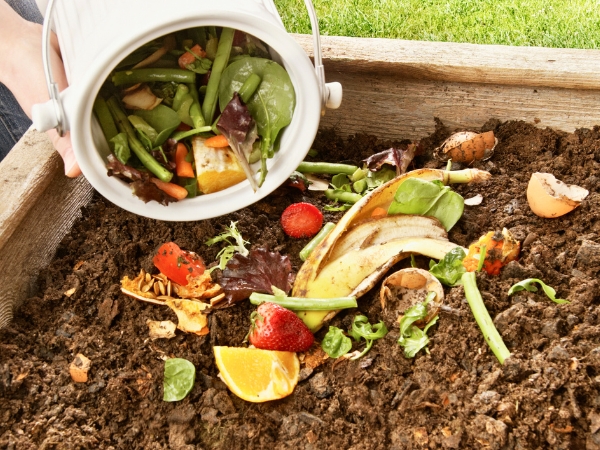
Composting kitchen waste turns food scraps into useful material. It helps reduce trash sent to landfills.
Using compost improves garden soil and supports plant growth naturally. It is an easy way to help the environment.
Reducing Household Waste
Composting lowers the amount of garbage your home creates. This means less waste in bins and trucks.
Food scraps like fruit peels and vegetable bits break down instead of going to the dump.
- Less landfill space needed
- Fewer garbage pickups
- Less bad smell from trash
Enhancing Soil Health
Compost adds nutrients to soil that plants need to grow strong. It makes soil soft and full of life.
Healthy soil holds water better and helps roots grow deeper.
- Improves soil texture
- Increases nutrient content
- Supports beneficial microorganisms
Saving Money On Fertilizers
Homemade compost works as a natural fertilizer. You spend less on store-bought chemicals.
Using compost helps plants grow without extra costs for fertilizers.
- Reduces need to buy fertilizers
- Promotes organic gardening
- Cost-effective for garden care
Choosing The Right Composting Method
Composting kitchen waste is a great way to reduce trash and create rich soil. Picking the right method helps you compost faster and easier.
Different composting methods work best for different spaces and types of waste. Learn about three common methods to find what fits you.
Traditional Compost Pile
A traditional compost pile is a simple and natural way to recycle kitchen scraps. You pile organic waste in one spot and let it break down over time.
- Choose a dry, shady spot in your yard.
- Mix green waste like fruit peels with brown waste like dry leaves.
- Turn the pile every few weeks to add air.
- Keep the pile moist but not too wet.
Compost Bin Options
Compost bins keep your kitchen waste neat and speed up decomposition. They come in many styles and sizes to fit your needs.
| Bin Type | Description | Best For |
| Plastic Tumbler | Rotates easily to mix compost | Small yards, fast composting |
| Wire Mesh Bin | Good airflow, simple design | Large yards, budget-friendly |
| Closed Compost Bin | Keeps pests out, retains heat | Urban areas, pest control |
Vermicomposting With Worms
Vermicomposting uses special worms to turn kitchen scraps into rich compost. It works well indoors or outdoors.
Benefits of vermicomposting include:
- Fast breakdown of food waste
- Minimal space needed
- Produces nutrient-rich worm castings
- Less odor than other methods
Preparing Kitchen Waste For Composting
Composting kitchen waste helps reduce garbage and creates rich soil. Proper preparation speeds up composting and prevents smells.
Sorting and handling your kitchen scraps correctly makes your compost pile healthy and balanced. Let’s look at how to prepare kitchen waste.
Types Of Compostable Kitchen Waste
Many kitchen scraps break down easily in compost. These include fruit and vegetable peels, coffee grounds, and eggshells.
- Fruit scraps like apple cores and banana peels
- Vegetable trimmings such as carrot tops and potato skins
- Used coffee filters and grounds
- Crushed eggshells
- Tea bags without plastic
- Leftover bread and grains in small amounts
Avoiding Problematic Materials
Some kitchen items slow down compost or cause bad smells. Avoid adding meat, dairy, and oily foods to your compost pile.
Plastic, glass, and metal never break down and must not go in compost. Also skip diseased plants or weeds with seeds.
- Do not add meat or fish scraps
- Avoid dairy products like cheese or milk
- Skip oily or greasy foods
- Never put plastic, glass, or metal
- Exclude diseased plants and invasive weeds
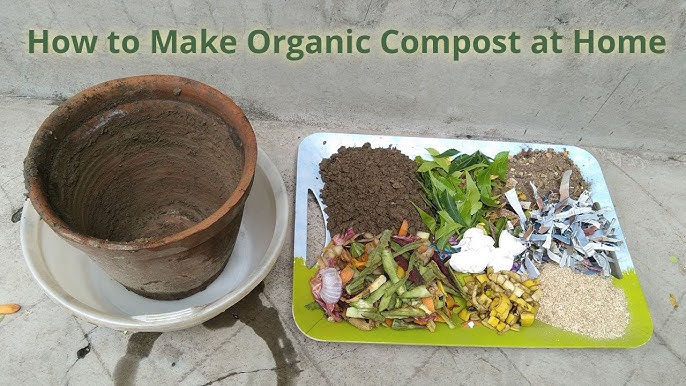
Chopping And Mixing Waste
Cut kitchen waste into small pieces to help it break down faster. Smaller bits allow microbes to work better.
Mix green waste (wet scraps) with brown waste (dry materials) like leaves or paper. This balance stops bad odors and improves compost quality.
- Chop scraps into small pieces before adding
- Mix green waste with dry brown waste evenly
- Turn compost pile regularly to add air
- Keep compost moist but not wet
Credit: www.youtube.com
Setting Up Your Compost Area
Setting up a compost area helps turn kitchen waste into useful soil. It is easy to do with some planning.
A good compost area saves space and makes composting faster. Let’s look at how to set it up well.
Selecting A Location
Pick a spot outside that is dry and has good air flow. The area should be easy to reach from your kitchen.
A shaded place is best to keep the compost from drying out too fast. Avoid places near your house walls.
- Choose a flat surface with good drainage
- Keep it near a water source for easy watering
- Avoid windy spots to keep moisture in
Layering Green And Brown Materials
Compost needs green materials like fruit scraps and brown materials like dry leaves. Layering them helps break down waste.
Start with a layer of brown material to help air flow. Then add green material. Repeat layers until your pile grows.
- Brown materials: dry leaves, paper, cardboard
- Green materials: vegetable scraps, coffee grounds, grass clippings
- Keep layers about 3-6 inches thick
Maintaining Proper Moisture
Compost needs to be moist like a damp sponge. Too much water causes smell and too little slows breakdown.
Check your compost weekly. Add water if dry. Turn the pile to help air flow and keep moisture even.
- Water compost when it feels dry to touch
- Cover compost in rain to avoid too much water
- Turn compost every 1-2 weeks to add air
Maintaining The Compost Pile
Keeping your compost pile healthy is key to making good compost. Proper care helps break down kitchen waste faster.
Regular attention to the pile ensures it stays balanced and avoids problems like bad smells or pests.
Turning And Aerating Regularly
Turning the compost pile brings fresh air inside. This helps the microbes break down waste faster.
Use a pitchfork or shovel to mix the pile every few days. This stops the compost from getting too wet or smelly.
- Turn the pile about once a week
- Mix the outer layers into the center
- Check moisture and add water if dry
Monitoring Temperature
Compost piles produce heat as they break down. This heat kills bad germs and speeds up composting.
Use a compost thermometer to check the temperature. Ideal heat is between 130°F and 150°F (54°C and 66°C).
- Check temperature 2-3 times a week
- If too hot, turn the pile to cool it down
- If too cold, add green materials like kitchen scraps
Managing Odors And Pests
Good compost should not smell bad. Rotten smells mean the pile is too wet or lacks air.
Keep pests away by covering fresh food scraps with brown materials like dry leaves or paper.
- Turn the pile often to add oxygen
- Balance wet and dry materials
- Cover food scraps to prevent pests
- Use a compost bin with a lid if needed

Credit: www.youtube.com
Harvesting And Using Finished Compost
Finished compost is rich, dark, and full of nutrients. It helps your plants grow healthy and strong.
Knowing when and how to harvest compost is key to using it well in your garden.
Signs Compost Is Ready
Finished compost looks dark brown or black. It smells earthy and fresh. You won’t see food scraps or leaves.
The texture is crumbly and soft. The compost feels warm or cool but not hot. It should not be wet or slimy.
- Dark brown or black color
- Earthy, fresh smell
- No visible food or plant pieces
- Crumbly, soft texture
- Warm or cool temperature
- Not wet or slimy
How To Harvest Compost
Use a small shovel or garden fork to dig up compost from the pile or bin. Start from the bottom or the center.
Separate finished compost from materials that need more time. Return unfinished scraps back to the pile to decompose more.
- Dig compost gently with a shovel or fork
- Take compost from bottom or center
- Sort out unfinished scraps
- Put unfinished scraps back in pile
Applying Compost In Your Garden
Spread a layer of compost on your garden soil. Use about 2 to 3 inches thick for best results.
Work the compost into the soil with a rake or hoe. This helps improve soil texture and fertility.
- Apply 2 to 3 inches of compost on soil surface
- Mix compost gently into topsoil
- Use compost around plants or in flower beds
- Water after applying to help nutrients soak in
Troubleshooting Common Composting Issues
Composting kitchen waste is easy but sometimes problems slow the process. Knowing how to fix common issues helps your compost break down quickly.
This guide covers how to deal with slow decomposition, excess moisture, and pests in your compost pile.
Dealing With Slow Decomposition
Slow decomposition happens when materials do not break down fast enough. This may be caused by poor aeration or lack of nitrogen.
- Turn the compost pile regularly to add air.
- Add green materials like vegetable scraps or grass clippings for nitrogen.
- Chop waste into small pieces to speed up breakdown.
- Keep the compost moist but not wet.
Fixing Excess Moisture
Too much water makes compost soggy and smelly. It slows down the process and attracts pests.
| Problem | Solution |
| Water pooling on top | Cover pile with a tarp or lid |
| Compost smells bad | Mix in dry materials like leaves or shredded paper |
| Compost feels wet and heavy | Turn pile to add air and dry it out |
| Compost is compacted | Break it up and add bulky dry materials |
Controlling Unwanted Pests
Pests like rodents or flies can appear if compost attracts them. Keep pests away to protect your compost and garden.
- Do not add meat, dairy, or oily foods.
- Cover fresh food scraps with brown materials like leaves or newspaper.
- Use a closed compost bin or secure lid.
- Turn compost often to disturb pests’ habitat.
- Place compost bin away from house walls.
Frequently Asked Questions
What Kitchen Waste Is Best For Composting?
Vegetable peels, fruit scraps, coffee grounds, eggshells, and tea bags are ideal for composting. Avoid meat, dairy, and oily foods as they attract pests and slow decomposition.
How Long Does Kitchen Waste Take To Compost?
Kitchen waste typically takes 2 to 6 months to compost. Proper aeration, moisture, and temperature speed up the process.
Can I Compost Citrus Peels And Onion Skins?
Yes, you can compost citrus peels and onion skins in moderation. They break down slowly but add valuable nutrients to compost.
How Do I Prevent Odor In Kitchen Compost?
To prevent odor, balance green and brown materials, turn compost regularly, and avoid adding meat or oily foods. Proper airflow reduces smell.
Conclusion
Making compost from kitchen waste helps reduce trash and enrich soil. It saves money on fertilizers and keeps your garden healthy. Start with small amounts of food scraps and add dry leaves or paper. Turn the pile often to speed up composting.
In a few months, you get rich, dark compost for your plants. This simple process helps the environment and your garden grow strong. Give it a try and watch your kitchen waste turn into garden gold.