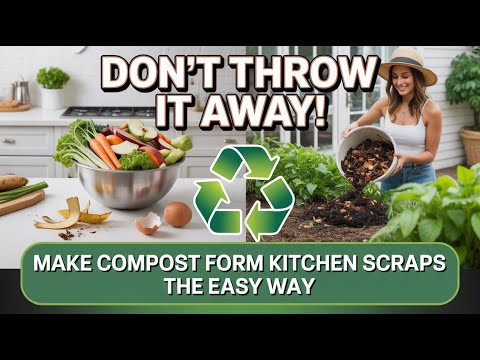
Imagine transforming your kitchen scraps into something valuable and eco-friendly. Composting is not only a sustainable practice but also a fantastic way to enrich your garden soil.
If you’ve ever wondered what to do with those vegetable peels and coffee grounds, you’re in the right place. This guide will show you how to turn everyday kitchen waste into nutrient-rich compost fertilizer. You’ll discover the simple steps to start your own compost pile, the benefits it brings to your garden, and how it can reduce your household waste.
Ready to learn how you can make a positive impact on your environment and your garden? Let’s dive in and turn your kitchen waste into garden gold!

Credit: www.youtube.com
Benefits Of Composting Kitchen Waste
Composting kitchen waste is a simple way to help the environment. It turns food scraps into useful fertilizer.
This process reduces waste, improves soil, and saves money on gardening supplies.
Reducing Household Waste
Composting lowers the amount of trash sent to landfills. It stops kitchen scraps from creating bad smells and gases.
- Fruits and vegetable peels
- Coffee grounds and tea bags
- Eggshells and small paper scraps
Improving Soil Health
Compost adds nutrients to soil. It helps plants grow strong and healthy.
| Soil Benefit | Effect on Plants |
| Increases nutrients | Better growth |
| Improves soil texture | More water retention |
| Supports microbes | Healthier roots |
Saving Money On Fertilizers
Using compost reduces the need to buy chemical fertilizers. It is free and natural.
Here are tips to save money by composting:
- Collect kitchen scraps daily.
- Keep the compost moist and aerated.
- Use finished compost in your garden beds.
Choosing The Right Kitchen Waste
Making compost fertilizer starts with picking good kitchen waste. The right materials break down quickly and create rich soil.
Some kitchen scraps work better than others. Knowing which to use helps your compost grow healthy and strong.
Vegetable And Fruit Scraps
Vegetable and fruit scraps are great for compost. They add moisture and nutrients to the pile.
- Use peels, cores, and ends from fresh vegetables and fruits.
- Include leaves and stems that are soft and not woody.
- Chop large pieces to help them break down faster.
- Avoid spoiled or moldy scraps as they can slow composting.
Coffee Grounds And Tea Bags
Coffee grounds and tea bags add nitrogen to your compost. They help balance dry leaves and paper.
| Material | Benefit |
| Coffee Grounds | Rich in nitrogen and improve soil structure |
| Tea Bags | Add nitrogen and help retain moisture |
Avoiding Harmful Materials
Some kitchen waste can harm compost or attract pests. Avoid these materials to keep compost safe.
- No meat, fish, or bones because they smell bad and attract animals.
- Avoid oils, fats, and dairy products as they slow decomposition.
- Do not add diseased plants or weeds with seeds to stop spreading problems.
- Skip plastic, glass, or metal objects that do not break down.
Setting Up Your Compost Bin
Making compost fertilizer from kitchen waste is easy and helps the environment. Setting up a good compost bin is the first step.
A well-set compost bin will speed up the composting process and keep your area clean.
Selecting A Suitable Container
Choose a container that holds your kitchen waste and lets air flow inside. It should be easy to open and close.
Containers made of plastic or wood work well. Make sure it has holes for ventilation.
- Size depends on how much waste you produce
- Make sure the container is sturdy
- Look for containers with a lid to keep pests out
- Drill holes if there are none for air flow
Ideal Location For Composting
Place your compost bin in a dry, shady spot outside. Avoid direct sunlight to prevent drying out.
Keep the bin near your kitchen for easy waste dropping. Make sure the spot has good air flow.
- Keep the bin on soil, not concrete
- Choose a flat area for stability
- Place away from strong winds
- Near water source for occasional moistening
Tools You’ll Need
Some simple tools help keep your compost bin working well. You need tools to mix and add materials.
Tools also help keep the compost moist and aerated, speeding up decomposition.
- Pitchfork or garden fork to turn the compost
- Garden gloves to protect your hands
- Watering can or spray bottle to add moisture
- Kitchen scrap container to collect waste easily

Credit: www.youtube.com
Step-by-step Composting Process
Making compost fertilizer from kitchen waste is easy and helpful for your garden. It turns food scraps into rich soil nutrients.
This guide shows simple steps to create compost using your kitchen waste. Follow these steps to get good results.
Layering Green And Brown Materials
Start by adding layers of green and brown materials to your compost pile. Green materials include vegetable scraps and coffee grounds. Brown materials include dry leaves and paper.
- Place a layer of brown materials at the bottom for airflow.
- Add a layer of green materials on top to provide nitrogen.
- Repeat layers until the pile is about 3 feet high.
- End with a brown layer to reduce odor.
Maintaining Moisture Levels
Keep the compost pile moist, like a wrung-out sponge. Too much water causes bad smells. Too little slows down composting.
| Condition | What to Do |
| Too Dry | Spray water evenly on the pile |
| Too Wet | Add more brown materials and turn the pile |
| Just Right | Moist but not dripping water |
Turning And Aerating The Pile
Turn the compost pile every one to two weeks. This adds oxygen and speeds up decomposition. Use a garden fork or shovel to mix the layers.
- Turn the pile from the outside to the inside.
- Mix dry and wet materials evenly.
- Check moisture and add water if needed.
- Repeat until compost looks dark and crumbly.
Troubleshooting Common Issues
Making compost fertilizer from kitchen waste is simple but can face some problems. These problems can slow down composting or cause bad smells.
Fixing these issues early helps create rich compost fast and keeps your kitchen waste management clean and safe.
Managing Odors
Bad smells come from too much moisture or wrong materials in the compost. Keep the pile balanced to avoid this.
- Add dry materials like shredded paper or dry leaves to reduce wetness.
- Turn the compost regularly to add air and stop smells.
- Avoid putting meat, dairy, or oily foods in the compost.
- Cover fresh waste with a layer of soil or finished compost.
Dealing With Pests
Pests come to compost because of food scraps or bad covering. Prevent pests by managing food waste carefully.
| Common Pest | Cause | Solution |
| Flies | Exposed food scraps | Cover scraps with dry leaves or soil |
| Rats | Meat or oily food in compost | Avoid meat; use sealed bins |
| Ants | Dry compost | Moisten compost slightly |
| Slugs | Wet, shady areas | Keep compost aerated and dry on top |
Preventing Slow Decomposition
Slow composting happens when the pile lacks the right mix of materials, moisture, or air.
- Balance green materials (kitchen scraps) with brown materials (dry leaves, paper).
- Keep the compost moist like a wrung-out sponge.
- Turn the compost every few days to add air.
- Chop or shred large scraps to speed up breakdown.
- Keep the compost pile warm by placing it in a sunny spot.
Harvesting And Using Compost Fertilizer
Making compost fertilizer from kitchen waste is a smart way to feed your garden. Knowing when to harvest and how to use it helps plants grow strong.
This guide will help you identify ready compost, apply it to your garden, and store any leftovers properly.
Identifying Ready Compost
Compost is ready when it looks dark and crumbly. It should smell like fresh soil, not rotten or sour.
You can check the temperature too. Finished compost feels cool or just slightly warm. Hot compost means it still breaks down.
- Dark brown or black color
- Crumbly texture
- Earthy smell
- Cool or slightly warm temperature
Applying Compost To Your Garden
Spread compost over your garden soil before planting. It adds nutrients and improves soil structure.
Mix compost into the top few inches of soil or use it as a mulch around plants to keep moisture in.
- Use 1 to 3 inches of compost on garden beds
- Mix compost with soil for new plants
- Apply compost as mulch to protect roots
- Avoid piling compost too close to plant stems
Storing Leftover Compost
Keep leftover compost in a dry, cool place. Use a covered bin or container to protect it from rain.
Storing compost well keeps it fresh and ready for your next gardening day.
- Use a sealed container or covered bin
- Store in a shaded, dry area
- Turn compost occasionally to keep air flowing
- Check for moisture; add dry leaves if too wet

Credit: gracefulgardens.com
Frequently Asked Questions
What Kitchen Waste Is Best For Compost Fertilizer?
Vegetable peels, fruit scraps, coffee grounds, and eggshells work best. Avoid meat, dairy, and oily foods to prevent pests and odors.
How Long Does Kitchen Waste Take To Compost?
Composting kitchen waste typically takes 2 to 3 months. Turning the pile regularly speeds up decomposition and improves airflow.
Can I Compost Cooked Food Scraps Safely?
Small amounts of cooked food can be composted if mixed well. Avoid large quantities to prevent attracting pests and unpleasant smells.
How Do I Maintain The Right Moisture In Compost?
Keep compost damp like a wrung-out sponge. Add water if dry and dry materials if too wet to balance moisture.
Conclusion
Making compost fertilizer from kitchen waste helps the environment. It reduces trash and creates healthy soil. You can grow plants better with natural nutrients. The process is simple and saves money. Just collect scraps, add them to a bin, and turn often.
Patience is key for good compost. Start small and watch your garden thrive. Composting makes your kitchen waste useful again. Give it a try and see the difference. Your plants will thank you.