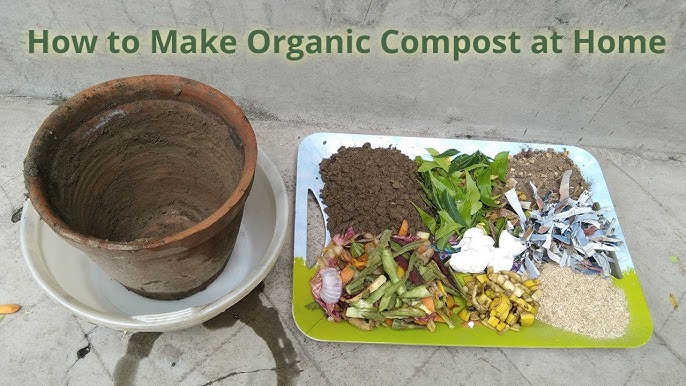
Imagine turning your kitchen waste into rich, nutritious soil that breathes life into your garden. Sounds rewarding, right?
Composting at home is not just an eco-friendly choice; it’s a simple and effective way to reduce waste, save money, and enrich your plants. Curious about how to get started? You’ve come to the right place. This guide will show you how to transform everyday kitchen scraps into valuable compost.
By the end, you’ll see how easy and satisfying it is to create your own garden gold. Ready to make a difference right from your kitchen? Let’s dive in!

Credit: www.youtube.com
Benefits Of Home Composting
Making compost at home turns kitchen waste into rich soil. This process helps the environment and your garden.
Home composting saves resources and reduces garbage. It is simple and good for everyone.
Reducing Kitchen Waste
Composting cuts down on the amount of food scraps thrown away. This lowers the trash sent to landfills.
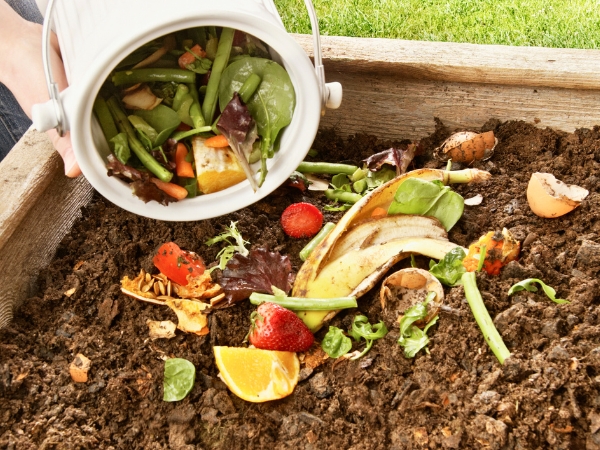
Kitchen waste like vegetable peels and coffee grounds become useful instead of garbage.
- Less garbage means less pollution
- Reduces bad smells from trash bins
- Helps keep your home cleaner
Improving Soil Health
Compost adds nutrients to your garden soil. It helps plants grow strong and healthy.
Healthy soil holds water better and stops erosion. It supports earthworms and beneficial microbes.
- Enriches soil with natural nutrients
- Improves soil texture and moisture
- Supports plant growth without chemicals
Saving Money And Resources
Making your own compost means you buy less soil and fertilizers. This saves money for your garden.
Using kitchen waste for compost reduces the need for trash bags and waste collection services.
- Cut costs on garden products
- Lower waste disposal expenses
- Use natural materials from your home
Credit: canadale.ca
Choosing The Right Composting Method
Composting kitchen waste is a great way to reduce trash. It also creates rich soil for your plants. There are several ways to compost at home. Picking the right method helps you compost with less effort.
Each composting method has its own benefits and needs. Some require space and time, while others need special care. Learn about cold composting, hot composting, and vermicomposting. This will help you decide what fits your home and lifestyle.
Cold Composting
Cold composting is a simple way to compost. You just pile your kitchen scraps and yard waste in a corner. It breaks down slowly without much work. This method is good if you have time and space.
- Requires little turning or mixing
- Works best with dry and wet materials mixed
- Needs more time to produce compost
- Good for large yards or gardens
- May attract pests if not managed well
Hot Composting
Hot composting uses heat to break down waste fast. It needs a balance of green and brown materials. Regular turning keeps the pile hot and active. This method produces compost in weeks.
| Requirement | Details |
| Materials | Equal parts green (kitchen scraps) and brown (dry leaves) |
| Turning | Every 3 to 5 days |
| Temperature | Between 130°F and 160°F |
| Time | 2 to 8 weeks |
| Space | Needs a bin or pile in a well-drained area |
Vermicomposting With Worms
Vermicomposting uses worms to turn kitchen waste into rich compost. It works well indoors or outdoors in bins. Worms eat food scraps and produce nutrient-rich castings. This method is fast and clean.
- Use a worm bin with good drainage
- Feed worms small amounts of fruit and vegetable scraps
- Keep the bin moist but not wet
- Harvest worm castings every few months
- Works in small spaces like apartments
Selecting Kitchen Waste For Composting
Composting kitchen waste is a great way to reduce trash and enrich soil. Picking the right materials helps the compost break down faster.
Some kitchen scraps work better than others. Knowing what to add or avoid makes your compost healthy and odor-free.
Greens: What To Include
Greens are wet and full of nitrogen. They help microbes grow and speed up composting.
- Vegetable peels and scraps
- Fresh fruit scraps (avoid citrus in large amounts)
- Used coffee grounds and filters
- Tea bags (without staples)
- Fresh grass clippings
- Eggshells, crushed
Browns: What To Avoid
Browns are dry and rich in carbon. They balance greens but some brown items slow composting or cause problems.
| Good Browns | To Avoid |
| Dry leaves | Large wood pieces |
| Paper towels (unprinted) | Glossy paper |
| Cardboard (shredded) | Colored or coated cardboard |
| Straw or hay | Plastic packaging |
Items To Exclude
Some kitchen wastes can harm your compost or attract pests. Keep these out to keep compost safe and clean.
- Meat, fish, and bones
- Dairy products like cheese and milk
- Oils and greasy foods
- Pet waste and cat litter
- Diseased or insect-infested plants
- Citrus peels in large amounts
- Plastic, metal, or glass items
Setting Up Your Compost Bin
Making compost at home is an easy way to reduce kitchen waste. Setting up a good compost bin helps speed up the process.
This guide shows you how to pick the right spot, choose the best bin, and get it ready for composting.
Ideal Location
Place your compost bin in a spot that is dry and gets some sunlight. This helps the compost break down faster.
Make sure the location is easy to reach from your kitchen. It should also have good air flow to keep the pile healthy.
Types Of Compost Bins
- Plastic Bins:Lightweight and easy to move. They keep moisture in.
- Wooden Bins:Natural look and good air flow. They may need more care.
- Tumbler Bins:Easy to turn the compost. Speeds up decomposition.
- Wire Bins:Cheap and simple. Good for dry materials.
Preparing The Bin
| Preparation Step | Details |
|---|---|
| Drill Holes | Make holes for air flow if the bin has none. |
| Add Base Layer | Start with twigs or straw to help drainage. |
| Check Moisture | Keep the bin damp but not wet. |
| Place Bin | Put it on soil or grass, not concrete. |
Step-by-step Composting Process
Making compost at home from kitchen waste is easy and helps reduce trash. Compost enriches your soil and supports plant growth.
Follow these steps to create healthy compost using simple materials from your kitchen.
Layering Greens And Browns
Start your compost pile by layering green and brown materials. Greens are rich in nitrogen and browns add carbon.
- Greens include fruit scraps, vegetable peels, coffee grounds, and fresh grass clippings.
- Browns include dry leaves, shredded paper, cardboard, and small branches.
- Place a layer of browns first to help with airflow.
- Add a layer of greens on top of the browns.
- Repeat the layers until the pile is about 3 feet tall.
Maintaining Moisture And Aeration
Keep the compost moist like a wrung-out sponge. Too much water stops air flow and slows decomposition.
| Condition | What to Do |
| Too Dry | Spray water lightly to moisten the pile |
| Too Wet | Add more brown materials and turn the pile |
| Good Moisture | Pile feels damp but not soggy |
Turning The Pile
Turning the compost pile adds air and helps materials break down faster. Use a garden fork or shovel.
- Turn the pile every 1 to 2 weeks.
- Mix the outer layers into the center.
- Check moisture and add water or browns if needed.
- Repeat until the compost looks dark and crumbly.
Troubleshooting Common Issues
Making compost at home from kitchen waste is simple. Sometimes, problems come up. These issues can slow down the process or cause unpleasant smells.
Fixing common problems helps create healthy compost faster. Here are easy tips to solve usual compost troubles.
Dealing With Odors
Bad smells come from too much moisture or food scraps that do not break down well. Stinky compost shows it needs more air or dry materials.
To stop odors, add dry leaves, shredded paper, or straw. Mix the pile to add air. Avoid putting meat, dairy, or oily foods in the compost.
- Add dry brown materials to balance wet kitchen waste
- Turn the compost pile every few days for fresh air
- Keep compost covered to prevent rain from making it too wet
- Do not add meat, dairy, or oily scraps
Managing Pests
Pests like flies, rats, or raccoons come to compost if food scraps are exposed. They can make a mess or spread germs.
Keep pests away by burying food scraps under dry material. Use a closed compost bin with a lid. Avoid adding meat or cooked food that attracts animals.
- Bury kitchen waste under brown materials each time
- Use bins with tight lids to keep pests out
- Do not add meat, bones, or cooked food
- Place compost bin in a shaded, dry spot
Fixing Slow Decomposition
Compost breaks down slowly if it lacks air, water, or the right balance of materials. The pile may be too dry or too wet.
Speed up decomposition by turning the pile often. Check moisture and add water if dry. Add green kitchen scraps and brown leaves to keep balance.
- Turn compost every few days to add oxygen
- Keep compost as damp as a wrung-out sponge
- Add green materials like vegetable scraps for nitrogen
- Add brown materials like dried leaves for carbon
Harvesting And Using Compost
Making compost at home turns kitchen waste into rich soil. Knowing when to harvest and how to use compost helps your garden grow well.
Proper storage keeps your compost healthy and ready for future use. Let’s look at key steps for harvesting, using, and storing compost.
When Compost Is Ready
Compost is ready when it looks dark, crumbly, and smells earthy. You will not see food scraps or large pieces.
Check these signs to know your compost is mature:
- Dark brown or black color
- Crumbly texture similar to soil
- Earthy smell without bad odors
- Temperature cools down to match room temperature
- Original materials break down and are hard to recognize
How To Use Compost In Your Garden
Compost improves soil and helps plants grow strong. Use it in many ways around your garden for best results.
| Method | How to Apply | Benefits |
| Top Dressing | Spread a thin layer on soil surface | Feeds plants slowly |
| Soil Mix | Mix compost with garden soil before planting | Improves soil texture and nutrients |
| Potting Mix | Combine with potting soil for containers | Enhances moisture retention |
| Mulching | Use around plants to cover soil | Reduces weeds and conserves water |
Storing Compost Safely
Store compost properly to keep it healthy and ready. Use a dry, shaded place to avoid too much moisture or dryness.
- Keep compost in a covered bin or container
- Turn it occasionally to add air
- Keep it moist but not wet
- Check for pests and remove if needed
- Use compost within 3 to 6 months for best quality

Credit: www.youtube.com
Tips For Successful Composting
Making compost at home from kitchen waste is a smart way to reduce trash. It helps you grow healthy plants and saves money.
Good composting needs care and some basic rules. These tips will help you make rich compost faster and easier.
Avoiding Common Mistakes
Many people make mistakes that slow down composting. Avoid adding meat, dairy, or oily foods to your bin.
Too much wet or dry waste can also cause problems. Keep a balance of green and brown materials.
- Do not add cooked food or grease
- Keep the compost moist but not wet
- Mix fresh waste with dry leaves or paper
- Turn the compost regularly to add air
Seasonal Composting Advice
Weather changes affect how compost breaks down. In hot weather, compost dries out faster and needs more water.
In winter, composting slows down. Add more green waste and keep the pile insulated to keep heat inside.
- Water compost more in summer
- Add dry materials like straw in rainy seasons
- Cover compost with a tarp in winter
- Turn pile less often in cold months
Encouraging Microbial Activity
Microbes break down kitchen waste into compost. They need air, moisture, and food to work well.
Chop kitchen scraps into small pieces. This helps microbes break them down faster.
- Mix compost regularly to add oxygen
- Keep compost moist like a damp sponge
- Use a mix of nitrogen-rich and carbon-rich waste
- Avoid adding chemicals that kill microbes
Frequently Asked Questions
What Kitchen Waste Can Be Composted At Home?
You can compost fruit peels, vegetable scraps, coffee grounds, eggshells, and tea bags. Avoid meat, dairy, and oily foods to prevent odor and pests.
How Long Does Homemade Compost Take To Mature?
Compost typically takes 2 to 3 months to mature. Proper moisture, aeration, and balanced waste speed up decomposition.
Can I Compost Cooked Food Scraps In My Bin?
Cooked food scraps are best avoided as they attract pests and cause odors. Stick to raw kitchen waste for effective composting.
How Do I Maintain The Right Moisture For Compost?
Keep compost damp like a wrung-out sponge. Add water if dry, or dry materials if too wet.
Conclusion
Making compost at home from kitchen waste is simple and useful. You reduce trash and help plants grow strong. Just collect scraps, add dry material, and turn the pile often. Patience is key; good compost takes time to form. This process saves money and supports a healthier planet.
Start small and watch your garden thrive with rich, natural soil. Composting connects you to nature and cuts waste every day. Try it today and see the benefits for yourself.