

Maintain Wooden Cutting Boards properly to protect your investment in the kitchen. Without the right care, cutting boards can crack, warp, or harbor bacteria.
Imagine slicing your favorite ingredients on a board that looks fresh, feels smooth, and lasts for years. You can achieve this with simple steps that protect your board and keep it safe for your family. Ready to learn how to maintain your wooden cutting board like a pro?
Keep reading, and discover easy tips that will transform the way you care for your kitchen’s best companion.
Choosing The Right Wood
Picking the right wood is key to keeping your cutting board safe and long-lasting. Wood type affects how the board handles knives and moisture.
Good wood helps prevent cracks and stops bacteria from hiding in the board. This guide covers what to look for in wood.
Hardwood Vs Softwood
Hardwoods come from trees like maple and oak. They are strong and last a long time. Softwoods come from pine and cedar. They are softer and scratch more easily.
Hardwoods resist cuts better, so they keep the surface smooth. Softwoods may get damaged faster and can hold bacteria in cuts.
- Hardwood: Durable and knife-friendly
- Softwood: Easier to scratch and dent
- Hardwood boards need less frequent replacement
- Softwood boards may not be as safe for food
Grain Patterns And Durability
Wood grain shows how the fibers run through the board. End grain boards show the wood ends on the surface. They are tough and heal from knife marks.
Face grain boards show long wood fibers. They are softer and wear out faster. Tight grain woods hold up better to water and cuts.
- End grain: More durable and knife-friendly
- Face grain: Less durable, easier to damage
- Tight grain woods resist moisture well
- Loose grain woods can absorb water and crack

Credit: food52.com
Cleaning Techniques
Wooden cutting boards need special care to stay clean and last long. Proper cleaning stops bacteria and keeps the wood from cracking.
Use simple cleaning steps that protect the wood while removing food residue and germs.
Daily Cleaning Routine
Clean your wooden cutting board right after use. This prevents food from drying on the surface.
Wash the board with warm water and mild soap. Use a soft sponge to avoid scratches.
- Rinse the board well with warm water
- Use gentle dish soap and a soft cloth or sponge
- Scrub both sides of the board for balance
- Dry the board immediately with a towel
- Stand the board upright to air dry fully
Avoiding Harsh Chemicals
Avoid bleach and strong cleaners. These chemicals can damage the wood and leave harmful residue.
Stick to natural cleaners or mild soap to keep the board safe for food contact.
- Do not use bleach or ammonia-based cleaners
- Choose mild dish soap or natural alternatives like vinegar
- Do not soak the board in water for a long time
- Keep cleaning gentle to avoid wood damage
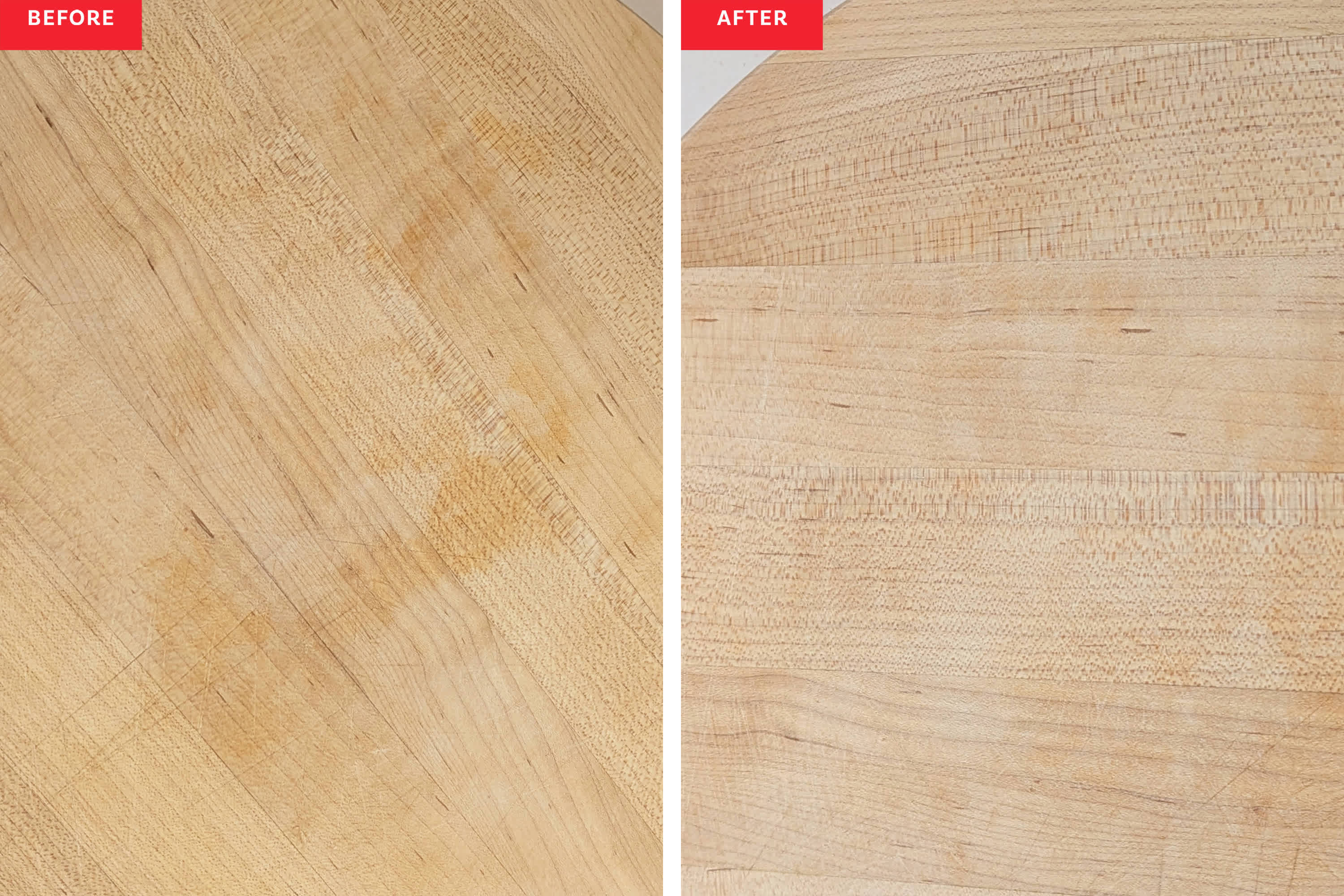
Dealing With Stains And Odors
Stains and smells can build up over time on wooden boards. Use simple household items to clean them.
Lemon and baking soda work well to remove stains and freshen the board.
- Sprinkle baking soda on the board surface
- Rub with half a lemon to scrub stains
- Let it sit for 5 minutes
- Rinse with warm water and dry thoroughly
- Repeat if odors or stains remain
Drying And Storage
Proper drying and storage keep wooden cutting boards safe and long-lasting. Moisture can cause wood to warp or crack. It also encourages bacteria growth.
Learning the right drying and storage methods helps your board stay clean and strong. This guide covers key steps to follow.
Proper Drying Methods
After washing, dry your wooden cutting board quickly and fully. Avoid leaving it wet or soaking in water. This prevents wood damage and bacteria buildup.
- Wipe the board with a clean towel right after washing.
- Stand the board upright to air dry, allowing both sides to dry evenly.
- Avoid placing the board flat on a wet surface during drying.
- Do not put wooden boards in the dishwasher, as heat and water harm the wood.
- Allow the board to dry completely before storing it away.
Safe Storage Practices
Store wooden cutting boards in a dry, well-ventilated place. Proper storage keeps the wood healthy and prevents mold or odors.
| Storage Method | Description | Benefit |
| Vertical Storage | Place board on its edge or in a rack. | Improves air flow and prevents moisture buildup. |
| Open Shelving | Keep boards on shelves with good ventilation. | Allows boards to dry fully and stay fresh. |
| Avoid Stacking | Do not stack boards tightly together. | Prevents trapping moisture and warping. |
| Keep Away From Heat | Do not store near stoves or direct sunlight. | Protects wood from drying out and cracking. |
Credit: www.thekitchn.com
Oiling And Conditioning
Wooden cutting boards need care to stay strong and safe. Oiling and conditioning help keep the wood from drying out.
Proper oiling stops cracks and warping. It also keeps the board looking good for a long time.
Choosing The Right Oil
Pick oils that are safe for food contact. Avoid oils that can go bad or smell bad.
Mineral oil is a popular choice. It does not go rancid and soaks well into the wood.
- Food-grade mineral oil
- Beeswax blends
- Coconut oil (refined, to avoid smell)
Frequency Of Oiling
Oil your cutting board regularly. This keeps it from drying and cracking.
How often depends on use. For heavy use, oil once a week. For light use, once a month works.
- Heavy use: once every 7 days
- Light use: once every 30 days
- If wood looks dry, oil it sooner
How To Apply Oil Properly
Clean the board before oiling. Use warm water and mild soap. Dry it completely.
Apply oil with a clean cloth or paper towel. Rub it in a circular motion to cover all surfaces.
- Pour a small amount of oil on the board
- Spread evenly with a cloth
- Let the oil soak for several hours or overnight
- Wipe off any extra oil with a dry cloth
- Repeat if the wood still looks dry
Repairing Damage
Wooden cutting boards can get damaged from daily use. Fixing them keeps the board safe and clean. You can repair scratches and deep cuts to extend the life of your board.
It is important to know how to remove damage and when it is time to replace the board. Proper care helps maintain the board’s quality and hygiene.
Removing Deep Cuts And Scratches
Deep cuts and scratches can trap bacteria and dirt. You should fill or smooth these areas to keep the board safe. Use wood filler for large cuts or sand smaller scratches.
- Clean the board before repair
- Apply food-safe wood filler on deep cuts
- Let the filler dry completely
- Sand the area smooth after drying
- Oil the board to protect the wood
Sanding Techniques
Sanding removes rough spots and evens the surface of your board. Use fine-grit sandpaper for the best finish. Sand with the wood grain to avoid more damage.
Follow this sanding guide for best results:
- Start with 120-grit sandpaper to remove deep scratches
- Use 220-grit sandpaper to smooth the surface
- Wipe away dust with a damp cloth
- Apply food-safe mineral oil or beeswax after sanding
When To Replace Your Board
Even with care, some boards need replacing. Deep cracks or warping can make a board unsafe. Look for signs that your board no longer works well.
| Damage Type | Replacement Needed? | Reason |
|---|---|---|
| Deep Cracks | Yes | Can harbor bacteria |
| Warping | Yes | Causes uneven cutting surface |
| Surface Wear | No | Can be fixed with sanding |
| Splitting Wood | Yes | Weakens board structure |
Credit: www.thebambooguy.com
Preventive Measures
Wooden cutting boards need care to last longer. Taking simple steps can keep them safe and clean.
Using good habits helps prevent cracks and bacteria buildup on your boards.
Using Both Sides
Use both sides of your wooden cutting board. This helps spread out wear and tear.
Flip the board regularly to avoid deep cuts on one side only. This keeps the board stable.
Avoiding Excessive Moisture
Wood can crack or warp if it stays wet too long. Dry your cutting board after washing.
Never soak your wooden board in water. Use a damp cloth to clean it instead.
- Wash with warm water and mild soap
- Rinse quickly and dry right away
- Keep board standing up to air dry
- Apply mineral oil to keep wood healthy
Cutting Board Safety Tips
Keep your wooden cutting board safe from germs by cleaning it well after use.
Separate boards for raw meat and vegetables to avoid cross-contamination.
- Clean board with hot soapy water after each use
- Use different boards for meat and veggies
- Sanitize occasionally with vinegar or diluted bleach
- Replace the board if deep cuts or cracks appear
Frequently Asked Questions
How Often Should I Oil A Wooden Cutting Board?
You should oil your wooden cutting board once a month. This prevents drying and cracking. Use food-grade mineral oil for best results. Regular oiling keeps the board smooth and extends its lifespan.
Can I Wash Wooden Cutting Boards With Soap?
Yes, wash wooden cutting boards with mild soap and warm water. Avoid soaking to prevent warping. Dry immediately with a towel. Proper cleaning removes bacteria while preserving the wood.
How Do I Remove Stains From Wooden Cutting Boards?
To remove stains, sprinkle coarse salt and rub with lemon halves. Let it sit for five minutes, then rinse. This natural method brightens the wood and eliminates odors effectively.
Is It Safe To Use Vinegar On Wooden Cutting Boards?
Yes, vinegar is safe for wooden cutting boards. Use diluted white vinegar to disinfect and deodorize. Avoid soaking; wipe with a damp cloth instead. Vinegar helps kill bacteria without damaging the wood.
Conclusion
Caring for wooden cutting boards is simple and rewarding. Keep them clean and dry to extend their life. Apply mineral oil regularly to prevent drying and cracking. Avoid soaking in water to maintain their quality. Use a vinegar solution for disinfection.
Store them in a dry place for best results. With proper care, your wooden cutting boards will last long. They will serve you well in the kitchen. Enjoy the natural beauty and function of your boards daily. Keep them in top shape with these easy steps.
Your efforts will ensure their longevity and performance.


