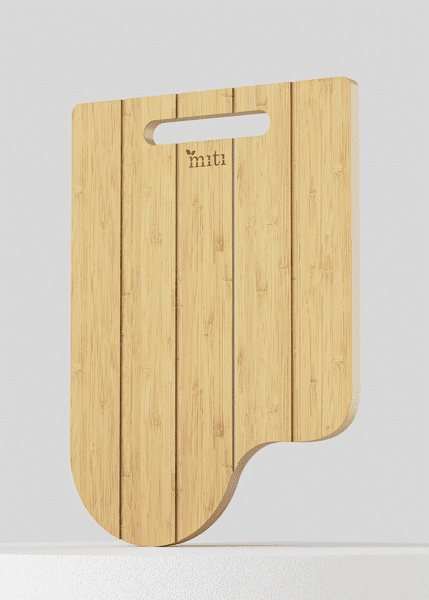
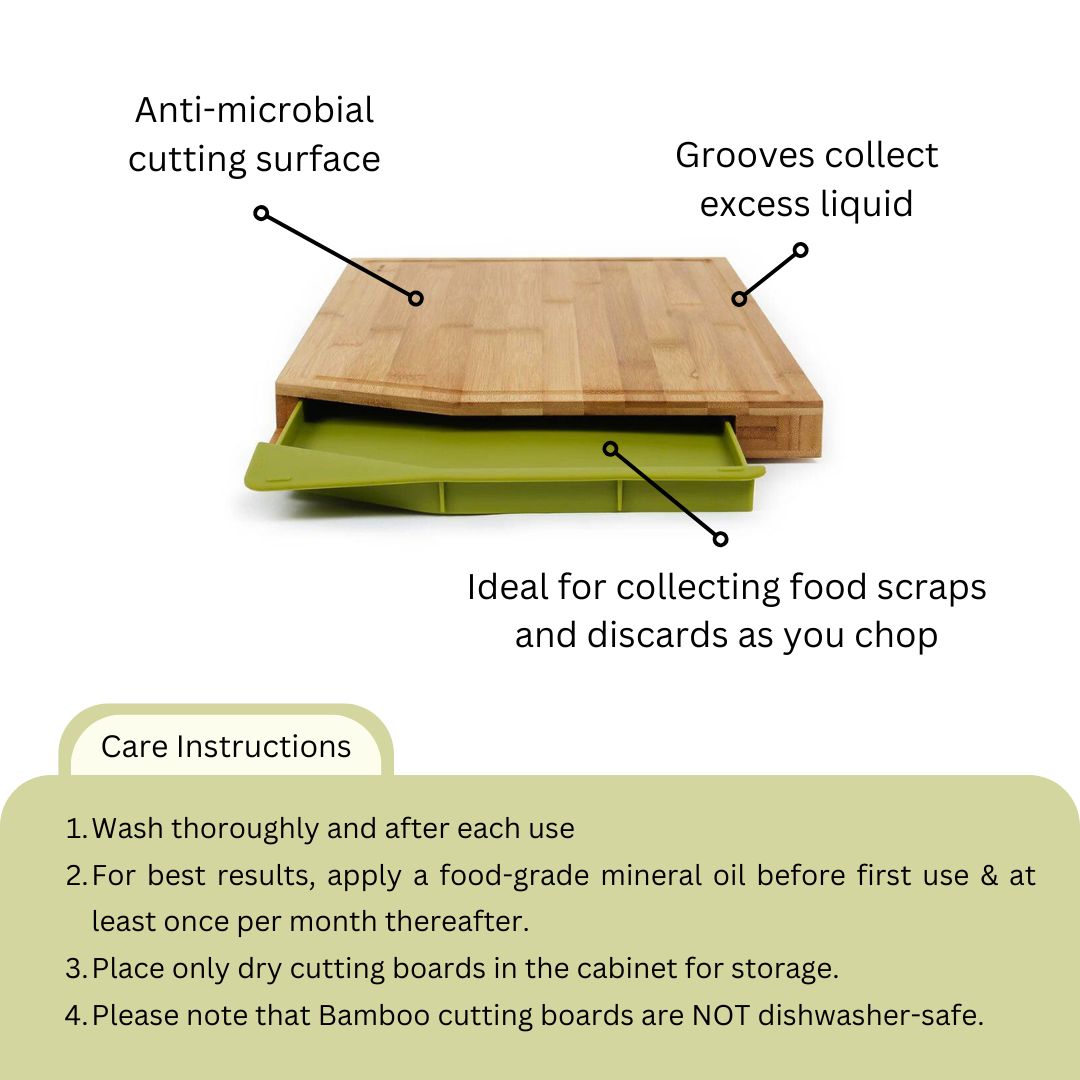
How to Maintain Bamboo Cutting Board: Your bamboo cutting board is more than just a kitchen tool—it’s an investment in your cooking experience. Proper care ensures it lasts longer, stays hygienic, and remains beautiful. But are you giving it the attention it truly needs?
Without the right maintenance, your board can crack, warp, or become a breeding ground for bacteria. Imagine slicing fresh veggies on a smooth, well-kept surface every time you cook. Sounds great, right? You’ll discover simple, effective ways to keep your bamboo cutting board looking and working like new.
Stick with me, and your board will reward you with years of reliable use and a cleaner, safer kitchen.
Credit: www.neoflamshop.com
Cleaning Techniques
Keeping your bamboo cutting board clean is important to make it last long. Proper cleaning removes germs and food smells.
Use simple daily care and occasional deep cleaning to keep your board safe and fresh.
Daily Washing Tips
Wash your bamboo cutting board right after use. Use warm water and mild soap to clean it well.
Rinse the board thoroughly to remove all soap. Dry it with a clean cloth or stand it up to air dry.
- Use a soft sponge or cloth
- Do not soak the board in water
- Dry quickly to stop warping
Deep Cleaning Methods
Deep clean your bamboo board once a week. This helps remove stains and tough smells.
Use natural cleaners like vinegar or lemon juice. Let them sit on the surface before rinsing.
- Sprinkle salt and rub with lemon
- Wipe with white vinegar and water mix
- Rinse and dry well after cleaning
Avoiding Harsh Chemicals
Do not use bleach or strong detergents on bamboo boards. These chemicals can damage the wood and finish.
Stick to gentle soaps and natural cleaners. They keep the board safe and food-friendly.
- No bleach or ammonia
- No dishwasher use
- Choose mild dish soap only
Drying And Storage
Proper drying and storage keep your bamboo cutting board in good shape. Moisture can damage bamboo and cause bacteria growth.
Learn how to dry and store your board to extend its life and maintain safety.
Proper Drying Practices
After washing, dry your bamboo cutting board quickly and thoroughly. Leaving it wet can cause swelling and mold.
- Use a clean towel to wipe off extra water.
- Stand the board upright to air dry fully.
- Keep it away from direct sunlight or heat sources.
- Allow both sides to dry to avoid moisture buildup.
Best Storage Conditions
Storing your bamboo board properly prevents warping and mold. Choose a dry, cool place with good air flow.
| Storage Location | Reason |
| Cabinet with air flow | Keeps board dry and ventilated |
| Flat surface or vertical stand | Prevents bending or warping |
| Away from heat | Stops cracking and drying out |
| Not stacked under heavy items | Protects from pressure damage |
Preventing Warping And Cracks
Keep your bamboo cutting board strong by avoiding moisture extremes and rough use.
- Do not soak the board in water.
- Oil the board regularly with food-safe oil to keep it hydrated.
- Avoid cutting on very wet or very dry boards.
- Use both sides to spread wear evenly.
Oiling And Conditioning
Maintaining a bamboo cutting board keeps it strong and safe to use. Oiling and conditioning help protect the wood from drying out.
Regular care stops cracks and keeps your board looking new for a long time.
Choosing The Right Oil
Pick an oil that is safe for food and easy to absorb. Avoid oils that can go bad or smell strong.
Common good choices include mineral oil and special cutting board oils. These help keep bamboo healthy and shiny.
- Mineral oil is safe and does not spoil
- Beeswax oils add extra protection
- Avoid vegetable or olive oils as they can go rancid
Frequency Of Oiling
Oil your bamboo cutting board often to keep it in good shape. How often depends on use and washing.
If you use the board every day, oil it once a week. For less use, oil it once a month to prevent drying.
- Daily use: oil once a week
- Less frequent use: oil every month
- Dry or cracked boards need oiling more often
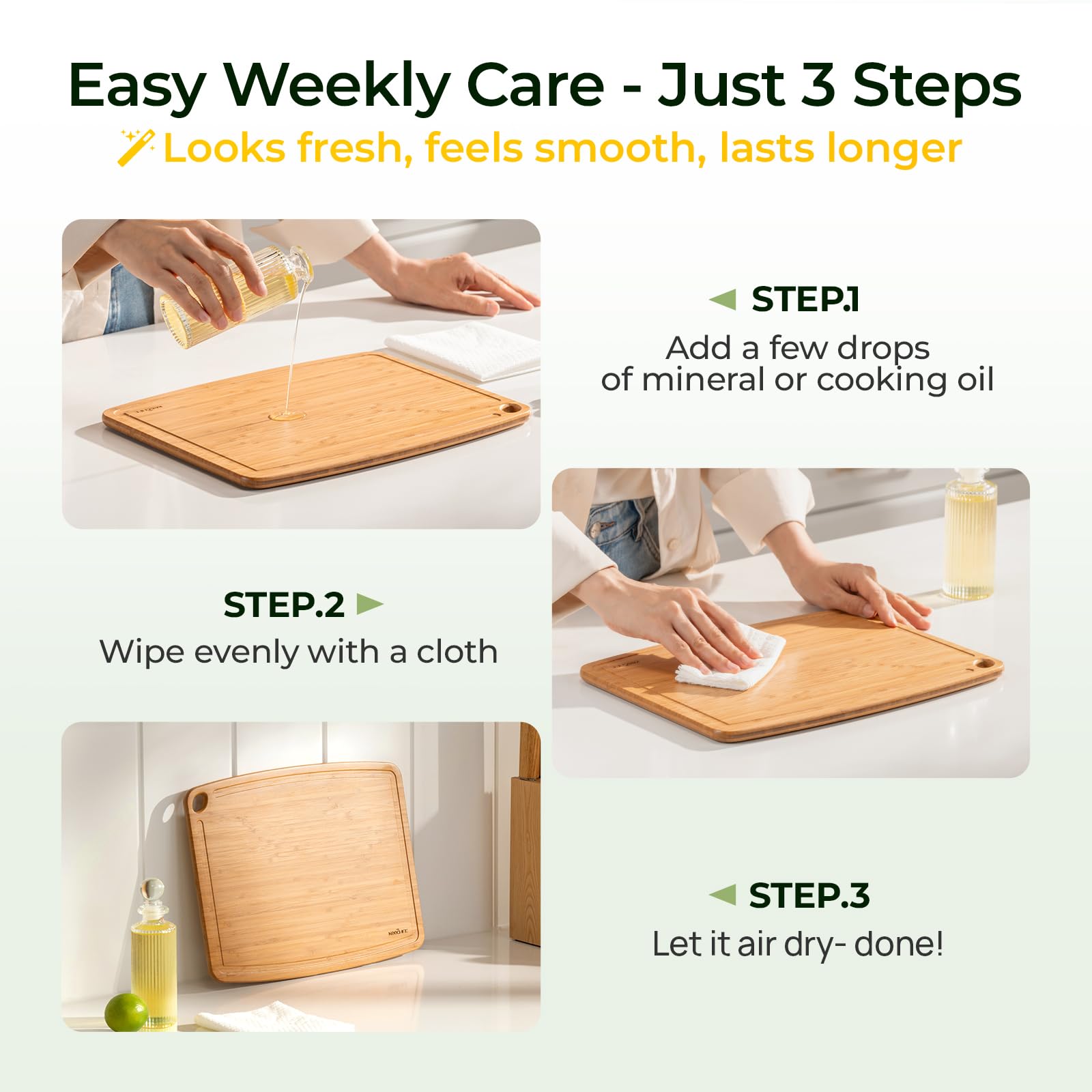
Step-by-step Oiling Process
Start by cleaning your board with warm water and soap. Let it dry completely before oiling.
Apply the oil evenly using a clean cloth. Let the oil soak in for several hours or overnight.
- Wash and dry the board fully
- Pour a small amount of oil on the surface
- Use a cloth to spread the oil evenly
- Allow oil to soak in for 6 to 12 hours
- Wipe off any extra oil with a dry cloth
Credit: cheesegrotto.com
Handling And Usage
Bamboo cutting boards are strong and long-lasting. Proper care helps keep them in good shape.
How you handle and use the board affects its life. Follow simple tips to avoid damage.
Cutting Techniques To Avoid Damage
Use sharp knives to cut on the bamboo board. Dull knives can cause splinters and scratches.
Avoid chopping hard items with heavy force. This can crack or chip the board surface.
- Use smooth, gentle cutting motions
- Cut fruits, vegetables, and cooked meats only
- Do not use cleavers or heavy mallets
Using Both Sides Effectively
Flip the bamboo board regularly to use both sides. This helps the board wear evenly.
Using both sides reduces deep cuts on one side. It also prevents warping over time.
- Designate one side for raw food
- Use the other side for cooked food
- Flip the board after each use
Avoiding Excessive Moisture
Keep the bamboo cutting board dry after cleaning. Excess water can cause swelling and cracks.
Do not soak the board in water. Wipe it dry with a towel and air dry it standing up.
- Wash quickly with mild soap and water
- Never put the board in a dishwasher
- Store in a dry, well-ventilated place
Repairing Minor Damages
Minor damages on bamboo cutting boards can be fixed easily at home. Regular care helps keep the board safe and usable.
Small scratches and cracks do not mean you must replace the board right away. You can repair them with simple tools.
Sanding Scratches
Use fine-grit sandpaper to smooth out scratches on the bamboo surface. Sand lightly in the direction of the grain.
After sanding, wipe away dust with a damp cloth. Let the board dry completely before use.
Fixing Small Cracks
Small cracks can be filled with food-safe wood glue. Apply the glue into the crack using a toothpick or small brush.
Press the crack together and wipe off excess glue. Let it dry fully, then sand the area to make it smooth.
When To Replace The Board
Replace your bamboo cutting board if deep cracks or large splits appear. These can harbor bacteria and affect safety.
Also, replace the board if it warps or smells bad after cleaning. These signs show the board is no longer safe.
Credit: www.amazon.com
Preventing Bacterial Growth
Bamboo cutting boards are popular for their durability and eco-friendliness. Keeping them clean helps stop bacteria from growing.
Proper care makes your board safe for food and lasts longer. Follow these tips to maintain a healthy kitchen tool.
Sanitizing Tips
Clean your bamboo board after every use. Use hot water and mild soap to wash off food particles.
- Rinse with hot water before and after washing.
- Use a soft brush or sponge to scrub gently.
- Sanitize with vinegar or diluted bleach solution occasionally.
- Dry the board completely after washing to prevent moisture build-up.
Avoiding Cross-contamination
Using one board for all foods can spread bacteria. Keep separate boards for raw meat, vegetables, and cooked foods.
| Food Type | Recommended Board Use |
|---|---|
| Raw Meat | Separate board to prevent germs |
| Vegetables | Use a clean board only for veggies |
| Cooked Food | Keep a dedicated board to avoid contamination |
Signs Of Bacterial Infestation
Look for dark spots, bad smells, or sticky texture on your bamboo board. These signs mean bacteria may be growing.
- Dark stains that do not wash off
- Unpleasant odors after cleaning
- Sticky or slimy surface texture
- Cracks or deep grooves where germs hide
Frequently Asked Questions
How Often Should I Oil My Bamboo Cutting Board?
You should oil your bamboo cutting board once a month. Regular oiling prevents drying and cracking. Use food-grade mineral oil for best results. This keeps the board smooth and extends its lifespan effectively.
Can Bamboo Cutting Boards Be Washed In A Dishwasher?
No, bamboo cutting boards should not go in the dishwasher. Heat and water can warp and crack the bamboo. Instead, wash them by hand with mild soap and warm water. Dry immediately to maintain durability.
How To Remove Stains From A Bamboo Cutting Board?
Use a mixture of lemon juice and salt to remove stains. Rub the mixture gently on the stain, then rinse with warm water. This natural method brightens the board without damaging the bamboo surface.
Why Is Bamboo Better Than Wood For Cutting Boards?
Bamboo is eco-friendly, durable, and less porous than wood. It resists moisture and bacteria better, making it hygienic. Bamboo cutting boards are also lightweight and easy to maintain compared to traditional wooden boards.
Conclusion
Caring for a bamboo cutting board is simple and rewarding. Regular cleaning keeps it fresh and hygienic. Use warm, soapy water and avoid soaking. Dry it immediately to prevent damage. Apply mineral oil monthly for long-lasting quality. Store in a cool, dry place.
This prevents warping and cracking. Remember, a little effort goes a long way. Your bamboo board will last for years with proper care. Enjoy preparing meals on a board that’s both functional and beautiful. Keep these tips in mind for happy cooking.
Your kitchen deserves it!