Baking a perfect cake or brownie starts with the right preparation, and lining your square baking pan with parchment paper is a simple step that can make all the difference. If you’ve ever struggled with your baked goods sticking to the pan or tearing when you try to remove them, this guide is for you.
You’ll learn an easy, foolproof way to line your pan that saves time, reduces mess, and helps you get clean edges every time. Keep reading, and you’ll never look at baking pans the same way again.
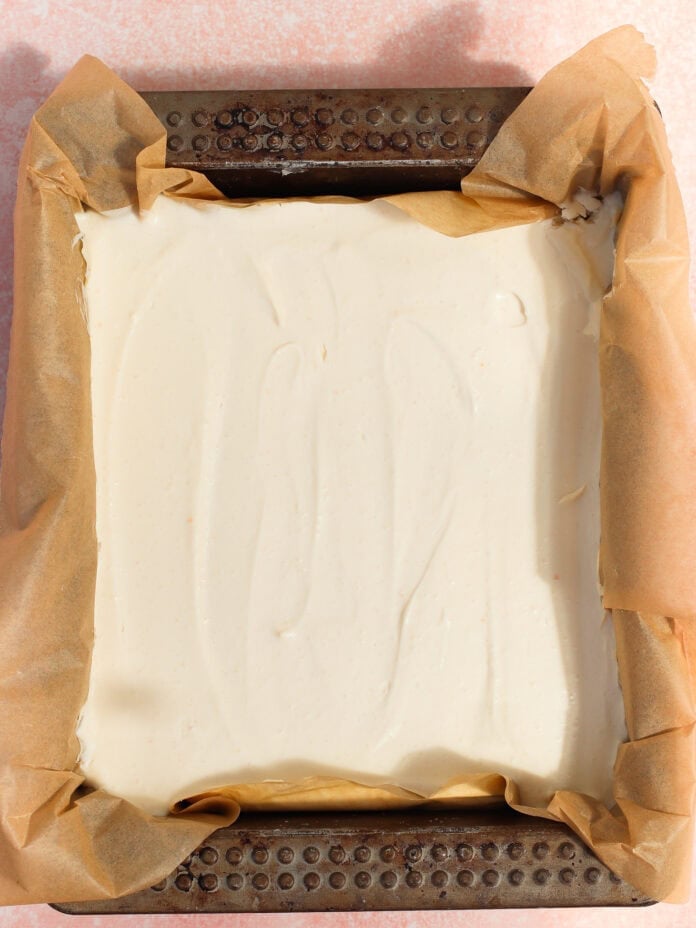
Credit: www.lindsaypleskot.com
Choose The Right Parchment Paper
Using the right parchment paper helps you line a square baking pan easily. It stops food from sticking and makes cleanup simple.
Not all parchment papers work the same. Picking the right one matters for baking success.
Check For Non-stick Coating
Good parchment paper has a non-stick coating. This lets you remove baked goods without damage. Look for silicone-coated paper for best results.
Size And Thickness Matter
Choose parchment paper wide enough to cover your pan’s bottom and sides. Thicker paper resists tearing and folds better for corners.
- Measure pan dimensions before buying
- Pick paper at least 2 inches larger than pan edges
- Thicker paper is more durable for repeated folding
Heat Resistance And Safety
Check the temperature limit on the parchment paper package. It should handle your oven’s max baking temperature safely. Avoid papers with plastic or wax coatings that melt.
| Type of Parchment Paper | Max Oven Temperature | Notes |
| Silicone-coated | 450°F (232°C) | Best for most baking needs |
| Wax-coated | Not for high heat | May melt or smoke |
| Uncoated | Varies | Usually not non-stick |

Credit: alwayseatdessert.com
Measure The Pan Accurately
Measuring your square baking pan correctly helps you cut parchment to fit. A good fit stops the paper from folding or wrinkling.
Accurate measuring makes lining easy and keeps your baked goods from sticking or burning on the edges.
Gather Your Measuring Tools
Use a ruler or tape measure that shows inches or centimeters. A flexible tape measure works well for inside edges.
Make sure your tools are clean and dry before measuring. This keeps your parchment clean too.
Measure The Inside Length And Width
Place the ruler or tape measure inside the pan, touching one corner. Measure straight across to the opposite corner.
Write down the length and width. These numbers help you cut the parchment to the right size.
Add Extra For The Sides
Add two to three inches (5 to 7 cm) to the length and width. This extra paper folds up the sides of the pan.
Adding extra paper makes sure the parchment covers the pan fully and helps you lift the baked item out easily.
Mark And Cut Your Parchment Paper
Use a pencil or light marker to draw the measured size on the parchment paper. Double-check your marks before cutting.
Cut the parchment along your marks with scissors. Straight edges help the parchment fit smoothly in the pan.
Cut The Parchment To Size
Lining a square baking pan with parchment paper makes cleanup easy. It also prevents baked goods from sticking to the pan.
Cutting parchment to the right size helps it fit the pan perfectly. This guide shows you how to do it step by step.
Measure The Pan
Use a ruler or tape measure to find the length and width of your square pan. Write down the numbers so you don’t forget them.
Add Extra For The Sides
To cover the sides of the pan, add a few extra inches to each measurement. This helps the parchment wrap up the edges.
- Add 2 to 3 inches to the length
- Add 2 to 3 inches to the width
- Make sure the parchment can fold over the sides
Cut The Parchment Paper
Place the parchment paper on a flat surface. Use scissors to cut along the measured lines. Try to cut straight edges for a neat fit.
Check The Fit
Place the cut parchment in the pan. The paper should lie flat on the bottom and cover the sides. Trim any extra paper if needed.
| Pan Size | Parchment Size | Extra for Sides |
| 8 x 8 inches | 12 x 12 inches | 2 inches added each side |
| 9 x 9 inches | 13 x 13 inches | 2 inches added each side |
| 10 x 10 inches | 14 x 14 inches | 2 inches added each side |
Create Folds For Sharp Corners
Lining a square baking pan with parchment paper helps with easy removal. Creating sharp corners with folds makes the paper fit better.
Folding the parchment paper at the corners stops wrinkles. This gives a clean edge for your baked goods.
Cut The Parchment Paper To Size
Start by cutting a piece of parchment paper larger than your pan. Leave extra paper on all sides for folding.
Make sure the paper is big enough to cover the bottom and sides with some overlap.
Place The Paper And Fold The Edges
Lay the paper inside the pan with the extra hanging over the edges. Press the paper flat against the bottom and sides.
Fold the paper at each corner to create sharp edges that match the pan’s shape.
- Lift the paper at a corner and fold it down to form a 90-degree angle.
- Press the fold flat against the pan’s corner.
- Repeat for all four corners.
Trim Excess Paper For A Neat Fit
After folding the corners, trim any excess paper hanging over the edges. This keeps the paper from bunching.
Make sure the paper fits snugly inside the pan without folds or wrinkles.
Press The Paper Firmly Into The Pan
Run your fingers along the edges and corners of the pan. Press the parchment paper to hold the shape.
This helps keep the paper in place while pouring in your batter or dough.
Fit The Paper Inside The Pan
Lining a square baking pan with parchment paper helps prevent sticking and makes cleanup easy. The key is to fit the paper inside the pan properly.
This guide shows how to cut and place parchment paper to fit your pan perfectly for best baking results.
Measure The Pan Dimensions
Start by measuring the length, width, and height of your square baking pan. Use a ruler or tape measure to get accurate numbers.
Cut The Parchment Paper To Size
Cut a piece of parchment paper that is larger than the pan’s base. Add extra length on two sides to create handles for easy lifting.
- Measure the pan’s bottom length and width.
- Add 2 to 3 inches (5 to 7.5 cm) on two opposite sides.
- Cut the parchment paper using these dimensions.
Fold The Paper For The Corners
Make small folds at the corners of the parchment paper. This helps it fit snugly inside the pan without bunching up.
Try these folding tips:
- Place the paper inside the pan.
- At each corner, fold the paper inward to form a neat crease.
- Press the folds flat against the pan’s sides.
Place The Paper Smoothly Inside The Pan
Lay the parchment paper inside the pan, pressing it down on the bottom and sides. The folded corners should help it fit well.
| Tip | Reason |
| Use a damp cloth to smooth parchment | Helps paper stick to pan sides |
| Do not stretch the paper | Prevents tearing or wrinkling |
Secure The Parchment In Place
Lining a square baking pan with parchment paper helps prevent sticking. Securing the parchment keeps it from moving while pouring batter.
There are simple ways to hold the parchment paper firmly in place for easy baking and cleanup.
Use Butter Or Oil To Stick Parchment
Spread butter or oil on the pan’s bottom and sides. This sticky layer holds the parchment paper tightly.
Press the parchment onto the greased surface to smooth out air bubbles.
- Use a paper towel to spread butter or oil evenly
- Press parchment firmly against the pan
- Check for loose edges and press them down
Fold Parchment Corners For A Perfect Fit
Create small folds or pleats at the parchment corners. This helps the paper lie flat inside the square pan.
The folds stop the parchment from lifting or sliding during use.
- Cut parchment larger than the pan size
- Make small diagonal folds at each corner
- Press the parchment into the pan edges
Use Clips To Hold Parchment Temporarily
Binder clips or clothespins can hold parchment in place while pouring batter. Remove clips before baking.
This method works well when you do not want to grease the pan first.
- Place clips on the outside edges of the pan
- Keep the parchment tight against the pan
- Remove clips carefully before heating the oven
Trim Excess Parchment For Stability
Cut away extra parchment hanging over the pan edges. Excess paper can cause the parchment to shift.
Leaving a small overhang is fine, but too much can make it unstable.
- Leave about one inch of parchment over the pan edge
- Trim any large flaps that bend or fold
- Press trimmed parchment into the pan corners
Tips For Easy Removal
Lining a square baking pan with parchment paper helps remove baked goods easily. It prevents sticking and keeps edges neat.
Use simple tricks to make the removal smooth. These tips save time and keep your treats intact.
Cut Parchment Paper Larger Than The Pan
Cut parchment paper with extra length on all sides. This makes it easier to lift the baked goods out.
Leave 2 to 3 inches of extra paper beyond the pan edges. Use this overhang as handles to pull the cake out.
Grease The Pan Before Adding Parchment
Spread a thin layer of butter or oil inside the pan before placing parchment paper. This helps the paper stick to the pan.
The greased surface prevents the paper from sliding and keeps it close to the pan sides. It also adds an extra non-stick layer.
Press Parchment Paper Into Corners
Fit the parchment paper tightly into all four corners of the square pan. Smooth the paper flat against the edges.
This shapes the paper exactly to the pan and avoids air bubbles. It helps baked goods release evenly from all sides.
Use Non-stick Parchment Paper
Choose parchment paper labeled non-stick for best results. It reduces the chance of your baked goods sticking.
Non-stick parchment ensures smooth removal and keeps the edges neat. It saves you from tearing the cake or brownies.
Cool Completely Before Lifting
Let your baked goods cool fully in the pan before lifting with parchment. Warm cakes can break or crumble easily.
Cooling allows the edges to firm up and separate from the paper. Then use the parchment handles to lift your baked item smoothly.
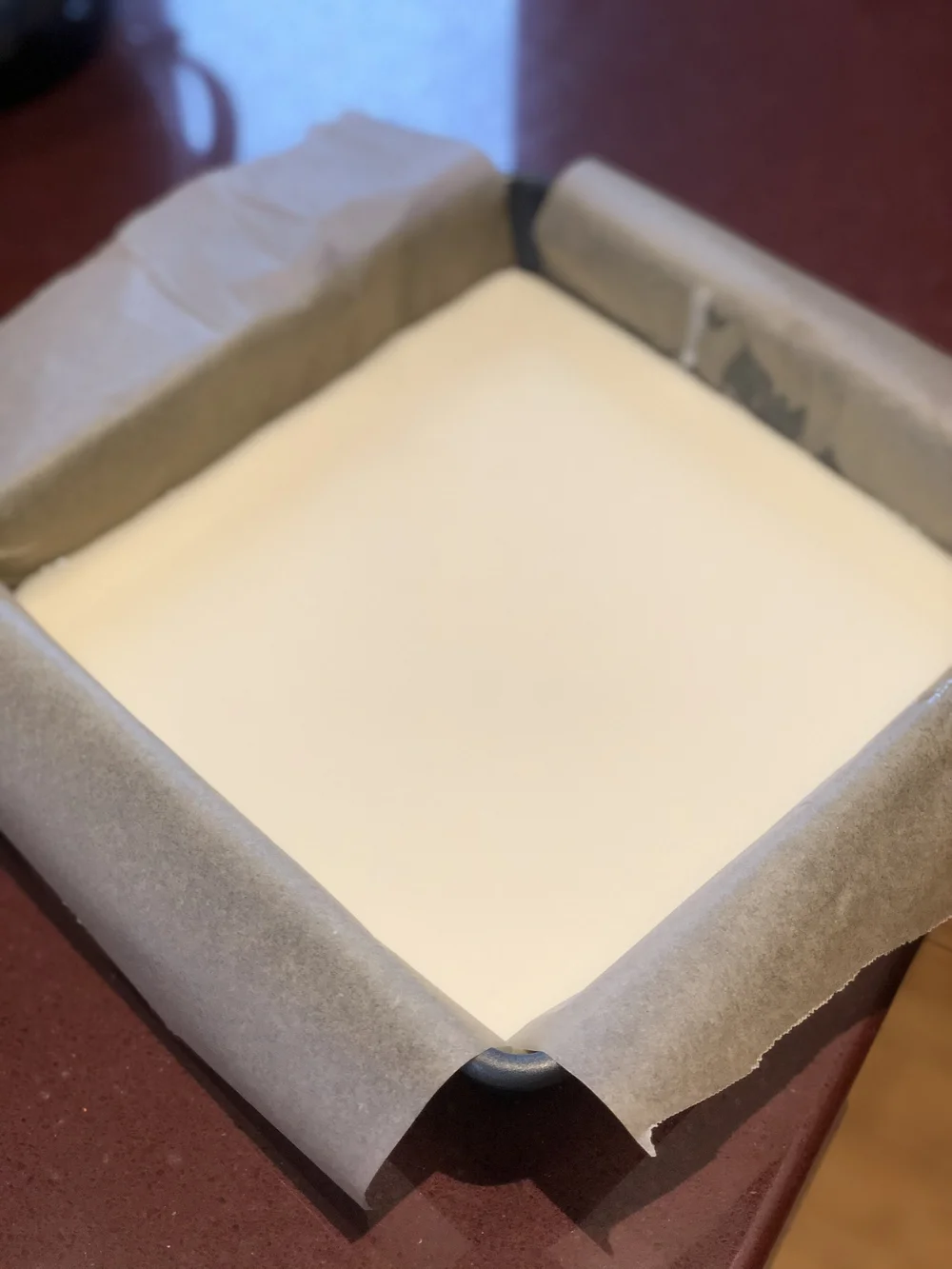
Credit: flaweless.com
Alternatives To Parchment Paper
Parchment paper is useful for lining square baking pans. It stops food from sticking and makes cleanup easy.
Sometimes you may not have parchment paper. Here are some good alternatives you can use instead.
Aluminum Foil
Aluminum foil works well for lining pans. It can handle high heat and prevents sticking.
Spray or brush the foil with oil or butter to stop food from sticking better.
Silicone Baking Mats
Silicone mats are reusable and non-stick. They fit many pan sizes and are easy to clean.
Use them in place of parchment paper for a smooth baking surface without waste.
Greasing The Pan
You can simply grease the pan with butter, oil, or cooking spray. This stops food from sticking.
Make sure to cover every corner and side for even protection.
Flour Dusting
After greasing, dust the pan with flour. This creates a thin barrier that helps release baked goods.
This method works great for cakes and breads to keep their shape intact.
Wax Paper
Wax paper can be used for lining pans if you do not bake at very high heat.
Do not use wax paper in the oven above 420°F because it may melt or catch fire.
Frequently Asked Questions
How Do You Cut Parchment Paper For A Square Pan?
To cut parchment paper for a square pan, measure the pan’s base and sides. Cut a square piece larger than the pan base. Then, cut slits at the corners to fold the paper easily, allowing it to fit snugly inside the pan.
Can Parchment Paper Prevent Sticking In Baking Pans?
Yes, parchment paper creates a non-stick surface for baked goods. It helps food release easily and prevents sticking. Using parchment also makes cleanup faster and protects your pan from grease and residue.
Is It Necessary To Grease Parchment Paper Before Lining?
No, greasing parchment paper is usually unnecessary. Parchment is naturally non-stick, which helps baked goods release smoothly. However, for extra assurance, a light spray of oil or butter can be applied.
How To Keep Parchment Paper From Slipping In The Pan?
To keep parchment paper from slipping, lightly grease the pan before placing the paper. You can also fold the paper corners to fit perfectly, or use small clips to hold the paper temporarily during lining.
Conclusion
Lining a square baking pan with parchment is simple. Follow these easy steps. Cut parchment to fit the pan. Ensure corners are neat and flat. This prevents sticking and makes cleanup a breeze. Perfect for cakes, brownies, and more. A well-lined pan ensures even baking.
No more burnt edges or bottom. Enjoy baking with confidence. Impress your family and friends. Simple techniques make baking enjoyable. Experiment with different recipes. Your baking results will improve. Consistency is key. Practice makes perfect. Happy baking!