If you’ve ever struggled with cakes sticking to your pan or messy cleanups after baking, lining your baking pan with parchment paper is a game-changer. Knowing the right way to do it can save you time, prevent frustration, and help your baked goods come out perfectly every time.
In this guide, you’ll learn simple, step-by-step tips to line your baking pan like a pro. Keep reading, and soon you’ll wonder how you ever baked without this easy trick.
Benefits Of Using Parchment Paper
Parchment paper is a helpful tool in baking. It makes baking easier and cleaner. Many bakers use it to improve their results.
This paper lines baking pans to stop food from sticking. It also helps food bake evenly. Using parchment paper saves time and effort.
Non-stick Surface
Parchment paper creates a smooth, non-stick layer between food and the pan. This stops baked goods from sticking to the pan. It helps keep cakes, cookies, and bread intact when you remove them.
- Prevents food from breaking apart
- Reduces need for greasing pans
- Works well with sticky batters and doughs
Easy Cleanup
Cleaning baking pans can be hard after cooking. Parchment paper stops food from sticking to the pan. This saves time washing pans and scrubbing stuck bits.
| With Parchment Paper | Without Parchment Paper |
|---|---|
| Less mess on pans | Food sticks to pan |
| Easier to remove baked goods | Requires soaking and scrubbing |
| Saves washing time | More time cleaning |
Even Baking
Parchment paper spreads heat evenly across the baking surface. This helps food cook at the same speed. It stops some parts from burning while others stay raw.
Use parchment paper to get better texture and color in baked goods. It also helps delicate foods bake gently and keeps their shape.
Choosing The Right Parchment Paper
Using parchment paper makes baking easier and cleaner. Picking the right type helps your baked goods cook well.
There are different kinds of parchment paper. Also, size and thickness matter for your baking pan.
Types Of Parchment Paper
Parchment paper can be coated with silicone or uncoated. Silicone-coated paper is non-stick and heat resistant. Uncoated paper is less common for baking.
- Silicone-coated:Prevents sticking and can handle high heat.
- Uncoated:May stick more and is less heat resistant.
- Bleached:White paper, looks clean but uses chemicals.
- Unbleached:Brown paper, natural and chemical-free.
Size And Thickness
Choosing the right size and thickness helps fit your pan perfectly. Thicker paper is stronger but less flexible.
| Thickness | Use | Advantages |
|---|---|---|
| Light (about 15-20 gsm) | Small pans, delicate baking | Flexible, easy to fold |
| Medium (20-30 gsm) | Most baking needs | Good strength and flexibility |
| Heavy (30+ gsm) | Large or heavy pans | Strong, resists tearing |
Preparing Your Baking Pan
Before lining a baking pan with parchment paper, you need to prepare the pan properly. This helps your baked goods cook evenly and prevents sticking.
Start by cleaning and measuring the pan carefully. These steps make sure the parchment paper fits well and works as expected.
Cleaning And Drying
Clean the baking pan with warm, soapy water. Remove all grease and food bits. Rinse the pan well to avoid soap residue.
- Use a soft sponge to avoid scratches
- Dry the pan completely with a clean towel
- Check for any leftover food or grease spots
Measuring The Pan
Measure the pan’s length, width, and depth. This helps you cut the right size of parchment paper.
| Dimension | How to Measure |
| Length | Measure from one inner edge to the opposite edge |
| Width | Measure the shorter inner side of the pan |
| Depth | Measure from the bottom to the top edge inside the pan |
Cutting Parchment Paper To Fit
Using parchment paper helps baking pans stay clean. It also stops food from sticking.
Cutting parchment paper the right way makes lining pans easier and neat.
Basic Cutting Techniques
Start by measuring your pan. Use a ruler or just place the pan on the paper.
- Cut a piece of parchment paper slightly bigger than your pan.
- Fold the paper in half or quarters for easier handling.
- Trim the edges to match the pan size.
- Make sure the paper fits inside with some extra on the sides for lifting.
Creating Custom Shapes
For round or odd-shaped pans, create a template before cutting.
Follow these steps:
| Step | Action |
|---|---|
| 1 | Place parchment paper over the pan. |
| 2 | Trace the pan’s edge with a pencil or pen. |
| 3 | Cut along the traced line carefully. |
| 4 | Fit the cut paper inside the pan to check the shape. |
Lining Different Types Of Pans
Lining a baking pan with parchment paper prevents sticking and makes cleanup easy. Different pans need different lining methods to fit well and work properly.
Follow the tips below to line your pans correctly and bake with confidence.
Round Pans
For round pans, cut a circle of parchment paper that matches the pan's bottom. Trace the pan on the paper and cut inside the line for a perfect fit.
Lightly grease the pan first. Place the parchment circle inside, then grease the paper too. This stops cakes from sticking and helps them come out cleanly.
Square And Rectangular Pans
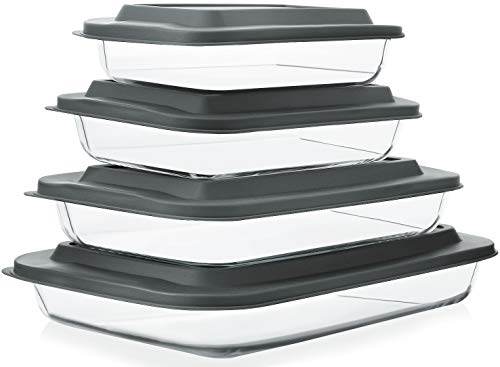
Square and rectangular pans are easy to line using the parchment paper's edges. Cut a sheet larger than the pan size to create overhang on two sides.
- Grease the pan lightly before placing the parchment.
- Lay the parchment inside, letting the paper hang over two opposite sides.
- Press the paper into corners for a close fit.
- Lift baked goods easily by pulling on the parchment overhang.
Loaf Pans And Muffin Tins
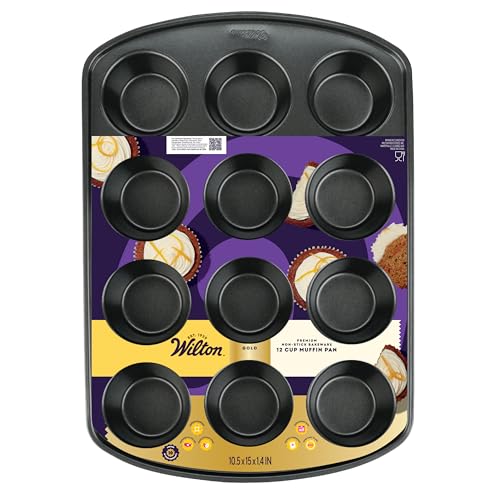
Loaf pans and muffin tins need special care to line properly. Use strips of parchment for loaf pans and parchment squares for muffin cups.
| Pan Type | Lining Method |
| Loaf Pan | Cut two long strips, one for each long side. Place strips inside, allowing paper to rise above pan edges. |
| Muffin Tin | Cut small parchment squares slightly larger than muffin cups. Press each square into a cup like a liner. |

Credit: kickassbaker.com
Securing Parchment Paper In Place
Lining a baking pan with parchment paper makes cleanup easy. It also helps prevent sticking.
To keep the parchment paper from moving, you need to secure it well. This guide shows simple ways to do that.
Using Butter Or Oil
Spread a thin layer of butter or oil on the pan before placing the parchment paper. This helps the paper stick to the pan.
Make sure to cover the corners and sides well. This keeps the paper flat and prevents it from sliding around while baking.
- Use a paper towel or brush to spread butter or oil evenly
- Do not use too much; a thin layer is enough
- Press the parchment paper gently onto the greased surface
Folding And Pressing Methods
Fold the parchment paper to fit the pan size before placing it. This helps the paper sit neatly inside the pan.
Press the folds firmly into the pan corners. This shapes the paper and holds it in place without extra tools.
- Fold parchment paper in halves or quarters to match pan size
- Make small cuts at corners if needed for a better fit
- Press paper firmly into corners and along edges
Tips For Removing Baked Goods Easily
Removing baked goods from the pan without breaking them can be tricky. Using parchment paper helps a lot. It stops cakes and pastries from sticking to the pan.
Here are some tips to make the process smooth and keep your baked goods perfect.
Cooling Techniques
Let your baked goods cool in the pan for a few minutes. This helps them firm up and reduces the chance of breaking.
- Cool the pan on a wire rack to allow air circulation.
- Wait 10 to 15 minutes after baking before removing the cake or pastry.
- Run a knife gently around the edges to loosen it from the pan.
- Lift the parchment paper carefully to check if the baked good comes out easily.
Lifting Out The Cake Or Pastry
Use the edges of the parchment paper to lift out the cake or pastry. This keeps it whole and prevents cracks.
| Tool | Purpose |
| Spatula | Slide under edges to help lift |
| Cooling rack | Place the cake on it after lifting |
| Hands | Hold parchment paper edges firmly |

Credit: www.washingtonpost.com
Common Mistakes To Avoid
Lining a baking pan with parchment paper helps prevent sticking and makes cleanup easier.
Some common mistakes can reduce these benefits. Avoid these errors to get better baking results.
Using Wax Paper Instead
Wax paper is not the same as parchment paper. It has a wax coating that can melt or catch fire in the oven.
Use parchment paper only for lining baking pans. It resists heat and keeps food from sticking safely.
Skipping Greasing
Some people skip greasing the pan when using parchment paper. This can cause the paper to slip and food to stick.
Lightly grease the pan before placing parchment paper. This helps the paper stay in place during baking.
- Grease the pan with butter or oil.
- Press the parchment paper firmly onto the greased surface.
- Trim excess paper for a neat fit.
Incorrect Paper Size
Cutting parchment paper too small or too large can cause issues.
| Problem | Effect |
| Too small | Food touches pan and sticks |
| Too large | Paper folds or burns on oven walls |
| Proper size | Fits pan edges, protects surface well |
Measure the pan and cut paper to fit inside with a slight overhang. This helps lift the baked goods easily.

Credit: www.theitaliandishblog.com
Frequently Asked Questions
How Do I Cut Parchment Paper For Baking Pans?
Cut parchment paper slightly larger than your pan. Place the pan on the paper and trace around it. Cut along the lines for a perfect fit that covers the bottom and sides.
Can I Reuse Parchment Paper For Baking?
Parchment paper can be reused once or twice if it’s clean and undamaged. Avoid using it if it’s burnt or greasy for best baking results.
Why Should I Line A Baking Pan With Parchment Paper?
Lining prevents sticking and makes cleanup easier. It also helps baked goods release smoothly without breaking or crumbling.
Can Parchment Paper Withstand High Baking Temperatures?
Most parchment paper is safe up to 420°F (215°C). Check packaging for specific temperature limits before use to avoid burning.
Conclusion
Lining a baking pan with parchment paper is simple. It ensures easy cleanup. Your baked goods won't stick, making removal effortless. Start by measuring the paper. Cut it to fit your pan. Fold it neatly into the corners. Flatten it for a smooth surface.
Now your pan is ready. Baking becomes less stressful. Enjoy perfect results every time. Parchment paper saves time and effort. It's an essential kitchen tool. Practice makes it easier. Soon, you'll do it without thinking. Ready to bake like a pro?
Grab your parchment paper. Start lining your pans today!