Are you tired of digging through cluttered cabinets, searching for the right ingredient? Labeling your kitchen containers can change that.
It’s a simple step that saves you time, reduces waste, and keeps your kitchen looking neat. Imagine opening your pantry and instantly knowing where everything is. You’ll discover easy and effective ways to label your containers so your kitchen works better for you.
Ready to bring order and ease to your cooking space? Let’s get started.
Benefits Of Labeling Kitchen Containers
Labeling kitchen containers helps keep your kitchen neat and organized. It makes finding ingredients faster and easier.
Clear labels prevent mistakes and reduce food waste. You can tell what is inside each container at a glance.
Improved Organization
Labels create a clear system for storing food. You can group similar items and keep track of what you have.
Easier Meal Preparation
When containers are labeled, you spend less time searching for ingredients. This speeds up cooking and reduces stress.
Food Safety And Freshness
Labels help you note the date when food was stored. This keeps food fresh and safe to eat by avoiding old or expired items.
Reduced Food Waste
- You can see what you have before buying more.
- Labels remind you to use older food first.
- Clear dates help track expiration and freshness.
Enhanced Kitchen Aesthetics
| Without Labels | With Labels |
|---|---|
| Containers look cluttered and messy. | Containers look neat and uniform. |
| Hard to identify contents quickly. | Contents are easy to spot at a glance. |
| Wasted space due to poor arrangement. | Better space use with organized labeling. |
Choosing The Right Labels
Labeling kitchen containers helps keep your pantry organized. The right labels make it easy to find ingredients quickly.
Choosing labels involves picking the best material, size, and adhesive. Each factor affects how well the label works in your kitchen.
Material Options
Labels come in different materials like paper, plastic, or vinyl. Paper labels are cheap but may tear or stain. Plastic and vinyl labels last longer and resist water and oil.
- Paper:Easy to write on but not very durable.
- Plastic:Waterproof and sturdy for kitchen use.
- Vinyl:Flexible and resistant to moisture and grease.
Label Sizes
Choose label sizes that fit your containers well. Too large labels can look messy. Too small labels can be hard to read.
| Container Type | Recommended Label Size |
|---|---|
| Small jars | 1 x 2 inches |
| Medium containers | 2 x 3 inches |
| Large bins | 3 x 4 inches |
Adhesive Types
Adhesives keep labels on containers. Some stick well but can leave residue. Others peel off clean but may not last long.
- Permanent adhesive:Sticks strongly, stays on for a long time.
- Removable adhesive:Easy to remove without leaving residue.
- Waterproof adhesive:Resists moisture and kitchen spills.
Tools For Labeling
Labeling kitchen containers keeps your pantry neat and easy to navigate. Using the right tools helps create clear, long-lasting labels.
Different tools suit different needs. Here are common options to consider for your kitchen labeling.
Label Makers
Label makers create printed labels with various fonts and sizes. They use adhesive tape that sticks well on plastic, glass, or metal containers.
- Easy to use with a keyboard and screen
- Labels last long and resist water and oil
- Good for consistent, professional-looking tags
- Some models allow different colors and styles
Chalkboard Labels
Chalkboard labels are reusable and add a rustic look. You write on them with chalk or chalk markers and wipe clean to change the text.
| Pros | Cons |
| Reusable and easy to update | Can smudge if wet |
| Works well on glass or plastic | Needs regular cleaning |
| Adds charm to kitchen decor | Less durable on oily surfaces |
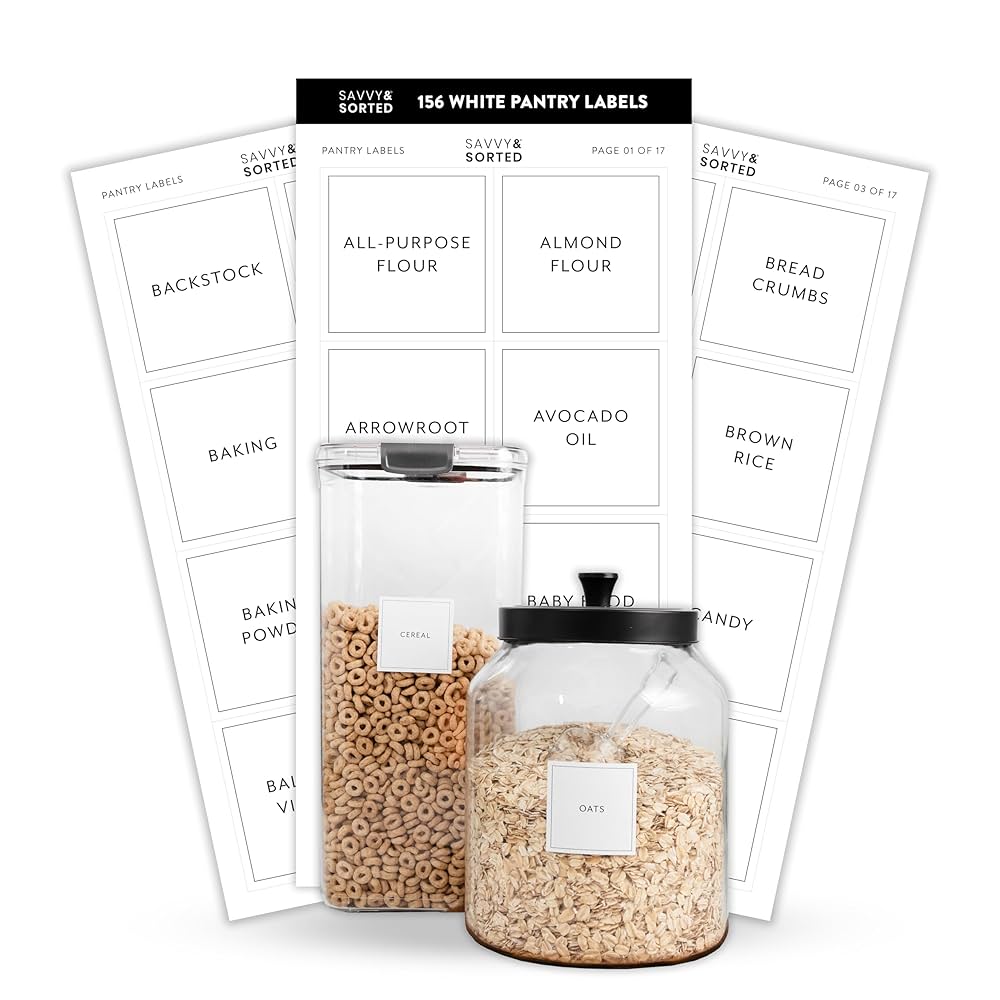
Printable Stickers
Printable stickers let you design labels on your computer. You print them on sticker paper and cut to size for your containers.
These stickers offer many customization options. You can add colors, images, and fonts to match your kitchen style.
Tips for using printable stickers:
- Choose waterproof sticker paper for durability
- Use a cutting tool for neat edges
- Seal with clear tape or laminate for extra protection
- Design labels with simple, readable fonts

Credit: www.amazon.ca
Labeling Techniques
Labeling kitchen containers helps keep your kitchen tidy and organized. Clear labels make it easy to find ingredients fast.
There are several ways to label your containers. You can write by hand, print labels, or use creative designs.
Handwritten Labels
Handwritten labels add a personal touch to your kitchen. You can use markers, pens, or chalk to write directly on containers.
These labels are quick and easy to make. They work well for temporary or frequently changed contents.
- Use waterproof markers for durability
- Write on masking tape or sticky labels
- Try chalk markers on chalkboard surfaces
- Keep handwriting clear and simple
Typed And Printed Labels
Typed and printed labels look neat and uniform. You can design them on a computer and print on sticker paper.
These labels last longer and are easy to read. They suit permanent kitchen storage containers.
- Use a clear font like Arial or Helvetica
- Print on waterproof or laminated paper
- Cut labels to fit container size
- Include important details like expiration dates
Creative Designs
Creative designs make your kitchen fun and stylish. Use colors, icons, or drawings to decorate labels.
These labels help you spot ingredients quickly and add personality to your space.
- Use colored labels for different food types
- Add small drawings like leaves or grains
- Try calligraphy or fancy fonts
- Use washi tape to create colorful borders
Organizing Containers By Category
Labeling kitchen containers helps keep your space neat and easy to use. Sorting containers by category saves time and reduces clutter.
When containers are grouped, you find what you need fast. Clear labels make it simple for everyone in the home.
Dry Goods
Dry goods include rice, pasta, beans, and grains. Label these containers with the item name and expiration date.
Use airtight containers to keep dry goods fresh. Group similar items together for easy access.
- Rice
- Pasta
- Beans
- Oats
- Flour
Spices And Herbs
Spices and herbs lose flavor if not stored well. Label jars clearly with the spice name and date purchased.
Keep containers small and uniform. Organize by type, such as savory or sweet spices.
- Black Pepper
- Basil
- Cumin
- Oregano
- Cinnamon
Baking Supplies
Baking supplies include sugar, baking soda, and chocolate chips. Label containers with ingredient names and measurements.
Store baking ingredients in clear containers. Group similar items like sugars and flours together.
- Sugar
- Baking Powder
- Baking Soda
- Chocolate Chips
- Vanilla Extract
Snacks And Leftovers
Label snack containers with the item name. For leftovers, add the date to track freshness.
Use stackable containers to save space. Keep snacks separate from leftovers for easy sorting.
- Chips
- Cookies
- Fruit Slices
- Cooked Meals
- Salads
Placement Tips For Labels
Labeling kitchen containers helps keep your kitchen neat and organized. Proper label placement makes it easy to identify contents quickly.
Follow these tips to place your labels so they stay visible, clean, and protected from water damage.
Visibility And Accessibility
Place labels where you can see them without moving containers. Front or top placement works best depending on your storage style.
- Put labels on the container’s front for open shelves.
- Use the top of lids for stacked containers.
- Keep labels at eye level for easy reading.
- Avoid placing labels near container edges where they can peel off.
Waterproofing Labels
Kitchen containers often get wet or greasy. Protect your labels with waterproof materials or coverings to keep them readable.
| Label Type | Water Resistance | Best Use |
| Laminated Paper | High | Long-term use on containers |
| Vinyl Stickers | Very High | Wet or greasy environments |
| Masking Tape | Low | Temporary labeling |
Maintaining Clean Labels
Keep your labels clean to read them easily. Wipe them gently with a damp cloth and avoid harsh scrubbing.
- Clean labels weekly to remove dust and stains.
- Use mild soap if needed and dry immediately.
- Replace damaged or faded labels promptly.
Maintaining An Organized Kitchen
Keeping your kitchen neat saves time and reduces stress. Labeling containers helps you find items quickly.
Clear labels keep your kitchen tidy and make cooking easier. Use simple labels that anyone can read.
Regular Label Updates
Update labels when you change the container’s contents. Old labels can cause confusion and waste.
Use removable labels or write with erasable markers. This makes changing labels quick and clean.
- Check labels every month
- Remove old or faded labels
- Write new labels clearly
- Use waterproof markers if possible
Rearranging Containers
Rearrange containers to keep similar items together. This helps you find what you need faster.
Place frequently used containers in easy-to-reach spots. Group less used items higher or further back.
- Group baking supplies in one area
- Keep spices near cooking zone
- Store snacks at eye level for kids
- Label shelves to match container groups
Cleaning And Care
Clean containers before labeling them. Dirt or oil can make labels peel off quickly.
Use durable containers and labels. Wipe labels gently to keep them readable for longer.
- Wash containers with warm soapy water
- Dry containers completely before labeling
- Use clear tape over paper labels for protection
- Replace worn-out containers and labels

Credit: www.amazon.ca

Credit: prettylittledesigns.com.au
Frequently Asked Questions
What Materials Work Best For Labeling Kitchen Containers?
Use waterproof labels, chalkboard stickers, or printed adhesive tags. These materials resist moisture and stay clear in humid kitchens. Choose labels that are easy to clean and removable for reusing containers.
How To Organize Labels For Different Food Types?
Group labels by food categories like spices, grains, and snacks. Use color codes or icons to differentiate types. This helps quickly identify contents and keeps your kitchen organized.
Can I Reuse Labels On Kitchen Containers?
Yes, reusable labels like chalkboard or dry-erase stickers work well. They allow you to change container contents without wasting labels. Ensure the surface is clean before applying new labels.
Should I Include Expiration Dates On Container Labels?
Including expiration dates improves food safety and reduces waste. Write dates clearly to track freshness. This helps avoid using spoiled ingredients and plan meals efficiently.
Conclusion
Labeling kitchen containers keeps your space neat and easy to use. Clear labels help you find ingredients fast. They also prevent mistakes while cooking or baking. Use simple words and easy-to-read fonts for best results. Choose labels that stick well and last long.
Keep your kitchen organized and save time every day. Small steps bring big changes in your kitchen routine. Try labeling today and enjoy a more tidy space.