Craving that perfect fry bake with its golden, crispy exterior and soft, fluffy inside? The secret lies in mastering the art of kneading flour.
You might think it’s just about mixing ingredients, but the way you knead your dough can make all the difference. Imagine creating a fry bake so irresistible that it becomes the star of your meal. By learning a few simple techniques, you can achieve dough perfection every time.
Are you ready to transform your culinary skills and discover how to knead flour for the ultimate fry bake? Dive into the details and elevate your cooking game!

Credit: www.thisbagogirl.com
Choosing The Right Flour
Choosing the right flour is key for soft and tasty fry bake. Different flours affect the texture and flavor.
Using good quality flour helps you knead the dough easily and get great results.
Types Of Flour For Fry Bake
All-purpose flour is the most common choice for fry bake. It gives a soft texture and nice rise.
- All-purpose flour: Balanced protein, good for soft dough
- Bread flour: Higher protein, makes chewier fry bake
- Self-rising flour: Contains baking powder, quick rise but less control
- Whole wheat flour: Adds fiber, denser texture, nuttier taste
Flour Quality And Freshness
Fresh flour is important for good taste and dough handling. Old flour can taste stale and affect the dough.
| Flour Quality | Effect on Fry Bake |
|---|---|
| Freshly milled | Best flavor, easy to knead |
| Stored properly | Good for weeks, keeps texture |
| Old or stale | Off taste, dough may be sticky |
Credit: www.kingarthurbaking.com
Measuring Ingredients Accurately
Measuring ingredients correctly is key to good fry bake dough. Too much or too little of any ingredient can change the texture.
Use proper tools like measuring cups or a kitchen scale. This helps keep the dough consistent every time.
Flour To Water Ratio
The right flour to water ratio makes the dough soft and easy to work with. Too much water makes it sticky. Too little makes it dry.
Start with a ratio of about 2 parts flour to 1 part water. Adjust slowly by adding water in small amounts if needed.
- Use 2 cups of flour for every 1 cup of water
- Add water a little at a time to avoid a sticky dough
- Mix well to see if the dough holds together
Adding Salt And Other Ingredients
Add salt to improve flavor and help the dough develop. Measure salt carefully so it does not overpower the taste.
You can also add other ingredients like baking powder or oil. Measure these ingredients exactly to keep the dough balanced.
- Use about 1 teaspoon of salt for 2 cups of flour
- Add 1 teaspoon of baking powder if you want a fluffier texture
- Use 1 to 2 tablespoons of oil to make dough softer
Preparing The Dough
Kneading flour is an important step to make good fry bake dough. It helps mix all ingredients well.
Proper dough makes fry bake soft and fluffy after cooking. Let’s learn how to prepare it right.
Mixing Techniques
Start by placing flour in a large bowl. Slowly add water while stirring with your hand or spoon.
Mix until the flour and water begin to combine. Then use your hands to bring the dough together.
- Use circular motions to fold the dough
- Press and push with the heel of your palm
- Turn the dough slightly after each press
- Keep mixing for 8 to 10 minutes
Adjusting Dough Consistency
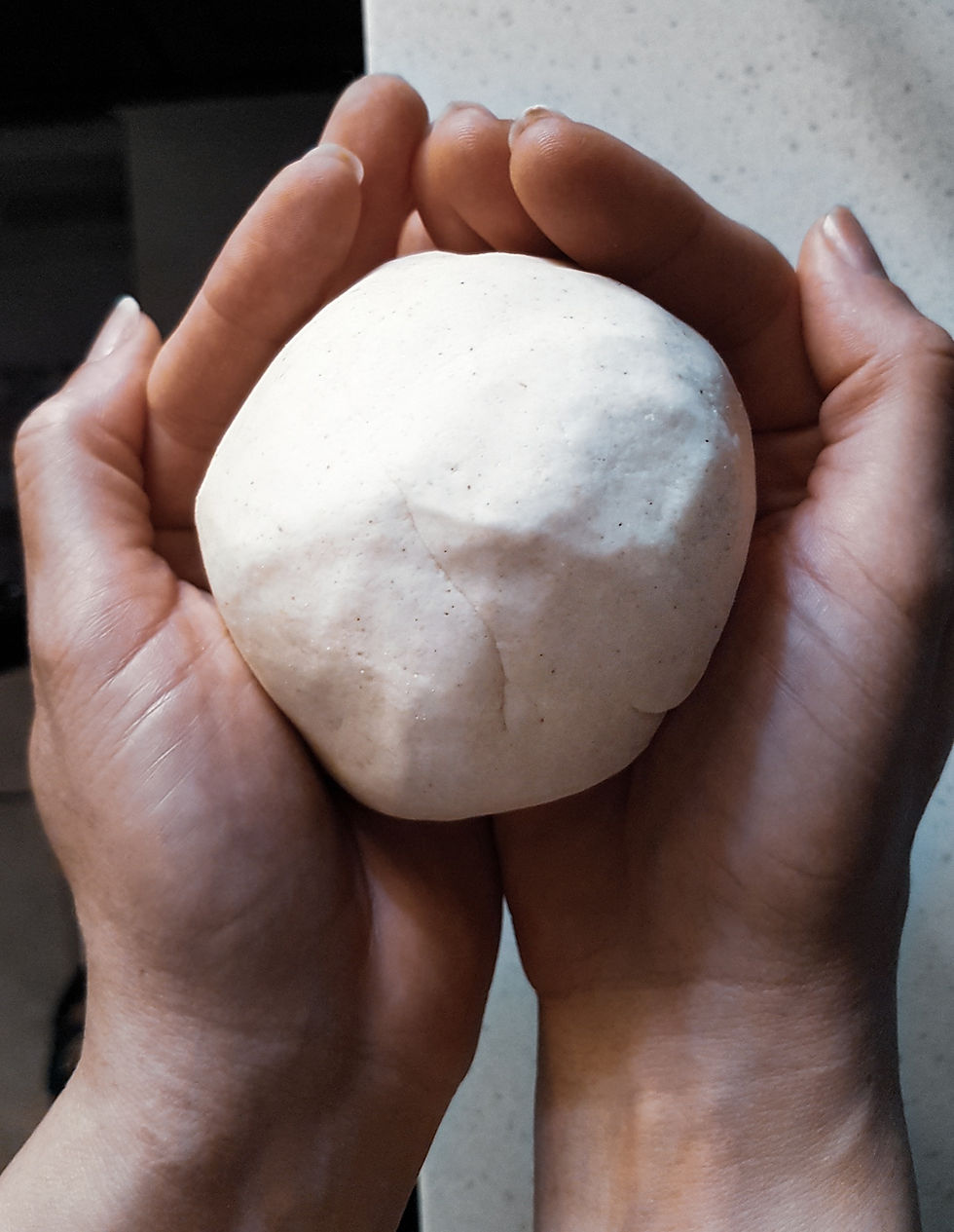
The dough should feel soft but not sticky. Add water little by little if it feels dry.
If the dough is sticky, sprinkle some flour on your hands and knead again. This helps control moisture.
- Dry dough cracks when pressed
- Sticky dough sticks to hands and surface
- Perfect dough is smooth and elastic
Kneading Techniques
Kneading flour is key to making soft and fluffy fry bake. It helps mix ingredients and develops dough texture.
Good kneading makes the dough smooth and elastic. You can knead by hand or with a stand mixer.
Hand Kneading Steps
Hand kneading is simple and needs only your hands and a clean surface. Follow these steps to knead well.
- Place flour and ingredients in a bowl or on a flat surface.
- Mix until the dough starts to form.
- Press the dough with the heels of your hands.
- Fold the dough over itself.
- Turn the dough and repeat pressing and folding.
- Knead for about 8 to 10 minutes until dough is soft and smooth.
- Cover the dough and let it rest before shaping for fry bake.
Using A Stand Mixer
A stand mixer saves time and effort. Use the dough hook attachment for best results.
- Put flour and wet ingredients in the mixer bowl.
- Attach the dough hook and start mixing on low speed.
- Mix until the dough forms a ball and pulls away from the bowl sides.
- Increase speed slightly and knead for 6 to 8 minutes.
- Turn off the mixer and check dough texture.
- Cover and let dough rest before cooking fry bake.
Common Kneading Mistakes
| Mistake | Effect | How to Fix |
|---|---|---|
| Not kneading enough | Dough stays sticky and uneven | Knead longer until dough is smooth |
| Adding too much flour | Dough becomes dry and hard | Use measured flour and add little at a time |
| Kneading too hard | Dough tears and loses elasticity | Use gentle but firm pressure |
| Skipping rest time | Dough is tough and hard to shape | Always let dough rest covered before cooking |
Resting And Proofing Dough
Resting and proofing dough is key for making soft fry bake. It helps the dough rise and develop flavor. Without proper resting, the bread can turn out dense and hard.
Understanding how long to rest and how to know when the dough is ready makes a big difference. This guide explains ideal resting times and signs of well-risen dough.
Ideal Resting Time
The dough needs enough time to rest so the yeast can work. Resting times depend on room temperature and ingredients used.
- At room temperature, rest the dough for 1 to 2 hours.
- If the room is cool, allow 2 to 3 hours.
- For faster proofing, place dough in a warm spot for about 1 hour.
- Do not rush the process; under-proofed dough will not rise well.
- Cover the dough with a damp cloth to keep it moist during resting.
Signs Of Well-risen Dough
Knowing when the dough has risen enough is important before shaping or frying. Look for these signs to check if it is ready.
| Sign | Description |
| Size | Dough should double in size from the original. |
| Texture | Surface looks smooth and slightly soft to touch. |
| Indent Test | Press dough gently with a finger; the indentation should stay. |
| Air Bubbles | Small bubbles may appear under the dough surface. |
Shaping And Frying
Kneading flour for fry bake needs care to get the right texture. After kneading, shaping and frying are important steps.
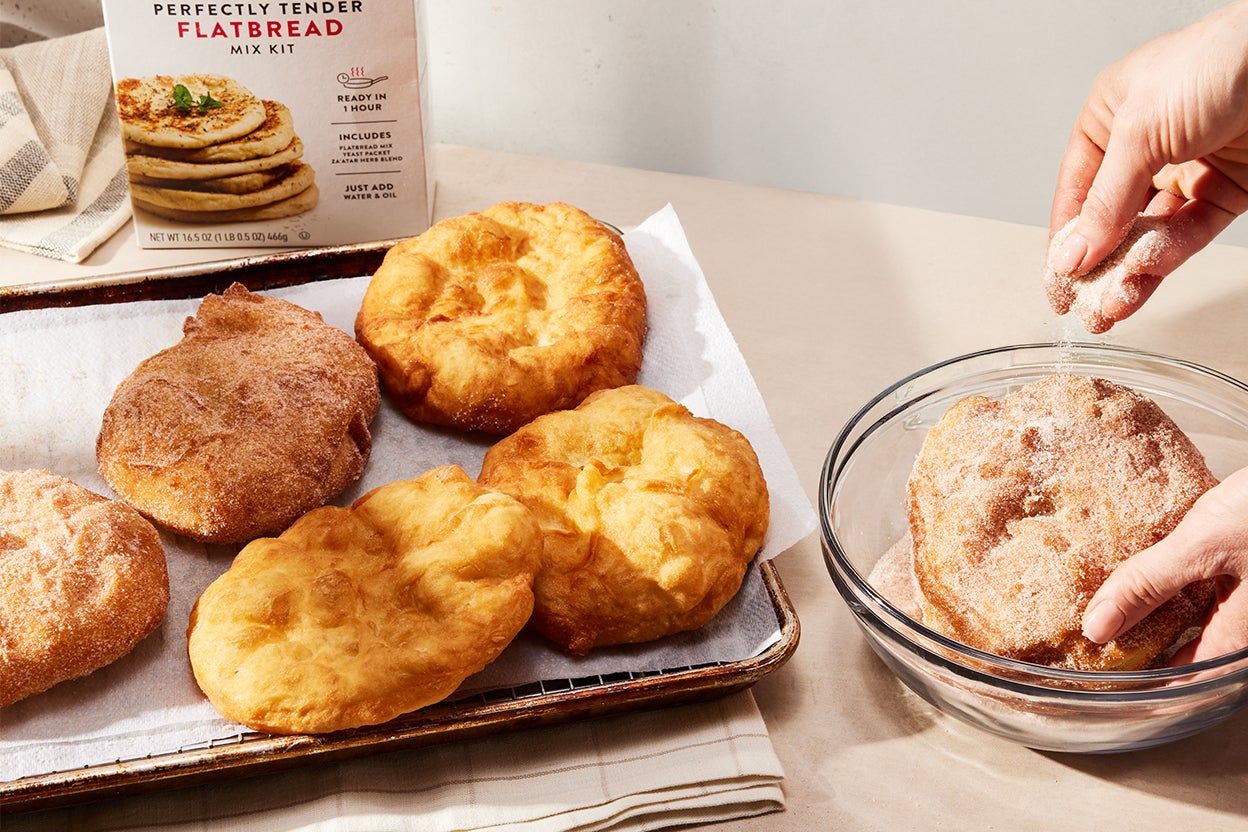
Good shaping helps fry bake cook evenly. Frying at the right temperature makes it golden and soft inside.
Forming Fry Bake Shapes
Divide the dough into small balls. Flatten each ball gently with your hands.
Shape the dough into round or oval pieces. Keep them about a quarter inch thick.
- Avoid making them too thin to stop burning.
- Make sure shapes are even for uniform cooking.
- Use a little flour to stop sticking.
Frying Temperature Tips
Heat oil to medium-high for frying fry bake. The ideal temperature is around 350°F (175°C).
Too hot oil burns the outside and leaves the inside raw. Too cool oil makes fry bake oily.
- Test oil by dropping a small dough piece. It should sizzle and rise slowly.
- Keep oil temperature steady while frying.
- Turn fry bake once it is golden on one side.
- Remove fry bake when both sides are golden brown.
Troubleshooting Common Issues
Kneading dough for fry bake can be tricky. Problems like sticky dough or tough fry bake are common. Fixing these issues improves your cooking.
Read the tips below to solve common problems. You will get better results with practice and patience.
Dough Too Sticky Or Dry
Sticky dough feels wet and sticks to your hands. Dry dough cracks and is hard to shape. Both can affect fry bake texture.
- If dough is sticky, add a little flour. Sprinkle small amounts and knead well.
- If dough is dry, add a few drops of water. Knead gently until smooth.
- Use lukewarm water to help the flour absorb moisture evenly.
- Rest the dough for 10 minutes to let moisture spread.
- Do not add too much flour or water at once. Make changes gradually.
Fry Bake Too Dense Or Tough
Dense or tough fry bake can happen if dough is not kneaded well or cooked too long. Air pockets help make fry bake light.
| Cause | Fix |
| Under-kneaded dough | Knead dough until smooth and elastic |
| Over-kneaded dough | Rest dough before cooking to relax gluten |
| Cooking too long | Cook fry bake until golden, not dark brown |
| Too much flour | Use correct flour amount; avoid adding extra |
| High heat | Cook on medium heat for even cooking |

Credit: www.youtube.com
Frequently Asked Questions
How Do You Start Kneading Flour For Fry Bake?
Begin by mixing flour with water and salt until a dough forms. Use your palms to press and fold the dough repeatedly. This activates gluten, making the dough elastic and smooth, perfect for fry bake.
What Texture Should The Dough Have For Fry Bake?
The dough should be soft, smooth, and slightly sticky but not wet. It should spring back when pressed. This texture ensures the fry bake is light and fluffy after cooking.
How Long Should You Knead Dough For Fry Bake?
Knead the dough for about 8 to 10 minutes. This time helps develop gluten, giving the dough elasticity. Proper kneading ensures the fry bake will have a good rise and soft texture.
Can You Use A Stand Mixer To Knead Fry Bake Dough?
Yes, a stand mixer with a dough hook can knead the dough efficiently. Mix on medium speed for 6 to 8 minutes. This saves time while still developing the dough’s proper texture.
Conclusion
Kneading flour for fry bake is simple with practice. Use your hands to mix and press the dough. Feel the texture change as it becomes soft and smooth. Avoid adding too much water at once. Take your time and enjoy the process.
Soon, you will make perfect fry bake every time. Try it today and taste the difference fresh dough makes. Keep practicing, and you will improve quickly. Happy cooking!