How to Install Kitchen Tip Out Tray Without Mistakes
Are you tired of cluttered countertops in your kitchen? Do you often find yourself searching for a convenient spot to store your sponges and scrubbers?
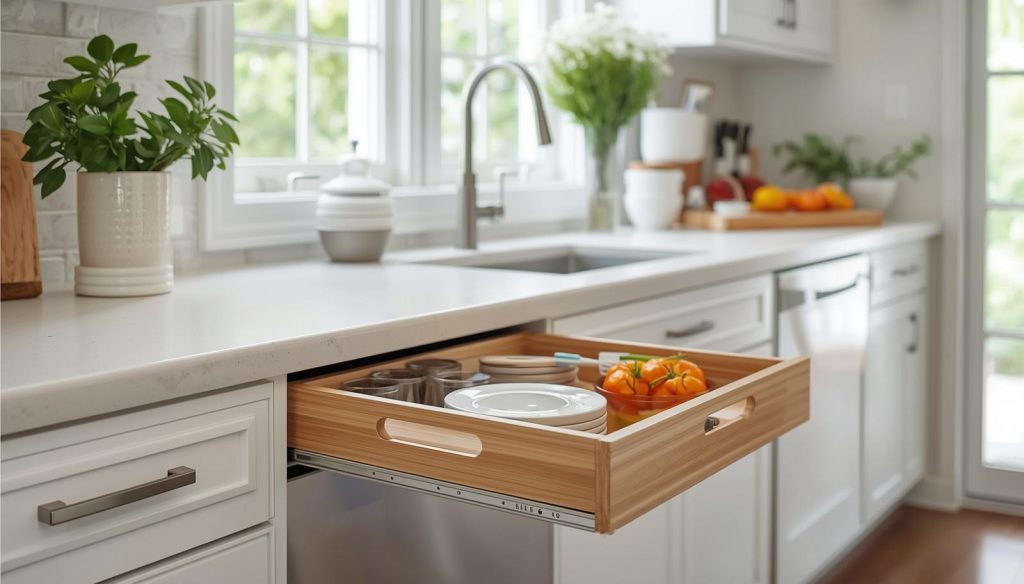
Installing a kitchen tip-out tray could be your perfect solution! This clever addition transforms the unused space in front of your sink into a functional storage area, keeping your kitchen neat and organized. How to Install Kitchen Tip Out Tray will guide you step by step, so your cleaning tools are tucked away yet effortlessly accessible.
In this guide, you’ll discover how simple it is to install a kitchen tip-out tray yourself, saving you time and enhancing your kitchen’s functionality. Get ready to transform your kitchen space with just a few easy steps!
Tools And Materials Needed
Installing a kitchen tip out tray is a simple project. You only need a few tools and materials. Preparing them first makes the job easier.
This guide will help you understand what tools and trays to use for the best results.
Essential Tools
You need some basic tools to install the tip out tray correctly. These tools help with measuring, cutting, and fixing the tray in place.
- Measuring tape to get accurate dimensions
- Pencil for marking the cabinet
- Screwdriver or drill for fixing screws
- Level to keep the tray straight
- Safety glasses to protect your eyes
- Wood screws that fit your tray hardware
- Sandpaper to smooth rough edges
Choosing The Right Tip Out Tray
Pick a tip out tray that fits your kitchen cabinet size. The tray should slide smoothly and hold small items well.
Look for trays made with durable materials and easy-to-clean surfaces. The style should match your kitchen decor.
- Measure your cabinet opening before buying
- Choose trays with sturdy hinges or slides
- Consider trays with non-slip surfaces
- Pick materials like wood or metal for strength
- Check if the tray fits your kitchen style

Credit: www.familyhandyman.com
Preparing The Cabinet Space
Installing a kitchen tip out tray needs a clean and well-measured cabinet. Preparing the space first helps avoid mistakes. It makes the installation smooth and the tray fit properly.
Start by clearing and measuring the cabinet area. This ensures enough space and proper placement for the tray. Careful preparation saves time and effort.
Clearing The Area
Remove everything inside the cabinet to clear the space. Check for any nails, screws, or objects that could block the tray. Clean the inside walls and floor of the cabinet.
- Take out all items from the cabinet
- Remove any shelves or obstacles
- Check for loose screws or nails
- Wipe the cabinet clean and dry
- Ensure the cabinet door opens fully
Measuring For Fit
Measure the cabinet carefully to make sure the tray fits well. Measure width, depth, and height inside the cabinet. Write down the numbers to use during installation.
| Measurement | How to Measure | Reason |
|---|---|---|
| Width | Measure from left to right inside the cabinet | To fit tray width without rubbing sides |
| Depth | Measure from front to back inside the cabinet | To ensure tray slides fully inside |
| Height | Measure from bottom to top inside the cabinet | To clear space for tray and items |
Marking And Drilling
Installing a kitchen tip out tray needs careful marking and drilling. These steps help fit the tray securely in place.
Take your time to mark the spots clearly before drilling. This avoids mistakes and damage to your cabinet.
Positioning The Tray
Place the tip out tray inside the cabinet where you want it to go. Check that it fits well and can open easily.
Make sure the tray is level and not blocking other parts of the cabinet. Adjust the position if needed before marking.
Drilling Guide Holes
Use a pencil to mark the spots for drilling on the cabinet frame. Mark all the holes needed for screws or brackets.
Drill small guide holes first. These holes make it easier to drill the final screw holes without splitting the wood.
- Choose a drill bit smaller than the screw size
- Hold the drill steady and drill straight holes
- Drill slowly to avoid damage
- Check that the holes match your marks

Credit: www.familyhandyman.com
Attaching The Tray
Attaching the kitchen tip out tray is a simple task. It helps keep your kitchen tidy and organized.
Follow these steps to attach the tray securely. This will ensure it works well every time.
Securing The Tray with Screws
Start by placing the tray in the correct position inside the cabinet. Align the holes on the tray with the cabinet frame.
Use screws to attach the tray firmly. Make sure to tighten them well but do not over-tighten to avoid damage.
- Use the screws that come with the tray kit
- Pre-drill holes if the wood is hard
- Tighten screws evenly on both sides
- Check that the tray is level before final tightening
Checking Stability
After securing the tray, test its stability by gently pulling it out. It should slide smoothly without wobbling.
If the tray feels loose, check the screws again. Tighten any loose screws and adjust the tray position as needed.
- Pull the tray out fully and push it back in
- Look for side-to-side or up-and-down movement
- Re-tighten screws if there is any looseness
- Ensure the tray does not hit the cabinet walls
Final Adjustments
After installing the kitchen tip out tray, making final adjustments ensures it works well. These tweaks help the tray open and close smoothly.
Paying attention to small details now saves time later. It also keeps the tray safe to use every day.
Ensuring Smooth Operation
Check that the tray slides easily without sticking or wobbling. Adjust the hinges or runners if needed to improve movement.
- Make sure screws are tight but not too tight to block movement
- Lubricate sliding parts with a small amount of silicone spray
- Test the tray several times to confirm smooth action
- Adjust alignment by loosening and repositioning brackets
Troubleshooting Common Issues
If the tray does not close fully or feels loose, check for common problems. Fix these issues to keep the tray working well.
| Problem | Possible Cause | Solution |
| Tray sticks when sliding | Dirt or debris in tracks | Clean tracks and apply lubricant |
| Tray wobbles when open | Loose screws or misaligned parts | Tighten screws and realign brackets |
| Tray does not close fully | Obstruction or incorrect hinge position | Remove obstruction and adjust hinge |
| Tray feels heavy to open | Lack of lubrication | Apply silicone spray to sliding parts |

Credit: www.amazon.com
Frequently Asked Questions
What Tools Are Needed to Install a Kitchen Tip Out Tray?
You will need a screwdriver, drill, measuring tape, pencil, and screws. These basic tools ensure proper alignment and secure installation of the tray.
How Do I Measure for a Kitchen Tip Out Tray?
Measure the cabinet front width and height. Ensure the tray fits inside the cabinet without obstructing shelves or doors for smooth operation.
Can I Install a Tip Out Tray Without Professional Help?
Yes, installation is simple with basic tools and instructions. Follow steps carefully for a secure and functional tip out tray.
How Long Does It Take to Install a Tip Out Tray?
Installation usually takes 30 to 60 minutes depending on your experience and cabinet complexity. Preparation and accurate measurements save time.
Conclusion
Installing a kitchen tip out tray is simple and useful. It helps keep small items neat and easy to find. Follow each step carefully for the best results. Use the right tools to make the process smooth. Take your time and check your work as you go.
A well-installed tray adds convenience to your kitchen. Enjoy the extra space and better organization every day. This small project can make a big difference in your kitchen.