Are your kitchen drawers not sliding as smoothly as you’d like? Installing new kitchen drawer slides could be the quick fix you need.
Imagine effortlessly gliding drawers that make your kitchen experience seamless and enjoyable. You’ll discover the simple steps to install kitchen drawer slides on your own, saving you both time and money. You’ll gain a sense of accomplishment as you transform your kitchen with a weekend project that’s easier than you think.
Keep reading to learn how you can achieve that smooth, professional drawer glide with just a few tools and a bit of your time. Your kitchen will thank you!
Types Of Drawer Slides
Drawer slides help drawers open and close smoothly. There are different types to fit various needs. Knowing the types helps you pick the right one for your kitchen.
Each slide type has its own design and way of attaching to the drawer. We will look at side-mount, under-mount, and center-mount slides.
Side-mount Slides
Side-mount slides attach to the sides of the drawer. They are visible when the drawer is open. These slides are common and easy to install.
- Hold heavy loads well
- Offer full extension for easy access
- Easy to adjust and replace
- Require clearance on drawer sides
Under-mount Slides
Under-mount slides fit under the drawer. They are hidden when the drawer is open. This type gives a clean look to your kitchen drawers.
| Feature | Benefit |
| Hidden design | Better kitchen appearance |
| Soft-close option | Quieter closing |
| More installation effort | Requires precise fitting |
Center-mount Slides
Center-mount slides attach under the center of the drawer bottom. They are less common and fit small or medium drawers. These slides are simple but have lower weight limits.
Advantages of center-mount slides:
- Easy to install on small drawers
- Cost-effective choice
- Good for light to medium loads

Credit: www.bunnings.com.au
Tools And Materials Needed
Installing kitchen drawer slides requires the right tools and materials. Using proper tools makes the job easier and more accurate.
This guide covers the essential measuring tools, power tools, and hardware needed for the installation.
Measuring Tools
Measuring tools help you get the exact size for your drawer slides. Accurate measurements prevent mistakes and ensure smooth operation.
- Tape measure: To measure drawer and cabinet sizes
- Combination square: For marking straight and square lines
- Pencil: To mark measurements and drill points
- Level: To check if slides are perfectly horizontal
Power Tools
Power tools speed up the installation and help make clean cuts and holes. Using them carefully improves the quality of your work.
- Electric drill: For drilling holes and driving screws
- Drill bits: To match the size of screws and pilot holes
- Screwdriver bit: For screwing in the hardware
- Jigsaw or circular saw: For trimming drawers if needed
Hardware And Accessories
You will need specific hardware to attach the drawer slides and make them work smoothly. Accessories help in the installation and adjustment.
- Drawer slides: Choose the right length and type for your drawers
- Screws: Usually included with slides, or use wood screws of proper size
- Wood shims: To adjust drawer height or level if needed
- Mounting brackets (optional): For extra support if required
Preparing The Drawer And Cabinet
Installing kitchen drawer slides requires careful preparation of both the drawer and cabinet. This ensures smooth operation and long-lasting use.
Start by measuring accurately and marking the right positions. Then clean and adjust surfaces to fit the slides properly.
Measuring Drawer Dimensions
Measure the width, height, and depth of the drawer carefully. Use a tape measure for accuracy. Write down all the dimensions before proceeding.
- Measure the drawer width from side to side inside the cabinet.
- Measure the drawer height from top to bottom on the inside.
- Measure the drawer depth from front to back inside the cabinet.
- Check if the drawer bottom is level and even.
Marking Slide Positions
Mark the correct height and position for the slides on both the drawer and cabinet. Use a pencil and a ruler or square tool to make straight lines.
| Component | Where to Mark | Tip |
|---|---|---|
| Drawer | Inside sides, aligned with drawer bottom | Mark left and right sides equally |
| Cabinet | Inside walls, at same height as drawer marks | Check level with a spirit level |
Cleaning And Adjusting Surfaces
Clean all surfaces where the slides will attach. Remove dust, dirt, and grease. This helps the slides stick properly and work smoothly.
- Use a clean cloth and mild cleaner.
- Sand any rough spots or bumps on the drawer or cabinet.
- Fill holes or cracks with wood filler and let dry.
- Check that surfaces are flat and even before installing slides.
Installing Side-mount Slides
Side-mount drawer slides help drawers open smoothly. They attach to the sides of drawers and cabinets. Installing them needs careful measuring and fixing.
This guide explains how to install side-mount slides step by step. Follow the steps to make your drawers work well.
Attaching Slides To Drawer
Start by attaching the slide parts to the drawer. Use the inner part of the slide for this. Measure carefully to keep the slide even.
Align the slide so it is level and straight. Mark screw holes with a pencil. Then, screw the slides in place firmly.
- Place the slide 1/2 inch from the top edge
- Keep the front edge flush with the drawer front
- Check that the slide is straight and level
- Use screws that fit the slide holes
- Tighten screws but do not over-tighten
Mounting Slides Inside Cabinet
Next, attach the matching slide parts inside the cabinet. These parts hold the drawer in place. Measure the cabinet sides carefully.
Mark where the slide will go. Make sure both slides are at the same height. Screw the slides to the cabinet walls securely.
- Position slides 1/2 inch from the bottom of the drawer slot
- Keep slides parallel to each other
- Use a level to check alignment
- Mark screw holes before drilling
- Fasten screws tightly but gently
Aligning And Securing Slides
After mounting slides, test the drawer fit. Slide the drawer in and out to check smooth movement. Adjust if it sticks or wobbles.
Make small adjustments by loosening screws and shifting slides. Once aligned, tighten all screws firmly. This keeps the drawer steady.
- Check that the drawer slides without resistance
- Ensure the drawer front is flush with the cabinet
- Tighten all screws after adjustment
- Use a screwdriver for precise control
- Test the drawer several times
Installing Under-mount Slides
Under-mount slides are hidden beneath the drawer. They offer a clean look and smooth motion.
Installing them requires precise positioning and careful adjustments for best performance.
Positioning Slides Under Drawer
Place the slides on the underside edges of the drawer. They should run parallel to the drawer sides.
- Measure the drawer width to center the slides evenly.
- Mark the slide placement with a pencil.
- Ensure slides do not stick out beyond the drawer front or back.
- Check alignment by holding the slide against the drawer bottom.
Securing Slides To Drawer And Cabinet
Attach the slides firmly to both the drawer and cabinet to avoid wobbling.
| Part | Fastener Type | Tip |
| Drawer Slide | Small screws | Use pilot holes to prevent splitting |
| Cabinet Slide | Medium screws | Align with cabinet side walls carefully |
Drive screws slowly to keep slides straight. Check slide movement after securing.
Adjusting For Smooth Operation
Tune the slides to open and close easily without sticking or noise.
- Loosen screws slightly to shift the slide position.
- Test drawer movement after each change.
- Tighten screws once smooth operation is achieved.
- Lubricate slides if they feel stiff.
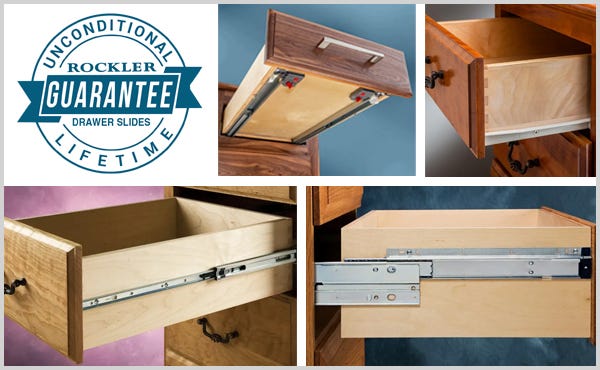
Credit: www.rockler.com
Testing And Adjusting Slides
After installing kitchen drawer slides, test their movement carefully. Proper testing helps ensure smooth operation and long-lasting use.
Adjusting the slides can fix any issues with alignment or drawer fit. Small changes make a big difference in drawer performance.
Checking Drawer Movement
Open and close the drawer slowly to check how it moves. It should slide smoothly without sticking or wobbling.
Listen for noises like scraping or grinding. These sounds show the slides may need adjustment or cleaning.
- Drawer should open fully without resistance
- Closing should feel soft, not forced
- Check if the drawer stays level when open
- Notice any uneven movement or shaking
Fine-tuning Alignment
Make small adjustments to the slides if the drawer does not sit right. Proper alignment prevents damage and improves glide.
Loosen screws slightly to shift the slide. Tighten screws again after making sure the drawer moves smoothly.
- Adjust slides up or down to level the drawer
- Move slides side to side to center the drawer
- Check that slides are parallel to cabinet sides
- Test movement after each adjustment
Troubleshooting Common Issues
If the drawer sticks, check for dirt or debris on the slides. Clean the slides with a dry cloth to remove buildup.
Loose screws can cause wobbling. Tighten all screws firmly but do not overtighten.
- Remove dirt or dust from slide tracks
- Replace damaged or bent slides
- Use lubricant sparingly if slides feel dry
- Ensure screws are tight but not stripped
Maintenance Tips For Drawer Slides
Proper maintenance helps drawer slides work smoothly. It also makes them last longer.
Simple care steps keep your kitchen drawers opening and closing easily every day.
Lubrication
Lubricating drawer slides reduces friction and noise. It helps the slides move easily.
Use a silicone-based lubricant or a dry spray. Avoid oily or greasy products that attract dirt.
- Apply lubricant to the slide rails and rollers
- Open and close the drawer several times to spread it evenly
- Wipe off any excess lubricant to prevent dust buildup
Cleaning
Clean drawer slides regularly to remove dust and debris. Dirt can block smooth movement.
Use a soft brush or cloth to clear the tracks and rollers. Avoid harsh chemicals that can damage metal.
- Remove drawers carefully before cleaning
- Brush out crumbs and dust inside the rails
- Wipe with a damp cloth and dry thoroughly
- Reinstall the drawer after cleaning
Regular Inspections
Check drawer slides often for signs of wear or damage. Early fixes stop bigger problems.
Look for loose screws, bent parts, or broken rollers. Tighten or replace parts as needed.
- Test drawer movement for smoothness
- Listen for unusual noises or resistance
- Ensure slides are aligned and secure
- Fix issues promptly to avoid damage

Credit: www.youtube.com
Frequently Asked Questions
What Tools Do I Need To Install Kitchen Drawer Slides?
You need a drill, screwdriver, measuring tape, pencil, level, and drawer slides. These tools help ensure accurate and secure installation.
How Do I Measure For Kitchen Drawer Slides?
Measure the drawer width and cabinet depth precisely. Choose slides that match these dimensions for a perfect fit and smooth operation.
Can I Install Drawer Slides Myself Easily?
Yes, installing drawer slides is a straightforward DIY task. Follow instructions carefully, use the right tools, and take accurate measurements for best results.
What Types Of Drawer Slides Are Best For Kitchens?
Ball-bearing and undermount slides are popular for kitchens. They offer smooth movement, durability, and full extension for easy access to contents.
Conclusion
Installing kitchen drawer slides can be simple and quick. Measure and align the slides carefully for smooth movement. Use the right tools and follow steps one by one. Check that the drawers open and close without sticking. Take your time to avoid mistakes.
A well-installed slide makes your kitchen more functional. Enjoy easier access to your kitchen items every day. This project improves your space without much effort. Keep these tips in mind for best results.