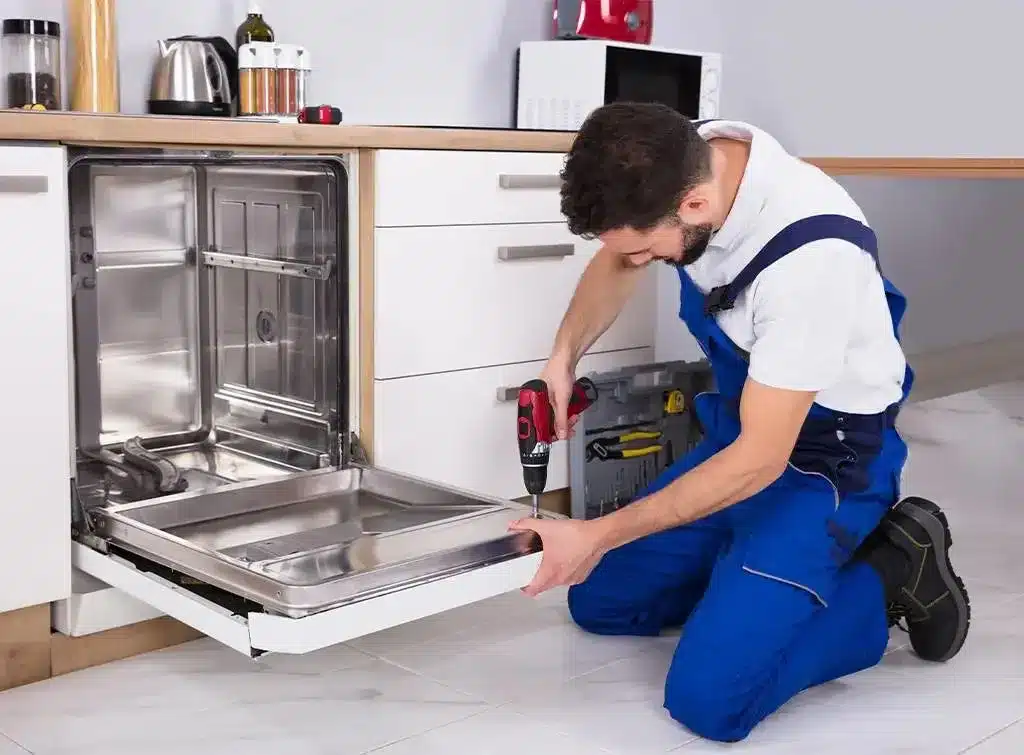
Are you ready to upgrade your kitchen by installing a dishwasher right next to your cabinets? Doing it yourself might sound tricky, but with the right steps, you can make it happen smoothly.
Imagine saving money, customizing the fit perfectly, and having your dishwasher blend seamlessly with your kitchen cabinets. In this guide, you’ll find clear, simple instructions that anyone can follow—even if you’re not a pro. Keep reading to discover how to transform your kitchen space with a dishwasher installation that feels like it was made just for you.
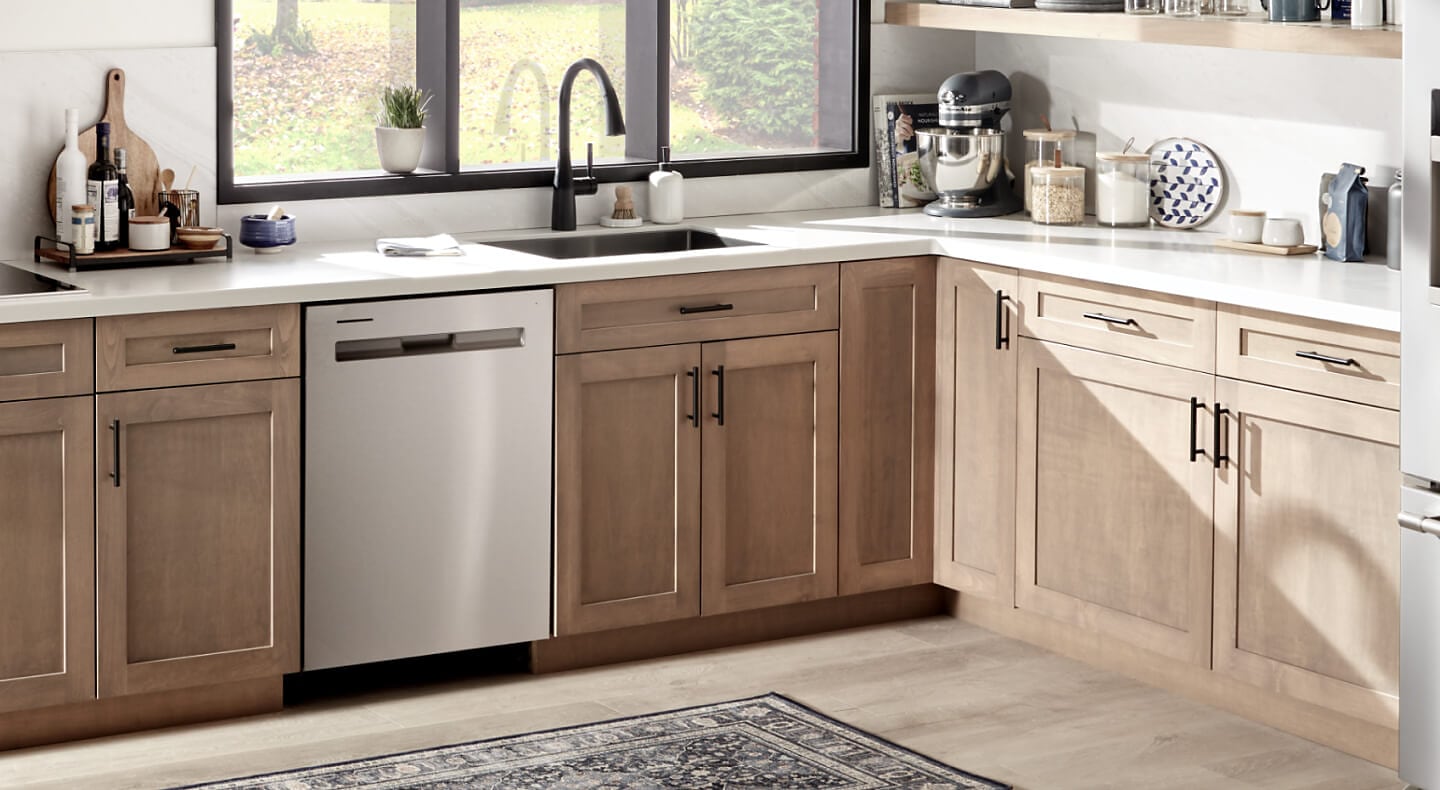
Credit: www.maytag.com
Preparing The Space
Installing a dishwasher with kitchen cabinets needs careful preparation. Getting the space ready helps the installation go smoothly.
Clear and measure the area before starting. Gather all tools needed to save time.
Measuring The Cabinet Opening
Measure the cabinet opening where the dishwasher will fit. Accurate measurements avoid problems during installation.
Check the width, height, and depth of the space. Compare these with the dishwasher size to ensure a good fit.
- Use a tape measure for precise numbers
- Measure from floor to countertop
- Note any obstacles inside the cabinet
- Write down all measurements clearly
Clearing The Area
Remove items from the cabinet and nearby area. This gives you enough room to work safely and easily.
Clear the floor around the cabinet to avoid tripping. Disconnect power and water supplies before starting the installation.
- Empty the cabinet completely
- Move furniture or objects that block access
- Turn off water and electricity to the area
- Keep a towel or bucket nearby for water spills
Gathering Necessary Tools
Collect all tools needed before installing the dishwasher. Having tools ready saves time and avoids interruptions.
Common tools include screwdrivers, pliers, and a wrench. Check the dishwasher manual for any special tools required.
- Tape measure
- Level
- Power drill
- Adjustable wrench
- Screwdrivers (Phillips and flathead)
- Pliers
- Bucket and towels
Disconnecting Utilities
Before installing a dishwasher with kitchen cabinets, you must disconnect all utilities. This makes the process safe and prevents damage.
Turning off the water and power supply is important. You also need to detach the old dishwasher carefully.
Turning Off Water Supply
Locate the water shut-off valve under the sink or near the dishwasher. Turn the valve clockwise to stop the water flow.
- Check for leaks after turning off the valve.
- If no valve is found, turn off the main water supply.
- Open the faucet to drain remaining water in the pipes.
Shutting Off Power
Find the circuit breaker for the dishwasher in your electrical panel. Flip the breaker switch to the off position.
| Location | Action |
| Electrical panel | Turn off dishwasher circuit breaker |
| Under the sink | Unplug dishwasher power cord if available |
| Wall outlet | Check for power with a tester before proceeding |
Detaching Existing Dishwasher
Remove the screws that hold the dishwasher to the cabinet or countertop. Pull the dishwasher out slowly.
- Disconnect the water supply hose from the dishwasher.
- Unplug the electrical cord or disconnect wiring if hardwired.
- Carefully remove the drain hose from the sink drain or garbage disposal.
Modifying Kitchen Cabinets
Installing a dishwasher often needs changes to your kitchen cabinets. These changes help the dishwasher fit well and work properly.
Focus on removing parts, adjusting sizes, and making sure air flows correctly.
Removing Cabinet Doors Or Panels
Remove cabinet doors or panels where the dishwasher will go. This creates the space needed for the appliance.
- Use a screwdriver to take off hinges.
- Label doors to keep track of them.
- Store screws and parts safely.
- Remove any obstructing shelves inside the cabinet.
Adjusting Cabinet Dimensions
You may need to change the cabinet size to fit the dishwasher’s width and height.
| Dimension | Recommended Size | Notes |
| Width | 24 inches | Standard dishwasher size |
| Height | 34 inches | Adjust cabinet base if needed |
| Depth | 24 inches | Includes space for door clearance |
Ensuring Proper Ventilation
Good air flow prevents moisture build-up and overheating near the dishwasher.
Follow these tips for ventilation:
- Cut ventilation holes in the cabinet back panel.
- Leave a small gap around the dishwasher sides.
- Use vent grilles if the space is enclosed.
Positioning The Dishwasher
Installing a dishwasher with kitchen cabinets needs careful positioning. The dishwasher must fit well and work smoothly.
This guide helps you place the dishwasher correctly in your cabinet space. Follow these tips for a good fit.
Aligning With Cabinet Opening
Check the dishwasher size before installation. It should match the cabinet opening width and height.
Slide the dishwasher gently into the cabinet space. Make sure the front lines up with the cabinet doors.
- Measure the cabinet opening carefully
- Keep the dishwasher front flush with cabinets
- Avoid gaps between dishwasher and cabinets
Leveling The Appliance
Use a level tool to check if the dishwasher is even. Adjust the feet to fix any tilt.
Leveling helps the dishwasher door close properly. It also prevents leaks and noise during use.
- Place a level on top of the dishwasher
- Turn the adjustable feet to level it
- Check front-to-back and side-to-side leveling
Securing The Dishwasher
Attach the dishwasher to the cabinet or countertop. This stops it from moving when the door opens.
Use screws and brackets from the dishwasher kit. Tighten them firmly but avoid damaging the cabinets.
- Find mounting holes on the dishwasher frame
- Use screws to fix it to cabinet sides or top
- Check stability by opening and closing the door
Connecting Water And Drain Lines
Connecting water and drain lines is an important part of installing your dishwasher. Proper connections help avoid leaks and water damage. This guide covers the basic steps for these connections.
Follow these instructions carefully to attach hoses and check for leaks before using your dishwasher.
Attaching Water Supply Hose
First, find the water supply valve under your kitchen sink. Turn off the water before starting. Connect the water supply hose to the valve and the dishwasher inlet.
- Turn off the main water supply.
- Attach one end of the water supply hose to the valve.
- Secure the other end to the dishwasher water inlet.
- Tighten both connections with a wrench, but do not overtighten.
- Turn the water back on and check for leaks.
Connecting Drain Hose
The drain hose removes wastewater from your dishwasher. Connect it to the drain outlet under your sink or garbage disposal. Make sure the hose is not kinked or bent.
| Step | Action |
|---|---|
| 1 | Attach the drain hose to the dishwasher drain outlet. |
| 2 | Secure the hose clamp tightly. |
| 3 | Connect the other end to the sink drain or garbage disposal inlet. |
| 4 | Make sure the hose runs in a high loop to prevent backflow. |
Checking For Leaks
After all connections are made, test the dishwasher for leaks. Run a short cycle and watch the hoses carefully. Check all connection points.
- Look for water dripping around hose ends.
- Feel for moisture on the floor under the dishwasher.
- Tighten any connections if you find leaks.
- Replace damaged hoses if needed.
Credit: www.thegritandpolish.com
Wiring The Dishwasher
Wiring the dishwasher is a key part of installing it with kitchen cabinets. This step ensures your dishwasher gets power safely and works properly. You must follow safety rules and local codes.
This guide covers accessing electrical connections, making safe connections, and testing the power supply. Take your time and use the right tools.
Accessing Electrical Connections
First, locate the dishwasher’s electrical access point. Most dishwashers have a panel at the bottom front or back. Remove this panel to see the wires and terminals.
Turn off the power at the circuit breaker before touching any wires. Use a voltage tester to confirm no power is flowing. Keep the area clear and dry.
Making Safe Electrical Connections
Connect the dishwasher wires to the house wiring carefully. Match the colors: black to black (hot), white to white (neutral), and green or bare to ground. Use wire nuts to secure each connection.
- Strip about half an inch of insulation from each wire.
- Twist wires together tightly before adding wire nuts.
- Tuck the wires neatly into the junction box.
- Replace the access panel securely.
Testing Power Supply
After wiring, restore power at the breaker. Test the dishwasher power supply before finishing installation. Use a voltage tester or multimeter to check the wires.
| Test | Expected Result |
| Black to White wire | 120 volts (or local voltage) |
| Black to Ground wire | 120 volts |
| White to Ground wire | No voltage or close to 0 volts |
Finishing Touches
After installing your dishwasher, the final steps make sure it looks neat and works well. These finishing touches help blend the dishwasher with your kitchen cabinets.
Pay close attention to small details to complete the installation. These steps improve the dishwasher’s function and your kitchen’s appearance.
Reinstalling Cabinet Doors
Remove cabinet doors before installation to fit the dishwasher easily. Now, put the doors back on their hinges carefully.
Check that the doors open and close without hitting the dishwasher. Tighten screws if doors feel loose or uneven.
- Align doors with the cabinet frame
- Screw hinges back securely
- Adjust doors for smooth opening
Sealing Gaps Around Dishwasher
Look for any gaps between the dishwasher and cabinets. Sealing these gaps keeps moisture and dirt out.
Use a silicone sealant or foam strips to close spaces. Make sure the seal is neat and does not block dishwasher vents.
- Clean the edges before sealing
- Apply sealant evenly around edges
- Allow sealant to dry fully before use
Running Initial Test Cycle
Once the dishwasher is installed, run a test cycle to check its performance. This step confirms that water and power connections work well.
Watch for leaks and listen for unusual noises. Stop the cycle if you see problems and fix them before regular use.
- Fill dishwasher with detergent
- Choose a short wash cycle
- Monitor for leaks or sounds
- Check dishes for cleanliness
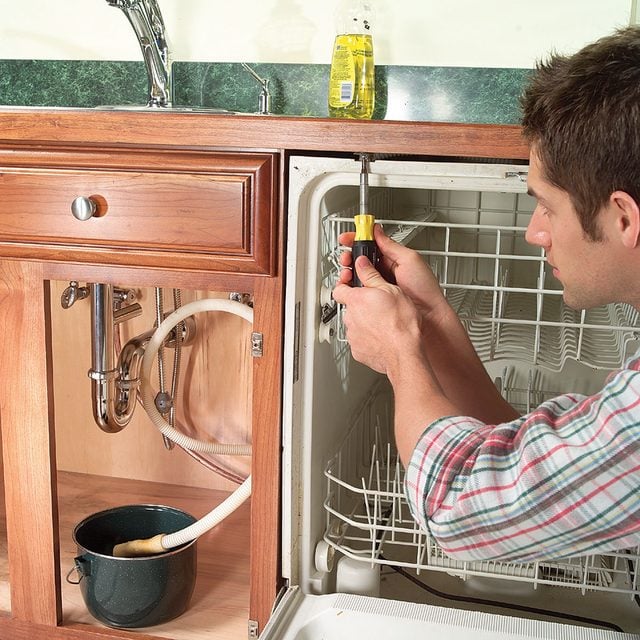
Credit: www.familyhandyman.com
Frequently Asked Questions
How Do I Fit A Dishwasher Under Kitchen Cabinets?
Measure the dishwasher and cabinet space carefully. Ensure the area under cabinets is at least 24 inches wide and 34 inches tall. Remove the cabinet door or panel if necessary. Proper fitting avoids damage and ensures smooth dishwasher operation.
What Tools Are Needed To Install A Dishwasher?
You need a screwdriver, adjustable wrench, drill, level, and pliers. Also, have a tape measure and bucket ready. These tools help secure the dishwasher and connect plumbing and electrical lines safely.
Can I Install A Dishwasher Next To Existing Cabinets?
Yes, you can install it next to cabinets if there is enough space. Ensure proper plumbing and electrical access. Maintain at least 24 inches width and allow door clearance for easy use.
How Do I Connect Dishwasher Water Supply And Drainage?
Connect the water supply line to the hot water valve under the sink. Attach the drainage hose to the sink drain or garbage disposal. Secure connections tightly to avoid leaks and ensure proper drainage.
Conclusion
Installing a dishwasher with kitchen cabinets is straightforward. Follow the steps carefully. Gather all necessary tools and materials first. Ensure you measure the space accurately. This helps fit the dishwasher perfectly. Connect water and power lines securely. Check for leaks after installation.
Make adjustments if needed for a snug fit. Clean up the area and test the dishwasher. Enjoy a more efficient kitchen. Remember, taking your time ensures better results. With these tips, your installation should go smoothly.