Are you ready to transform your kitchen with the convenience of a dishwasher? Installing one might seem daunting, but it doesn’t have to be.
Imagine freeing up hours of your time and saying goodbye to dishpan hands. By following a few straightforward steps, you can have your dishwasher up and running in no time. This guide is designed to make the installation process as easy as possible for you, whether you’re a seasoned DIYer or a complete novice.
Get ready to discover how simple it can be to bring this essential appliance into your home. Stick with us, and soon you’ll enjoy more free time and cleaner dishes!
Tools And Materials Needed
Installing a dishwasher in your kitchen requires certain tools and materials. Having these ready helps the process go smoothly.
Use the right tools for safety and to avoid damage. Gather all materials before you start the installation.
Essential Tools
You need some basic tools to install a dishwasher. These tools help with plumbing, electrical work, and securing the appliance.
- Adjustable wrench for tightening connections
- Screwdriver set for screws and brackets
- Drill with drill bits for mounting holes
- Level to ensure the dishwasher is even
- Measuring tape to check space and hose length
- Plumber's tape to seal pipe threads
- Bucket to catch water during plumbing work
- Wire strippers for electrical connections
Required Materials
Besides tools, you need specific materials for the dishwasher installation. These materials connect the dishwasher to water and power.
- Dishwasher installation kit with hoses and clamps
- Water supply line to connect to the kitchen water
- Drain hose to remove wastewater
- Power cord or electrical wiring compatible with your dishwasher
- Mounting brackets to secure the dishwasher under the counter
- Silicone sealant to prevent water leaks
- Wire connectors for safe electrical connections
Preparing The Installation Area
Installing a dishwasher needs a clean and ready space. Preparing the area helps the process go smoothly.
This guide covers measuring the space and clearing the area before installation.
Measuring The Space
Measure the height, width, and depth of the place where the dishwasher will go. This ensures the appliance fits well.
- Use a tape measure to get exact numbers.
- Measure cabinet openings and available floor space.
- Check for any pipes or wires that might block the dishwasher.
- Write down all measurements for reference.
Clearing The Area
Remove any items from under the sink or cabinets near the installation spot. This gives you enough room to work.
| Task | Details |
|---|---|
| Remove Cabinets | Take out any obstructing shelves or panels |
| Clear Floor | Move rugs or mats away from the space |
| Disconnect Power | Turn off electricity to avoid accidents |
| Check Plumbing | Ensure water lines are accessible and clear |
Turning Off Utilities
Before installing a dishwasher, you must turn off the utilities. This step helps avoid accidents and leaks.
Two main utilities need to be shut off: water and power. Each requires careful attention.
Shutting Off Water Supply
Stop the water flow to the dishwasher by closing the water valve. This valve is usually under the sink or near the dishwasher space.
- Find the water shut-off valve.
- Turn the valve clockwise until it stops.
- Check if water is off by opening the faucet.
- Use a towel to catch any dripping water.
Switching Off Power
Cut the electricity to the dishwasher area to avoid electric shock. This can be done from your home's circuit breaker panel.
| Action | Details |
| Locate circuit breaker | Find your home's main electrical panel. |
| Identify dishwasher breaker | Look for a label or switch assigned to the dishwasher. |
| Turn off breaker | Flip the switch to the OFF position. |
| Test power | Use a voltage tester or try to turn on the dishwasher. |

Credit: applianceworldonline.com
Removing The Old Dishwasher
Removing an old dishwasher is an important step before installing a new one. It needs care to avoid damage.
Follow these steps to disconnect and take out your old dishwasher safely from your kitchen.
Disconnecting Water And Power
First, turn off the water supply to the dishwasher. This stops water flow and prevents leaks.
Next, unplug the dishwasher or turn off its circuit breaker. This cuts off the electrical power.
- Locate the water shutoff valve under the sink.
- Turn the valve clockwise to close it.
- Unplug the dishwasher from the electrical outlet.
- If no plug, switch off the breaker in the fuse box.
Taking Out The Appliance
After disconnecting water and power, remove the screws holding the dishwasher in place. These are usually inside the door frame.
Pull the dishwasher out slowly. Keep it level to avoid water spills or damage to the floor.
- Open the dishwasher door fully.
- Remove mounting screws from the sides or top.
- Gently pull the dishwasher from its space.
- Check for any attached water or drain hoses and disconnect them.
Installing The New Dishwasher
Installing a dishwasher can save time in the kitchen. It needs careful connection to work well.
This guide covers connecting the water line, hooking up the drain, and wiring the electrical connections.
Connecting Water Line
First, turn off the water supply. Use a flexible water line to connect the dishwasher to the hot water valve.
- Attach one end of the water line to the dishwasher's inlet valve.
- Connect the other end to the hot water supply valve under the sink.
- Use plumber’s tape on threads to prevent leaks.
- Tighten connections with a wrench, but avoid overtightening.
- Turn on the water and check for leaks.
Hooking Up The Drain
The drain hose removes dirty water from the dishwasher. It must be connected correctly to avoid clogs.
| Drain Connection Type | How to Connect |
| Garbage Disposal | Remove plug inside disposal inlet, then attach drain hose securely. |
| Sink Drain Tailpiece | Use a drain adapter and clamp hose to tailpiece. |
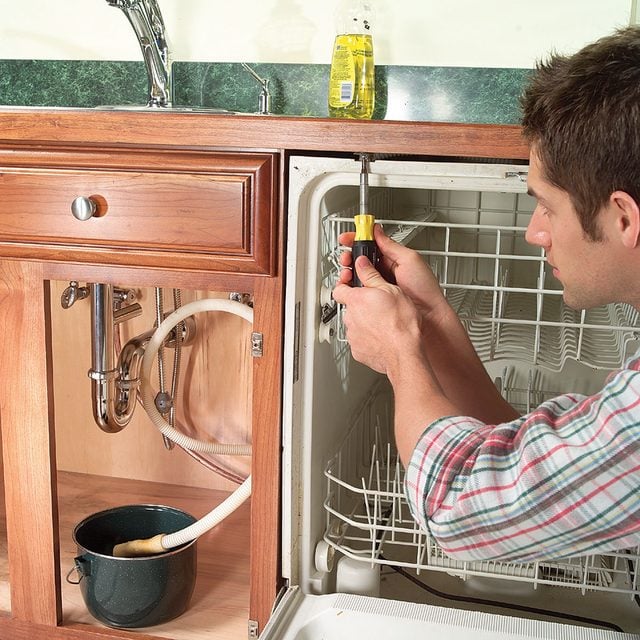
Wiring The Electrical Connections
Dishwashers need power to run. Connect the electrical wires safely to avoid hazards.
Follow this checklist for wiring:
- Turn off power at the circuit breaker.
- Remove the dishwasher's electrical cover plate.
- Connect the black (hot) wire to the black wire in the house.
- Connect the white (neutral) wire to the white wire in the house.
- Attach the green or bare copper (ground) wire to the grounding screw.
- Secure all wire nuts and tuck wires inside the junction box.
- Replace the cover plate and turn the power back on.
Credit: www.familyhandyman.com
Securing The Dishwasher
Securing your dishwasher is an important step. It keeps the unit stable and prevents movement.
Properly securing the dishwasher ensures safety and improves its performance over time.
Leveling The Unit
Level the dishwasher to avoid leaks and ensure it drains well. Use a level tool to check the unit.
Adjust the feet by turning them until the dishwasher is perfectly level from front to back and side to side.
- Place a level on the top edge of the dishwasher
- Turn the adjustable feet to raise or lower each corner
- Check the level again and adjust as needed
Fastening To Cabinet
Secure the dishwasher by fastening it to the kitchen cabinet or countertop. This keeps it from moving during use.
Use screws and brackets that come with the dishwasher for a firm hold.
- Open the dishwasher door and find the mounting brackets
- Align brackets with the cabinet or countertop edge
- Use screws to attach the brackets securely
- Check that the dishwasher does not shift after fastening
Testing The Setup
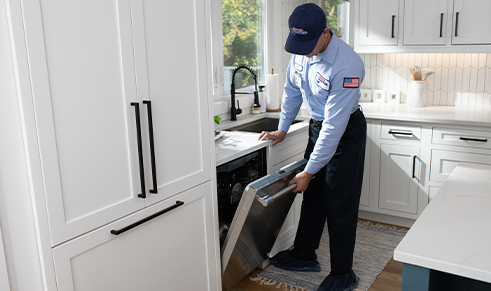
After installing your dishwasher, it is important to test the setup carefully. This ensures the appliance works correctly and avoids future problems.
Testing involves running the dishwasher and checking all connections for leaks or errors. Follow these steps to confirm your installation is successful.
Running A Test Cycle
Start by running a short wash cycle without dishes inside. This lets you see if the dishwasher fills, drains, and cleans properly.
- Close the dishwasher door securely.
- Choose a quick or light wash cycle.
- Press start and watch the machine operate.
- Listen for unusual sounds or errors on the display.
- Wait for the cycle to finish completely.
Checking For Leaks And Errors
Once the cycle ends, check all plumbing connections and the dishwasher’s body for leaks. Also, look at the control panel for error messages.
| Check Area | What to Look For |
| Water Supply Hose | Wet spots or dripping |
| Drain Hose | Water pooling or leaks |
| Door Seal | Water around the door edge |
| Control Panel | Error codes or flashing lights |
Credit: www.rotorooter.com
Maintenance Tips
Keeping your dishwasher clean and well-maintained helps it last longer. Regular care prevents bad odors and clogs.
Below are simple tips for cleaning and fixing common dishwasher problems.
Regular Cleaning
Clean your dishwasher at least once a month. It removes food scraps and soap buildup.
- Remove and clean the filter under the bottom rack.
- Wipe down the door seals with a damp cloth.
- Run an empty cycle with dishwasher cleaner or vinegar.
- Check spray arms for clogs and clear holes if needed.
Troubleshooting Common Issues
If your dishwasher is not working right, try these fixes before calling a technician.
| Problem | Possible Cause | Solution |
| Dishwasher won’t start | Door not closed properly | Close door firmly until it clicks |
| Dishes not clean | Spray arms clogged | Remove and clear spray holes |
| Water not draining | Clogged drain or filter | Clean the drain and filter area |
| Bad odor inside | Food particles left inside | Run cleaning cycle with vinegar |
Frequently Asked Questions
How Do I Prepare My Kitchen For Dishwasher Installation?
First, measure the space where the dishwasher will go. Clear out cabinets and remove the old appliance if needed. Turn off the water and power supply before starting installation to ensure safety.
What Tools Are Needed To Install A Dishwasher?
You will need a screwdriver, adjustable wrench, drill, level, and pliers. Additionally, have plumber’s tape and wire connectors ready. These tools help secure connections and ensure a proper fit in your kitchen.
How Do I Connect The Dishwasher To Water Supply?
Attach the dishwasher’s water inlet hose to the hot water supply valve. Use plumber’s tape to prevent leaks. Tighten connections securely but avoid over-tightening to protect the fittings.
Can I Install A Dishwasher Without Professional Help?
Yes, if you have basic plumbing and electrical skills, you can install a dishwasher yourself. Follow the manufacturer’s instructions carefully. If unsure, consider hiring a professional to avoid damage or leaks.
Conclusion
Installing a dishwasher in your kitchen is easier than you think. Follow each step carefully and take your time. Check all connections to avoid leaks or problems. Test the dishwasher after installation to ensure it works well. A well-installed dishwasher saves time and keeps your kitchen tidy.
You can enjoy clean dishes with less effort every day. This simple upgrade adds convenience without a big hassle. Start your project today and make kitchen chores easier.