Are you tired of your baked goods sticking to your silicone baking sheets? Greasing them the right way can save you time, frustration, and keep your treats looking perfect every time.
But how exactly do you grease silicone baking sheets without ruining their non-stick surface? You’ll discover simple, effective methods that protect your sheets and make cleanup a breeze. Keep reading to learn the secrets that will transform your baking experience.
Choosing The Right Silicone Baking Sheet
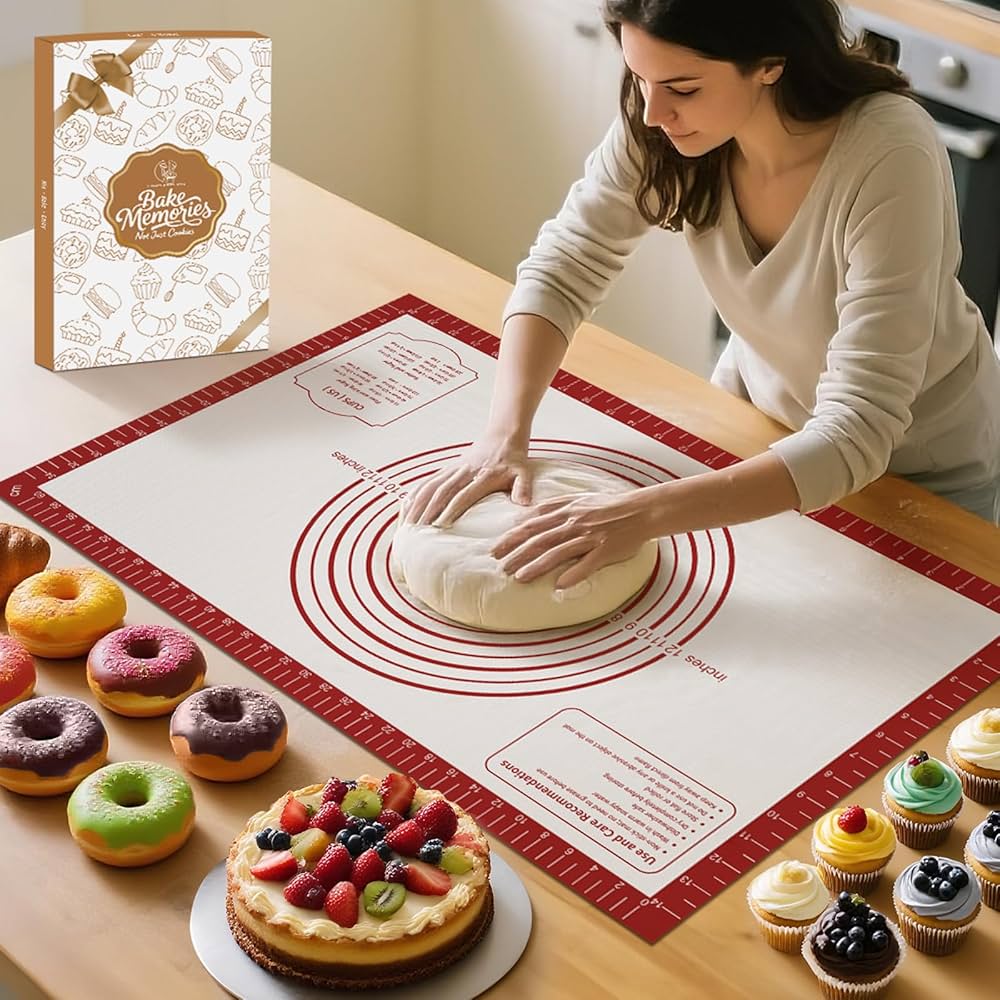
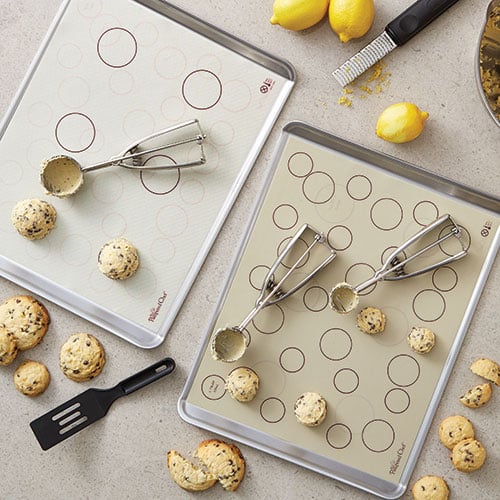
Using the right silicone baking sheet makes cooking easier and cleaner. Silicone sheets come in different types and qualities.
Knowing the types and benefits helps you pick the best one for your baking needs.
Types Of Silicone Sheets
Silicone baking sheets vary by thickness, size, and coating. Some have a fiberglass mesh inside for strength.
- Standard Silicone Sheets:Thin and flexible, good for light baking tasks.
- Reinforced Silicone Sheets:Thicker with mesh, durable for heavy use.
- Silicone Mats with Non-Stick Coating:Easier release of baked goods.
- Perforated Silicone Sheets:Allow better air flow for crispy results.
Benefits Of Silicone Sheets
| Benefit | Description |
| Non-stick surface | Prevents food from sticking without extra grease. |
| Easy to clean | Washes quickly by hand or in dishwasher. |
| Heat resistance | Can handle high oven temperatures safely. |
| Reusable | Lasts longer than parchment or foil sheets. |
| Eco-friendly | Reduces waste from disposable baking papers. |
Credit: www.pamperedchef.ca
Why Grease Silicone Baking Sheets
Silicone baking sheets are popular for their non-stick surface. Greasing them can still help improve your baking experience.
Applying a thin layer of grease makes it easier to remove baked goods without damage or mess.
Preventing Sticking
Greasing silicone sheets stops dough and batter from sticking during baking. This helps keep your baked goods intact.
- Creates a smooth surface for easy release
- Reduces tearing or breaking of delicate items
- Minimizes cleanup by preventing residue buildup
- Works well with sticky or sweet recipes
Enhancing Baking Results
Greasing can also improve how your baked items cook on silicone sheets. It helps heat spread evenly.
| Benefit | Effect |
| Even heat distribution | Better browning and texture |
| Moisture retention | Prevents dryness in baked goods |
| Improved appearance | Shiny and smooth crust |
Best Greasing Materials
Greasing silicone baking sheets helps stop food from sticking. Using the right material makes cleaning easier.
Some greasing materials work better than others. Choose based on what you have and the recipe needs.
Oils To Use
Oils spread evenly on silicone sheets. They create a thin layer that stops food from sticking.
- Vegetable oil is common and easy to find.
- Canola oil has a mild flavor and high smoke point.
- Coconut oil adds a slight sweetness to baked goods.
- Olive oil works well but has a stronger taste.
Butter And Margarine Options
Butter and margarine give a rich flavor to baked items. They melt well and coat the silicone surface.
Use softened butter or margarine for easy spreading. Avoid cold blocks that tear the silicone sheet.
- Unsalted butter is best for controlling salt in recipes.
- Margarine is a dairy-free choice for some diets.
- Both add a golden color to baked goods.
Alternative Greasing Agents
Other greasing agents can help if you lack oils or butter. They may offer unique benefits or suit allergies.
Common alternatives include cooking sprays, shortening, and even non-stick silicone mats without greasing.
- Cooking sprays save time but may leave residues over time.
- Shortening creates a solid layer that resists sticking well.
- Some silicone mats do not need greasing at all.
Step-by-step Greasing Process
Greasing silicone baking sheets helps food release easily and prevents sticking. This guide shows how to do it right.
Follow these simple steps to prepare your silicone sheet for baking.
Cleaning The Sheet First
Always clean the silicone sheet before greasing. Remove any leftover crumbs or grease. Use warm water and mild soap. Dry the sheet completely before applying grease.
Applying Grease Evenly
Spread the grease across the sheet evenly. Use a pastry brush or paper towel. Cover the entire surface to stop food from sticking. Avoid leaving thick spots of grease.
- Pour a small amount of oil or butter on the sheet.
- Use a brush or towel to spread it thinly.
- Check all corners and edges.
- Add more if any spot looks dry.
- Use just enough grease to coat the surface.
Tips For Avoiding Excess Grease
Too much grease can cause food to become oily or burn. Use a light touch and remove extra grease if needed.
| Common Mistake | How to Fix |
| Using too much butter or oil | Wipe off extra with a paper towel |
| Greasing only part of the sheet | Spread grease evenly over whole surface |
| Not drying the sheet first | Make sure sheet is dry before greasing |
Common Mistakes To Avoid
Greasing silicone baking sheets is simple, but many people make mistakes. These errors can ruin your baked goods or damage the sheet.
Knowing the right way to grease helps your food release easily and keeps your sheet in good shape.
Over-greasing Problems
Using too much grease on silicone sheets causes food to become greasy. It also makes the surface slippery and hard to handle.
Excess grease can burn during baking, leaving sticky spots on the sheet. These spots are tough to clean and may affect future baking.
- Too much grease can make food oily
- Grease can burn and leave sticky residue
- Over-greasing makes the sheet slippery and unsafe
- Cleaning becomes harder with excess grease
Using Wrong Grease Types
Not all greases work well on silicone baking sheets. Some oils or sprays can damage the silicone or change its texture.
Using the wrong grease may cause the sheet to lose its non-stick quality. It can also leave a bad taste on your food.
- Avoid heavy oils that can clog the silicone surface
- Do not use cooking sprays with additives that harm silicone
- Choose light oils like vegetable or canola oil
- Use a small amount to keep the sheet safe and effective
Credit: www.carawayhome.com
Maintaining Your Silicone Baking Sheet
Silicone baking sheets are popular for their non-stick surface. Keeping them clean and well-stored helps them last longer.
Proper care also keeps your baked goods tasting fresh and prevents damage to the sheet.
Cleaning Tips After Baking
Clean your silicone baking sheet soon after use. This stops food from sticking and stains from forming.
Use warm water and mild soap. Avoid harsh scrubbers that can damage the surface.
- Soak the sheet in warm, soapy water if food is stuck
- Use a soft sponge or cloth to clean gently
- Rinse well to remove all soap residue
- Dry the sheet completely before storing
Storage Recommendations
Store silicone baking sheets flat or rolled up to keep their shape. Avoid folding as it may cause creases.
Keep them in a cool, dry place away from sharp objects. This prevents damage and keeps the sheet clean.
- Lay flat in a drawer or on a shelf
- Roll loosely and secure with a soft band
- Avoid stacking heavy items on top
- Keep away from direct sunlight and heat sources
Troubleshooting Sticky Baked Goods
Sticky baked goods can ruin your baking experience. Silicone baking sheets are usually non-stick. But sometimes, your cookies or cakes still stick to the surface.
This guide explains what to do when greasing does not work. It also offers alternative solutions to prevent sticky baked goods.
When Greasing Doesn’t Work
Silicone sheets are often used without grease. But some recipes or dough types stick more than others. Greasing with oil or butter may not always fix the problem.
- Check if the silicone sheet is clean and dry before use.
- Avoid using too much flour to dust the sheet as it can cause sticking.
- Make sure the dough or batter is not too wet or sticky.
- Let baked goods cool slightly before removing to prevent tearing.
Alternative Solutions
If greasing does not help, try these other methods to avoid sticky results on silicone baking sheets.
| Solution | How It Helps |
| Use Parchment Paper | Provides an extra non-stick layer between dough and silicone. |
| Chill Dough Before Baking | Reduces stickiness by firming up the dough. |
| Lightly Dust with Cornstarch | Acts as a dry barrier to prevent sticking. |
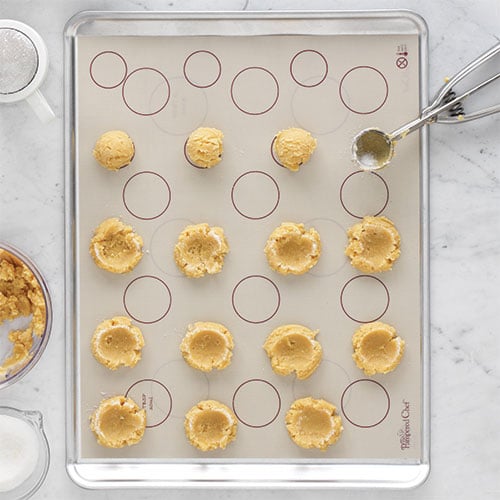
| Use a Silicone Baking Mat | Designed specifically for non-stick baking and easy cleanup. |
| Allow Proper Cooling Time | Helps baked goods release naturally without breaking. |
Credit: www.pamperedchef.ca
Frequently Asked Questions
How Do I Properly Grease A Silicone Baking Sheet?
To grease a silicone baking sheet, lightly apply a thin layer of oil or butter. Use a paper towel to spread it evenly. Avoid excess grease to maintain non-stick properties and prevent food from sticking during baking.
Can I Use Cooking Spray On Silicone Baking Mats?
Yes, cooking spray works on silicone baking mats but use it sparingly. Excess spray can build up residue. A light coat helps prevent sticking without damaging the silicone surface.
Is It Necessary To Grease Silicone Baking Sheets?
Greasing silicone baking sheets is optional but recommended for sticky recipes. Silicone is naturally non-stick, yet greasing ensures easy food release and easier cleanup, especially for sticky or delicate baked goods.
What Type Of Grease Is Best For Silicone Baking Sheets?
Use oils like vegetable, canola, or melted butter to grease silicone baking sheets. Avoid heavy or sticky greases that may leave residue. Light, neutral oils work best for non-stick and easy cleanup.
Conclusion
Greasing silicone baking sheets is simple and effective. This task ensures your baked goods release effortlessly. Maintain your sheets by following the steps consistently. Enjoy hassle-free baking experiences every time. Remember, preparation is key to success. Your treats deserve the best care.
Greased sheets lead to perfect results. No more sticking or frustration. Happy baking!