If you’ve ever baked with silicone pans, you know they’re great for easy release—but sometimes your cakes or cookies still stick. Greasing silicone baking pans the right way can make a huge difference in your baking results.
You’ll discover simple, effective tips to keep your baked goods coming out perfectly every time. Ready to make your baking hassle-free and enjoy flawless treats? Let’s dive in and master the art of greasing silicone baking pans!
Choosing The Right Grease
Greasing silicone baking pans helps food release easily. It also keeps the pan clean and safe to use.
Picking the right grease can stop sticking and protect the pan’s surface. Some greases work better than others.
Types Of Grease Suitable For Silicone
Not all greases are safe for silicone pans. Some can damage the material or leave sticky spots.
Here are good grease options you can use:
- Vegetable oil: It spreads well and is safe for silicone.
- Shortening: Works well and helps food slide off easily.
- Butter: Adds flavor and helps with non-stick, but use in small amounts.
- Cooking spray: Choose one that is labeled safe for silicone.
Avoiding Sticky Residues
Sticky residues can ruin your baked goods and make cleaning hard. Proper greasing stops this problem.
Follow these tips to avoid sticky residues:
- Apply a thin, even layer of grease to the pan.
- Do not use too much grease; excess can cause buildup.
- Clean the pan well after each use to remove old grease.
- Use fresh grease each time you bake.
Credit: arinaphotography.com
Preparing Silicone Pans
Silicone baking pans are flexible and easy to clean. Proper preparation helps prevent sticking and keeps your baked goods perfect.
This guide shows how to prepare silicone pans before greasing for best results.
Cleaning Before Greasing
Always clean your silicone pans well before you grease them. Leftover oils or food can cause sticking or affect flavor.
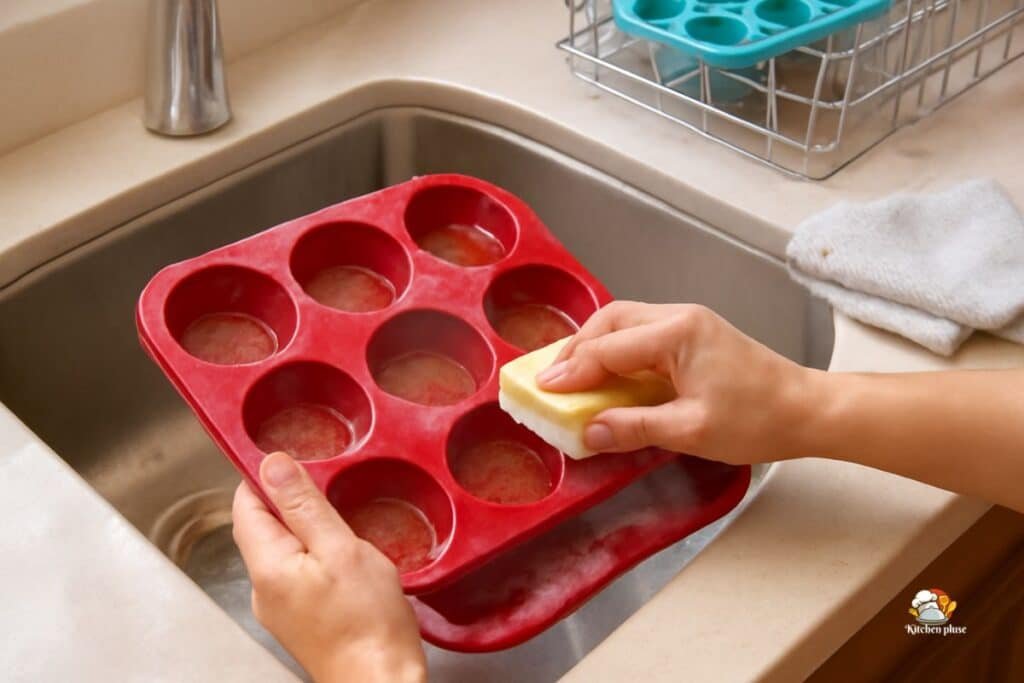
- Wash the pan with warm, soapy water.
- Use a soft sponge to avoid damaging the silicone.
- Rinse thoroughly to remove all soap.
- Check for any food residue and remove it.
- Do not use harsh chemicals or abrasive scrubbers.
Drying Techniques
Dry your silicone pan completely before applying grease. Water can stop the grease from spreading evenly.
| Drying Method | Description | Best Use |
|---|---|---|
| Air Drying | Leave the pan on a rack to dry naturally. | When you have enough time before baking. |
| Towel Drying | Use a clean, lint-free cloth to pat dry. | For quick drying before use. |
| Low Heat Drying | Place the pan in a warm oven (under 150°F) for a few minutes. | When you need the pan dry fast and completely. |
Greasing Methods
Greasing silicone baking pans helps food release easily after baking. Using the right method keeps your baked goods from sticking.
Here are three common ways to grease silicone pans. Each method works well for different recipes and preferences.
Using Butter Or Margarine
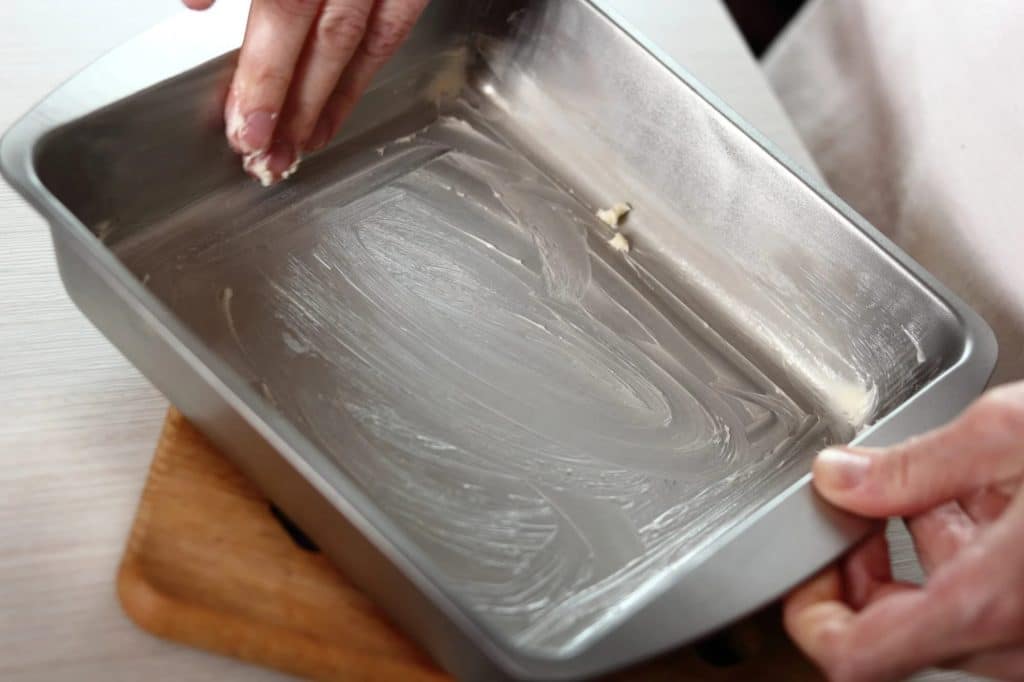
Butter and margarine add flavor and create a non-stick surface. Use softened butter or margarine for easy spreading.
- Use a paper towel or pastry brush to spread a thin layer inside the pan.
- Make sure to cover all sides and corners evenly.
- Chill the pan briefly after greasing for a firmer coating.
Applying Oil Or Cooking Spray
Oils and cooking sprays provide quick and easy coverage. They work well on silicone because the surface is naturally non-stick.
| Type | Best Use | Notes |
| Vegetable Oil | General baking | Neutral flavor |
| Olive Oil | Savory dishes | Adds mild taste |
| Cooking Spray | Quick greasing | Even coating |
Using Shortening Or Lard
Shortening and lard create a thick, protective layer. They help baked goods release cleanly without sticking.
To apply:
- Take a small amount with a paper towel or your fingers.
- Rub it evenly over the entire surface of the pan.
- Make sure to reach all edges and corners.
- Use sparingly to avoid excess greasing.
Credit: kitchenpluse.com
Tips For Even Coating
Greasing silicone baking pans helps food release easily. An even coating stops sticking and keeps baked goods perfect.
Use the right tools to spread grease smoothly. This guide shows easy ways to get a thin, even layer every time.
Using A Pastry Brush
A pastry brush spreads grease evenly on silicone pans. It reaches corners and curves well. Use soft bristles for smooth coverage.
Dip the brush in oil or melted butter. Brush in long, gentle strokes. Avoid putting too much grease in one spot.
- Choose a clean, soft pastry brush
- Dip lightly into grease or oil
- Brush evenly over the pan surface
- Cover all edges and corners
- Use smooth, gentle strokes
Spreading With A Paper Towel
Paper towels work well for spreading grease thinly on silicone pans. Fold the towel to control the amount of oil.
Put a small drop of oil on the towel. Rub it gently over the pan in a circular motion. Make sure to cover every part evenly.
- Fold paper towel to a small square
- Add a few drops of oil or melted butter
- Rub the pan surface in circles
- Coat all sides and edges thinly
- Use fresh towel if too greasy
Avoiding Common Mistakes
Greasing silicone baking pans is easy but can cause problems if done wrong. Some mistakes make your baked goods stick or change their texture.
Knowing what to avoid helps you get perfect results every time you bake with silicone pans.
Using Too Much Grease
Putting too much grease on a silicone pan can make your baked goods greasy and heavy. It also creates an oily surface that affects cooking.
Use just a thin layer of oil or butter. Spread it evenly with a brush or paper towel to avoid excess grease.
- Too much grease can cause soggy crusts.
- It can pool in the pan and burn.
- Excess oil may change the flavor of your food.
Skipping The Grease Step
Silicone pans are non-stick but skipping grease sometimes causes sticking. This is true for sticky or thick batters.
Lightly greasing the pan helps food release smoothly. It prevents tearing or breaking when you remove your baked goods.
- Skip grease with simple batters that bake cleanly.
- Always grease for sticky or dense recipes.
- Test your pan to know if it needs grease.

Credit: www.amazon.com
Maintaining Silicone Pans
Silicone baking pans are flexible and non-stick. Proper care helps them last longer. Cleaning and storage are key parts of maintenance.
Follow simple steps to keep your silicone pans in good shape. Avoid damage and keep them ready for your next bake.
Proper Cleaning After Use
Clean silicone pans carefully to avoid residue build-up. Use warm soapy water and a soft sponge. Avoid harsh scrubbing or metal tools.
- Rinse pans immediately after use to remove food bits.
- Use mild dish soap and warm water for washing.
- Soak pans if food is stuck, then gently scrub.
- Do not use abrasive cleaners or scouring pads.
- Dry pans completely before storing to prevent mold.
Storing Without Damage
Store silicone pans in a cool, dry place. Avoid folding or crushing them to keep their shape. Keep pans away from sharp objects.
| Storage Tip | Reason |
| Lay flat or stack loosely | Prevents deformation |
| Keep away from heat sources | Avoid melting or warping |
| Store in a dry cabinet | Prevents mold and mildew |
| Do not place heavy items on top | Maintains pan shape |
Frequently Asked Questions
Do You Need To Grease Silicone Baking Pans?
Yes, greasing silicone baking pans helps in easy food release. Although silicone is non-stick, a light coating of oil or cooking spray enhances performance. This ensures baked goods come out cleanly, preventing any sticking or tearing, and maintains the quality of your bakeware over time.
How Do You Grease A Silicone Baking Pan?
To grease a silicone baking pan, use a light coat of cooking spray or oil. Apply it evenly with a pastry brush or paper towel. This simple step ensures better non-stick performance and easier cleanup, enhancing your baking results significantly.
Can You Use Butter To Grease Silicone Pans?
Yes, you can use butter to grease silicone pans. Butter not only aids in easy release but also adds flavor. Simply rub a small amount over the surface. Be sure to cover all areas for even coating and optimal baking results.
Is It Safe To Use Oil On Silicone Pans?
Yes, it is safe to use oil on silicone pans. Oil enhances the non-stick properties and prevents sticking. Use a neutral oil like vegetable or canola. Apply a thin, even layer to ensure your baked goods release effortlessly and maintain the quality of your silicone bakeware.
Conclusion
Greasing silicone baking pans is simple and helps your baked goods release easily. Use a small amount of oil or butter for best results. Avoid using too much to keep your treats from becoming greasy. A light coating ensures even baking and easy cleanup.
Remember, a little grease goes a long way with silicone pans. Baking becomes more enjoyable when your pans work well every time. Keep these tips in mind for perfect results with silicone bakeware.