Are you tired of your baked creations sticking to silicone molds, leaving you frustrated and your treats less than perfect? You’re not alone.
Using silicone molds can be a game-changer for your baking adventures, offering flexibility and ease of use. But without the right preparation, even these handy tools can lead to sticky situations. Imagine effortlessly releasing your cakes, muffins, or chocolates, each with perfectly smooth edges and intricate details intact.
The secret lies in knowing how to grease your silicone baking molds properly. In this guide, we’ll uncover the simple steps you need to take to ensure a flawless release every time. You’ll discover tips that not only save you time but also elevate your baking results, making you the star of your kitchen. Stick around to learn how to unlock the full potential of your silicone molds, transforming your baking experience from frustrating to fabulous.
Benefits Of Greasing Silicone Molds
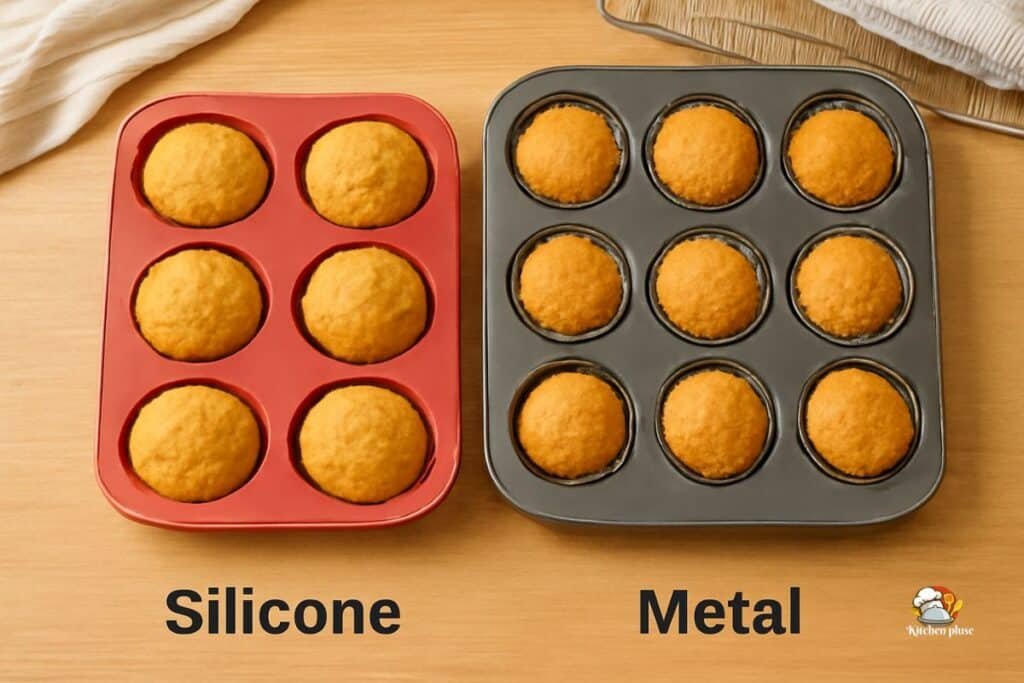
Greasing silicone baking molds helps food release easily. It keeps the shape of your baked goods perfect.
This simple step can save time and reduce waste. It also keeps the molds clean and ready for next use.
Prevents Sticking
Even though silicone is non-stick, some recipes can still stick. Greasing adds extra protection.
This makes it easier to remove cakes or muffins without breaking them.
Keeps Mold Shape Intact
Greasing prevents food from pulling on silicone as you remove it. This keeps the mold from stretching.
Your silicone molds will last longer and stay in good shape for many uses.
Makes Cleaning Easier
Greased molds have less food residue stuck on them. This means less scrubbing after baking.
You can clean your molds faster and keep them looking new.
Improves Food Texture
Greasing helps baked goods cook evenly and form a smooth surface. It stops rough edges from forming.
This leads to better texture and appearance in your final product.
Credit: kitchenpluse.com
Choosing The Right Grease
Greasing silicone baking molds helps food release easily. Picking the right grease keeps molds in good shape.
Some greases work better than others. This guide explains common options for greasing silicone molds.
Butter And Margarine
Butter and margarine add flavor and help stop sticking. They work well for most silicone molds.
Butter melts evenly and creates a smooth coating. Margarine is a good dairy-free choice with similar effects.
- Use a small amount to avoid buildup
- Softened butter spreads easily
- Margarine melts quickly in warm molds
Vegetable Oils
Vegetable oils coat silicone molds without adding flavor. They also help food come out cleanly.
Oils like canola or sunflower are popular. Use a paper towel to spread a thin, even layer.
- Choose neutral-flavored oils
- Apply lightly to avoid excess grease
- Good for sticky or delicate recipes
Non-stick Sprays
Non-stick sprays provide quick and easy coverage. They create a thin, even grease layer on silicone molds.
Look for sprays without added flour or sugar. These sprays prevent buildup and keep molds clean longer.
- Spray from 6 to 8 inches away
- Use light, even coats
- Check ingredient list for additives
Preparing Silicone Molds
Silicone baking molds need proper care before use. Preparing them well helps your baked goods release easily.
Cleaning and drying your silicone molds is important. This keeps them in good shape and ready for greasing.
Cleaning Before Use
Always clean silicone molds before the first use. This removes dust, oils, and residues from manufacturing.
Use warm water and mild soap. Gently scrub with a soft sponge or cloth. Avoid harsh chemicals or abrasive tools.
- Rinse thoroughly to remove soap
- Check for any leftover particles
- Do not use bleach or strong detergents
Drying Properly
Dry silicone molds completely before greasing. Water can stop the grease from sticking well.
Air dry the molds or use a clean towel. Make sure no moisture remains in corners or crevices.
- Place molds upside down to drain water
- Use a lint-free cloth for wiping
- Allow extra drying time if needed
Credit: kitchenpluse.com
Methods To Grease Silicone Molds
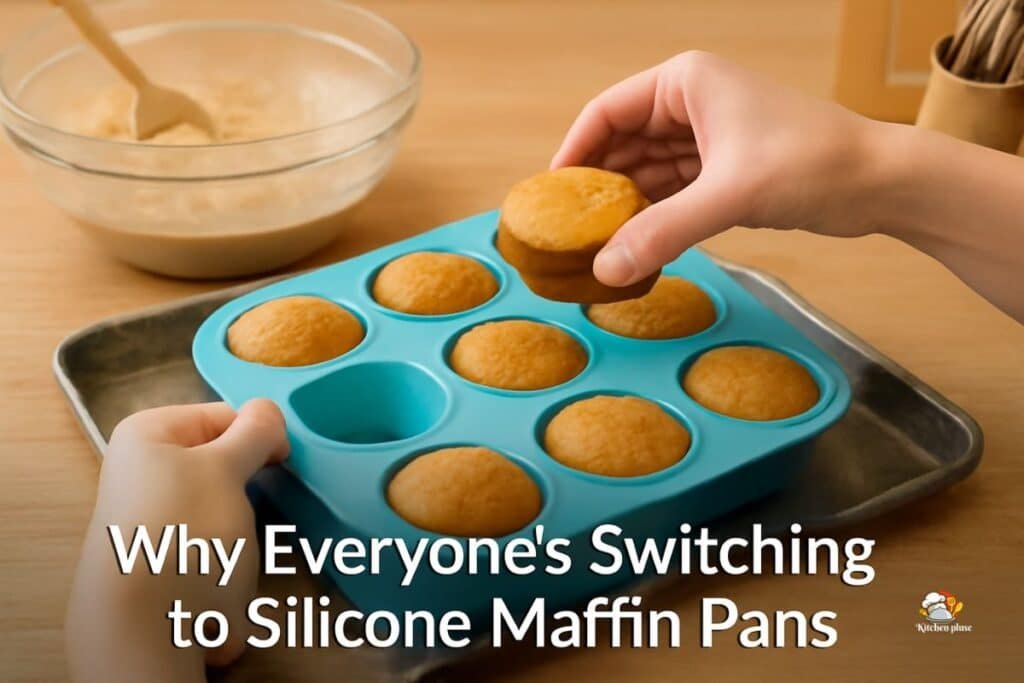
Silicone baking molds are popular for their flexibility and non-stick surface. Greasing them can help release baked goods more easily and keep the molds clean.
There are several simple ways to grease silicone molds. Each method suits different baking needs and preferences.
Brushing Technique
Using a brush is an easy way to apply grease evenly on silicone molds. You can use a pastry brush or any soft brush for this purpose.
- Dip the brush into melted butter or oil.
- Lightly brush the inside of the mold.
- Make sure to cover all the small corners.
- Use a clean part of the brush for a smooth finish.
Using Paper Towels
This method uses paper towels to spread grease inside the mold. It is quick and needs minimal tools.
| Material | How to Use |
|---|---|
| Butter or Oil | Pour a small amount on a paper towel. |
| Paper Towel | Rub the inside of the mold gently. |
| Even Coating | Make sure no spots are left dry. |
Spray Application
Greasing sprays are fast and easy to use. They give a light coat that helps food release cleanly.
- Hold the spray 6 to 8 inches from the mold.
- Spray a thin, even layer over the surface.
- Make sure to cover edges and corners well.
- Use sprays made for baking for best results.
Avoiding Common Greasing Mistakes
Greasing silicone baking molds helps prevent sticking. It makes removing baked goods easier.
Many people make simple mistakes that cause problems. Avoid these errors for better baking results.
Over-greasing Issues
Using too much grease can cause baked goods to become oily. It may also affect the texture.
Excess grease can pool in the mold’s corners. This creates uneven cooking and greasy spots.
- Use a small amount of oil or butter
- Apply grease evenly with a brush or paper towel
- Wipe away any excess to avoid pooling
Uneven Coating Problems
Uneven grease layers cause some parts to stick. Other parts may have too much grease.
This can lead to broken or misshaped baked goods. It also makes cleaning the mold harder.
- Spread grease in a thin, even layer
- Cover all surfaces including corners and edges
- Use a soft brush or cloth for smooth application
Alternatives To Greasing
Silicone baking molds usually do not need greasing. Still, some recipes may benefit from extra care. Here are simple ways to prepare your molds without using grease.
These alternatives help prevent sticking and make cleaning easier. They keep your baked goods intact and looking great.
Dusting With Flour
Dusting silicone molds with flour creates a thin barrier between the mold and batter. It stops sticking and helps cakes release smoothly.
- Lightly sprinkle flour inside the mold.
- Tap the mold to spread the flour evenly.
- Shake out any extra flour to avoid clumps.
- Pour the batter gently into the prepared mold.
Using Parchment Liners
Parchment liners fit inside silicone molds and stop food from sticking. They are easy to remove and clean.
| Type of Liner | Use | Benefit |
| Flat Parchment Sheets | Cut to size and place at bottom | Easy to remove cakes |
| Pre-cut Parchment Circles | Fits perfectly in round molds | Prevents sticking and tearing |
| Parchment Paper Strips | Line sides of molds | Helps lift baked goods out |
Maintaining Silicone Molds After Baking
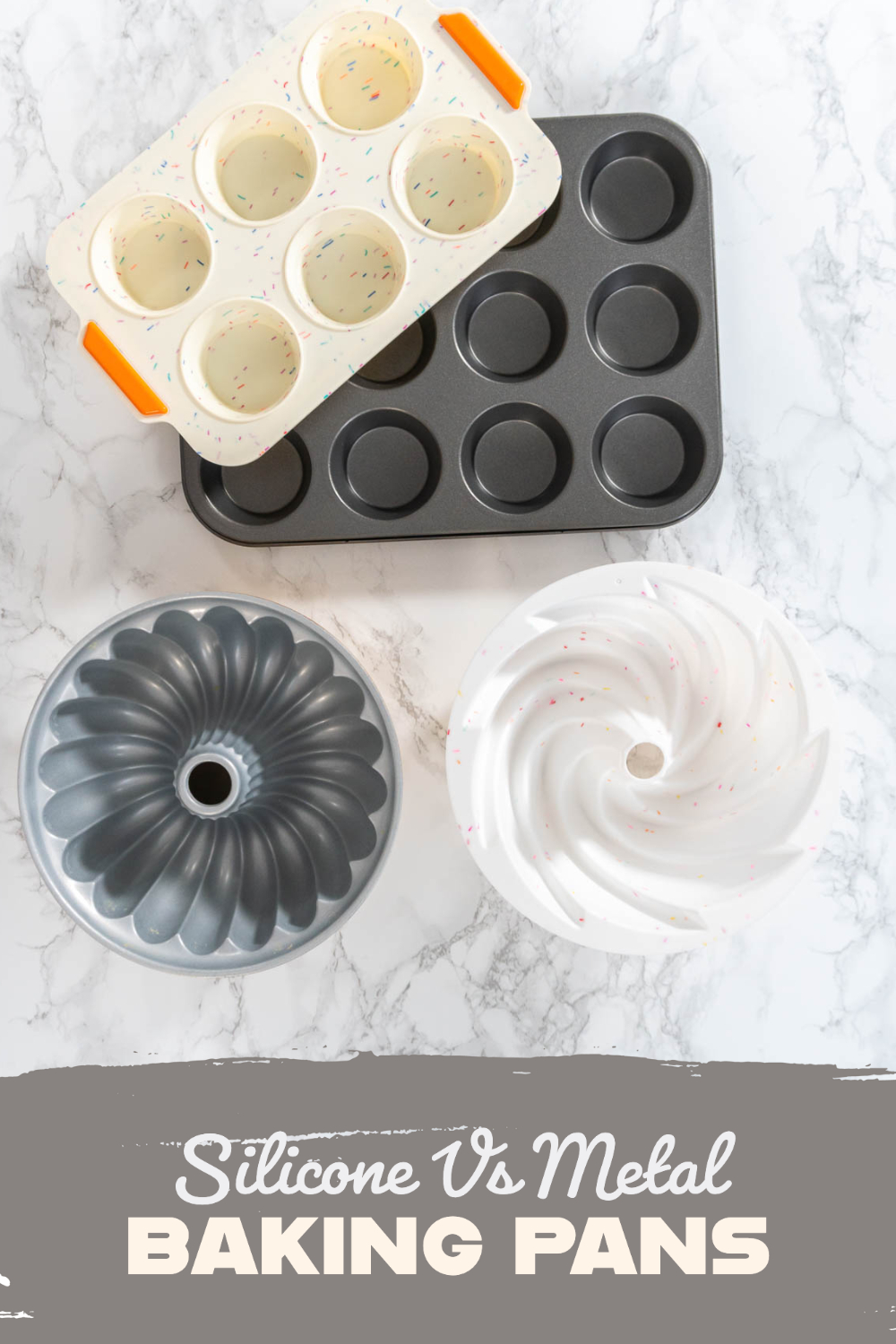
Silicone baking molds are flexible and easy to use. Keeping them clean and well-stored helps them last longer.
Proper care after baking keeps the molds in good shape for many uses. It also keeps your baked goods safe and tasty.
Cleaning Tips
Clean silicone molds right after use. Warm, soapy water removes oils and food bits easily.
Use a soft sponge or cloth. Avoid rough scrubbers that can damage the silicone surface.
- Rinse molds with warm water first
- Use mild dish soap for cleaning
- Gently scrub with a soft sponge
- Dry completely before storing
- For tough stains, soak in warm soapy water
Storage Advice
Store silicone molds in a dry, cool place. Avoid stacking heavy items on top to keep their shape.
Keep molds away from sharp objects that could cut or tear them. Store them flat or gently nested.
- Keep molds dry before storing
- Store in a cool, shaded area
- Do not fold or bend sharply
- Avoid stacking heavy items on molds
- Use a container or drawer for protection
Credit: arinaphotography.com
Frequently Asked Questions
How Do I Properly Grease Silicone Baking Molds?
To grease silicone molds, use a thin layer of oil or butter. Apply evenly with a brush or paper towel. This prevents sticking and ensures easy release of baked goods.
Can I Use Cooking Spray On Silicone Molds?
Yes, cooking spray works well on silicone molds. Use a light coat to avoid buildup. It helps food release smoothly without altering flavor or texture.
Is Greasing Silicone Molds Always Necessary?
Not always. Silicone molds are naturally non-stick, but greasing helps with sticky recipes like cheese or sticky dough. It improves cleanup and preserves mold longevity.
What Oils Are Best For Greasing Silicone Molds?
Use neutral oils like vegetable, canola, or light olive oil. These oils prevent sticking without adding strong flavors. Avoid heavy or flavored oils to maintain recipe taste.
Conclusion
Greasing silicone baking molds keeps your treats from sticking. Use a small amount of oil or butter. Spread it evenly inside the mold. This makes cleaning easier and helps desserts keep their shape. Avoid using too much grease to prevent soggy results.
With simple care, your silicone molds will last longer. Enjoy baking with less mess and more fun. Try these tips next time you bake!