Are your favorite baking pans showing signs of rust? Don’t worry; you’re not alone.
Rusty baking pans can be frustrating, especially when you’re excited to whip up your next culinary masterpiece. But don’t toss them out just yet! You can restore them to their former glory with some simple, effective methods. Imagine the satisfaction of seeing your trusty pans sparkle again, ready to help you create delicious treats without a hint of rust.
In this guide, you’ll discover easy, practical steps to banish rust for good. Are you ready to reclaim your kitchen tools and bake with confidence? Let’s dive in and find out how!

Credit: www.reddit.com
Causes Of Rust On Baking Pans
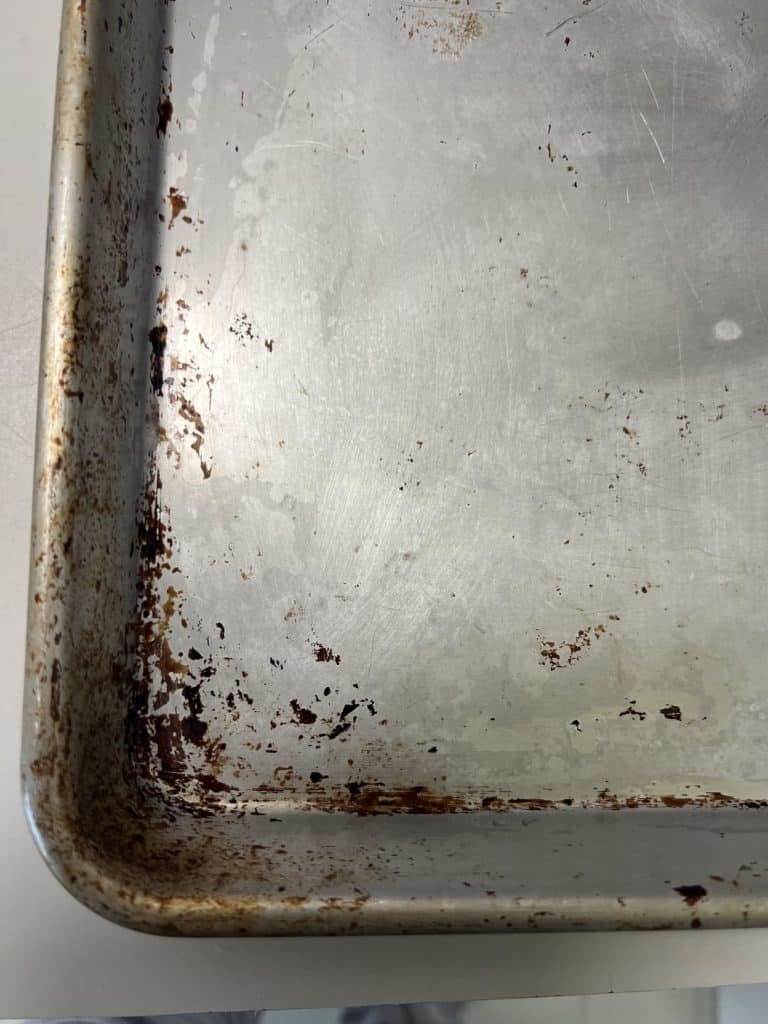
Rust forms on baking pans when the metal reacts with water and oxygen. This reaction damages the pan’s surface and weakens its structure.
Knowing why rust happens helps you keep your pans clean and safe for cooking.
Common Factors Leading To Rust
Rust occurs mostly because of moisture and improper care. Some common reasons are:
- Leaving pans wet after washing
- Storing pans in humid places
- Scratches or chips in the protective coating
- Using metal utensils that damage the surface
- Exposure to salty or acidic foods for a long time
Impact Of Rust On Baking Pans
Rust changes how your baking pans work and looks. It can cause health risks and ruin your food.
| Effect | Description |
| Food Taste | Rust can give food a metallic flavor |
| Pan Durability | Rust weakens the metal and causes holes |
| Health Risk | Eating rust particles may cause stomach issues |
| Cleaning Difficulty | Rust makes pans harder to clean properly |
Safety Tips Before Removing Rust
Removing rust from baking pans can make them safe to use again. Rust removal needs care to avoid injury or damage. Follow safety steps before you start.
Using the right tools and protecting yourself helps prevent accidents. Always work in a clean, well-lit area for best results.
Protective Gear To Use
Rust removal often involves scrubbing and chemicals. Wearing protective gear keeps your skin and eyes safe. Use gloves to stop skin irritation.
Eye protection stops dust and rust particles from getting into your eyes. A mask helps avoid breathing in dust or fumes from cleaning products.
- Wear rubber or latex gloves to protect hands
- Use safety goggles or glasses for eye protection
- Put on a dust mask or respirator to avoid inhaling particles
- Wear old clothes or an apron to protect your skin and clothes
Safe Handling Practices
Handle rust removal tools carefully to avoid cuts or injuries. Use gentle pressure when scrubbing to protect the pan’s surface.
Keep your workspace organized and clean to prevent slips or spills. Dispose of rust and cleaning materials safely to protect the environment.
- Work on a stable surface with good lighting
- Use soft brushes or pads to avoid scratching pans
- Do not mix cleaning chemicals to prevent harmful reactions
- Wash hands thoroughly after finishing the job
- Store cleaning products away from children and pets
Natural Rust Removal Methods
Rust on baking pans can make them unsafe and hard to clean. Using natural methods helps remove rust without chemicals. These ways are safe and easy to try at home.
Here are three simple ways to get rust off your baking pans using common household items.
Using Vinegar Soak
White vinegar is acidic and breaks down rust. Soaking your rusty pan in vinegar loosens the rust for easy removal.
Pour enough vinegar to cover the rusted parts. Let it soak for a few hours or overnight. Then scrub the rust with a brush or sponge.
- Use white vinegar only
- Soak for 3 to 12 hours
- Scrub with a soft brush after soaking
- Rinse and dry the pan well
Applying Baking Soda Paste
Baking soda is gentle and helps lift rust from metal. Make a thick paste with water and baking soda and apply it on the rust.
Let the paste sit for one hour. Then scrub the area with a sponge or brush. Rinse the pan and dry it completely to stop rust from coming back.
- Mix baking soda with water to make paste
- Apply paste on rust spots
- Wait about 60 minutes
- Scrub and rinse thoroughly
- Dry the pan fully
Lemon Juice And Salt Technique
Lemon juice is natural acid and salt is a mild abrasive. Together, they remove rust safely from baking pans.
Sprinkle salt on the rusty area. Squeeze lemon juice over it. Let it sit for two hours. Scrub the rust with the lemon rind or a cloth. Rinse and dry well.
- Cover rust with table salt
- Pour lemon juice on salt
- Wait two hours before scrubbing
- Use lemon rind or cloth to scrub
- Rinse and dry pan fully

Credit: www.reddit.com
Commercial Rust Removers
Rust on baking pans can make them unsafe and unattractive. Commercial rust removers offer a fast way to clean rust. These products are designed to dissolve rust without damaging metal surfaces.
Using the right remover and following the correct steps helps restore your pans. This guide explains how to choose and apply commercial rust removers safely.
Choosing The Right Product
Pick a rust remover made for kitchen use or metal cookware. Some products are too harsh and can harm your baking pans. Look for removers that say they are safe on steel or aluminum.
Check the ingredients to avoid toxic chemicals. Products with natural acids or gentle cleaners work well. Also, choose a remover that matches the rust level on your pan.
- Safe for food-contact surfaces
- Effective on light to heavy rust
- Non-toxic or low-toxicity formula
- Easy to rinse off completely
Proper Application Steps
Start by cleaning the pan with soap and water. Dry it well before using the rust remover. Follow the product instructions carefully for best results.
Apply the remover evenly to the rusty areas. Let it sit for the time the label suggests. Use a soft brush or cloth to scrub off the rust gently.
- Wear gloves to protect your skin
- Apply remover in a well-ventilated area
- Use a soft brush to avoid scratching
- Rinse the pan thoroughly with water
- Dry the pan completely to prevent new rust
Scrubbing And Cleaning Tools
Removing rust from baking pans needs the right tools. Using proper scrubbing and cleaning items helps clean well.
Choose tools that scrub rust without hurting the pan. This keeps your pans safe and lasting longer.
Best Brushes And Pads
Use brushes and pads made for tough cleaning. They remove rust but do not scratch the surface.
- Soft nylon brushes are gentle and clean well.
- Steel wool pads work on heavy rust but use carefully.
- Non-scratch scrub pads remove rust without damage.
- Sponges with a rough side help clean light rust.
Pick the right tool based on rust level. Test on a small spot first to protect your pan.
Avoiding Damage To Pan Surface
Be gentle while scrubbing to keep the pan surface safe. Avoid hard metal brushes on non-stick pans.
Do not use sharp objects to scrape rust. They can leave scratches and ruin the pan coating.
- Use soft scrubbers on delicate surfaces.
- Test cleaning tools on a small area.
- Apply light pressure to avoid scratching.
- Rinse and dry pans completely after cleaning.
Preventing Rust On Baking Pans
Rust can damage your baking pans and affect your food. Taking care of your pans stops rust from forming. Simple habits keep your pans in good shape for a long time.
Focus on how you dry and store your pans. Also, regular cleaning helps keep rust away. These steps protect your pans and save money on replacements.
Proper Drying And Storage
After washing, dry your baking pans completely. Water left on the surface causes rust fast. Use a clean towel or air dry in a warm place.
- Wipe pans dry with a soft cloth after washing
- Store pans in a dry cupboard, away from moisture
- Keep pans separated to avoid scratches that trap water
- Use liners or paper towels between stacked pans
Regular Maintenance Tips
Check your pans often for signs of rust or damage. Clean them gently and apply a light coating of oil to protect the metal. This simple routine keeps rust from starting.
| Maintenance Task | How Often | Why |
| Inspect for rust spots | Weekly | Catch rust early to prevent spread |
| Wash with mild soap | After each use | Remove food and moisture residues |
| Dry thoroughly | After washing | Stop rust by removing water |
| Apply a light oil coat | Monthly | Create a barrier against moisture |
Credit: www.yahoo.com
Frequently Asked Questions
How Can I Remove Rust From Baking Pans Naturally?
Use a paste of baking soda and water on rust spots. Scrub gently with a soft brush. Rinse and dry thoroughly to prevent further rust.
Is Vinegar Effective For Cleaning Rust Off Baking Pans?
Yes, soaking pans in white vinegar for 1-2 hours dissolves rust. Scrub with a sponge afterward and rinse well. Vinegar is a safe, natural rust remover.
Can Lemon Juice Help Get Rust Off Baking Pans?
Lemon juice’s acidity breaks down rust. Apply lemon juice and salt to rust spots. Let sit for a few hours, then scrub and rinse thoroughly.
How Do I Prevent Rust On Baking Pans After Cleaning?
Dry pans completely after washing. Store in a dry place. Apply a light layer of cooking oil to prevent moisture buildup and rust formation.
Conclusion
Rust on baking pans can come off with simple household items. Use gentle scrubbing and natural cleaners to protect your pans. Regular care helps keep your pans rust-free and safe for cooking. Always dry your pans well after washing to stop rust from returning.
Clean pans mean better tasting food and longer use. Small efforts make a big difference in your kitchen tools. Keep your baking pans in good shape with these easy steps. Rust won’t stand a chance.