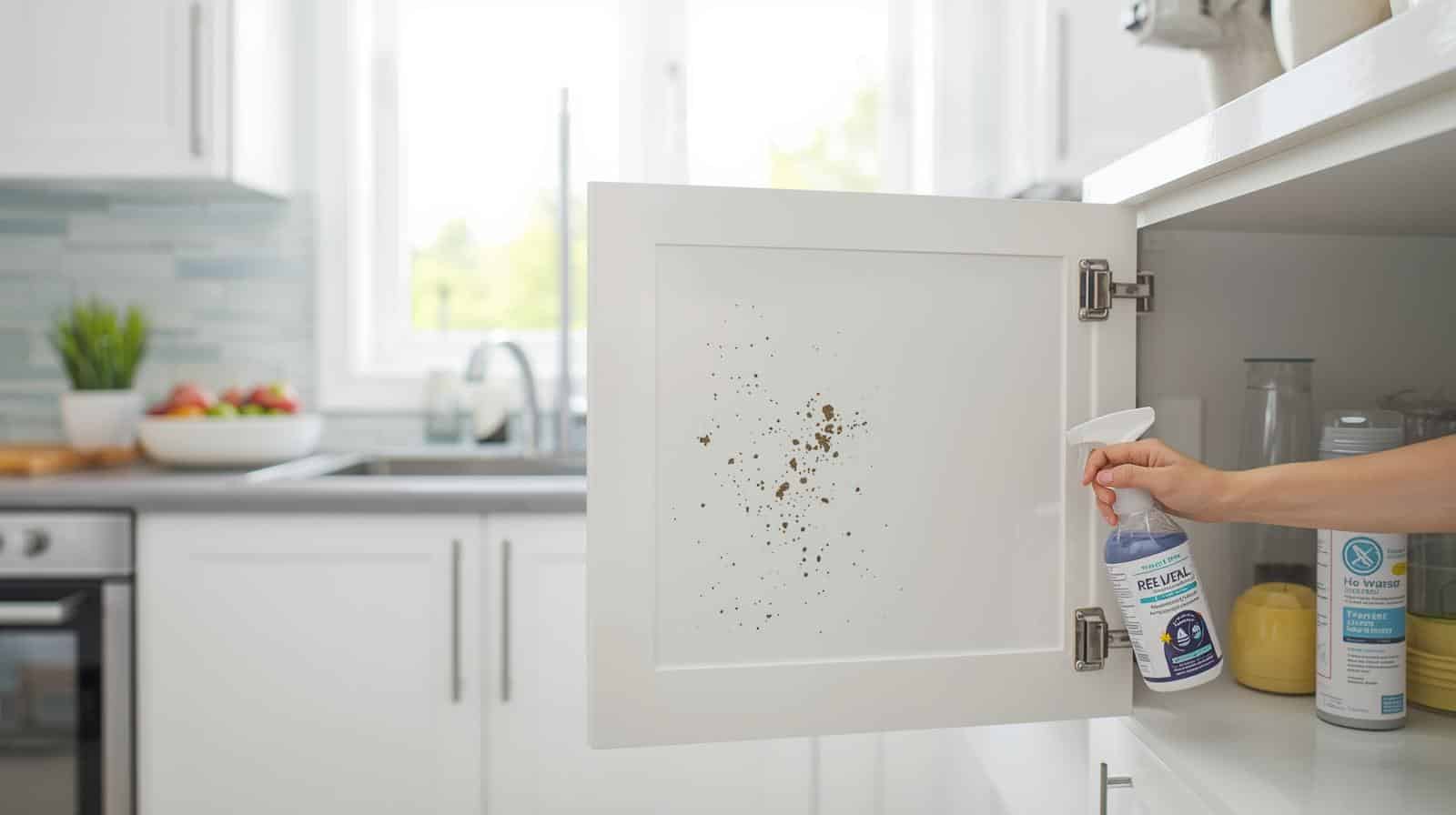
Have you noticed a musty smell or dark spots behind your kitchen cabinets? Mould can hide in these unseen places, causing damage to your home and health.
This guide on How to Get Rid of Mould behind Kitchen Cabinets explains simple and effective steps to remove hidden mould and prevent it from returning. By acting quickly and using the right methods, you can protect your kitchen, improve air quality, and keep your home safe and fresh.
Causes Of Mould Behind Cabinets
Mould grows behind kitchen cabinets when moisture is present. The hidden space traps dampness and allows mould to thrive.
Understanding the main causes helps prevent mould and keep your kitchen clean and healthy.
Common Moisture Sources
Moisture often builds up behind cabinets from everyday kitchen activities. Water spills, steam, and cooking create wet conditions.
These moisture sources keep the area damp, giving mould a perfect place to grow.
- Water splashes from sinks and countertops
- Steam from boiling pots and kettles
- Condensation on cold surfaces
- Spills that are not cleaned quickly
Poor Ventilation Issues
Poor airflow in the kitchen traps moisture behind cabinets. Without fresh air, damp areas stay wet for long periods.
Ventilation problems make it harder for surfaces to dry, increasing mould risk.
- Lack of exhaust fans or vents
- Closed windows during cooking
- Blocked air gaps behind cabinets
- High indoor humidity levels
Leaking Pipes And Fixtures
Leaks under sinks or behind cabinets cause constant moisture. Water drips or pools create wet spots that mould loves.
Small leaks often go unnoticed until mould grows and causes damage.
- Dripping faucets or pipes
- Loose plumbing connections
- Damaged seals around sinks
- Broken water supply lines
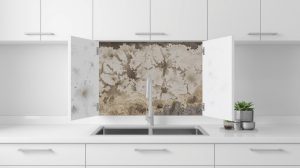
Credit: dryworxrestoration.com
Signs Of Mould Growth
Mould can grow behind kitchen cabinets without being seen. It can cause damage and health problems. Knowing the signs helps you act fast.
Look for visual clues, smells, and health issues to spot mould early. This guide explains what to watch for.
Visual Indicators
Check behind and under your kitchen cabinets for dark spots or patches. Mould often looks fuzzy or slimy. It can be black, green, white, or grey.
Look for water stains or peeling paint. These signs show moisture, which helps mould grow.
- Black, green, white, or grey spots
- Fuzzy or slimy texture
- Water stains or discoloration
- Peeling or bubbling paint
- Warped wood or cabinet surfaces
Musty Odors
Mould creates a strong, musty smell. This odor often smells damp or earthy. It can be hard to ignore when you open cabinets.
If your kitchen smells strange or stale near the cabinets, check for mould growth.
- Strong, damp smell
- Earthy or stale odor
- Smell that gets worse over time
Health Symptoms To Watch
Exposure to mould can cause health problems. Watch for allergies or breathing issues. These symptoms often happen after time in the kitchen.
People with asthma or weak immune systems may feel worse around mould.
- Coughing or wheezing
- Runny or stuffy nose
- Itchy or watery eyes
- Skin rashes
- Difficulty breathing
Safety Precautions
Removing mould behind kitchen cabinets is important for health. Taking safety steps protects you from harm.
Follow safety rules to avoid breathing mould spores or touching harmful substances.
Protective Gear Essentials
Wear the right gear before starting mould removal. It keeps your skin and lungs safe.
Use gloves, masks, and goggles to protect yourself from mould and cleaning chemicals.
- Wear N95 or higher mask to avoid breathing spores
- Use rubber gloves to protect your hands
- Wear safety goggles to shield your eyes
- Consider long sleeves to protect your skin
Ventilation During Cleaning
Keep the area well ventilated to reduce mould spores in the air. Open windows and doors.
Use fans to help move fresh air inside and push mould spores outside.
- Open windows near the kitchen cabinets
- Turn on exhaust fans if available
- Use a portable fan to blow air outside
- Avoid using fans that spread spores inside the house
Handling Mould Safely
Do not touch mould with bare hands. Handle mould carefully to avoid spreading spores.
Use disposable cloths or paper towels to clean mould. Dispose of waste in sealed bags.
- Do not dry brush or scrape mould without dampening it first
- Use mould cleaner or a mix of water and detergent
- Seal waste in plastic bags before throwing away
- Wash clothes and tools used for cleaning separately
Cleaning Methods
Mould behind kitchen cabinets is common in moist areas. It can cause bad smells and health issues.
Cleaning mould properly stops it from coming back. Use safe and effective methods to clean it.
Using Natural Remedies
Natural remedies kill mould without harsh chemicals. They are safe for your family and pets.
Common natural cleaners include vinegar and baking soda. These help remove mould and stop growth.
- Spray white vinegar on mould and let it sit for one hour.
- Scrub the area with baking soda and water paste.
- Rinse with clean water and dry completely.
- Repeat if mould remains.
Chemical Cleaning Solutions
Chemical cleaners work fast to kill mould. Use them carefully and follow safety rules.
Bleach and commercial mould removers are common choices. They remove mould and disinfect the area.
- Wear gloves and a mask before use.
- Mix bleach with water (1 part bleach to 3 parts water).
- Apply solution to mould and wait 10 minutes.
- Scrub gently and rinse well.
- Ensure good air flow to dry the space.
Tools And Materials Needed
Gather tools before cleaning mould. This helps finish the job faster and safer.
- Protective gloves and mask
- Spray bottle for liquids
- Soft-bristle brush or sponge
- Cleaning cloths or rags
- Bucket with water
- White vinegar and baking soda (for natural cleaning)
- Bleach or commercial mould remover (for chemical cleaning)
- Fan or dehumidifier to dry the area
Preventing Future Mould
Mould behind kitchen cabinets can cause health problems and damage your home. Preventing mould is better than fixing it later.
This guide explains how to stop mould from coming back by improving ventilation, fixing leaks, and keeping up with regular maintenance.
Improving Kitchen Ventilation
Good airflow helps keep moisture low. Use exhaust fans or open windows while cooking. This removes steam and damp air.
- Install a range hood that vents outside
- Run exhaust fans during and after cooking
- Open windows to let fresh air in
- Avoid drying clothes inside the kitchen
- Keep air vents clear and clean
Fixing Leaks Promptly
Water leaks cause mould to grow fast. Check pipes, faucets, and dishwasher hoses often. Repair any leaks right away.
| Leak Source | Signs of Leak | Action Needed |
|---|---|---|
| Sink pipes | Drips, wet spots under sink | Tighten joints or replace pipes |
| Faucets | Dripping water, low water pressure | Replace washers or faucet parts |
| Dishwasher hoses | Water pooling near dishwasher | Replace cracked or loose hoses |
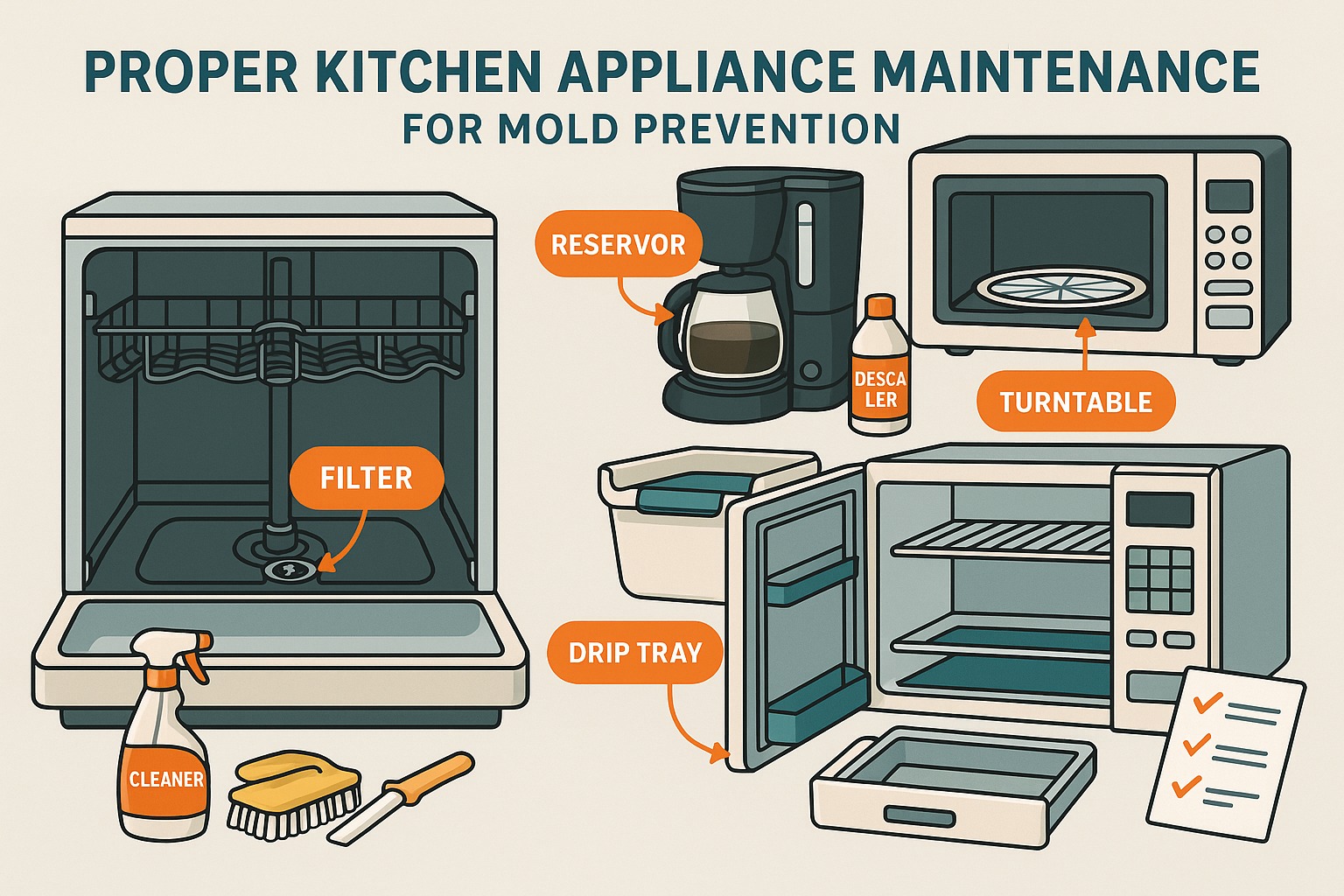
Regular Maintenance Tips
Keep your kitchen clean and dry to stop mould. Check hidden places behind cabinets and under sinks often.
- Wipe down surfaces to remove moisture
- Use a dehumidifier if the kitchen is damp
- Keep cabinet doors open sometimes to air out
- Inspect walls and floors for water damage
- Clean and replace old caulking around sinks
Credit: www.bustmold.com
When To Call Professionals
Mould behind kitchen cabinets can cause serious problems. Sometimes, you need experts to handle it safely.
Knowing when to call professionals helps protect your home and health. This guide explains key signs and choices.
Signs Mould Is Extensive
If mould covers a large area or keeps coming back, it may be too big to clean yourself.
Strong musty smells or visible water damage behind cabinets also show a bigger problem.
- Mould covers more than 10 square feet
- Dark, thick patches of mould
- Repeated mould growth despite cleaning
- Water stains or leaks near mould spots
Health Risks Involved
Mould can cause breathing problems and allergic reactions. Some people get headaches or skin irritation.
Children, elderly, and people with asthma or weak immune systems face higher risks.
- Wheezing or coughing
- Eye and throat irritation
- Skin rashes
- Fatigue and headaches
Choosing The Right Expert
Pick professionals with proper training and good reviews. They should follow safe mould removal methods.
Check if they provide a clear plan and guarantee their work.
- Certified mould remediation specialists
- Experience with kitchen mould problems
- Use of protective gear and safe cleaners
- Good customer feedback and references
Frequently Asked Questions
How To Identify Mould Behind Kitchen Cabinets?
Look for visible black, green, or white spots and a musty odor. Check for water damage or discoloration on walls and cabinet backs.
What Causes Mould Growth Behind Kitchen Cabinets?
Mould grows due to moisture from leaks, poor ventilation, or condensation. Kitchens with plumbing issues or high humidity are prone to mould.
Can I Remove Mould Behind Kitchen Cabinets Myself?
Yes, use protective gear and clean with vinegar or a mould remover. Ensure the area is dry and well-ventilated to prevent return.
How To Prevent Mould Behind Kitchen Cabinets?
Fix leaks promptly, improve ventilation, and use a dehumidifier. Regularly clean cabinets and keep the area dry to avoid mould growth.
Conclusion
Removing mould from behind kitchen cabinets is essential for a healthy home. Regular cleaning helps prevent mould from returning. Use natural solutions or cleaners to tackle stubborn mould. Ensure proper ventilation in your kitchen. Good airflow reduces moisture buildup. Check for leaks and fix them promptly.
Keep cabinets dry and clean always. A consistent approach keeps mould at bay. Protect your home and health by staying vigilant. Remember, prevention is always better than cure. Your kitchen should be a safe and welcoming space. Keep it mould-free with these simple tips.