Is your kitchen drawer stuck, wobbly, or refusing to close properly? You’re not alone!
A malfunctioning kitchen drawer can be a real headache, especially when you’re trying to whip up a meal or find that elusive spice jar. You might feel a surge of frustration every time you yank at it, hoping it will magically fix itself.
But don’t worry, you’re in the right place. In this guide, you’ll discover simple, effective steps to bring your drawer back to life. Imagine the satisfaction of a smoothly gliding drawer every time you reach for a utensil. Let’s dive in and get your kitchen back in perfect order!
Identify Common Drawer Problems
Kitchen drawers can have several common problems that make them hard to use. Knowing these issues helps you fix them quickly and easily.
Some problems include drawers that stick, broken handles, or parts that do not line up. Check your drawer carefully to find the cause.
Sticking Or Jammed Drawers
Drawers may stick or jam when opening or closing. Dirt, debris, or swelling wood can cause this problem. Check for anything blocking the drawer’s path.
Dry wood or worn slides also cause sticking. Cleaning and lubricating the slides often helps. Sanding rough edges can free the drawer.
Loose Or Broken Handles
Handles can become loose or break over time. This makes it hard to open the drawer. Check if screws are loose or missing.
Tighten loose screws or replace broken handles. Use matching screws to avoid damage. Choose durable handles for long-lasting use.
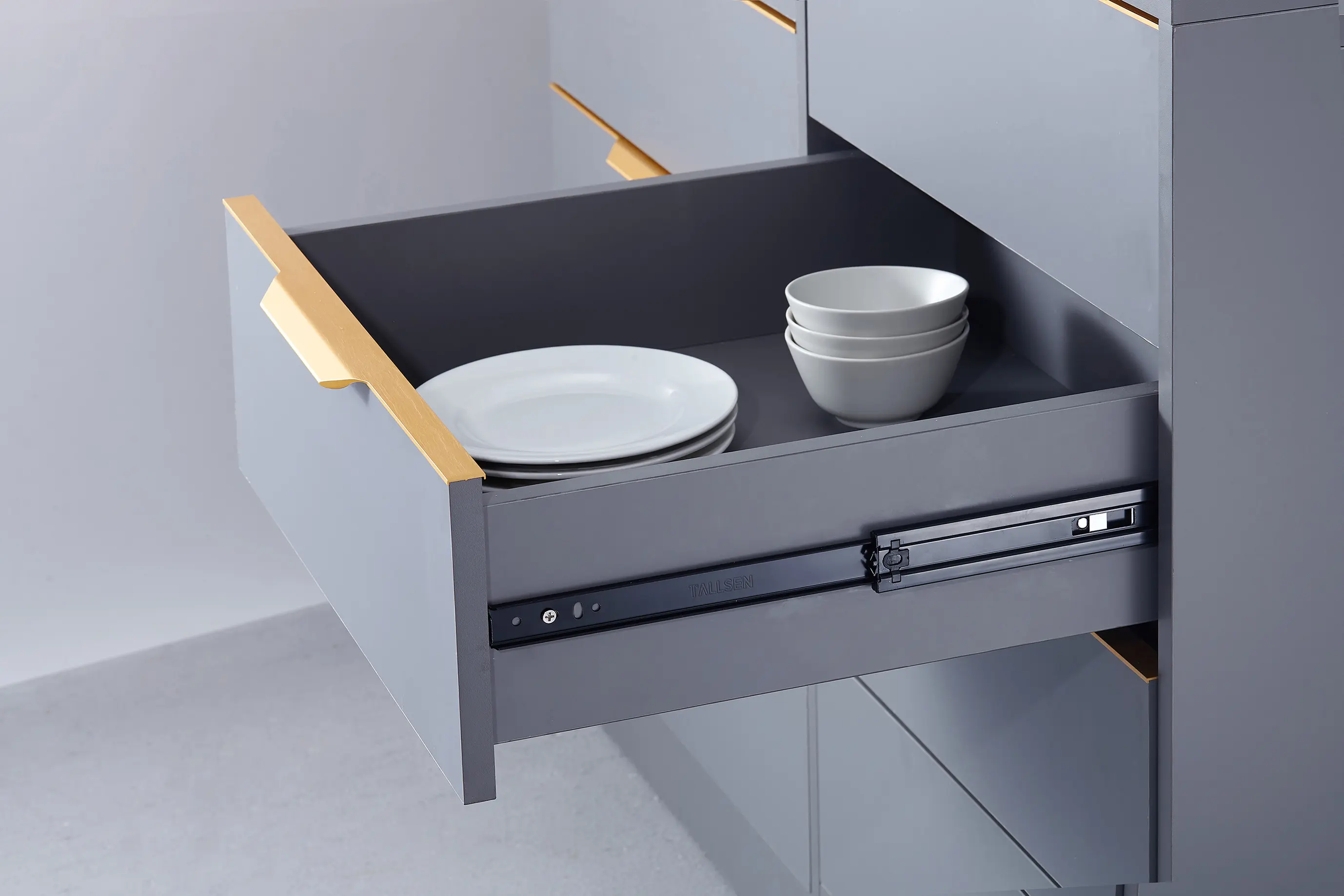
Misaligned Drawer Slides
Drawer slides may become misaligned after heavy use or impact. This causes the drawer to stick or fall out. Check if slides are straight and secure.
Realign slides by loosening screws and adjusting their position. Tighten screws firmly once aligned. Replace damaged slides if needed.
Damaged Drawer Bottom
The bottom of the drawer can crack or break from heavy weight or age. This makes the drawer unsafe to use. Look for cracks or holes in the base.
Replace or reinforce the drawer bottom with a new piece of wood or strong material. Secure it well to support your kitchen items.
Credit: www.tallsen.com
Gather Essential Tools And Materials
Fixing a kitchen drawer requires the right tools and materials. This helps the repair go smoothly.
Before starting, gather everything you need. This saves time and avoids interruptions.
Basic Hand Tools
Basic tools help you take apart and fix drawer parts. You need a few common items.
- Screwdriver set (flathead and Phillips)
- Hammer
- Pliers
- Measuring tape
- Utility knife
- Wood chisel
Replacement Parts
Some parts may need to be replaced if they are broken or worn out. Check the drawer carefully.
| Part | Purpose |
| Drawer slides | Allow smooth opening and closing |
| Screws | Secure parts together |
| Drawer handles | Help pull the drawer |
| Wood filler | Fill holes or cracks in wood |
Lubricants And Adhesives
Lubricants reduce friction, and adhesives hold parts in place. They improve drawer function.
- Silicone spray or wax for drawer slides
- Wood glue for fixing cracks or loose joints
- Epoxy for strong bonding of broken pieces
Remove The Drawer Safely
Removing a kitchen drawer safely helps prevent damage. It also keeps you from hurting yourself.
Follow simple steps to take out the drawer without trouble. Be gentle and patient during the process.
Unlocking Drawer Mechanisms
Drawers have different locking parts inside. These parts stop the drawer from falling out.
Look under or inside the drawer for clips or levers. Push or lift them to unlock the drawer.
- Check for plastic clips on the sides.
- Press levers near the rails gently.
- Slide the drawer slightly while pressing.
Lifting And Extracting
Once unlocked, lift the drawer carefully. Hold it firmly to avoid dropping it.
Pull the drawer straight out. Avoid tilting it to keep the rails safe.
- Use both hands to lift the drawer.
- Pull slowly and evenly.
- Set the drawer on a flat surface after removal.
Fix Sticking Or Jammed Drawers
Kitchen drawers can get stuck or jammed over time. This makes them hard to open or close.
Fixing these drawers is simple and saves you from buying new ones. Follow these steps to get them working smoothly again.
Cleaning Tracks And Rails
Dirty tracks and rails cause drawers to stick. Dust, crumbs, and debris build up and block movement.
Clean the tracks with a soft brush or cloth. Remove all dirt before testing the drawer again.
- Pull out the drawer carefully.
- Use a vacuum or brush to remove loose dirt.
- Wipe tracks with a damp cloth and dry well.
- Check for any broken parts or damage.
Lubricating Moving Parts
Lubrication helps drawers slide easily. Dry or rusty parts can cause jamming.
Use a light lubricant like silicone spray or wax. Avoid heavy oils that attract dirt.
- Apply lubricant to tracks and rollers.
- Open and close the drawer several times.
- Wipe off extra lubricant to prevent mess.
Realigning Drawer Slides
Misaligned slides cause drawers to jam or stick. Check if the drawer is straight and level.
Loosen screws on the slides, adjust the position, and tighten them back. Test the drawer after adjustment.
- Remove the drawer completely.
- Check slide rails for bends or damage.
- Align rails evenly on both sides.
- Tighten screws firmly to hold position.
- Reinsert drawer and test smooth movement.
Repair Or Replace Handles
Kitchen drawers often need handle repairs to work well. Fixing or changing handles can make your drawer look new.
Handles may become loose or broken over time. You can tighten or install new handles easily with simple tools.
Tightening Loose Handles
Loose handles can make drawers hard to open. Tighten screws to fix the problem quickly.
Use a screwdriver that fits the screws. Turn the screws clockwise until the handle feels tight.
- Check all screws on the handle
- Use the correct screwdriver size
- Tighten screws gently to avoid damage
- Test the handle by pulling the drawer
Installing New Handles
Replace old handles with new ones to refresh your kitchen look. Choose handles that fit your drawer holes.
Remove old screws and handles first. Align the new handle holes with the drawer, then secure with screws.
- Remove old handles and screws
- Match new handles to existing holes
- Place new handle on drawer front
- Insert and tighten screws firmly
- Check handle stability by pulling gently

Credit: www.yahoo.com
Fix Drawer Bottom And Structure
A kitchen drawer can break over time. The bottom may sag or the structure might weaken. Fixing these parts can make your drawer sturdy again.
This guide shows how to reinforce weak bottoms and replace damaged panels. You will need simple tools and some wood pieces.
Reinforcing Weak Bottoms
Weak drawer bottoms can bend or crack under weight. Adding support helps hold the items inside safely. You can use wood strips or a new board.
Start by removing the drawer and checking the bottom. If it feels soft or bends, add a wood strip under it. Screw the strip along the length for support.
- Remove the drawer from the cabinet
- Check the bottom panel for softness or cracks
- Cut a wood strip to the drawer’s length
- Attach the strip under the bottom with screws
- Replace the drawer and test its strength
Replacing Damaged Panels
If the drawer bottom or sides are damaged, replace the panels. Use plywood or medium-density fiberboard (MDF) for a strong fix. Measure carefully before cutting.
Remove the old panel by unscrewing or prying it out. Cut the new panel to size. Attach it with wood glue and small nails or screws. Let the glue dry before use.
- Measure the damaged panel accurately
- Cut a new panel from plywood or MDF
- Remove the old panel carefully
- Apply wood glue on the edges of the new panel
- Nail or screw the new panel in place
- Allow glue to dry fully before using the drawer
Reassemble And Test Drawer
Fixing a kitchen drawer means putting it back together and making sure it works right. This part is important to avoid problems later.
Read these tips to reinstall the drawer and check that it moves smoothly.
Reinstalling The Drawer
Start by placing the drawer back on its tracks. Align it carefully so it fits well in the cabinet. Use screws or clips to secure the slides if you removed them.
- Check that all parts are clean and free from debris.
- Slide the drawer into the cabinet slowly to avoid damage.
- Make sure the drawer sits evenly on both sides.
- Secure the drawer using screws or fasteners.
- Test if the drawer stays in place without wobbling.
Checking Smooth Operation
After reinstalling, open and close the drawer several times. It should move without sticking or making noise.
| Problem | Cause | Fix |
| Drawer sticks | Dirty or damaged tracks | Clean or replace tracks |
| Drawer wobbles | Loose screws or misalignment | Tighten screws and realign |
| Drawer falls out | Broken stops or missing parts | Replace stops or parts |
Prevent Future Drawer Issues
Fixing a kitchen drawer is important, but preventing problems is better. Taking care of your drawers helps them last longer.
Simple habits can keep your drawers working smoothly. Learn how to maintain and avoid damage.
Regular Maintenance Tips
Check your kitchen drawers regularly for loose screws or broken parts. Tighten screws to keep drawers stable and aligned.
Clean the drawer tracks to stop dirt buildup. Use a soft cloth and mild cleaner to remove dust and grime.
- Inspect screws and handles monthly
- Clean drawer slides every few months
- Lubricate tracks with silicone spray if needed
- Remove heavy items before cleaning
Avoiding Overloading Drawers
Do not put too many items in a drawer. Overloading causes the slides to wear out faster and may break the drawer.
Keep heavy items in lower cabinets or shelves. Use drawers for lighter items like utensils and small kitchen tools.
- Distribute weight evenly inside drawers
- Use dividers to organize and reduce clutter
- Avoid storing very heavy pots in drawers
- Check weight limits on drawer slides if available

Credit: www.reddit.com
Frequently Asked Questions
How Do I Fix A Stuck Kitchen Drawer?
To fix a stuck kitchen drawer, first remove it completely. Clean the tracks and apply lubricant. Check for damaged parts and replace if needed. Reinstall the drawer, ensuring smooth movement along the tracks.
Why Is My Kitchen Drawer Not Closing Properly?
A kitchen drawer may not close properly due to misaligned tracks or obstructions. Inspect the tracks, clear debris, and realign parts. Tighten any loose screws and check the drawer’s fit within the cabinet frame.
How Can I Repair A Broken Kitchen Drawer Handle?
To repair a broken drawer handle, remove the damaged handle carefully. Match a new handle with the existing screw holes. Attach the new handle firmly using screws. Test for stability before regular use.
What Causes Kitchen Drawers To Come Off Tracks?
Kitchen drawers come off tracks due to worn rollers, loose screws, or improper installation. Inspect and tighten all hardware. Replace damaged rollers or tracks. Ensure the drawer slides in and out smoothly after repairs.
Conclusion
Fixing a kitchen drawer does not have to be hard. Follow easy steps and use simple tools. Check the tracks, tighten screws, and clean the slides. Small problems can cause big trouble, so fix them early. A smooth drawer saves time and keeps your kitchen neat.
Try these tips, and your drawer will work well again. Keep your kitchen functional and enjoy cooking more. Simple repairs make a big difference every day.