Is your kitchen drawer refusing to budge, leaving you frustrated every time you try to grab a spoon or fork? You’re not alone.
A stuck kitchen drawer can be a daily annoyance, disrupting your cooking flow and testing your patience. But don’t worry—solving this common problem is easier than you might think. By understanding a few simple techniques, you can have your drawer gliding smoothly in no time.
Stick with us, and you’ll discover practical, no-nonsense solutions that will save you time, energy, and possibly a few dollars. Ready to reclaim your kitchen’s functionality? Let’s get started on fixing that stubborn drawer!
Identify The Cause
A stuck kitchen drawer can be annoying. Finding the cause helps fix it fast.
Look closely inside and outside the drawer. Check what might block or damage it.
Check For Obstructions
Sometimes objects inside the drawer stop it from moving. Check for small items or crumbs.
Look around the drawer edges too. Dirt or sticky food can hold it tight.
- Remove all items from the drawer
- Use a flashlight to see inside corners
- Clean out crumbs, paper, or debris
- Check the cabinet opening for stuck objects
Inspect Drawer Slides
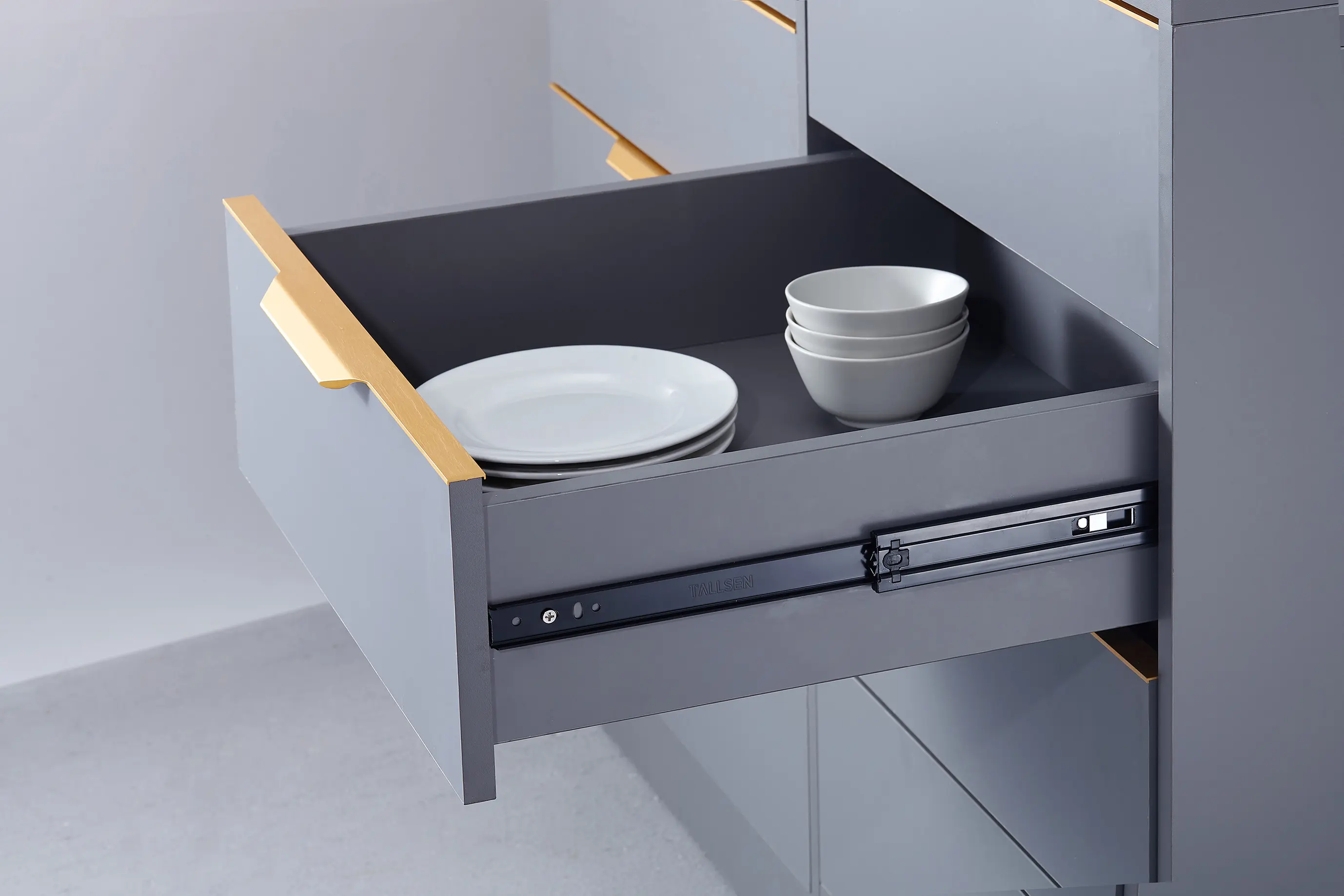
Drawer slides guide the drawer to open smoothly. If damaged, the drawer can stick.
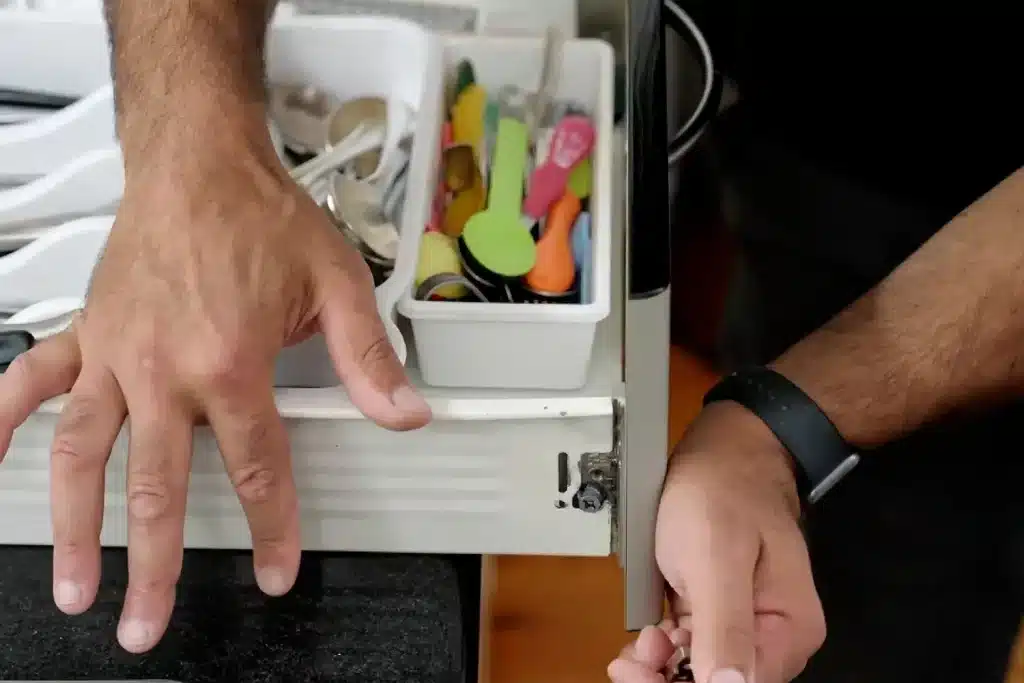
Pull the drawer gently and watch the slides. Look for broken parts or loose screws.
- Check if slides are bent or cracked
- See if screws are missing or loose
- Look for dirt or rust on the slides
- Test if the slides move freely by hand
Look For Swollen Wood
Wood can swell from moisture. Swollen wood makes the drawer too tight to move.
Look for signs of moisture damage on the drawer and cabinet. Check if wood feels soft.
- Check around the drawer edges for swelling
- Look for water stains or discoloration
- Feel if wood is softer than normal
- Inspect nearby plumbing for leaks

Credit: www.reddit.com
Gather Necessary Tools
Fixing a stuck kitchen drawer is easier when you have the right tools. Gathering these tools first saves time and effort.
Each tool plays a specific role in loosening the drawer and making it slide smoothly again.
Lubricants And Cleaners
Lubricants help reduce friction inside the drawer tracks. Cleaners remove dirt and grime that cause sticking.
Choose a lubricant that is safe for wood or metal surfaces. Use a mild cleaner to avoid damage.
- Silicone spray lubricant
- Dry graphite powder
- Mild dish soap
- All-purpose cleaner
Screwdrivers And Pliers
Screwdrivers help remove screws holding the drawer or tracks. Pliers assist in pulling or adjusting small parts.
Use the right screwdriver size to avoid stripping screws. Pliers provide a strong grip to handle tight spots.
- Flathead screwdriver
- Phillips screwdriver
- Needle-nose pliers
- Slip-joint pliers
Sandpaper And Wood Filler
Sandpaper smooths rough edges that block the drawer. Wood filler repairs cracks or dents on the drawer sides.
Choose fine-grit sandpaper for gentle sanding. Use wood filler to fill gaps before sanding again.
- Fine-grit sandpaper (220 grit)
- Medium-grit sandpaper (120 grit)
- Wood filler putty
- Putty knife
Remove The Drawer Safely
Removing a stuck kitchen drawer can be done safely with care. Follow these simple steps to avoid damage.
Always work slowly and gently to keep your drawer and cabinet intact.
Clear The Contents
Start by taking everything out of the drawer. This makes it lighter and easier to handle. Empty drawers also prevent items from falling out or breaking.
- Remove all utensils, tools, or items inside.
- Place contents on a nearby surface for safety.
- Check for any small debris or crumbs inside the drawer.
- Clean if needed before removing the drawer fully.
Disengage Drawer Slides
Next, locate the drawer slides that hold the drawer in place. These slides can be metal or plastic tracks on the sides or bottom.
| Type of Slide | How to Disengage |
| Side-mounted metal slides | Press the release lever or tab on each side |
| Bottom-mounted slides | Lift drawer slightly and pull straight out |
| Plastic slides | Push or pull release clips gently |
Lift The Drawer Out
Once the slides are free, hold the drawer firmly with both hands. Lift it straight up or out slowly to avoid damage.
- Grab the drawer sides near the front.
- Lift evenly to avoid tilting or catching.
- Pull the drawer away from the cabinet carefully.
- Set the drawer down on a flat surface.
Clean And Lubricate Slides
Kitchen drawers can get stuck when their slides become dirty or dry. Cleaning and lubricating the slides helps the drawer move smoothly again.
This guide shows how to remove dirt, apply lubricant, and test the slide movement for better drawer function.
Remove Dirt And Debris
First, pull the drawer out and check the slides. Dirt and crumbs can block their path.
- Use a vacuum or brush to clear loose debris.
- Wipe the slides with a damp cloth to remove sticky buildup.
- Dry the slides completely before moving to the next step.
Apply Lubricant Properly
Choose a lubricant made for metal or plastic slides. Avoid thick grease as it can attract more dirt.
| Lubricant Type | Best Use | Notes |
| Silicone Spray | Metal and plastic slides | Dries fast, does not attract dirt |
| Graphite Powder | Dry lubrication | Good for tight spaces, no mess |
| Light Oil | Metal slides only | Use sparingly to avoid buildup |
Apply lubricant evenly along the entire length of the slide. Wipe away any excess with a clean cloth.
Test Slide Movement
Put the drawer back and open it slowly. Check if it moves smoothly without sticking.
- Open and close the drawer fully several times.
- Listen for any squeaks or resistance.
- Reapply lubricant if needed in problem spots.
Fix Swollen Or Damaged Wood
Kitchen drawers can swell or get damaged due to moisture or wear. Fixing these issues helps your drawer slide smoothly again.
Follow simple steps to sand, fill, and let the wood dry properly. This will restore the drawer’s function and appearance.
Sand Down Swollen Areas
Use sandpaper to gently remove the swollen wood. Focus on the edges that stick and cause the drawer to jam.
Start with medium grit sandpaper and finish with fine grit for a smooth surface.
Use Wood Filler For Gaps
Fill cracks and gaps with wood filler. This prevents further damage and creates a solid surface.
- Choose a wood filler that matches the drawer’s color.
- Apply with a putty knife, pressing it into holes or cracks.
- Remove excess filler before it dries.
- Let it dry completely before sanding.
Allow Time To Dry
| Material | Drying Time |
| Wood filler | 1 to 4 hours |
| Glue (if used) | 24 hours |
| Paint or finish (optional) | 2 to 6 hours |
Wait long enough for all materials to dry. Rushing can cause the repair to fail.
Credit: www.tallsen.com
Reassemble And Test
After fixing the stuck drawer, you need to put it back and check if it works well. This part is key to making sure your repair was successful.
Follow these steps carefully to avoid any problems and keep your drawer running smoothly.
Reinsert The Drawer
Slide the drawer back into its slot slowly. Make sure the tracks or runners line up correctly. Push gently until the drawer is fully inside the cabinet.
Ensure Smooth Operation
Test the drawer by opening and closing it several times. Listen for any scraping or catching sounds. If it feels stiff, check the following areas:
- Are the rails clean and free of debris?
- Is the drawer aligned with the cabinet?
- Are all screws tight and secure?
- Is the lubricant applied evenly?
Make Final Adjustments
| Adjustment | What to Do |
| Drawer Misalignment | Loosen screws, realign drawer, then retighten |
| Sticky Rails | Clean rails and apply lubricant |
| Loose Hardware | Tighten all screws and brackets |
| Damaged Parts | Replace worn or broken components |
Prevent Future Sticking
Stuck kitchen drawers can be frustrating. You can stop this problem by caring for your drawers regularly.
Simple habits help keep your drawers smooth and easy to open every day.
Regular Cleaning
Clean your drawers often to remove dust and dirt. Dirt buildup can cause the drawer to stick and not slide well.
- Take out all items from the drawer
- Use a soft cloth to wipe inside the drawer and rails
- Apply a small amount of wax or lubricant to the runners
- Let the lubricant dry before putting items back
Avoid Overloading
Do not put too many items or heavy things in the drawer. Overloading makes the drawer hard to open and can damage the rails over time.
| Load Type | Effect on Drawer |
| Light load | Easy to open and close |
| Moderate load | May cause slight sticking if not cleaned |
| Heavy load | Drawer may stick or break |
Maintain Humidity Levels
Wood can swell or shrink with changes in humidity. Keep your kitchen at a stable humidity to prevent the drawer from warping and sticking.
- Use a dehumidifier if the air is very damp
- Open windows to let fresh air in on dry days
- Avoid placing heaters or vents near drawers

Credit: www.reddit.com
Frequently Asked Questions
Why Is My Kitchen Drawer Stuck?
A kitchen drawer may get stuck due to dirt, debris, or misaligned tracks. Moisture can cause wood swelling. Checking and cleaning the tracks often resolves the issue. Lubricating the rails can also help smooth movement.
How Can I Fix A Drawer That Won’t Open?
First, try gently wiggling the drawer while pulling. Check for obstructions inside the tracks. Clean and lubricate the runners. Adjust or realign the drawer slides if necessary to ensure smooth operation.
What Tools Do I Need To Fix A Stuck Drawer?
Basic tools include a screwdriver, lubricant (like WD-40), a cloth, and sandpaper. A putty knife or butter knife can help remove debris. These tools help clean, adjust, and lubricate the drawer for easier movement.
Can I Fix A Stuck Drawer Without Removing It?
Yes, you can often fix it by cleaning and lubricating the tracks without full removal. Gently realign the drawer if slightly off track. Removing it is only necessary if the problem persists or for deep cleaning.
Conclusion
Fixing a stuck kitchen drawer is simple with the right steps. Clean the tracks and check for obstacles first. Tighten loose screws and apply a little lubricant. Test the drawer gently to avoid damage. Regular care keeps drawers working smoothly.
Small fixes save money and time. Try these tips to restore your drawer’s function today. Don’t let a stuck drawer slow you down. Easy solutions are often just a few steps away.