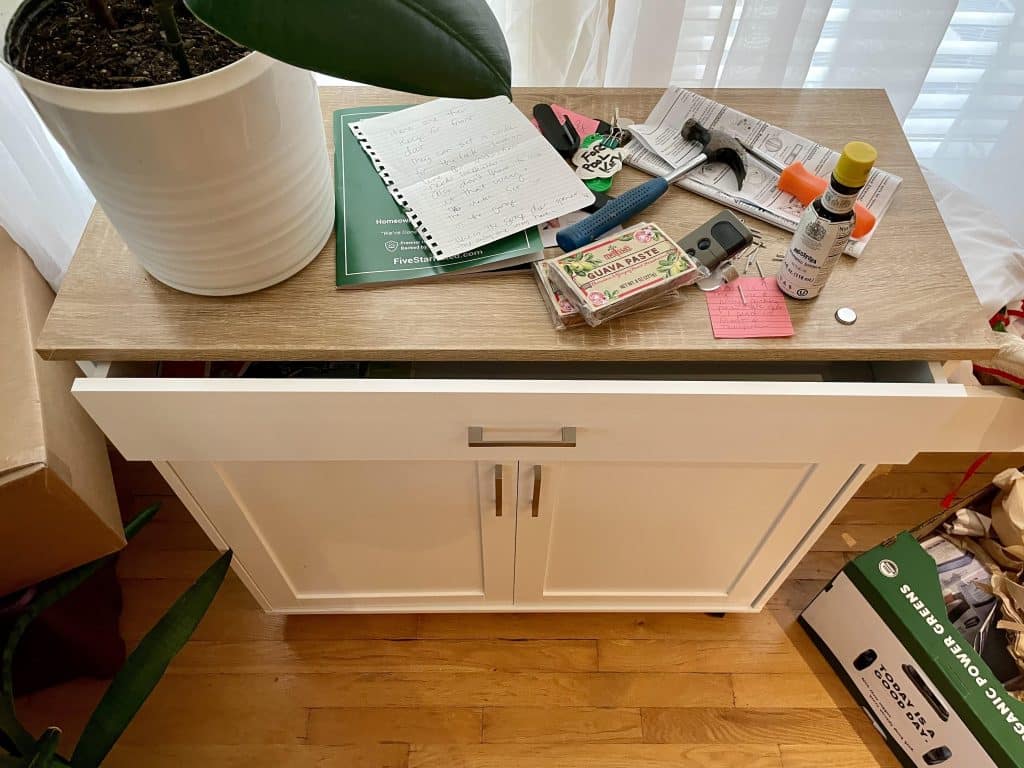
Do you find yourself constantly nudging your kitchen drawer shut, only for it to slide open again moments later? You’re not alone.
A drawer that won’t stay closed can be incredibly frustrating, disrupting your kitchen’s harmony and stealing your peace of mind. But what if I told you that fixing this pesky problem is simpler than you think? Imagine the satisfaction of a kitchen where every drawer glides smoothly and stays perfectly in place.
Intrigued? Stick around, because we’re going to walk you through straightforward solutions to get your kitchen drawer back on track, ensuring it stays closed just the way you like it. Let’s dive in and reclaim the order in your kitchen!
Credit: www.airforums.com
Common Causes
Kitchen drawers that do not stay closed can be very annoying. There are a few common reasons why this happens. Understanding these can help you fix the problem quickly.
Below, we look at some of the most frequent causes of this issue. Each cause has simple solutions you can try at home.
Misaligned Tracks
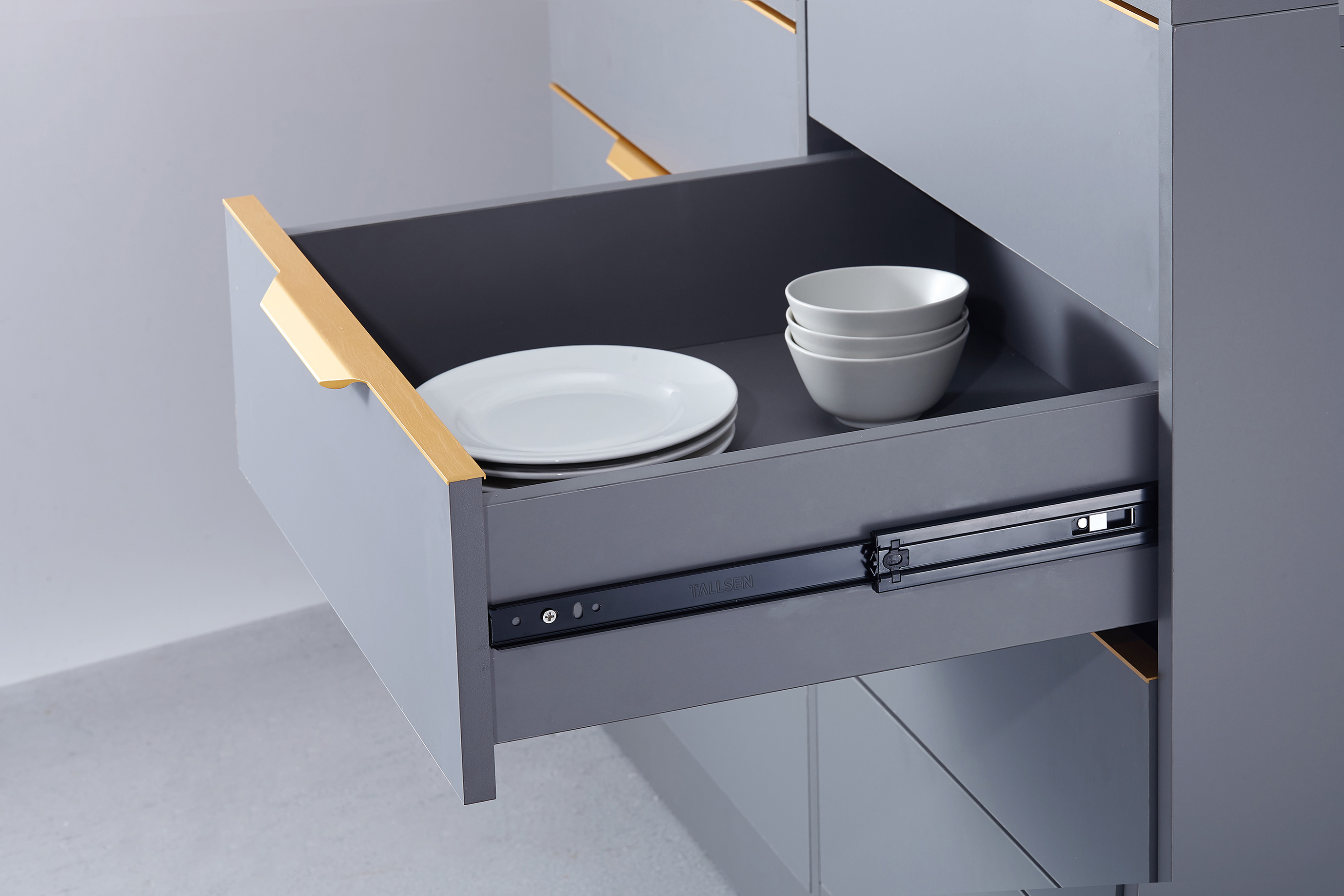
Drawer tracks guide the drawer as it opens and closes. If these tracks are not aligned properly, the drawer will not close fully. Misalignment can happen from heavy use or poor installation.
Check if the tracks are straight and fixed tightly to the drawer and cabinet. Adjust them if they look bent or loose.
Damaged Rollers
Rollers help the drawer slide smoothly. If they are cracked or worn out, the drawer may stick or pop open. Damaged rollers need to be replaced for the drawer to work well.
- Look for cracks or missing pieces on the rollers.
- Replace rollers that are broken or do not spin.
- Lubricate rollers if they seem stiff or dry.
Worn-out Latches
Latches keep the drawer locked when closed. Over time, latches can wear out or break. This stops the drawer from staying shut.
| Latch Type | Common Problem | Fix |
| Spring Latch | Weak spring | Replace spring or whole latch |
| Magnetic Latch | Weak magnet | Clean or replace magnet |
| Mechanical Catch | Broken catch | Repair or replace catch |
Obstructions Inside Drawer
Objects inside the drawer can block it from closing fully. Items may shift and push the drawer open slightly.
To fix this, try these tips:
- Remove all items from the drawer.
- Check for small objects stuck in the tracks or corners.
- Organize contents to prevent shifting.
Credit: www.tallsen.com
Tools Needed
Fixing a kitchen drawer that won’t stay closed requires a few basic tools. Having the right tools helps you work faster and better.
Each tool has a specific role in making the drawer close properly. Let’s look at the tools you will need.
Screwdrivers
Screwdrivers help you tighten or loosen screws on the drawer slides or front panel. You may need both flathead and Phillips head screwdrivers.
Lubricants
Lubricants reduce friction in the drawer slides. This helps the drawer move smoothly and stay closed. Use a silicone spray or a dry lubricant for best results.
Replacement Parts
- Drawer slides or runners
- Screws of the correct size
- Drawer bumpers or catches
- Handles or knobs if damaged
These parts may need replacement if the old ones are broken or worn out. Having them ready saves time during repairs.
Measuring Tape
| Measurement | Purpose |
|---|---|
| Drawer width and height | To select proper replacement parts |
| Slide length | To match the drawer’s existing hardware |
| Distance between screw holes | To ensure new slides fit perfectly |
Fixing Misaligned Tracks
Kitchen drawers often won’t stay closed because their tracks are misaligned. Fixing the tracks can solve this problem and make your drawer work smoothly again.
This guide shows how to remove the drawer, realign the tracks, and secure the screws properly.
Removing The Drawer
First, pull the drawer out gently until it stops. Most drawers have a release mechanism to remove them completely.
Look under the drawer sides for levers or tabs. Press or lift them to free the drawer from the tracks.
- Pull the drawer out slowly
- Find release levers or tabs under the drawer
- Press or lift the levers to detach the drawer
- Carefully remove the drawer from the cabinet
Realigning The Tracks
Check both tracks on the drawer and inside the cabinet. They should line up straight and be parallel.
If tracks are crooked or bent, gently bend them back into place. Use a screwdriver to adjust track position if needed.
- Inspect tracks for bends or damage
- Bend bent tracks carefully back to alignment
- Adjust track position with a screwdriver
- Make sure tracks on both sides match in height
Securing Screws
Loose screws cause tracks to move and misalign. Tighten all screws on the tracks and drawer sides.
If screws don’t hold, replace them with slightly larger ones or use wood filler to secure them better.
- Check all screws on tracks and drawer
- Tighten loose screws with a screwdriver
- Replace stripped screws with bigger ones
- Use wood filler to fix loose holes if needed
Replacing Damaged Rollers
Kitchen drawers that won’t stay closed often have worn or damaged rollers. Replacing these rollers can fix the problem. This guide will help you replace damaged rollers step by step.
We will look at how to identify the roller type, remove old rollers, and install new ones. Follow these steps carefully to restore your drawer’s smooth function.
Identifying Roller Types
There are different types of rollers used in kitchen drawers. Knowing your roller type helps you buy the right replacement part. Rollers are usually plastic, nylon, or metal.
- Side-mounted rollers:Attached to the drawer sides.
- Bottom-mounted rollers:Fixed under the drawer.
- Ball-bearing rollers:Use small metal balls for smooth sliding.
- Plastic wheels:Simple plastic wheels that roll along a track.
Removing Old Rollers
First, remove the drawer from its slot. Look for screws or clips holding the rollers. Use a screwdriver to remove screws carefully. If clips hold the rollers, gently pry them off with a flat tool.
- Pull the drawer out fully from the cabinet.
- Find screws or clips on each roller.
- Unscrew or unclip the rollers carefully.
- Take out the old rollers from the drawer or cabinet.
Installing New Rollers
Match the new rollers to the old ones. Place the new rollers in the same spots as the old parts. Use screws or clips to fix them in place. Test the drawer to ensure it slides and closes smoothly.
| Installation Tip | Details |
| Align rollers | Make sure rollers line up with the track. |
| Secure fasteners | Tighten screws but do not over-tighten. |
| Test movement | Slide drawer in and out to check smoothness. |
| Adjust if needed | Loosen and realign rollers for better fit. |
Repairing Or Replacing Latches
A kitchen drawer that won’t stay closed can be annoying and disrupt your work. One common cause is a broken or faulty latch. Fixing or replacing the latch can solve this problem quickly.
This guide explains how to check the latch, fix loose ones, and install new latches if needed. Follow these tips to keep your drawer secure and working well.
Checking Latch Condition
First, open the drawer and look closely at the latch. See if it is broken, worn out, or missing parts. Check both the latch on the drawer and the catch on the cabinet frame.
- Look for cracks or chips in plastic latches.
- Check if metal latches are bent or rusty.
- Make sure the latch moves freely without sticking.
- Test if the catch on the cabinet is loose or damaged.
Fixing Loose Latches
If the latch is loose, tighten the screws that hold it. Use a screwdriver that fits well to avoid stripping the screw heads. If screws are missing, replace them with new ones of the same size.
Sometimes the screw holes become too big and cannot hold screws tightly. In this case, try these methods:
- Remove the loose screw.
- Fill the hole with a wooden toothpick or matchstick coated in wood glue.
- Let the glue dry fully.
- Reinsert the screw and tighten it carefully.
Installing New Latches
If the latch is broken or cannot be fixed, replace it with a new one. You can find replacement latches at hardware stores or online. Choose a latch similar to the old one to fit your drawer.
| Tool | Purpose |
| Screwdriver | Remove and install screws |
| Wood glue | Fill enlarged screw holes |
| Replacement latch | New latch to fix drawer |
| Measuring tape | Check latch size and fit |
Follow these steps to install a new latch:
- Remove the old latch by unscrewing it.
- Compare the new latch with the old one to check size.
- Position the new latch where the old one was.
- Screw the new latch tightly into place.
- Test the drawer to make sure it stays closed.
Clearing Drawer Obstructions
A kitchen drawer that won’t stay closed often has something blocking it. Obstructions stop the drawer from sliding properly.
Clearing these obstructions can help the drawer close smoothly and stay shut.
Removing Items
Start by taking everything out of the drawer. Sometimes, things inside get stuck or push against the drawer front.
- Empty the drawer completely.
- Check for items that are too big or oddly shaped.
- Look for broken pieces or debris among the items.
- Remove anything that could block the drawer from closing.
Cleaning Inside Drawer
Dirt and crumbs can build up inside the drawer and in the tracks. This buildup can stop the drawer from sliding fully closed.
Wipe the inside of the drawer and the runners with a clean cloth. You may also use a mild cleaner if needed.
| Cleaning Area | Recommended Tool | Tip |
| Drawer bottom and sides | Soft cloth | Use warm water and mild soap |
| Drawer tracks and runners | Small brush or old toothbrush | Remove crumbs and dust |
| Drawer front edges | Cloth or sponge | Check for sticky residue |
Checking For Warped Wood
Wood can warp from moisture or age. Warped wood can cause the drawer to not close properly.
Look for these signs of warped wood:
- Gaps between the drawer front and frame
- Drawer sticks at certain points
- Visible bending or twisting of the wood
If you find warping, you may need to sand down the edge or replace the drawer parts.
Lubrication Tips
Keeping your kitchen drawer sliding smoothly helps it stay closed better. Using the right lubricant can fix sticky or noisy drawers. Proper lubrication makes opening and closing easier.
Follow these simple tips for choosing, applying, and maintaining lubrication on your kitchen drawer.
Choosing The Right Lubricant
Pick a lubricant that works well for wood or metal drawer parts. Avoid thick greases that attract dust or dirt. Silicone sprays and dry lubricants are good choices. They last longer and keep parts clean.
- Use silicone spray for metal drawer slides.
- Choose dry graphite lubricant for wooden drawers.
- Avoid oil-based lubricants that cause sticky buildup.
- Check if the lubricant is non-toxic and safe for kitchen use.
Applying Lubricant Safely
Apply lubricant carefully to avoid mess and damage. Clean the drawer slides before applying. Use a cloth to wipe off excess lubricant. Always work in a well-ventilated area.
| Safety Tip | Description |
| Wear gloves | Protect your skin from chemicals |
| Use drop cloth | Prevent lubricant from staining surfaces |
| Ventilate area | Avoid inhaling fumes from sprays |
| Test small area | Check for surface damage before full application |
Maintaining Smooth Operation
Keep your drawer sliding smoothly by regular upkeep. Clean the slides from dust and dirt often. Reapply lubricant every few months or as needed. Tighten any loose screws to prevent wobbling.
- Remove drawer and clean slides with a dry cloth.
- Check for worn parts and replace if needed.
- Reapply lubricant lightly to prevent buildup.
- Test the drawer to make sure it closes firmly.

Credit: www.reddit.com
Preventive Maintenance
Keeping your kitchen drawer working well means doing small tasks often. This stops bigger problems later. Preventive maintenance helps your drawer stay closed and work smoothly.
Simple care and checks keep your drawer from getting stuck or falling open. Learn some easy ways to take care of your kitchen drawer.
Regular Cleaning
Clean the drawer and its tracks to remove dust and dirt. Dirt can block the drawer from closing properly. Use a soft cloth and mild cleaner. Avoid water on wooden parts.
- Empty the drawer before cleaning
- Wipe inside and outside with a dry cloth
- Use a small brush for tracks and corners
- Dry all parts completely before closing
Routine Inspections
Check the drawer often for signs of wear or damage. Look at the slides, handles, and frame. Catch problems early to avoid full repairs.
| Part | What to Check | Signs of Trouble |
| Drawer slides | Cleanliness and smooth movement | Stiffness or noise |
| Handle | Firm attachment | Loose or wobbly handle |
| Drawer frame | Cracks or warping | Broken wood or bent parts |
Avoiding Overloading
Do not put too many or too heavy items in your drawer. Overloading can make the drawer hard to close. It also wears out parts faster.
Tips to avoid overloading:
- Divide heavy items into smaller drawers
- Keep only kitchen tools you use often in one drawer
- Store heavier items on lower shelves
- Check weight limits for your drawer slides
Frequently Asked Questions
Why Won’t My Kitchen Drawer Stay Closed Properly?
A drawer may not stay closed due to worn-out slides, misalignment, or debris blocking tracks. Check and clean the tracks, tighten screws, or replace faulty parts for a smooth close.
How Can I Fix A Misaligned Kitchen Drawer?
To fix misalignment, remove the drawer, inspect the slides, and adjust screws. Realign the slides evenly on both sides for proper drawer movement and closure.
What Tools Are Needed To Repair A Stuck Kitchen Drawer?
You typically need a screwdriver, lubricant, replacement slides, and cleaning materials. These tools help tighten, lubricate, and replace parts causing the drawer to stick or stay open.
Can Drawer Slides Cause Kitchen Drawers To Not Close?
Yes, damaged or dirty drawer slides often cause drawers to remain open. Cleaning or replacing slides usually resolves this issue and ensures smooth closing.
Conclusion
Fixing a kitchen drawer that won’t stay closed is easier than it seems. Small adjustments can make a big difference. Check the tracks, clean any dirt, and tighten loose screws. Sometimes, replacing worn parts helps the drawer slide smoothly. With a little effort, your drawer will close properly again.
A working drawer keeps your kitchen neat and safe. Try these simple steps today and enjoy a better kitchen space.