
Are your kitchen drawers looking a little outdated or worn? Fitting new drawer fronts can instantly refresh the look of your kitchen without a full remodel.
But if you’re worried it might be too tricky or time-consuming, don’t be. You can easily learn how to fit kitchen drawer fronts yourself, even if you’re not a DIY expert. In this guide, you’ll discover simple, step-by-step instructions that make the process clear and manageable.
Keep reading, and you’ll have your kitchen looking brand new in no time!

Credit: www.familyhandyman.com
Tools And Materials Needed
Fitting kitchen drawer fronts is a simple task with the right tools and materials. Having everything ready helps you work faster and avoid mistakes.
This guide explains what tools and supplies you need before starting your project.
Essential Tools
You need some basic tools to fit drawer fronts properly. These tools help measure, attach, and adjust the fronts.
- Tape measure – for accurate measurements
- Power drill – to make holes and drive screws
- Screwdriver – to adjust screws by hand
- Level – to ensure fronts are straight
- Clamps – to hold drawer fronts in place
- Pencil – to mark drill points
Choosing Drawer Fronts
Pick drawer fronts that fit your kitchen style and drawer size. Fronts come in many materials and finishes.
Measure your drawers carefully to find fronts that match perfectly. Choose fronts that are easy to clean and durable.
- Wood – classic and strong
- MDF – smooth and affordable
- Laminate – easy to clean
- Glass – modern look
- Metal – industrial style
Additional Supplies
Besides tools and drawer fronts, you need extra supplies to complete the job well. These help secure and finish the fronts.
- Screws – to attach the fronts to drawers
- Wood glue – for extra hold if needed
- Sandpaper – to smooth edges
- Masking tape – to protect surfaces while working
- Cleaning cloth – to wipe dust and fingerprints
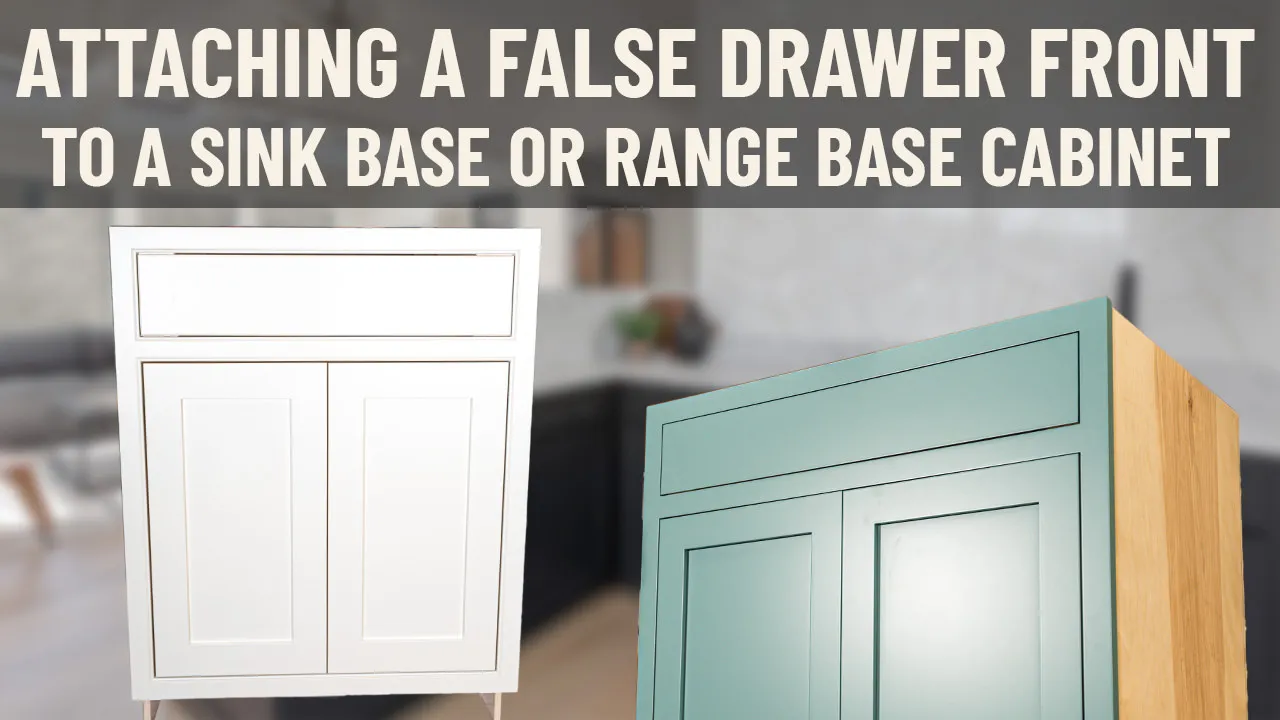
Credit: www.cabinetjoint.com
Preparing Your Workspace
Fitting kitchen drawer fronts needs a clean and organized workspace. This helps you work faster and avoid mistakes.
Prepare your area before starting. It makes the process safer and smoother.
Clearing The Area
Remove any items around your work zone. Clear counters and floors to avoid tripping or damage.
- Take away kitchen tools and appliances
- Clear the drawer space you will work on
- Make sure there is enough light
- Keep the floor clean and dry
Organizing Components
Sort all parts and tools before you start fitting. This saves time and prevents losing small pieces.
| Component | Placement | Notes |
| Drawer fronts | On a soft, flat surface | Protects from scratches |
| Screws and fittings | Small containers or trays | Prevents loss |
| Tools (screwdriver, drill) | Within arm’s reach | Easy access |
Safety Precautions
Work safely to avoid injury. Follow these safety tips before and during fitting.
- Wear safety glasses to protect your eyes
- Use gloves to avoid splinters and cuts
- Keep tools in good condition
- Do not rush the process
- Make sure power tools are unplugged when not in use
Removing Old Drawer Fronts
Removing old drawer fronts is a key task when updating your kitchen. It lets you replace or fix damaged parts with ease.
Knowing how to do this safely protects your drawers and hardware for future use.
Locating Fasteners
Fasteners hold the drawer front tightly to the drawer box. You must find all of them to remove the front without damage.
- Open the drawer completely.
- Look inside the drawer sides and bottom for screws or bolts.
- Check for any clips or brackets on the back of the drawer front.
- Use a flashlight to see hidden fasteners clearly.
Detaching Fronts Safely
Removing the drawer front carefully avoids damage to wood and finish. Follow these safe steps.
- Unscrew all located fasteners using the correct screwdriver or drill bit.
- Hold the drawer front firmly to prevent it from falling.
- Gently pull the front away from the drawer box.
- If it feels stuck, check for missed fasteners or glue spots.
- Use a soft tool like a plastic putty knife to ease apart glued areas.
Handling Hardware
Hardware includes handles, knobs, and screws. Handling them well helps reuse or replace parts easily.
| Hardware Type | Handling Tips |
|---|---|
| Handles and Knobs | Remove gently and keep screws in a safe place. |
| Screws | Store by size and location for reassembly. |
| Brackets and Clips | Inspect for damage and clean before reuse. |
Measuring And Aligning New Fronts
Fitting new kitchen drawer fronts needs careful measuring and alignment. Good fitting makes drawers look neat and work well.
Take your time to measure and mark before drilling. This helps avoid mistakes and saves effort.
Taking Accurate Measurements
Measure the drawer box width and height carefully. Use a tape measure for best results.
Write down your measurements. Double-check to avoid errors that cause bad fits.
- Measure the width at the top and bottom of the drawer box
- Measure the height on both sides
- Note any uneven parts or gaps
- Add space for any drawer pulls or handles
Marking Drill Points
Mark drill points on the new drawer front before attaching. Accurate marks make fitting easier.
Use a pencil and ruler to mark points where screws will go. Check alignment with the drawer box.
- Place the drawer front on the drawer box
- Mark where the screws will fix the front
- Use a square tool to keep marks straight
- Check marks twice before drilling
Ensuring Level Placement
Keep the drawer front level during fitting. Level placement looks better and prevents drawer issues.
Use a spirit level or straight edge to check. Adjust the front if it tilts or hangs unevenly.
- Place the drawer front on the box
- Check with a spirit level horizontally
- Adjust position until perfectly level
- Hold the front steady while fixing screws
Attaching New Drawer Fronts
Attaching new drawer fronts can refresh your kitchen’s look. It is a simple project with the right tools and steps.
This guide covers pre-drilling holes, securing screws, and checking for gaps to ensure a clean fit.
Pre-drilling Holes
Pre-drilling holes prevents wood from splitting and makes screw insertion easier. Mark the screw locations carefully before drilling.
- Use a pencil to mark where screws will go.
- Choose a drill bit slightly smaller than the screw diameter.
- Drill holes straight and to the proper depth.
- Clean any wood dust from the holes before attaching.
Securing Screws
Use screws that are the right length to avoid damage. Tighten screws firmly but avoid over-tightening to prevent stripping.
| Step | Tip |
| Choose Screws | Pick screws that fit the drawer front thickness |
| Insert Screws | Start screws by hand for accuracy |
| Tighten Screws | Use a screwdriver with steady pressure |
| Check Stability | Make sure drawer front does not wobble |
Checking For Gaps
After securing the drawer front, check for gaps between the front and cabinet. Small gaps can cause dust build-up and look unfinished.
Use this quick checklist to spot and fix gaps:
- Look along all edges for visible spaces.
- Press gently to test if the front moves.
- Adjust screws slightly to close small gaps.
- Use wood filler for very small, stubborn gaps.
Adjusting For Perfect Fit
Fitting kitchen drawer fronts properly ensures a clean look and smooth operation. Adjusting them for a perfect fit may take some time and attention.
Small changes in alignment can make a big difference. Follow these steps to fine-tune and test your drawer fronts.
Fine-tuning Alignment
Start by checking the drawer fronts from different angles. Look for gaps or uneven spaces between the drawer and cabinet frame.
- Loosen the screws slightly to allow movement
- Shift the drawer front up, down, left, or right
- Ensure the drawer front sits flush with the cabinet surface
- Tighten the screws once aligned properly
Testing Drawer Operation
After alignment, open and close the drawer several times. Watch for any sticking or rubbing points.
| Test | What to Check | Adjustment Needed |
| Open drawer | Drawer opens smoothly | None or loosen screws slightly |
| Close drawer | No rubbing on cabinet edges | Shift drawer front left or right |
| Drawer front level | Front is straight and even | Tighten or re-align screws |
Making Final Adjustments
Make small tweaks to ensure the drawer front looks perfect and works well. Check the gaps and feel the surface with your hand.
Use this checklist for final checks:
- Even gaps on all sides
- Drawer front sits flush with cabinet frame
- Drawer opens and closes without resistance
- All screws are tight but not over-tightened
Maintenance Tips
Keeping your kitchen drawer fronts in good shape helps them last longer. Regular care stops wear and tear.
Simple maintenance makes your kitchen look neat and works well every day.
Cleaning Drawer Fronts
Clean drawer fronts often to remove dirt and grease. Use a soft cloth and mild soap with water.
Avoid harsh chemicals that can damage the finish. Dry the surface well after cleaning to stop water marks.
- Use soft, damp cloths for wiping
- Apply mild dish soap mixed with water
- Dry with a clean towel to avoid stains
- Do not use abrasive cleaners or scrubbers
Tightening Hardware
Check screws and handles regularly. Loose hardware can cause drawer fronts to misalign or fall off.
Use a screwdriver to gently tighten any loose screws. Avoid overtightening to prevent damage to wood or screws.
- Inspect drawer handles monthly
- Tighten screws with the right screwdriver
- Replace stripped screws if needed
- Be gentle to avoid cracking the drawer front
Preventing Damage
Protect drawer fronts by avoiding sharp or heavy impacts. Use soft materials when placing items on or near them.
Keep drawer fronts dry and avoid excess water exposure. Use drawer liners to prevent scratches inside the drawers.
- Handle drawers gently to avoid dents
- Use liners to protect the inside surfaces
- Wipe spills quickly to prevent stains
- Avoid placing heavy objects on drawer fronts
Credit: hanashappyhome.com
Frequently Asked Questions
How Do I Measure Kitchen Drawer Fronts Correctly?
Measure the drawer front’s width and height accurately with a tape measure. Always double-check measurements for a perfect fit. Ensure to measure the visible area when the drawer is closed.
What Tools Are Needed To Fit Kitchen Drawer Fronts?
You will need a drill, screwdriver, measuring tape, level, clamps, and screws. These tools help align and secure the drawer fronts properly. Having the right tools ensures a smooth installation process.
Can I Reuse Old Kitchen Drawer Fronts?
Yes, you can reuse old drawer fronts if they are in good condition. Sand and repaint or refinish them to refresh their look. Reusing saves money and reduces waste.
How To Align Drawer Fronts Evenly?
Use a level and clamps to hold the drawer front in place. Adjust the position before securing screws. Check gaps around the drawer front for uniform spacing.
Conclusion
Fitting kitchen drawer fronts can seem challenging, but it’s doable. Follow the steps carefully and take your time. Measure accurately to ensure a perfect fit. Use the right tools for the best results. Secure the fronts tightly to avoid any wobbling.
Check alignment regularly during installation. A well-fitted drawer front enhances your kitchen’s look. It also improves functionality. Practice makes perfect, so don’t rush the process. Enjoy the satisfaction of a job well done. Your kitchen will thank you for the effort.
Happy fitting!