How to Disinfect Plastic Cutting Board: Do you know what’s lurking on your plastic cutting board after you’ve chopped up those veggies or sliced raw meat? It might surprise you.
Your kitchen might look spotless, but your cutting board could be harboring bacteria that could make you and your family sick. Disinfecting your plastic cutting board is not just about cleanliness—it's about keeping your loved ones safe. Imagine the peace of mind you'll have knowing that every meal you prepare is free from harmful germs.
In this guide, we'll show you simple, effective methods to disinfect your cutting board so you can focus on what really matters: enjoying delicious, worry-free meals with your family. Keep reading to discover how easy it is to maintain a healthy kitchen environment.
Credit: en.brilio.net
Choosing The Right Cutting Board
Plastic cutting boards are common in kitchens because they are easy to clean. Picking the right one helps keep food safe from germs.
Some plastic boards work better for certain tasks. Knowing the types and when to clean them is important.
Types Of Plastic Cutting Boards
Plastic cutting boards come in different materials. Each type has its own strengths and weaknesses.
- Polyethylene:This is the most common. It is durable and dishwasher safe.
- Polypropylene:Slightly harder than polyethylene. It resists stains well.
- Composite Plastic:Made from a mix of plastics and wood fibers. It is very strong but can be heavier.
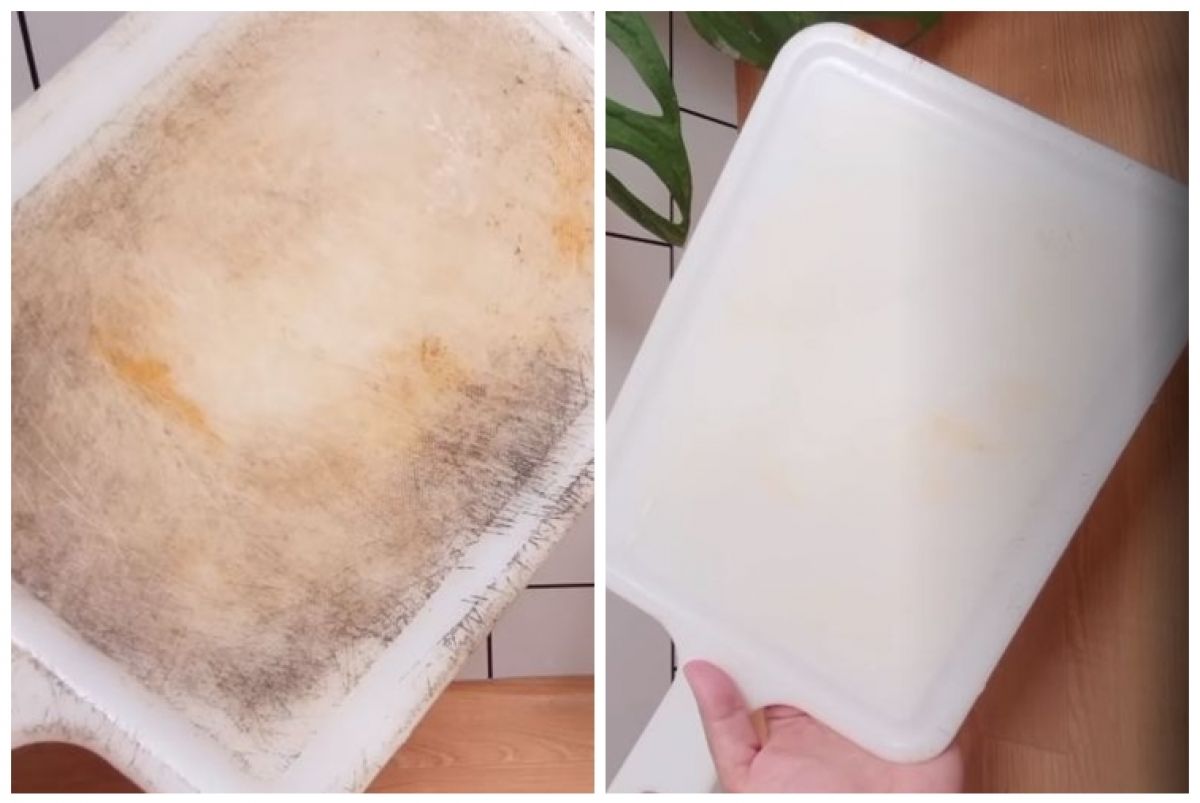
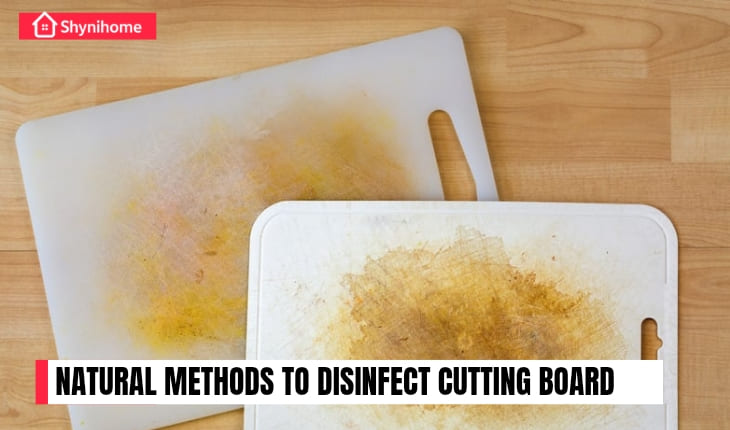
Signs Your Board Needs Disinfecting
You should clean your plastic cutting board often. Some signs show it needs disinfecting right away.
| Sign | What It Means |
| Deep Cuts or Grooves | Bacteria can hide in these and cause contamination. |
| Discoloration | Stains may hold germs and make cleaning harder. |
| Odor | A bad smell shows bacteria or old food residue. |
| Sticky Surface | Residue build-up means the board is not clean. |
Credit: shynihome.com
Basic Cleaning Steps
Cleaning your plastic cutting board properly keeps it safe for food. Dirt and germs can hide in cuts and scratches.
Follow simple steps to remove food residue and reduce bacteria on your board.
Rinsing And Scrubbing
Start by rinsing the board with warm water. This removes loose food particles.
Use a scrub brush or sponge to clean the surface well. Focus on grooves and scratches.
- Hold the board under running warm water.
- Apply pressure with a brush to scrub all areas.
- Check for stuck food and scrub again if needed.
- Rinse off all loosened debris.
Using Soap And Water Effectively
Soap helps break down oils and kill germs. Use a dish soap that cuts grease.
| Cleaning Step | Details |
|---|---|
| Apply Soap | Use enough dish soap to cover the board surface. |
| Scrub Thoroughly | Use a sponge or brush to clean all sides and edges. |
| Rinse Well | Remove all soap with warm running water. |
| Dry Properly | Use a clean towel or air dry to prevent moisture build-up. |
Disinfecting Methods
Plastic cutting boards can hold bacteria after use. Cleaning them well is important to keep food safe. Disinfecting removes germs and helps prevent illness.
There are several easy ways to disinfect plastic cutting boards. Use safe and effective methods to make sure your board is clean.
Bleach Solution
Bleach is a strong disinfectant that kills many germs. Use a diluted bleach solution to clean your plastic cutting board safely.
Mix one tablespoon of unscented bleach with one gallon of water. Soak the board in this solution for a few minutes. Then rinse well with water and air dry.
- Use unscented bleach only
- Wear gloves to protect your skin
- Do not use bleach on wooden boards
Vinegar Spray
White vinegar is a natural disinfectant. It kills some bacteria and is gentle on plastic boards.
Fill a spray bottle with white vinegar. Spray the entire surface of the board. Let it sit for at least five minutes. Rinse with water and dry.
- No need to dilute vinegar
- Safe for all cutting boards
- Good for light disinfection
Hydrogen Peroxide
Hydrogen peroxide is effective against many germs. It works well on plastic cutting boards without leaving strong odors.
Apply 3% hydrogen peroxide directly to the board. Let it bubble and sit for a few minutes. Rinse thoroughly with water and dry.
- Use only food-grade 3% solution
- Store hydrogen peroxide in a dark bottle
- Good for killing bacteria and viruses
Boiling Water
Boiling water can kill germs on plastic cutting boards. It is a simple and chemical-free way to disinfect.
Pour boiling water over the board or soak it in hot water for several minutes. Be careful to avoid burns. Let the board air dry after.
- Use caution with hot water
- Not suitable for warped or cracked boards
- Best for quick disinfection
Credit: www.lysol.com
Natural Alternatives
Plastic cutting boards can harbor germs after use. Cleaning them well keeps your kitchen safe.
Natural ingredients like lemon juice and baking soda can disinfect your cutting board. These are safe and easy to use.
Lemon Juice
Lemon juice has natural antibacterial properties. It also removes odors from plastic cutting boards.
- Sprinkle lemon juice over the board surface.
- Let it sit for 5 to 10 minutes to kill bacteria.
- Scrub the board gently with a sponge or brush.
- Rinse with warm water and dry with a clean towel.
Baking Soda Paste
Baking soda cleans and deodorizes cutting boards. It also helps remove stains and grime.
| Ingredients | Instructions |
| 2 tablespoons baking soda 1 tablespoon water |
Mix into a thick paste. Apply on the board. Let sit 10 minutes. Scrub and rinse well. |
Preventing Cross-contamination
Cross-contamination happens when germs spread from one food to another. It can cause food poisoning and illness.
Cleaning and disinfecting plastic cutting boards stops germs from moving between foods.
Color-coded Boards
Use different colored boards for different food types. This helps stop germs from mixing.
Assign colors for meat, vegetables, and cooked foods to keep them separate.
- Red for raw meat
- Green for vegetables
- Yellow for cooked foods
- Blue for fish and seafood
Proper Storage Tips
Store cutting boards in a clean, dry place. Keep them upright to air dry well.
Do not stack wet boards. This can cause bacteria to grow.
- Clean boards before storage
- Keep boards dry and upright
- Separate boards by type or color
- Replace boards when deeply cut or worn
Maintaining Your Cutting Board
Keeping your plastic cutting board clean is important for safety. Regular care stops bacteria from growing.
Good maintenance helps your board last longer and keeps food safe to eat.
Regular Inspection
Check your cutting board often for deep cuts or cracks. These can hide germs and dirt.
Look for stains or smells that do not go away after cleaning. These signs mean the board may be unsafe.
- Examine the surface for scratches or grooves
- Smell the board for bad odors
- Check for warping or discoloration
- Clean thoroughly after each use
When To Replace Your Board
Replace your cutting board if it has many deep cuts or cracks. These areas can harbor bacteria.
If the board smells bad even after cleaning, it is time to get a new one.
- Replace if there are large, deep scratches
- Replace if the board is warped or cracked
- Replace if odors stay after washing
- Replace if the board looks worn out
Frequently Asked Questions
How Do I Disinfect A Plastic Cutting Board Safely?
To disinfect a plastic cutting board, use a solution of one tablespoon bleach per gallon of water. Soak for a few minutes, then rinse thoroughly with hot water. This method kills bacteria without damaging the board, keeping it safe for food preparation.
Can Vinegar Effectively Disinfect Plastic Cutting Boards?
Yes, vinegar has natural antibacterial properties. Spray or soak your cutting board with white vinegar, let it sit for a few minutes, then rinse with hot water. It’s a safe, non-toxic option to reduce germs on plastic cutting boards.
How Often Should I Disinfect My Plastic Cutting Board?
Disinfect your plastic cutting board after each use, especially when handling raw meat, poultry, or seafood. Regular disinfection prevents cross-contamination and keeps your kitchen safe from harmful bacteria.
Is Dishwasher Cleaning Enough To Disinfect Plastic Cutting Boards?
Most plastic cutting boards are dishwasher-safe and get sanitized by hot water. However, for thorough disinfection, use a bleach or vinegar solution occasionally. Dishwasher cleaning alone may not remove all bacteria.
Conclusion
Cleaning your plastic cutting board keeps your kitchen safe and healthy. Use simple methods like soap, hot water, and vinegar. These kill germs and stop cross-contamination. Regular cleaning also helps your board last longer. Remember to dry it well after washing.
A clean cutting board means safer food for you and your family. Keep these tips in mind every time you cook. Safe cooking starts with a clean cutting board. Simple steps make a big difference.