
How to Degrease Baking Pans: Are you tired of your baked goods sticking stubbornly to your pans? Knowing how to properly degrease baking pans can make all the difference between a perfect cake and a frustrating mess.
Imagine effortlessly sliding your favorite treats out, clean edges intact, every single time. You’ll discover simple, effective methods to get your pans ready for baking, ensuring your creations come out flawless. Keep reading to unlock the secret to stress-free baking and impress everyone with your delicious results.

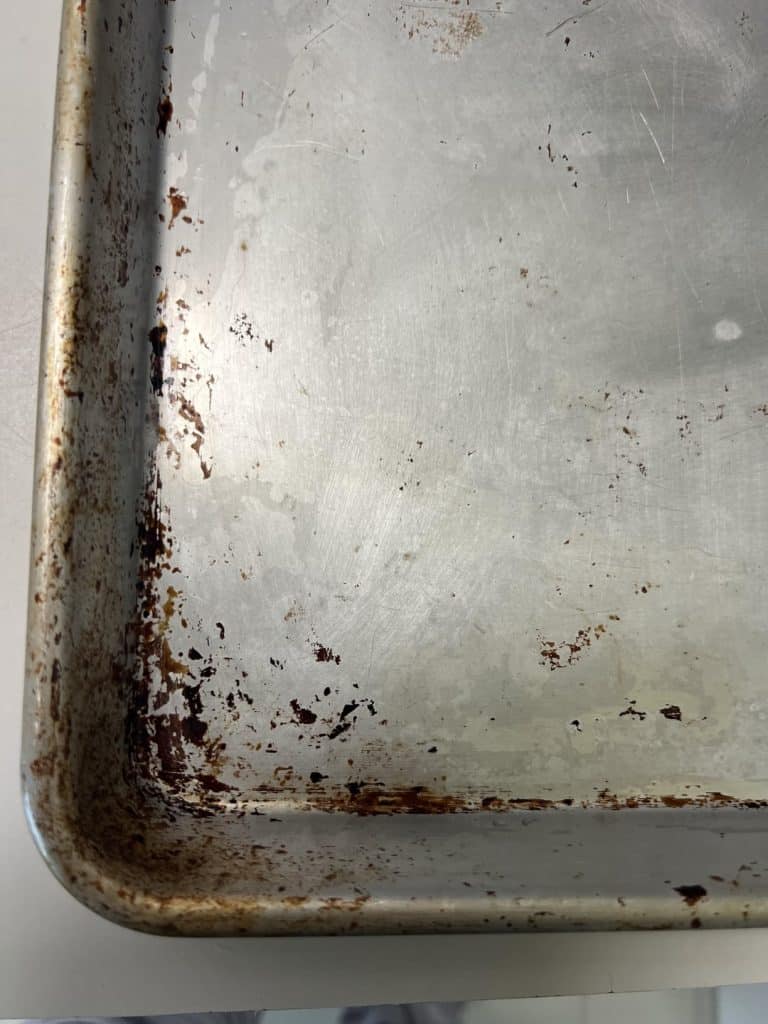
Credit: katieskottage.com
Common Causes Of Grease Build-up
Grease build-up on baking pans happens after many uses. It sticks to the surface and becomes hard to remove. Understanding what causes this helps keep pans clean.
Grease comes from cooking oils, fats, and food residues. Over time, these materials form layers that affect baking results. Knowing the types of grease can help in cleaning.
Types Of Grease Residue
There are different kinds of grease that build up on pans. Each type needs a special approach for removal.
- Animal fats:These come from butter, lard, and meat drippings. They harden when cooled.
- Vegetable oils:Oils from plants like olive or canola oil. They can become sticky and dark over time.
- Burnt sugar and food:Sugary foods and batter spills leave a sticky, caramelized layer.
- Soap scum:Leftover cleaning products can mix with grease and cause residue.
Effects On Baking Performance
Grease build-up changes how heat moves in the oven. This can cause uneven baking and affect the taste of food.
| Effect | Description |
|---|---|
| Uneven heating | Grease blocks heat, causing some parts to bake faster than others. |
| Sticking food | Residue makes food stick to the pan, ruining the shape and texture. |
| Smoke and odors | Burnt grease creates smoke and bad smells in the oven. |
| Shorter pan life | Build-up can damage the pan’s surface, causing rust or scratches. |
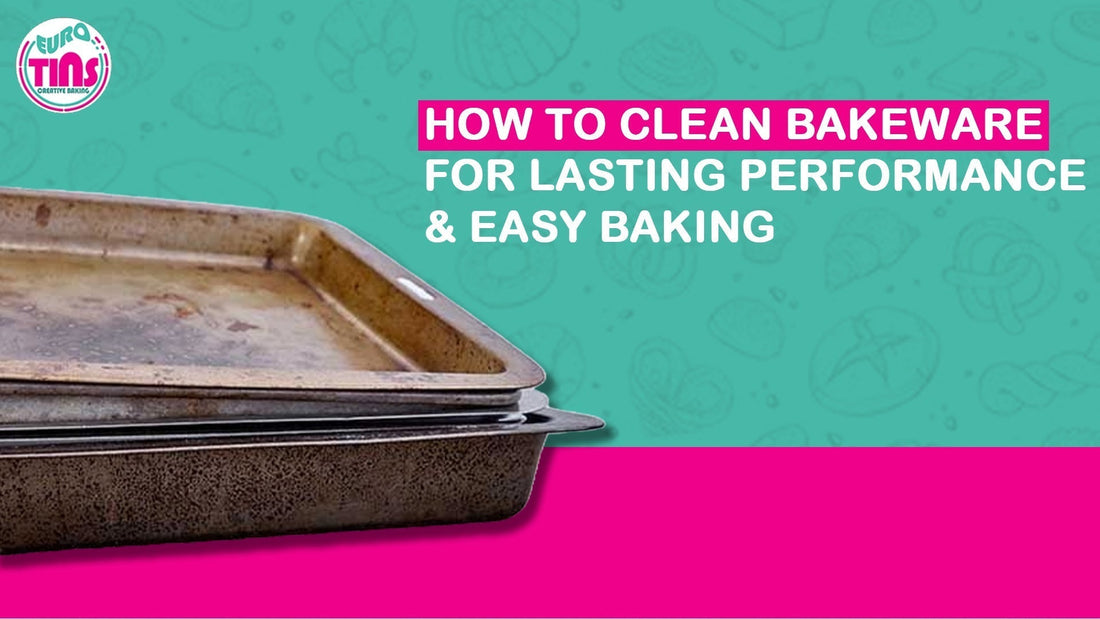
Credit: eurotins.co.uk
Essential Tools And Materials
Cleaning baking pans after use can be tough due to grease buildup. Using the right tools and materials makes the process easier and faster. This guide covers what you need to degrease your baking pans effectively.
Knowing the best cleaning agents and kitchen tools helps you keep your pans in good shape. Read on to find out what to use and how to use them properly.
Cleaning Agents To Use
Choose cleaning agents that break down grease well. Some are natural and safe, while others work faster but need careful handling. Here are common cleaning agents for degreasing baking pans.
- Dish soap with grease-cutting power
- Baking soda paste for gentle scrubbing
- White vinegar to dissolve grease
- Commercial degreaser sprays
- Hot water to loosen stuck-on grease
Helpful Kitchen Tools
The right tools make cleaning easier and protect your pans from damage. Use tools that scrub well without scratching the surface.
| Tool | Purpose | Notes |
| Non-abrasive sponge | Gentle scrubbing | Prevents scratches |
| Plastic scraper | Remove stuck grease | Use carefully to avoid damage |
| Soft-bristle brush | Clean corners and edges | Reaches tough spots |
| Microfiber cloth | Wipe and dry pans | Absorbs grease and water |
| Rubber gloves | Protect hands | Use with strong agents |
Step-by-step Cleaning Process
Cleaning baking pans well helps keep them in good shape. Removing grease makes cooking easier and food taste better. Follow simple steps to degrease your pans effectively.
This guide shows how to clean baking pans with easy actions anyone can do at home.
Pre-soaking Techniques
Start by soaking the pan to loosen grease and stuck-on food. This step makes scrubbing easier later.
Fill the pan with hot water and add a few drops of dish soap. Let it sit for 15 to 30 minutes.
- Use hot water to break down grease faster
- Add dish soap to dissolve oily residue
- Soak long enough to soften stuck food
Scrubbing Tips
After soaking, scrub the pan to remove all grease and dirt. Use the right tools and gentle pressure to avoid damage.
Use a sponge or soft scrub brush. For tough spots, a paste of baking soda and water helps lift grease.
- Scrub in circular motions for better cleaning
- Apply baking soda paste on stubborn grease
- Avoid steel wool to protect pan surface
Rinsing And Drying
Rinse the pan well to remove soap and loosened grease. Use warm water and check for any leftover residue.
Dry the pan completely with a clean towel to stop rust and keep it ready for next use.
- Rinse under running warm water
- Check for any greasy spots left
- Dry fully with a soft cloth or towel
Natural Alternatives For Degreasing
Cleaning baking pans can be hard if grease sticks too well. Natural ingredients can help remove grease without harsh chemicals.
Two common natural ways to degrease pans use items you likely have at home. These methods are safe and easy to follow.
Using Baking Soda And Vinegar
Baking soda and vinegar work well together to break down grease. Baking soda is slightly abrasive and neutralizes odors. Vinegar cuts through grease with its acidity.
- Sprinkle baking soda evenly over the greasy pan surface.
- Spray or pour white vinegar over the baking soda to create fizzing.
- Let the mixture sit for 10 to 15 minutes to loosen grease.
- Use a sponge or brush to scrub the pan gently.
- Rinse the pan with warm water and dry it well.
Lemon And Salt Method
Lemon and salt combine natural acid and abrasive texture. This method cleans without chemicals and leaves a fresh scent.
| Ingredient | Purpose |
|---|---|
| Lemon Juice | Breaks down grease with acid |
| Coarse Salt | Scrubs away stuck-on residue |
To use this method, sprinkle salt on the pan, then rub with a lemon half. Scrub in circles to remove grease. Rinse and dry the pan after cleaning.
Preventing Future Grease Build-up
Keeping your baking pans clean helps you bake better and saves time. Grease build-up can cause food to stick and ruin your pans.
Using simple habits can stop grease from collecting on your pans after each use. Let’s explore how to maintain and store your pans properly.
Proper Pan Maintenance
Clean your pans right after baking. Use warm water and mild soap to remove grease before it hardens. Avoid abrasive scrubbers that can damage the surface.
- Wash pans with warm, soapy water immediately after use.
- Use a soft sponge or cloth to clean gently.
- Dry pans completely to prevent rust or stains.
- Apply a thin layer of cooking oil to non-stick pans to protect the surface.
- Do not stack pans while still wet to avoid trapping moisture.
Effective Storage Solutions
Store your pans in a dry, clean place. Proper storage prevents grease and dust from settling on them.
| Storage Tip | Benefit |
|---|---|
| Use pan protectors or paper towels between pans | Prevents scratches and grease transfer |
| Keep pans in a cabinet or closed shelf | Stops dust and grease build-up |
| Store pans upright if possible | Improves air circulation and drying |
When To Replace Your Baking Pans
Baking pans wear out after long use. It is important to know when to replace them. Old pans can affect your baking results.
Checking your pans often helps keep your kitchen safe. It also makes sure your food cooks evenly.
Signs Of Irreparable Damage
Look for damage that cannot be fixed by cleaning. These signs mean your pan should be replaced.
- Deep scratches or cracks in the pan surface
- Peeling or flaking non-stick coating
- Rust spots that spread and worsen
- Warped or bent shapes that affect even heating
- Burn marks that do not come off
Choosing Durable Pan Materials
Pick pans made from strong materials for longer use. Some materials last longer and clean easier.
| Material | Durability | Cleaning Ease |
| Stainless Steel | High | Easy |
| Cast Iron | Very High | Needs Care |
| Aluminum | Medium | Easy |
| Non-stick Coated | Low to Medium | Very Easy |
| Ceramic | Medium | Moderate |

Credit: www.youtube.com
Frequently Asked Questions
How Do I Remove Grease From Baking Pans Quickly?
Use hot water and dish soap to soak the pan for 15 minutes. Then scrub with a sponge or brush to remove grease effectively.
What Natural Ingredients Help Degrease Baking Pans?
Baking soda and vinegar work well. Sprinkle baking soda, add vinegar, let it fizz, then scrub and rinse for a clean pan.
Can I Use Dishwasher To Degrease Baking Pans?
Yes, if the pan is dishwasher-safe. Use a heavy-duty cycle and avoid overcrowding for best grease removal.
How Often Should I Degrease My Baking Pans?
Degrease after every use to prevent buildup. Regular cleaning maintains pan quality and ensures better baking results.
Conclusion
Cleaning baking pans doesn’t have to be difficult. Use the right methods, and your pans will shine. Start by choosing the right cleaner for your pan’s material. Baking soda and vinegar work wonders on stubborn grease. For tough spots, try a scrubbing brush.
Rinse well to ensure no residue remains. Dry your pans thoroughly to prevent rust. Regular cleaning keeps them ready for your next baking adventure. Remember, clean pans lead to better cooking results. Practice these tips, and your baking pans will always look new.
Your kitchen will thank you!



