How to Cook Tortellini Pasta: Craving a delicious meal that’s both simple to prepare and guaranteed to impress? Look no further than tortellini pasta.
This beloved Italian dish is not just a treat for your taste buds; it’s a culinary experience you can easily recreate at home. Imagine the satisfaction of biting into perfectly cooked tortellini, each filled with rich, savory flavors. Whether you’re a seasoned cook or just starting your kitchen adventures, learning how to cook tortellini pasta is a skill you’ll cherish.
You deserve meals that delight, so let’s dive into the world of tortellini and discover how you can make it a staple in your kitchen. Ready to transform your dinner menu? Let’s get started!
Choosing The Right Tortellini
Picking the right tortellini makes cooking easier and tastier. There are many types to choose from.
Think about freshness and stuffing before you start cooking your pasta.
Fresh Vs. Frozen Options
Fresh tortellini cooks faster and tastes soft. It feels more delicate in your mouth.
Frozen tortellini lasts longer and is easy to store. It keeps well in the freezer for weeks.
- Fresh tortellini: cooks in 2-3 minutes
- Frozen tortellini: cooks in 4-6 minutes
- Fresh has a tender texture
- Frozen keeps its shape well
Stuffing Varieties To Try
Tortellini stuffing comes in many flavors. Try cheese, meat, or vegetable fillings.
Choosing the right stuffing depends on your taste and the sauce you want to use.
- Cheese: ricotta, parmesan, or a mix
- Meat: pork, beef, or chicken
- Vegetables: spinach, mushroom, or pumpkin
- Mixed: combinations like cheese and spinach
Preparing Your Ingredients
Cooking tortellini pasta is easy and fun. First, gather all your ingredients before you start.
Fresh and good quality ingredients make your dish taste better. Take your time to prepare them well.
Selecting Sauces That Pair Well
Tortellini pasta goes well with many sauces. Pick a sauce that matches the filling of your tortellini.
Light sauces work best with cheese or vegetable fillings. Creamy sauces suit meat-filled tortellini.
- Tomato sauce for a fresh and simple taste
- Alfredo or cream sauce for richness
- Pesto sauce for a herbal flavor
- Brown butter with sage for a nutty touch
Adding Vegetables And Proteins
Adding vegetables and proteins makes your meal more filling. Choose items that cook quickly or are already cooked.
Fresh vegetables add color and crunch. Proteins like chicken or sausage add flavor and texture.
- Spinach, cherry tomatoes, or mushrooms for vegetables
- Grilled chicken, cooked sausage, or shrimp for proteins
- Use garlic and onions to add aroma
- Fresh herbs like basil or parsley for garnish
Boiling Tortellini Perfectly
Cooking tortellini pasta is easy if you follow a few simple tips. Boiling it the right way helps keep its shape and taste.
Use enough water, watch the salt, and time it well. These steps make your tortellini delicious every time.
Water Temperature And Salt Levels
Start with a large pot of water. Bring it to a full, rolling boil before adding tortellini.
Adding salt to boiling water adds flavor to the pasta inside. Use about 1 to 2 tablespoons of salt per gallon of water.
- Use plenty of water to avoid sticking.
- Boil water fully before adding pasta.
- Add enough salt to taste but not too much.
Cooking Times For Different Types
Fresh tortellini cooks faster than dried or frozen types. Check the package for exact times if available.
Here are common cooking times to guide you:
| Type of Tortellini | Cooking Time |
|---|---|
| Fresh | 2 to 4 minutes |
| Dried | 9 to 12 minutes |
| Frozen | 4 to 6 minutes |
Test if tortellini is done by tasting one. It should be soft but firm to bite.

Credit: smittenkitchen.com
Draining And Handling
Cooking tortellini pasta requires care when draining and handling. Proper techniques keep the pasta intact and tasty.
Learn how to avoid overcooking and drain tortellini without breaking or sticking.
Avoiding Overcooking
Tortellini cooks quickly and can become mushy if left too long in boiling water. Watch the cooking time closely.
- Check the package for recommended cooking time.
- Test tortellini by tasting one a minute before time ends.
- Remove from heat as soon as tortellini is tender but firm.
- Use a timer to keep track of cooking duration.
Tips For Draining Without Damage
Draining tortellini requires gentle handling to keep its shape and prevent tearing.
| Method | Description | Benefit |
| Use a slotted spoon | Lift tortellini out one by one or in small batches | Prevents crushing and reduces water retention |
| Pour into fine mesh strainer | Drain water quickly without losing pasta | Protects delicate pasta from breaking |
| Do not rinse with cold water | Avoids washing away flavor and starch | Keeps sauce adherent to pasta |
| Toss with a little oil | Lightly coat tortellini after draining | Prevents sticking during serving |
Saucing And Serving
Saucing tortellini well brings out its full flavor. The sauce should coat the pasta without drowning it. Serving tortellini with the right garnishes makes the dish look and taste better.
Choosing the right sauce and serving style helps you enjoy this pasta classic. Use simple tips to make your tortellini meal delightful and satisfying.
Mixing Tortellini With Sauce
After cooking tortellini, drain it but keep some pasta water. Add the tortellini to your sauce pan on low heat. Stir gently so the pasta absorbs the sauce evenly.
- Reserve ¼ cup of pasta water before draining
- Add tortellini to warm sauce in the pan
- Mix gently to coat pasta well
- Use reserved water to loosen the sauce if thick
- Cook together for 1-2 minutes on low heat
Garnishes And Presentation Ideas
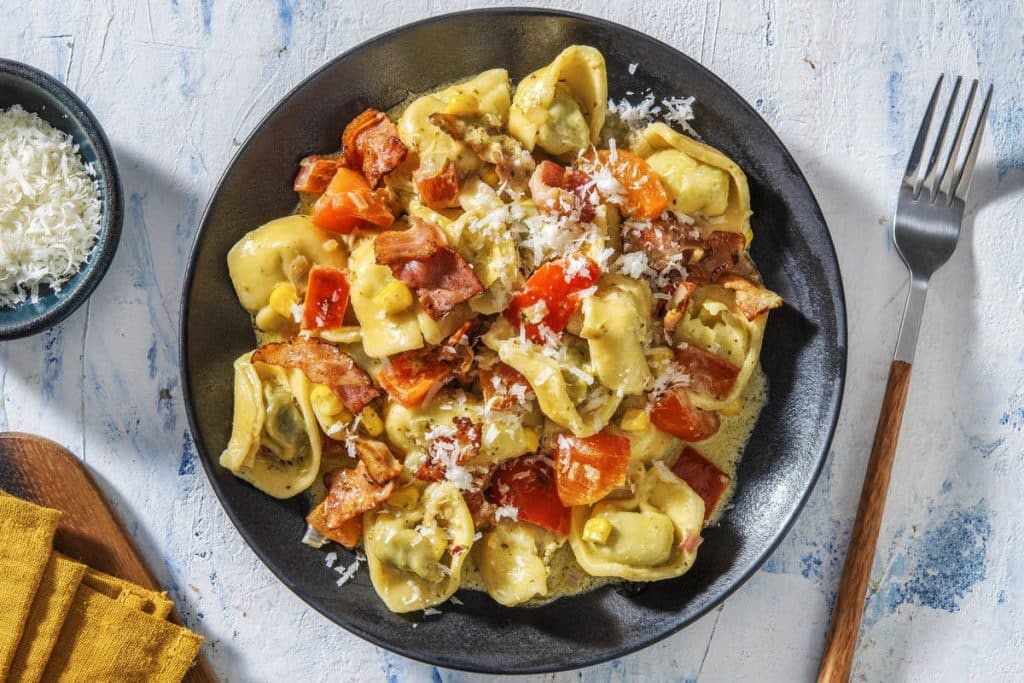
Garnishes add color and texture to tortellini. A well-presented plate invites you to enjoy every bite. Use fresh herbs, cheese, and nuts for the best look and taste.
| Garnish | Effect |
| Chopped fresh basil | Adds fresh aroma and color |
| Grated Parmesan cheese | Gives a salty, creamy taste |
| Toasted pine nuts | Adds crunch and nutty flavor |
| Cracked black pepper | Brings mild heat and spice |
| Drizzle of olive oil | Enhances shine and richness |
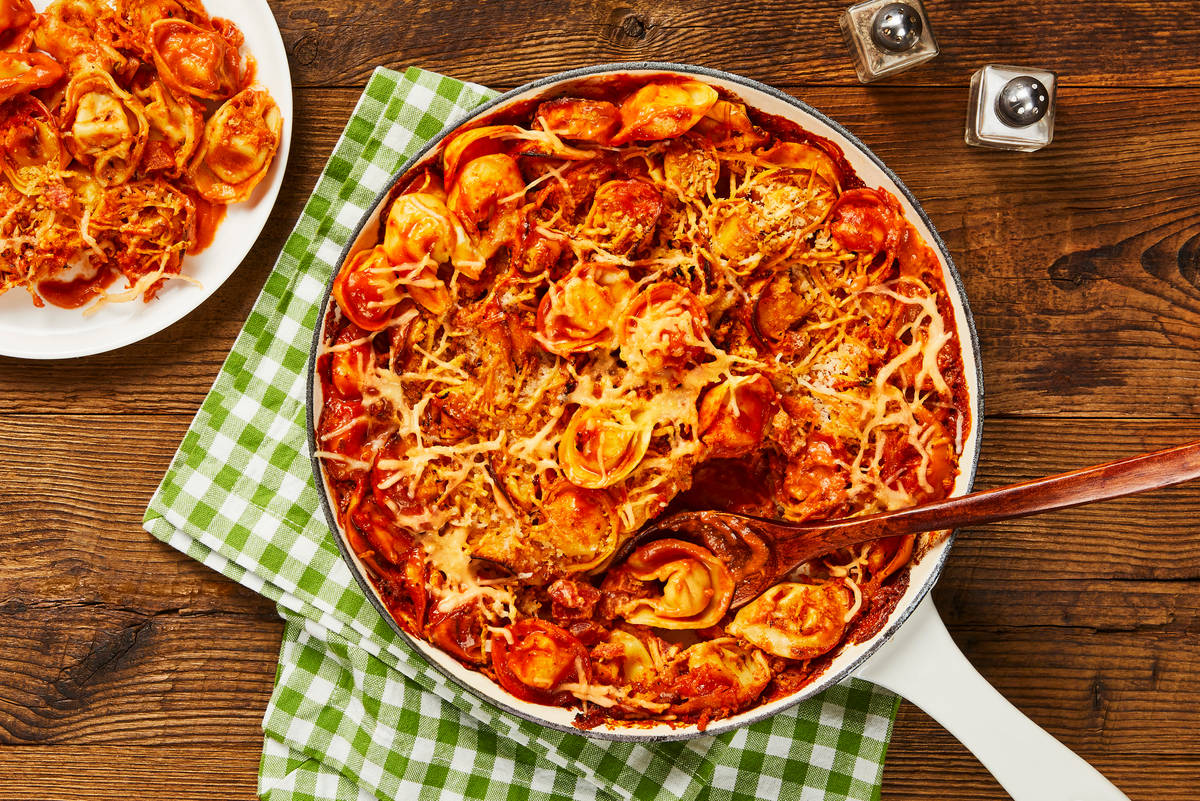
Credit: www.hellofresh.com
Storing And Reheating Leftovers
After cooking tortellini pasta, it is important to store leftovers properly. This helps keep the pasta fresh and safe to eat later.
Reheating tortellini can be tricky. You want to warm it without making it mushy or dry.
Best Practices For Refrigeration
Cool the tortellini before putting it in the fridge. Place it in an airtight container to stop it from drying out.
Eat the leftovers within 3 to 4 days for the best taste and safety.
- Cool leftovers quickly to avoid bacteria growth
- Use airtight containers or cover tightly with plastic wrap
- Label containers with the date stored
- Keep the fridge temperature below 40°F (4°C)
- Consume within 3 to 4 days
Reheating Without Losing Texture
Reheat tortellini gently to keep its shape and texture. Avoid overcooking as it can become mushy.
Use low heat and add a little water or sauce to keep it moist while warming.
- Reheat in a pan over low heat with a splash of water or sauce
- Cover the pan to trap steam and warm evenly
- Avoid microwaving on high power for a long time
- Stir gently to prevent sticking or breaking
- Heat just until warm, not boiling

Credit: www.tasteofhome.com
Frequently Asked Questions
How Long Does It Take To Cook Tortellini Pasta?
Tortellini typically cooks in boiling water for 3 to 5 minutes. Fresh tortellini cooks faster than frozen. When they float to the surface, they are ready to be drained and served.
Can I Cook Tortellini Without Boiling Water?
Boiling water is essential to cook tortellini properly. It ensures even cooking and prevents sticking. Using hot water or other methods may result in uneven texture or undercooked pasta.
What Sauces Pair Best With Tortellini Pasta?
Tortellini pairs well with creamy Alfredo, marinara, or pesto sauces. Cheese-filled tortellini often complements rich, creamy sauces. Meat-filled varieties taste great with tomato-based or buttery sauces.
How Do I Prevent Tortellini From Sticking Together?
Stir tortellini gently during the first minute of cooking. Use enough boiling water to allow free movement. Adding a splash of oil can also help prevent sticking.
Conclusion
Cooking tortellini pasta is simple and fun. Boil water, add salt, and cook tortellini until tender. Drain carefully, then add your favorite sauce or ingredients. Fresh or frozen, tortellini cooks quickly and tastes great. Enjoy your meal with a side salad or bread.
Try different fillings and sauces to find your favorite. Cooking tortellini at home saves time and money. Now, you can make a delicious Italian dish anytime. Give it a try and enjoy every bite!