
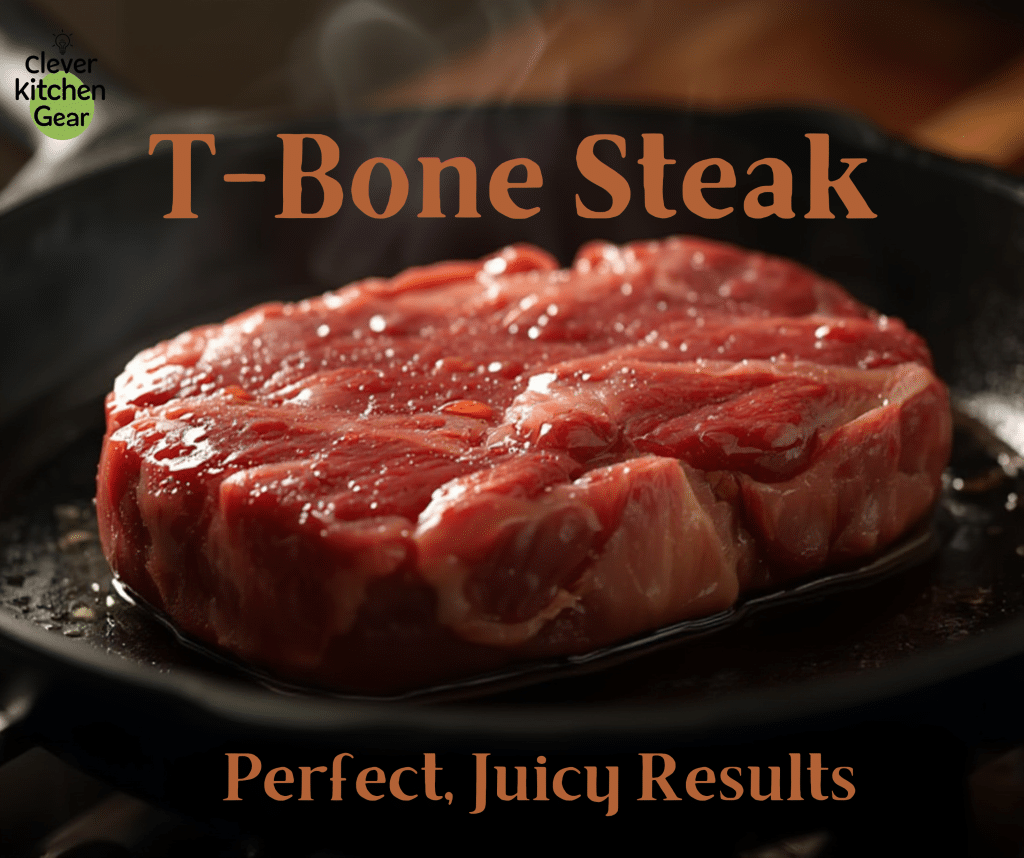
How to Cook T Bone Steak in Frying Pan: The Ultimate Guide
Want a perfect steak at home? A simple frying pan is all you need. Forget the grill and fancy tools. We can make a juicy, flavorful steak easily. It will have a crisp, brown crust.
You might think cooking steak is hard. It is not. We will show you How to Cook T Bone Steak in Frying Pan perfectly. We offer simple tips and tricks that make your steak tender and juicy every single time.
Ready to cook something amazing? Let’s start now!
Credit: itsnoteasybeinggreedy.com
Picking Your T Bone Steak
A great meal starts with the right meat. The T bone steak cooks best in a pan. Look for quality and size first. This choice gives you the best flavor and texture.
Choosing Quality Meat
Pick a piece that looks fresh. It should be bright red. Do not buy steaks with brown spots. Look for the white fat streaks. This is called marbling. More marbling means more flavor and juiciness.
- Bright red color means freshness.
- Good marbling boosts the taste.
- Avoid any dry or slimy textures.
Thickness And Cut
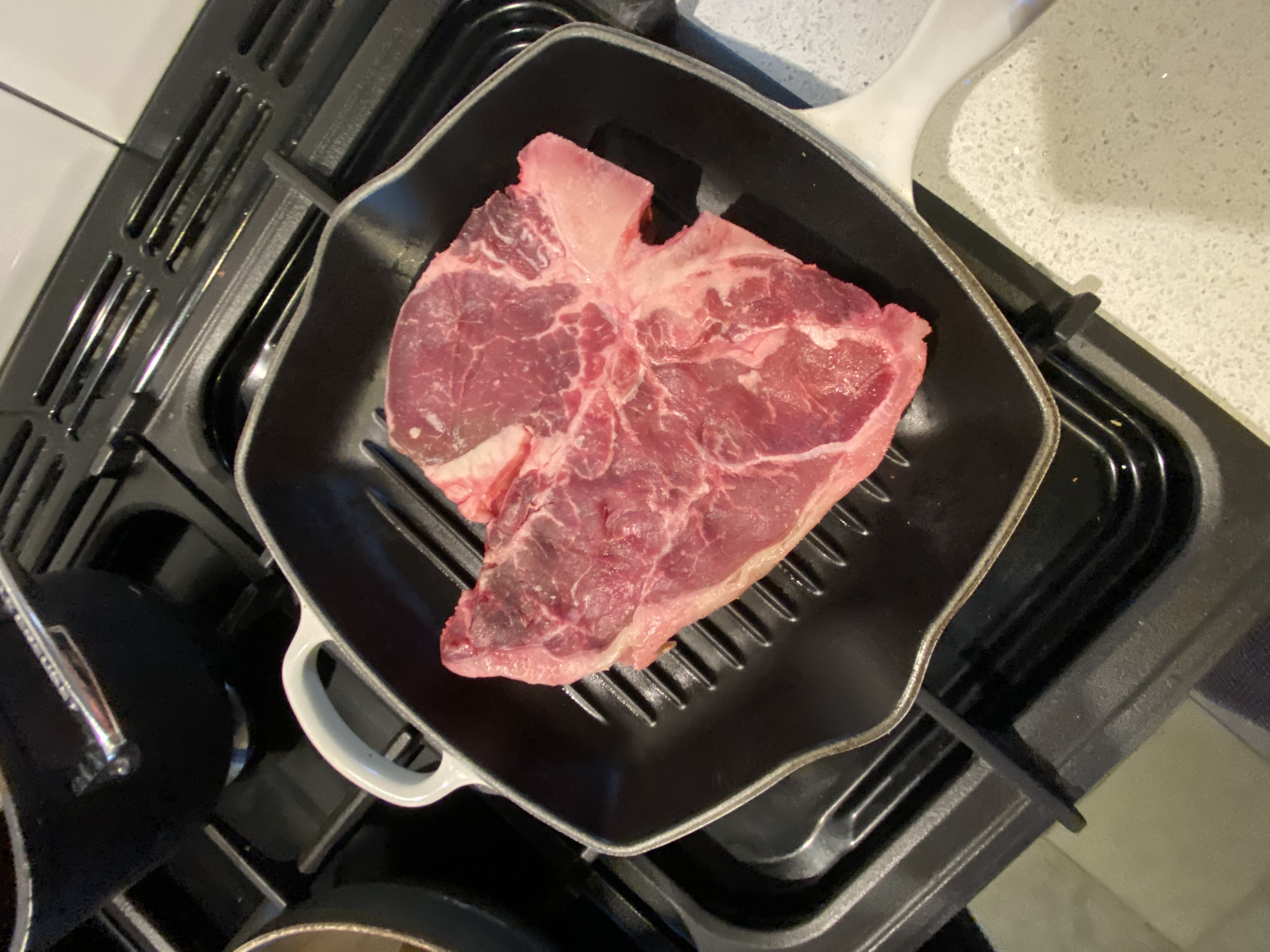
Choose a steak that is 1 to 1.5 inches thick. Thicker steaks cook more evenly. Your T-bone must include two parts. These are the strip and the tenderloin. This cut gives two great textures at once.
- The North American Meat Institute (NAMI) emphasizes the complexity of the T-bone: “The T-bone is a unique cut because it contains two distinct muscles separated by bone: the longer-cooking Strip and the faster-cooking Tenderloin. Because the Tenderloin is naturally leaner and more tender, it will reach your desired doneness faster than the Strip side, often requiring the chef to favor cooking the Strip side slightly longer or carefully angling the bone to shield the Tenderloin from direct heat.“
- Aim for 1 to 1.5 inches thick for even cooking.
- Get cuts with strip and tenderloin parts.
- Thin cuts dry out too fast.

Credit: steakrevolution.com
Prepping The Steak
Good preparation leads to a great steak. These steps boost the flavor. They also improve the texture. You have two main jobs now. Warm the steak and season it well. Do this before you turn on the stove.
Bring the Steak to Room Temperature
Cold meat cooks very unevenly. This can make the steak tough. We want it to be tender.
- Take the steak out of the fridge.
- Do this 30 to 60 minute before cooking.
- Put it on a plate on your counter.
- Cover it lightly to keep it clean.
- Use paper towels to pat it dry. Remove all moisture.
Seasoning Tips
Simple seasoning makes the steak’s flavor pop. Use only a few things for the best result.
Choose The Best Frying Pan
You need the right pan for a perfect crust. The pan affects the heat and cook time. A good pan helps everything cook evenly. It also helps you get a nice sear.
Cast Iron Is Best
Cast iron pans hold heat very well. They give your steak the best crust. They retain heat like no other cookware. Non-stick pans are easy to clean. They do not brown the steak as well.
- Cast iron is best for searing.
- It is heavy and holds heat steady.
- Non-stick pans form a lighter crust.
Expert Opinion: Chef Martin Bayer says he calls upon his cast iron skillet whenever he is cooking a steak. He says, “Cast iron is great for the job because it holds heat in abundance.” This means the temperature will not drop when you add the cold steak.
Pan Size
Your steak needs space to breathe. Use a pan large enough for your steak. Do not crowd the pan. Good heat flow cooks the steak evenly.
- Choose a pan 10 to 12 inches wide.
- Thick pans keep the heat steady.
- Thin pans can cause uneven cooking.
Cooking for a Juicy Steak
Pan cooking a T bone steak is simple and tasty. Just a few steps give you a juicy steak. Heat and time are the key. Use these steps for a perfect result. Each part locks in the juices. It also makes a great crust.
Preheat The Pan
Always start with a very hot pan. This sears the meat fast. Searing locks the juices inside. Use a heavy pan, like cast iron.
- Put the pan on medium-high heat.
- Heat it for about five minutes.
- It must be very hot.
- Add an oil with a high smoke point. Use canola or vegetable oil.
- Add the steak when the oil shimmers.
Dr. Chris Kilham, a medicinal plant and cooking oil expert, explains the importance of oil stability for searing: “A high smoke point is non-negotiable for pan-frying steak. When an oil heats past its smoke point, it breaks down and releases acrolein, which gives food a burnt, acrid flavor and ruins the crust. Using oils like grapeseed or refined avocado ensures the oil remains stable at the extreme temperatures required for a proper Maillard crust.“
Searing The Steak
Searing makes that brown, flavorful crust. Do not move the steak when it hits the pan. This allows the crust to form well.
Flipping and Cooking
Turn the steak only one time. Cook the second side until it is done. Use a meat thermometer for best results. This is the only sure way.
- Flip the steak carefully with tongs.
- Cook for 2 to 4 minutes more. Time depends on thickness.
- Check the internal temperature now.
- 135°F is medium-rare.
- 145°F is medium.
- Let it rest for 5 minutes before cutting.
Basting for More Flavor
Cooking with butter adds a rich taste. Aromatics like garlic and herbs make it better. They build a tasty crust and a juicy middle. This makes a perfect T-bone steak.
Adding Herbs
Herbs give a fresh, natural flavor. Add them with butter to boost the taste. Rosemary and thyme work very well.
- Put fresh rosemary or thyme in the pan.
- Add crushed garlic cloves for scent.
- Let the herbs flavor the melting butter.
Basting Method
Basting means spooning hot liquid over the steak. This keeps your steak moist and flavorful. Use a spoon and slightly tilt the pan. This collects the melted butter.
- Melt butter with herbs and garlic.
- Tilt the pan slightly.
- Use a spoon to scoop the liquid.
- Pour the liquid over the steak.
- Repeat this every 30 second.
- Baste until the steak is done.
- Remove the steak and let it rest.
Checking Doneness
Knowing when your steak is ready is important. This ensures your best meal. A thermometer is the easiest way. You can also use the touch test.
Use a Meat Thermometer
A thermometer gives a true temperature. Push it into the steak’s thickest part. Do not touch the bone.
Touch Test
This test compares your steak’s firmness to your hand. It helps you guess the doneness.
- Rare feels soft like a relaxed thumb base.
- Medium Rare feels like your index finger touch.
- Medium feels firmer like your middle finger touch.
- Press the steak gently. Compare it to your hand.
Resting and Serving
Resting is the most important step. It lets the juices settle inside. Serving it well improves the meal.
Why Resting Matters
Resting keeps the steak tender and juicy. If you cut it too soon, the juices run out. The meat becomes dry.
- Let the steak rest for 5 to 10 minutes.
- Put it on a warm plate.
- Cover it loosely with foil.
- Resting lets the juices go back inside.
- This stops dryness when you slice it.
Latest Study: Resting for 5 to 7 minutes is ideal for steaks up to 1.5 inches thick. During this time, the internal temperature can rise by . This is called “carry-over cooking” and is important for the final result.
Slicing Tips
Slice the T bone steak against the grain. This makes the meat very easy to chew. Use a sharp knife. Cut the steak into thick strips.
- Cut against the grain for tenderness.
- Slice into half-inch thick pieces.
- Arrange the slices on a warm plate.
Easy Mistakes to Avoid
Cooking a T bone steak is simple. But small errors hurt the flavor. Avoid these problems for a great steak.
Do Not Crowd the Pan
Too much meat lowers the pan heat fast. The steak will steam instead of sear. You need a nice crust to form.
- Cook only one or two steaks at a time.
- Leave space between the steaks.
- Cook in batches to keep the pan hot.
Do Not Skip the Rest Time
Cutting the steak right away loses all the juice. The meat becomes dry and less flavorful.
Rest the steak on a warm plate. Cover it for 5 to 10 minutes.
Finish Your Meal Right
You cooked a perfect T-bone steak. Now, pair it with the right sides. This makes the meal much better. Choose good side dishes and drinks.
Good Side Dishes
Side dishes add balance and flavor. Pick ones that go well with the rich T-bone.
- Creamy garlic mashed potatoes.
- Fresh, crunchy grilled asparagus.
- Sautéed mushrooms add an earthy taste.
Wine Pairings
Wine can make the steak flavors stand out. Choose wines that match the richness.
Frequently Asked Questions
How long to cook a T Bone steak?
Cook it for 4 to 5 minutes per side. Use medium-high heat. Adjust time for thickness and doneness.
Which oil is best for frying?
Use oils with high smoke points. Canola, avocado, or grapeseed oil work best. They prevent burning.
Should I let the T Bone steak rest?
Yes! Always rest it for 5 to 10 minutes. Juices redistribute. This makes the steak tender and very juicy.
Conclusion
Pan cooking a T bone steak is simple. First, choose a quality cut of meat. Season it well with salt and pepper. Heat your pan until it is very hot. Add some oil for a great sear. Cook each side for a few minutes only. This action locks in all the flavors. Let the steak rest before slicing it. Resting keeps it juicy and tender. Enjoy your delicious steak with your favorite sides. Cooking this way ensures a tasty meal. Now you can enjoy great steak at home. http://www.youtube.com/watch?v=jyN2hF4Hzrw



