

Are you looking to add more nutrition and color to your meals without spending hours in the kitchen? If so, learning how to cook steamed vegetables might just be your game-changer.
Steamed vegetables are not only a quick and easy way to prepare a healthy dish, but they also retain more nutrients compared to other cooking methods. Imagine serving a plate brimming with vibrant greens, yellows, and reds that are as delightful to your taste buds as they are to your eyes.
But here's the thing: while steaming might seem simple, there's an art to getting it just right. Perfectly steamed vegetables are tender, yet crisp, bursting with flavor, and never soggy or bland. Intrigued? You'll want to read on. You'll discover the secrets to achieving that ideal texture and taste, ensuring your vegetables become the star of your meal. Ready to transform your cooking skills and wow your family and friends? Let's dive in!

Credit: stirringthepotwithwendy.com
Choosing Vegetables
Steaming vegetables keeps them healthy and tasty. Picking the right vegetables is key for good results.
Some vegetables steam better than others. Knowing which ones to use helps you cook faster and enjoy great flavor.
Best Vegetables For Steaming
Vegetables with firm texture and short cooking time work best for steaming. They stay crisp and colorful.
- Broccoli
- Carrots
- Green beans
- Cauliflower
- Asparagus
- Peas
- Zucchini
- Spinach
Preparing Vegetables For Cooking
Wash vegetables well to remove dirt and pesticides. Cut them into even pieces for uniform cooking.
| Vegetable | Preparation Tip |
| Broccoli | Cut into small florets |
| Carrots | Slice into thin rounds or sticks |
| Green beans | Trim ends and leave whole |
| Cauliflower | Separate into small florets |
| Asparagus | Trim tough ends |
| Peas | Remove from pods |
| Zucchini | Slice into rounds or sticks |
| Spinach | Remove thick stems |
Steaming Methods
Steaming vegetables is a healthy way to cook them. It keeps nutrients and color in the food.
You can steam vegetables in different ways. Each way uses heat and steam to cook food gently.
Using A Steamer Basket
A steamer basket fits inside a pot. It holds vegetables above boiling water.
Steam rises and cooks vegetables without touching water. This keeps veggies crisp and fresh.
- Fill pot with a few inches of water.
- Place the steamer basket inside the pot.
- Put chopped vegetables in the basket.
- Cover pot with a lid to trap steam.
- Cook until vegetables are tender but firm.
Steaming With A Microwave
You can steam vegetables quickly in a microwave. Use a microwave-safe bowl with a lid.
Add a small amount of water to the bowl. The water creates steam that cooks the vegetables fast.
- Put chopped vegetables in a microwave-safe bowl.
- Add 2-3 tablespoons of water.
- Cover the bowl with a microwave-safe lid or plate.
- Microwave on high for 2 to 5 minutes.
- Check softness and cook more if needed.
Electric Steamer Options
Electric steamers are devices made to steam food easily. They have stacked trays for vegetables.
These steamers turn off automatically when done. They keep heat steady for even cooking.
- Add water to the base of the steamer.
- Place vegetables in the trays.
- Set the timer or cooking mode.
- Turn on the steamer and wait until it stops.
- Remove vegetables carefully to avoid steam burns.
Timing And Texture
Steaming vegetables is a healthy way to cook them. Timing is key to keep vegetables crisp and tasty.
Overcooking makes vegetables soft and mushy. Proper texture means they stay firm but tender.
Cooking Times By Vegetable
Different vegetables need different steaming times. Knowing these times helps keep their best texture.
| Vegetable | Steaming Time (minutes) |
|---|---|
| Broccoli | 5-7 |
| Carrots (sliced) | 6-8 |
| Green beans | 4-6 |
| Cauliflower | 6-8 |
| Asparagus | 3-5 |
| Spinach | 2-3 |
| Peas | 3-5 |
Checking For Doneness
Check vegetables by piercing them with a fork. They should be tender but not mushy.
If vegetables feel too hard, steam a little longer. Test every minute to avoid overcooking.
- Look for bright color and slight firmness
- Fork should slide in with little resistance
- Stop cooking once vegetables are tender

Credit: www.numberanalytics.com
Enhancing Flavor
Steamed vegetables can taste fresh and clean. Adding flavor makes them more enjoyable.
Simple tricks help lift the natural taste of steamed veggies without hiding it.
Seasoning Before Steaming
Seasoning vegetables before steaming adds flavor inside. Use salt or spices lightly.
- Sprinkle salt or pepper on vegetables
- Use a pinch of garlic powder or paprika
- Toss vegetables with a little olive oil and lemon zest
Adding Herbs And Aromatics
Herbs and aromatics add fresh, bright flavors. Place them with vegetables while steaming.
| Herb/Aromatic | Flavor Profile | How to Use |
| Thyme | Earthy, slightly minty | Add sprigs directly on veggies or in steaming water |
| Bay Leaf | Warm and herbal | Place whole leaves in steaming basket |
| Garlic | Pungent and savory | Use sliced or minced cloves mixed with vegetables |
| Lemon Peel | Citrusy and fresh | Add strips to steaming water or toss with veggies |
Using Dips And Sauces
Dips and sauces add moisture and flavor after steaming. Choose simple and light options.
- Yogurt mixed with herbs
- Soy sauce with a splash of sesame oil
- Olive oil and balsamic vinegar drizzle
- Hummus as a creamy dip
- Simple vinaigrette with mustard and lemon
Serving Suggestions
Steamed vegetables are healthy and tasty. Serving them well makes your meal more enjoyable.
Here are some ideas on how to serve steamed vegetables for the best experience.
Plating Steamed Vegetables
Arrange steamed vegetables on the plate with care. A colorful plate looks more inviting.
- Place vegetables in small piles or shapes.
- Use fresh herbs as garnish for color.
- Add a slice of lemon or lime on the side.
- Drizzle a little olive oil or melted butter on top.
- Serve on white or light-colored plates to highlight colors.
Pairing With Main Dishes
Steamed vegetables go well with many main dishes. They add freshness and balance to the meal.
| Main Dish | Best Steamed Vegetables | Serving Tip |
| Grilled Chicken | Broccoli, Carrots, Zucchini | Serve vegetables on the side with a light sauce |
| Fish Fillet | Asparagus, Green Beans, Peas | Place vegetables under the fish for a neat look |
| Steak | Cauliflower, Mushrooms, Brussels Sprouts | Mix vegetables with garlic butter before serving |
| Rice or Quinoa Bowl | Mixed Peppers, Snap Peas, Corn | Top the bowl with vegetables for color and crunch |
Troubleshooting Common Issues
Steaming vegetables is a healthy way to cook them. Still, problems like overcooking or sogginess can happen. Fixing these issues improves taste and texture.
Read on to learn how to avoid these common problems. Simple tips make your steamed vegetables perfect every time.
Avoiding Overcooking
Overcooked vegetables lose flavor and nutrients. They also become mushy. Watch cooking times closely to keep vegetables crisp and fresh.
- Use a timer to track cooking time.
- Cut vegetables into even pieces for uniform cooking.
- Check vegetables early to avoid extra cooking.
- Remove vegetables from heat as soon as they are tender.
- Use a fork to test softness before stopping the steaming.
Preventing Soggy Vegetables
Soggy vegetables often result from too much water or trapped steam. Proper draining and steaming methods keep vegetables firm and tasty.
| Cause | How to Fix |
| Water touching vegetables | Use a steam basket to keep vegetables above water. |
| Too much steam trapped | Leave a small gap in the lid for steam to escape. |
| Vegetables sitting in water after cooking | Drain immediately and spread on a plate to cool. |
| Overcrowding the steamer | Steam in small batches for even cooking. |
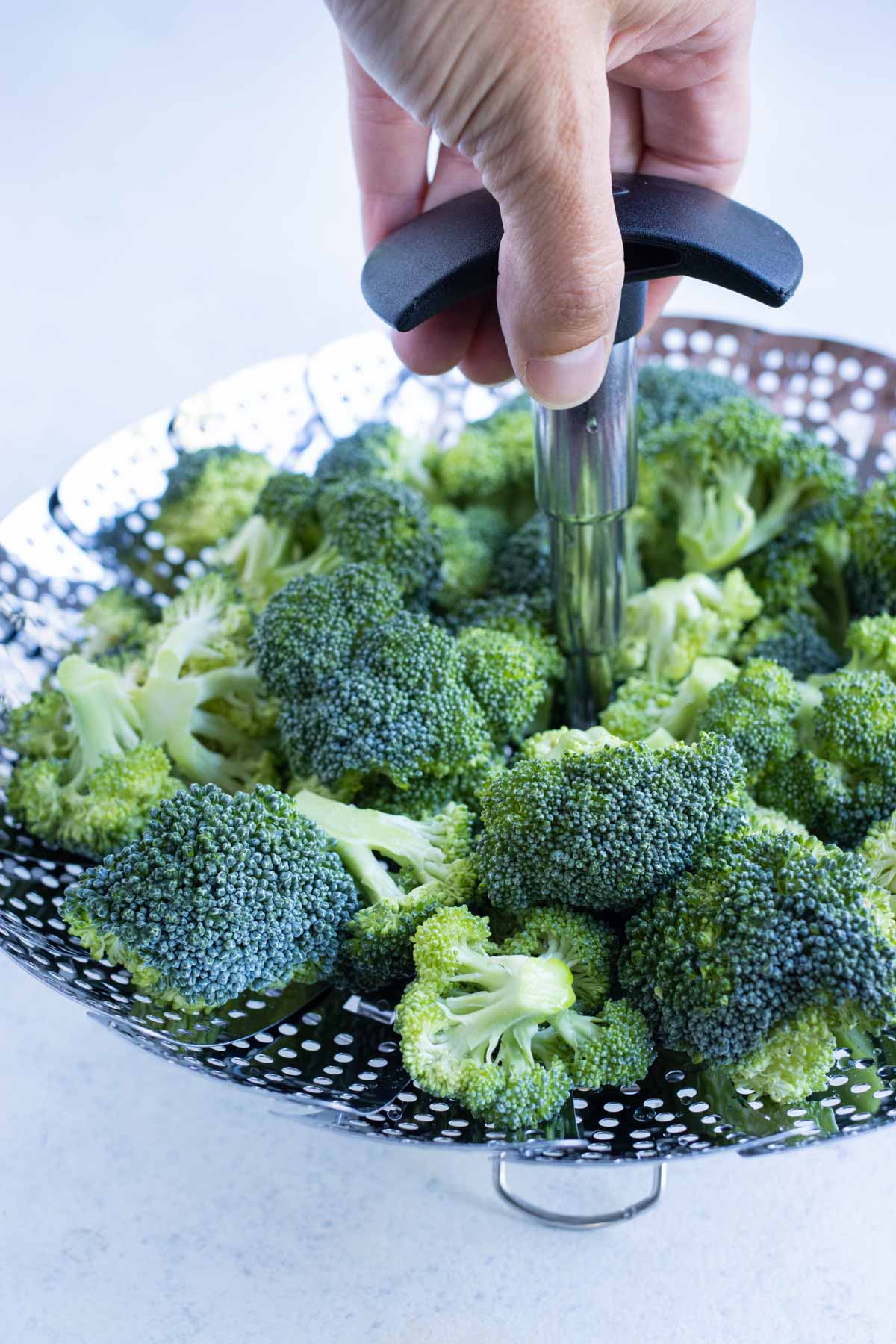
Credit: www.evolvingtable.com
Frequently Asked Questions
How Long Should I Steam Vegetables?
Steam vegetables for 5 to 10 minutes. Timing depends on vegetable type and size. Check tenderness with a fork. Avoid overcooking to retain nutrients and texture.
Which Vegetables Are Best For Steaming?
Broccoli, carrots, green beans, cauliflower, and spinach steam well. These vegetables keep texture and flavor when steamed. Choose fresh, firm vegetables for best results.
Do Steamed Vegetables Retain Nutrients?
Yes, steaming preserves more nutrients than boiling. It avoids nutrient loss in water. Steamed vegetables maintain vitamins and minerals effectively.
Can I Steam Frozen Vegetables Directly?
Yes, you can steam frozen vegetables without thawing. Steam for a few extra minutes than fresh ones. This keeps texture and flavor intact.
Conclusion
Steamed vegetables keep their flavor and nutrients well. They cook quickly and stay tender-crisp. A simple pot and steamer basket work fine. Add a pinch of salt or herbs for taste. Experiment with different veggies to find favorites. Steaming saves time and helps healthy meals.
Try this easy method to enjoy fresh vegetables daily. Your body will thank you for the nutrients. Healthy eating does not have to be hard. Give steamed vegetables a regular spot on your plate.


